Biedermeier Fabric
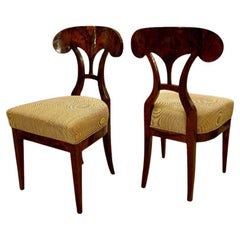
Antique Early 19th Century Austrian Side Chairs
Fabric, Walnut

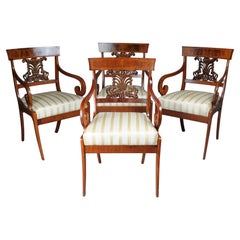
Antique 19th Century German Dining Room Chairs
Fabric, Wood, Mahogany
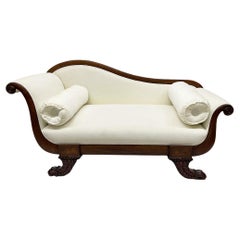
Antique 19th Century Dutch Sofas
Fabric, Wood
Antique 1880s Austrian Biedermeier Side Chairs
Fabric, Elm
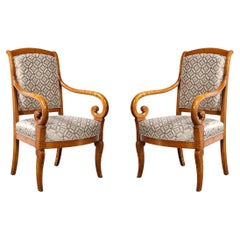
Antique Early 19th Century Austrian Chairs
Brass
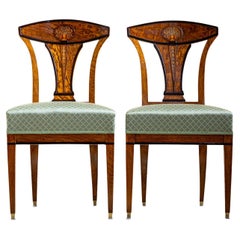
Early 20th Century Austrian Biedermeier Side Chairs
Fabric, Upholstery, Velvet, Ebony
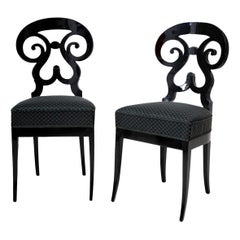
Antique Early 19th Century German Biedermeier Side Chairs
Fabric, Upholstery, Velvet, Cherry, Ebony
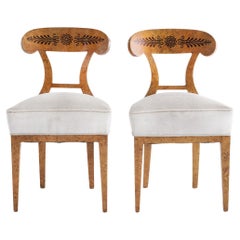
Antique Early 19th Century Swedish Biedermeier End Tables
Fabric, Mahogany
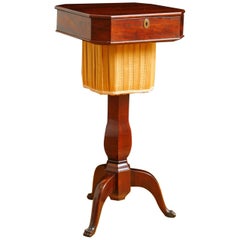
Antique Early 19th Century German Biedermeier Dining Room Sets
Mahogany, Upholstery
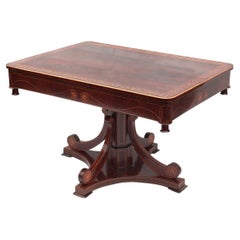
Antique Late 19th Century Unknown Empire Armchairs
Iron
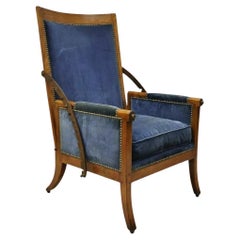
Early 20th Century Neoclassical Revival Side Chairs
Fabric, Birch
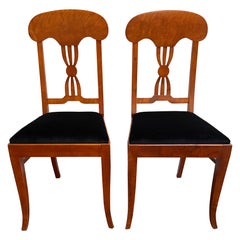
Antique 1790s Danish Biedermeier Chairs
Fabric, Wood
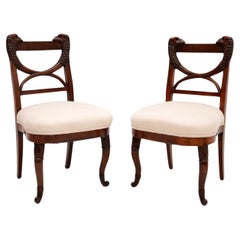
Antique 1830s Austrian Biedermeier Chairs
Fabric, Wood, Walnut, Lacquer
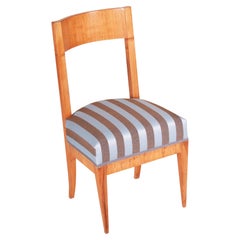
Antique Late 19th Century Unknown Biedermeier Sofas
Walnut, Fabric
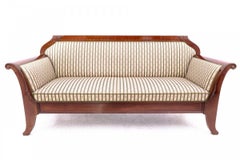
Late 20th Century American Biedermeier Lounge Chairs
Fabric, Upholstery, Wood
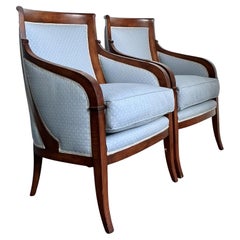
Antique 17th Century Unknown Biedermeier Tapestries
Fabric
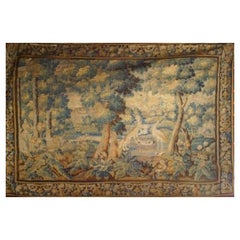
Antique Late 19th Century Scandinavian Biedermeier Sofas
Fabric, Walnut
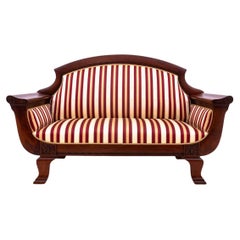
Antique 1890s Norwegian Biedermeier Sofas
Fabric, Walnut
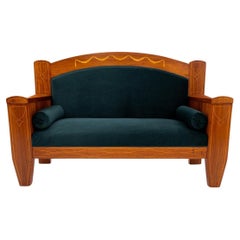
Antique Early 1900s Swedish Biedermeier Sofas
Walnut, Fabric
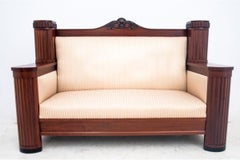
Antique 19th Century Biedermeier Living Room Sets
Fabric, Wood
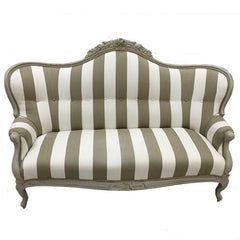
Antique Mid-19th Century Swedish Biedermeier Sofas
Walnut, Fabric
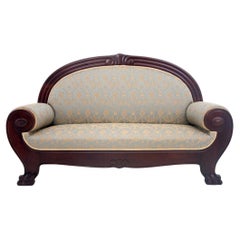
Antique Mid-19th Century Swedish Biedermeier Sofas
Fabric, Walnut
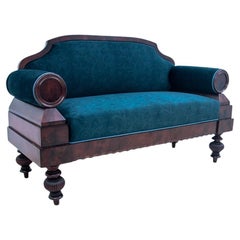
Antique Late 19th Century Scandinavian Biedermeier Sofas
Fabric, Walnut
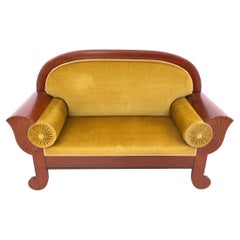
Antique Late 19th Century Unknown Biedermeier Sofas
Fabric, Mahogany
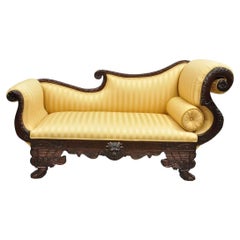
Antique 1830s German Biedermeier Chairs
Fabric, Maple, Wood
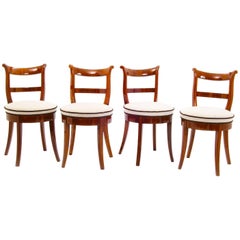
Antique Early 19th Century French Biedermeier Hat Racks and Stands
Leather, Fabric
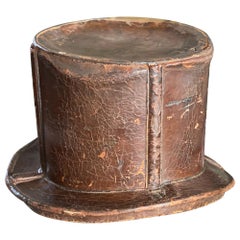
Antique 1890s Czech Biedermeier More Mirrors
Wood, Walnut, Fabric, Upholstery, Beech
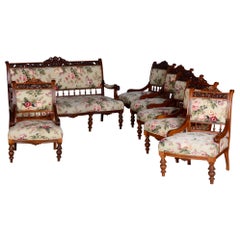
Early 20th Century Swedish Biedermeier Stools
Fabric, Birch
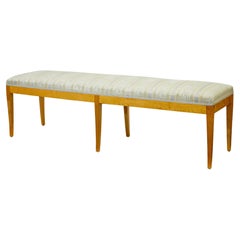
20th Century North American Biedermeier Side Chairs
Fabric, Upholstery, Fruitwood
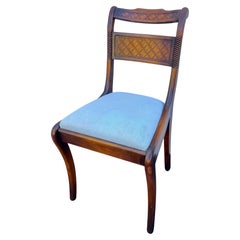
20th Century Biedermeier Side Chairs
Fabric, Upholstery, Wood, Lacquer
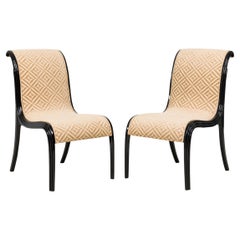
Antique Mid-19th Century Danish Biedermeier Dining Room Chairs
Brass, Metal
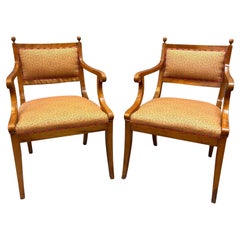
Antique 19th Century Austrian Biedermeier Sofas
Walnut
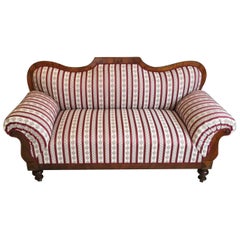
Antique 1830s Austrian Biedermeier Sofas
Fabric, Walnut
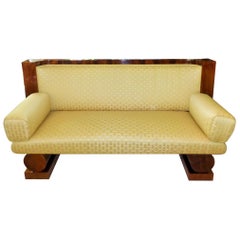
Antique 1860s Italian Biedermeier Armchairs
Fabric, Wood
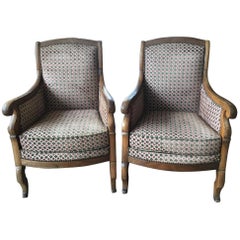
Antique Mid-19th Century Austrian Biedermeier Settees
Fabric, Nutwood
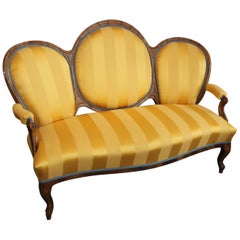
Antique Mid-19th Century Austrian Biedermeier Armchairs
Fabric, Nutwood

Antique Mid-19th Century Austrian Biedermeier Lounge Chairs
Fabric, Wood
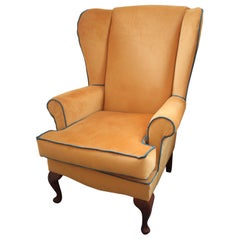
Antique Mid-19th Century Austrian Biedermeier Armchairs
Metal
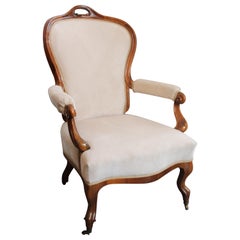
Antique 19th Century German Biedermeier Benches
Mahogany
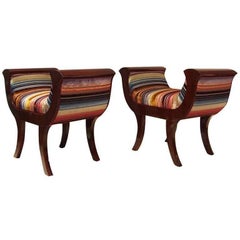
Antique Early 1900s Hungarian Biedermeier Chairs
Fabric, Wood
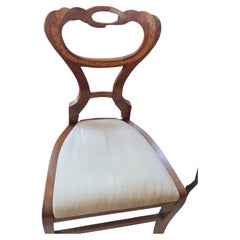
Antique 19th Century German Biedermeier Armchairs
Fabric, Cherry
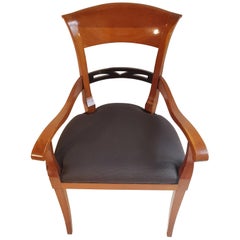
Mid-20th Century Italian Biedermeier Benches
Fabric, Wood
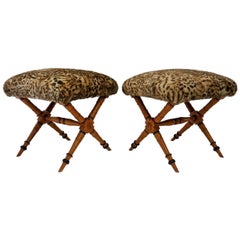
Antique Early 1900s Hungarian Biedermeier Armchairs
Upholstery
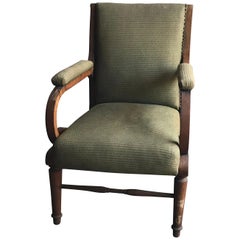
Antique 19th Century Austrian Biedermeier Sofas
Walnut
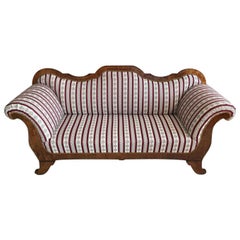
Antique 19th Century German Biedermeier Sofas
Fabric, Walnut
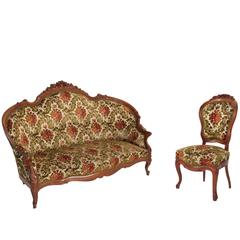
Vintage 1940s Swedish Sofas
Sycamore, Fabric
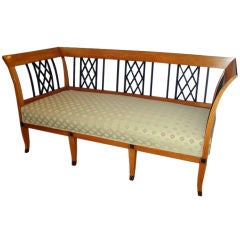
Antique Early 19th Century Settees
Fabric, Walnut
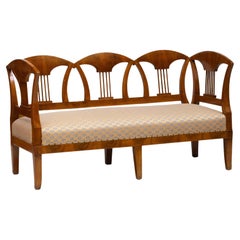
Antique 19th Century Chairs
Mahogany, Fabric
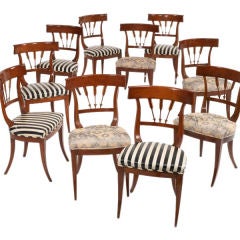
Antique 19th Century Side Chairs
Walnut
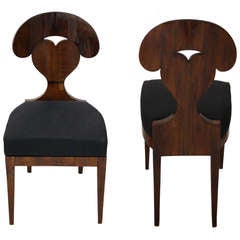
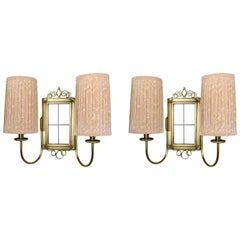
Mid-20th Century German Biedermeier Wall Lights and Sconces
Brass
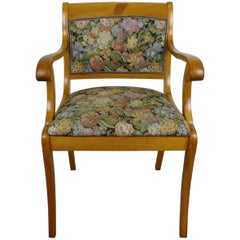
Early 20th Century German Biedermeier Armchairs
Fabric, Cherry
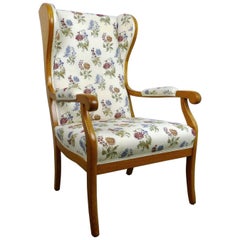
Early 20th Century German Biedermeier Armchairs
Fabric, Cherry
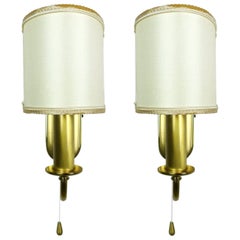
Late 20th Century German Biedermeier Wall Lights and Sconces
Metal
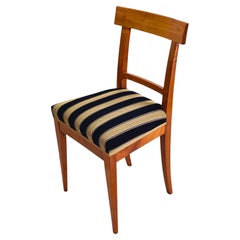
Antique Early 19th Century German Biedermeier Chairs
Cherry
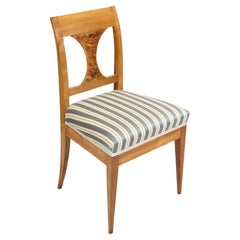
Antique Early 19th Century German Biedermeier Chairs
Cherry
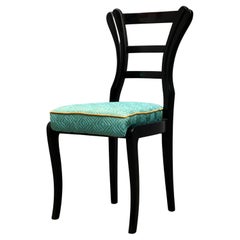
Antique 1820s Austrian Biedermeier Chairs
Silk, Cherry
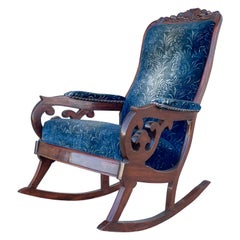
Antique Late 19th Century German Mid-Century Modern Rocking Chairs
Fabric, Walnut
- 1
Biedermeier Fabric For Sale on 1stDibs
How Much is a Biedermeier Fabric?
A Close Look at Biedermeier Furniture
The authentic Biedermeier furniture on 1stDibs is representative of the first modern European decorative style not dictated by the tastes of the aristocracy. Following the Napoleonic wars, a growing, wealthy urban middle class in the German-speaking states of Central Europe began to demand rights and privileges once granted only to nobles. To avoid trouble, the upwardly striving confined their political discussions to one another’s homes. And so the salon was born.
Cabinetmakers in cities such as Vienna, Berlin and Mainz began to offer goods that reflected the tastes and needs of the new class. The makers of Biedermeier chairs, tables and other furniture used little or no gilding, silver hardware or other lavish ornament. Ebonized trims are common on Biedermeier cabinetry, and neoclassical elements — lyre-shaped chair splats, carved scrollwork, table supports shaped like Greek columns. But the strongest aesthetic statement came from the wood — richly-grained, honey-colored, often book-matched veneers of walnut and fruitwood.
There are two iconic Biedermeier furniture forms, both made to outfit rooms designed for conversation. One is the sofa, deeply upholstered with a strong, architectural wooden frame. The second is the circular pedestal table, which stood at the center of the room, offering a surface on which to place coffee and cake services; or to roll out a map, or sketch out ideas on paper.
“Biedermeier” was originally a derogatory term — it derives from the pen names of two German magazine writers who mocked bourgeois manners. Looking at the elegant and refined antique, new and vintage Biedermeier furniture offered on 1stDibs, that is now an amusing irony.
Finding the Right Seating for You
With entire areas of our homes reserved for “sitting rooms,” the value of quality antique and vintage seating cannot be overstated.
Fortunately, the design of side chairs, armchairs and other lounge furniture — since what were, quite literally, the early perches of our ancestors — has evolved considerably.
Among the earliest standard seating furniture were stools. Egyptian stools, for example, designed for one person with no seat back, were x-shaped and typically folded to be tucked away. These rudimentary chairs informed the design of Greek and Roman stools, all of which were a long way from Sori Yanagi's Butterfly stool or Alvar Aalto's Stool 60. In the 18th century and earlier, seats with backs and armrests were largely reserved for high nobility.
The seating of today is more inclusive but the style and placement of chairs can still make a statement. Antique desk chairs and armchairs designed in the style of Louis XV, which eventually included painted furniture and were often made of rare woods, feature prominently curved legs as well as Chinese themes and varied ornaments. Much like the thrones of fairy tales and the regency, elegant lounges crafted in the Louis XV style convey wealth and prestige. In the kitchen, the dining chair placed at the head of the table is typically reserved for the head of the household or a revered guest.
Of course, with luxurious vintage or antique furnishings, every chair can seem like the best seat in the house. Whether your preference is stretching out on a plush sofa, such as the Serpentine, designed by Vladimir Kagan, or cozying up in a vintage wingback chair, there is likely to be a comfy classic or contemporary gem for you on 1stDibs.
With respect to the latest obsessions in design, cane seating has been cropping up everywhere, from sleek armchairs to lounge chairs, while bouclé fabric, a staple of modern furniture design, can be seen in mid-century modern, Scandinavian modern and Hollywood Regency furniture styles.
Admirers of the sophisticated craftsmanship and dark woods frequently associated with mid-century modern seating can find timeless furnishings in our expansive collection of lounge chairs, dining chairs and other items — whether they’re vintage editions or alluring official reproductions of iconic designs from the likes of Hans Wegner or from Charles and Ray Eames. Shop our inventory of Egg chairs, designed in 1958 by Arne Jacobsen, the Florence Knoll lounge chair and more.
No matter your style, the collection of unique chairs, sofas and other seating on 1stDibs is surely worthy of a standing ovation.