Black Japanese Pottery
Vintage 1930s Japanese Anglo-Japanese Vases
Pottery
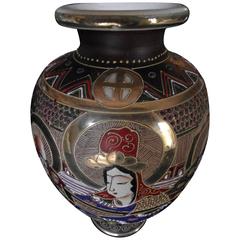

Antique 16th Century Japanese Jars
Pottery
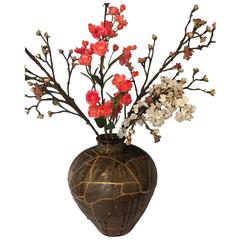
Antique Early 1900s Japanese Table Lamps
Enamel, Metal
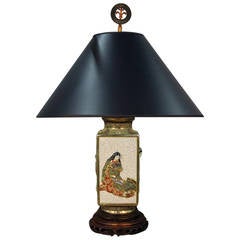
- 1
Black Japanese Pottery For Sale on 1stDibs
How Much is a Black Japanese Pottery?
- 1stDibs ExpertMay 3, 2024Opinions vary as to what is the most famous type of Japanese pottery. A few kinds of pottery that originated in Japan have gained fame and are popular with collectors. Among them are Arita or Imari ware, Seto ware, Mino ware, Tokoname ware, Shigaraki ware, Kutani ware and Onta ware. Shop a wide variety of Japanese pottery on 1stDibs.
- 1stDibs ExpertApril 5, 2022There are 47 different prefectures in Japan and each one produces ceramic ware and pottery unique to that region. Japanese Pottery, known as Tojiki or Yakimono, combines art and tradition and reflects the culture of the region. Shop a collection of Japanese pottery from some of the world’s top sellers on 1stDibs.
- Is Japanese pottery valuable?1 Answer1stDibs ExpertApril 26, 2024Yes, some Japanese pottery is valuable. Generally, the type, style, age, maker and condition affect how much a particular piece is worth. Some varieties of Japanese pottery that often sell for high prices due to demand among collectors include Imari ware, Mino ware and Seto ware. A certified appraiser or knowledgeable antique dealer can give you specific information about whether a particular piece is valuable. On 1stDibs, shop a diverse assortment of Japanese pottery.
- What is Japanese pottery called?1 Answer1stDibs ExpertApril 5, 2022Japanese pottery is called tojiki or yakimono. Various types have names of their own. For example, porcelain made during the Edo period is arita-yaki, while blue and white porcelain is seto-mono. On 1stDibs, shop a selection of Japanese pottery on 1stDibs.
- What makes black pottery black?1 Answer1stDibs ExpertApril 5, 2022There are a few ways to make pottery black, but the most popular way is through technique instead of the use of pigments or dyes. With a firing clay technique in the kiln the resulting product can come out a varying array of shades of black. Shop a selection of pottery on 1stDIbs.
- 1stDibs ExpertAugust 8, 2024To tell if your Japanese pottery is antique, look for markings, which usually appear on the bottoms of pieces. If you see the word "Nippon," your piece was likely produced between 1891 and 1921, making it an antique. Pieces marked with the words "made in occupied Japan" originated between 1945 and 1952 and are vintage, based on their age. A "made in Japan" marking may indicate a vintage or contemporary piece. If you don't see any of these markings, consult trusted online resources to get a rough idea of when your pottery was produced. Any piece that dates back 100 years or more is antique. Should you encounter difficulty with the dating process, a certified appraiser or knowledgeable antique dealer can assist you. On 1stDibs, shop a variety of Japanese pottery.
- 1stDibs ExpertSeptember 23, 2024Japanese blue pottery is called sometsuke. When translated literally from Japanese, the word means "with dye." It refers to the fact that sometsuke pottery gets its beautiful color from applying a cobalt dye underglaze on white bisque ceramic. Find a wide variety of Japanese pottery from some of the world's top sellers on 1stDibs.
- 1stDibs ExpertApril 5, 2022Mata Ortiz black pottery is a type of pottery made in the style of Mogollon earthenware found at an archeological dig site in Casas Grandes, Chihuahua, Mexico. It typically shows off geometric patterns and stylized animals in dark black and brown hues. Shop a range of Mata Ortiz black pottery on 1stDibs.
- 1stDibs ExpertApril 5, 2022To fix Japanese black lacquer, take it to a furniture repair shop that has previously worked with the material. Lacquer is very delicate. Attempting to fix a piece on your own could cause further damage. On 1stDibs, find a selection of Japanese black lacquer.
- 1stDibs ExpertApril 5, 2022Japanese lacquerware items are finished with a sap that comes from the lacquer tree. This finish is prone to degradation, especially if exposed to sun and water, and age will take its toll as well. To clean lacquerware items, wet a lint-free cloth and wring as much water out as you can, then wipe the item. Finish by drying it with a soft lint-free cloth. Shop a range of antique and vintage Japanese lacquerware on 1stDibs.
- 1stDibs ExpertOctober 12, 2021The difference between black-figure and red-figure Greek pottery is that in black-figure pottery, figural and ornamental motifs were applied with a slip that turned black during firing and the background was color of the clay, whereas the decorative motifs on red-figure vases remained the color of the clay; the background, filled in with a slip, turned black. Red-figure is essentially the reverse of a black figure. On 1stDibs, shop vintage and antique Greek pottery.
Read More
How a Craving for Color Revolutionized Glass
After synthetic dyes changed fashion, home goods and printed matter, it was only a matter of time till glass caught up.
Kazuyo Sejima’s Flowering Tree Blooms Year-Round
The brilliantly simple design turns a modest bouquet into a major statement.
He Wrote ‘Oedipus Rex,’ but Do You Know What He Looked Like?
The Greek tragedian is said to have been handsome in his day.
Cigar Culture Was Once the Peak of Masculinity. Now, It’s a Compelling Curiosity
Even for those who don’t indulge, elegant smoking accessories and audacious art portraying cigar enthusiasts hold a nostalgic allure.
African Travel Plans on Hold? This Ardmore Leopard Vase Brings the Beauty of the Savanna to You
It’s an excellent example of the sought-after ceramics coming out of South Africa’s KwaZulu-Natal province.
With a High-Tech Flagship and Cool Collabs, Lladró Is Breaking the Mold for Porcelain Production
Thanks to its new leadership, the Spanish maker of figurines, busts and lighting is on a mission to update the art of porcelain for the 21st century.
Zoë Powell’s Magnolia 05 Vessel Is Handmade from Clay She Unearthed Herself
The free-form stoneware piece is inspired by the magnolia tree and its associations with home.
8 Ways to Breathe New Life into a Space with Plants
The pair behind the Instagram account @houseplantclub share their tips for making any room of the house gloriously green.