Brass Antique Japanese Urn
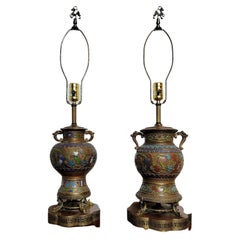
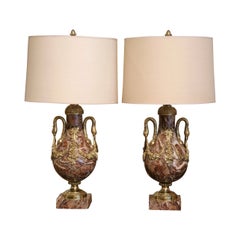
Antique Late 19th Century Japanese Meiji Table Lamps
Brass, Bronze

People Also Browsed
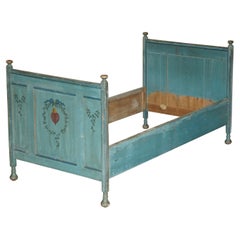
20th Century French Napoleon III Beds and Bed Frames
Oak
20th Century French Napoleon III Beds and Bed Frames
Oak, Pine
2010s American Modern Stools
Wood, Maple
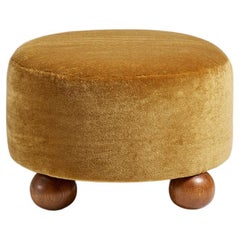
2010s British Scandinavian Modern Ottomans and Poufs
Velvet, Mohair, Oak
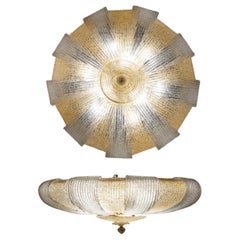
21st Century and Contemporary Italian Modern Flush Mount
Art Glass
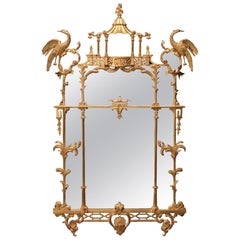
2010s English Chippendale Mantel Mirrors and Fireplace Mirrors
Gold Leaf
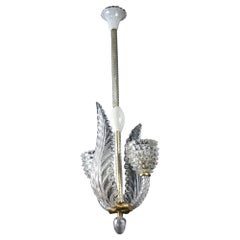
Vintage 1930s Italian Art Deco Chandeliers and Pendants
Glass
2010s European Modern Armchairs
Bronze
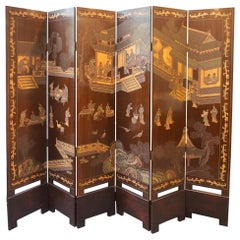
Mid-20th Century Hong Kong Chinese Export Screens and Room Dividers
Brass
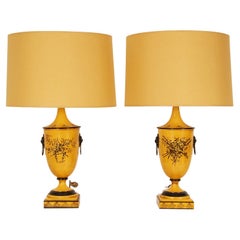
Mid-20th Century Italian Neoclassical Table Lamps
Metal
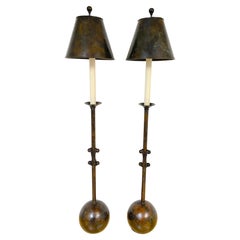
Late 20th Century French Modern Table Lamps
Bronze
Antique 1880s French Aesthetic Movement Table Lamps
Marble, Bronze
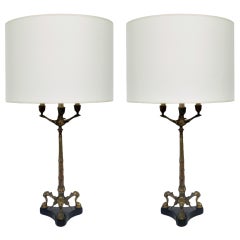
Vintage 1970s American Mid-Century Modern Table Lamps
Brass
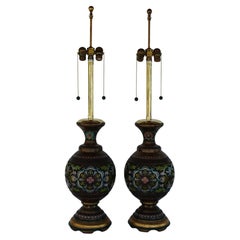
Vintage 1950s American Mid-Century Modern Table Lamps
Brass
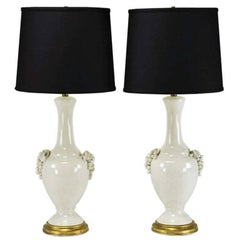
Vintage 1970s Neoclassical Table Lamps
Brass
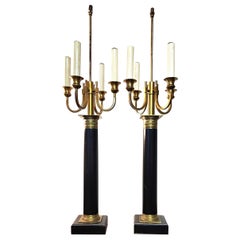
Early 20th Century French Neoclassical Table Lamps
Marble, Bronze
A Close Look at Meiji Furniture
From 1868 to 1912, Emperor Mutsuhito oversaw an era of transformation in Japan. Formerly a country of feudalism and isolation, Japan entered an age of modernization influenced by newly established trade and exchange with the West. The Meiji period, or period of “enlightened rule,” also saw the global impact of the East Asian country’s culture. Japanese Meiji furniture was exhibited at expositions from Paris to San Francisco and created for export.
Prior to the Meiji era, furniture was mostly made by commission for the ruling class; now there were new domestic and international markets. European styles like Japonisme appropriated Japanese design while craftsmen in places like Wales and England employed japanning, a varnishing technique that approximated the appearance of lacquer for the surfaces of furnishings.
Meiji furniture made for Japanese homes and buildings constructed in Western styles resulted in taller tables, chairs, cabinets with large drawers and other features. The government invested in areas such as transportation and communication, and because people could freely choose occupations after the restrictions of feudalism, industries of various types were energized by expressive new ideas during those years. Art schools were formed and, for the first time, design was an area of study in the country, leading to the evolution of professional design as a career by the 1890s.
The work of Japanese designers was transmitted widely through lavishly illustrated pattern books that included designs for screens and lacquerware for the home. While screens today may be of use as decorative accents or partitions to ensure privacy in one’s space, Japanese screens were adorned with paintings and were featured in performing arts such as concerts, tea ceremonies and more. The color illustrations that characterize Meiji woodblock prints, a genre of Japanese art that grew out of 17th-century developments in printing and book publishing, depicted the sweeping changes that the era brought to East Asia.
Although it was a time of societal and cultural shifts, a bolstered interest in art and design elevated Japanese craft traditions. From colorful porcelain table lamps with silk shades and hardwood tables decorated with dark lacquer to cabinets featuring iron hardware and inlaid with mother-of-pearl, Meiji furniture showcased Japan’s artistic heritage to the world.
Find a collection of antique Japanese Meiji period case pieces and storage cabinets, decorative objects, wall decorations and more furniture on 1stDibs.
Materials: Brass Furniture
Whether burnished or lacquered, antique, new and vintage brass furniture can elevate a room.
From traditional spaces that use brass as an accent — by way of brass dining chairs or brass pendant lights — to contemporary rooms that embrace bold brass decor, there are many ways to incorporate the golden-hued metal.
“I find mixed metals to be a very updated approach, as opposed to the old days, when it was all shiny brass of dulled-out silver tones,” says interior designer Drew McGukin. “I especially love working with brass and blackened steel for added warmth and tonality. To me, aged brass is complementary across many design styles and can trend contemporary or traditional when pushed either way.”
He proves his point in a San Francisco entryway, where a Lindsey Adelman light fixture hangs above a limited-edition table and stools by Kelly Wearstler — also an enthusiast of juxtapositions — all providing bronze accents. The walls were hand-painted by artist Caroline Lizarraga and the ombré stair runner is by DMc.
West Coast designer Catherine Kwong chose a sleek brass and lacquered-parchment credenza by Scala Luxury to fit this San Francisco apartment. “The design of this sideboard is reminiscent of work by French modernist Jean Prouvé. The brass font imbues the space with warmth and the round ‘portholes’ provide an arresting geometric element.”
Find antique, new and vintage brass tables, case pieces and other furnishings now on 1stDibs.
Finding the Right Table-lamps for You
Well-crafted antique and vintage table lamps do more than provide light; the right fixture-and-table combination can add a focal point or creative element to any interior.
Proper table lamps have long been used for lighting our most intimate spaces. Perfect for lighting your nightstand or reading nook, table lamps play an integral role in styling an inviting room. In the years before electricity, lamps used oil. Today, a rewired 19th-century vintage lamp can still provide a touch of elegance for a study.
After industrial milestones such as mass production took hold in the Victorian era, various design movements sought to bring craftsmanship and innovation back to this indispensable household item. Lighting designers affiliated with Art Deco, which originated in the glamorous roaring ’20s, sought to celebrate modern life by fusing modern metals with dark woods and dazzling colors in the fixtures of the era. The geometric shapes and gilded details of vintage Art Deco table lamps provide an air of luxury and sophistication that never goes out of style.
After launching in 1934, Anglepoise lamps soon became a favorite among modernist architects and designers, who interpreted the fixture as “a machine for lighting,” just as Le Corbusier had reimagined the house as “a machine for living in.” The popular task light owed to a collaboration between a vehicle-suspension engineer by the name of George Carwardine and a West Midlands springs manufacturer, Herbert Terry Sons.
Some mid-century modern table lamps, particularly those created by the likes of Joe Colombo and the legendary lighting artisans at Fontana Arte, bear all the provocative hallmarks associated with Space Age design. Sculptural and versatile, the Louis Poulsen table lamps of that period were revolutionary for their time and still seem innovative today.
If you are looking for something more contemporary, industrial table lamps are demonstrative of a newly chic style that isn’t afraid to pay homage to the past. They look particularly at home in any rustic loft space amid exposed brick and steel beams.
Before you buy a desk lamp or table lamp for your living room, consider your lighting needs. The Snoopy lamp, designed in 1967, or any other “banker’s lamp” (shorthand for the Emeralite desk lamps patented by H.G. McFaddin and Company), provides light at a downward angle that is perfect for writing, while the Fontana table lamp and the beloved Grasshopper lamp by Greta Magnusson-Grossman each yield a soft and even glow. Some table lamps require lampshades to be bought separately.
Whether it’s a classic antique Tiffany table lamp, a Murano glass table lamp or even a bold avant-garde fixture custom-made by a contemporary design firm, the right table lamp can completely transform a room. Find the right one for you on 1stDibs.