Brazil Furniture 1970s
Vintage 1970s Brazilian Mid-Century Modern Coffee and Cocktail Tables
Leather, Glass, Wenge
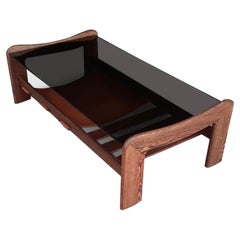

Mid-20th Century Brazilian Brutalist Coffee and Cocktail Tables
Leather, Cut Glass, Wenge
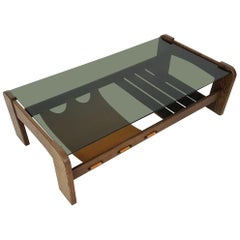
Vintage 1970s Brazilian Dining Room Chairs
Wood, Fabric
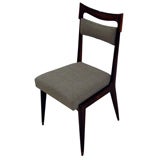
20th Century Brazilian Mid-Century Modern Armchairs
Leather, Wool, Rosewood
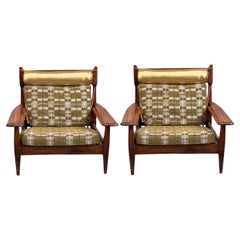
Vintage 1970s Brazilian Mid-Century Modern Sofas
Leather, Rosewood
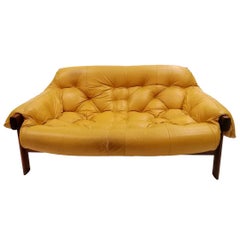
Vintage 1970s Brazilian Mid-Century Modern Lounge Chairs
Metal, Steel
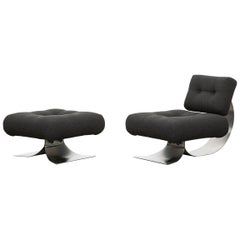
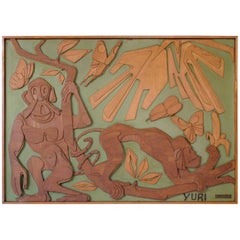
Late 20th Century Brazilian Brutalist Wall-mounted Sculptures
Wood
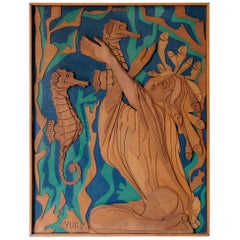
Late 20th Century Brazilian Brutalist Wall-mounted Sculptures
Wood
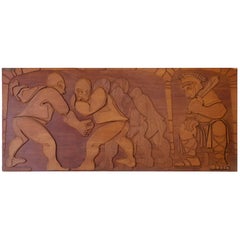
Late 20th Century Brazilian Brutalist Wall-mounted Sculptures
Wood
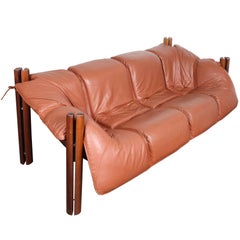
Vintage 1970s Brazilian Mid-Century Modern Sofas
Leather
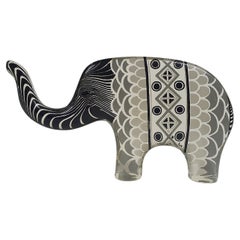
Mid-20th Century Brazilian Mid-Century Modern Animal Sculptures
Art Glass
Late 20th Century Brazilian Mid-Century Modern Abstract Sculptures
Marble, Bronze

Vintage 1970s Brazilian Mid-Century Modern Lounge Chairs
Leather

Vintage 1970s Brazilian Modern Living Room Sets
Leather, Resin, Wood
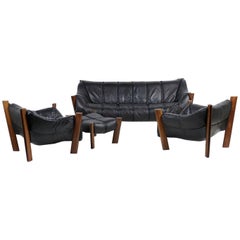
Vintage 1970s South American Mid-Century Modern Lounge Chairs
Leather, Wood
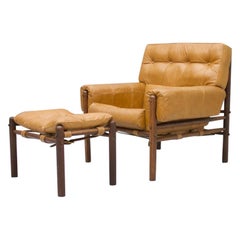
Mid-20th Century Brazilian Mid-Century Modern Sofas
Leather
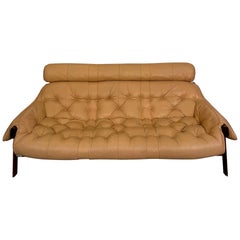
Vintage 1970s Dutch Brutalist Sofas
Leather, Wood
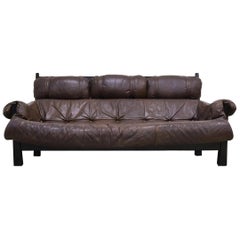
Mid-20th Century Brazilian Mid-Century Modern Sofas
Leather
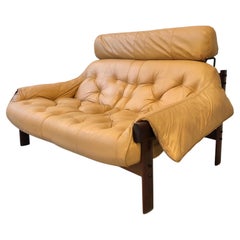
20th Century Brazilian Mid-Century Modern Animal Sculptures
Lucite

Late 20th Century Brazilian Mid-Century Modern Animal Sculptures
Lucite
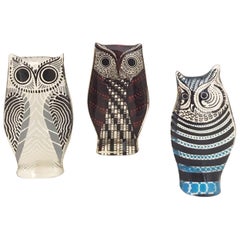
Vintage 1970s Brazilian Ottomans and Poufs
Leather, Rosewood
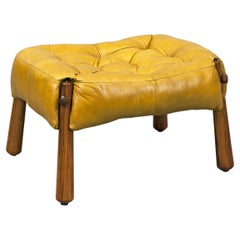
Mid-20th Century Brazilian Mid-Century Modern Lounge Chairs
Leather, Wood

Vintage 1960s Brazilian Armchairs
Chrome
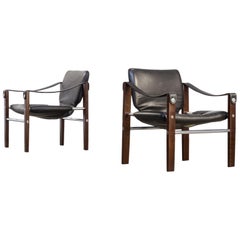
Vintage 1970s Brazilian Mid-Century Modern Barware
Agate, Multi-gemstone
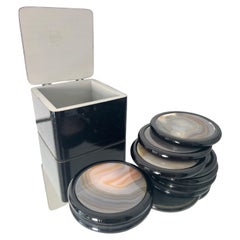
- 1
Brazil Furniture 1970s For Sale on 1stDibs
How Much are Brazil Furniture 1970s?
- What is 1970s furniture called?1 Answer1stDibs ExpertMarch 15, 2024What 1970s furniture is called varies. Generally, you may see pieces produced during the decade classified as "vintage" or "retro" furniture. During the 1970s, some makers continued to produce furniture that boasted the characteristics of mid-century modern works. The disco era yielded furnishings with organic, often rounded shapes, unadorned silhouettes, clean lines and a mix of materials. The showy leather furniture of the 1970s, which was both sexy and comfortable, is seeing a resurgence in today’s homes. Shop a wide variety of vintage 1970s furniture on 1stDibs.
- What was worn in the 1970s?1 Answer1stDibs ExpertFebruary 22, 2021Fashion during the 1970s included lots of T-shirts, cardigans, kimonos, graphic tees, jeans, khakis, and vintage clothes. In the mid-1970s, other fashion highlights included puffy skirts and shirts with flowy sleeves.
- 1stDibs ExpertApril 5, 2022Yes, sequins were indeed popular in the 1970s and could be seen on the dancefloors and discos of the time, along with other popular fabrics like velvet and satin. Sequins and hot pants were the go-to outfit of the disco-glam decade. Shop iconic vintage and contemporary sequin clothing from some of the world’s top boutiques on 1stDibs.
- Was velvet used in the 1970s?1 Answer1stDibs ExpertJune 15, 2023Yes, velvet was used in the 1970s. Fashion designers used the fabric to produce dresses, bell bottoms, flowy kimonos and other pieces. Furniture makers often used it as the upholstery on sofas and armchairs. On 1stDibs, shop a variety of pieces from the 1970s.
- Are the 1970s mid-century?1 Answer1stDibs ExpertFebruary 17, 2023No, the 1970s are generally not considered to fall within the era identified as mid-century. With respect to mid-century modern design, while there is some debate between collectors and design experts about the specific time period that saw the emergence of the style, most furniture enthusiasts agree that by the late 1960s, interest in MCM had largely declined. Writer Cara Greenberg, who coined the term “mid-century modernism,” suggests that “the period from the end of World War II to 1960 – from V-J Day to JFK – was the heyday of innovative furniture design in America.” Mid-century modern furniture is characterized by clean lines and inviting, organic shapes. Furniture makers of the era believed that good design was an essential part of good living. Find a variety of vintage mid-century modern furniture and decorative objects on 1stDibs.
- 1stDibs ExpertApril 5, 2022To tell if a dress is from the 1960s or 1970s, first look for a label. You may be able to determine the approximate date of the dress simply by researching the designer using reputable online sources. Also, check the zippers. Dresses from the 1960s will usually have metal or nylon zippers. Ones from the 1970s are more likely to be plastic. You'll find a large selection of vintage dresses on 1stDibs.
- 1stDibs ExpertApril 5, 2022Go-go boots were fashionable in the late 1960s through the 1970s. A calf-length to knee-length boot became synonymous with 1960s and 1970s fashion and is still highly coveted today by fashion enthusiasts. Shop a wide range of vintage go-go boots on 1stDibs.
- 1stDibs ExpertNovember 4, 2024To identify 1800s furniture, first check to see if your piece bears any maker's marks. Should you locate any, researching them using trusted online resources can help you determine the maker and age of your furniture. To determine if unmarked pieces date back to the 19th century, look for tool marks and variations in their carvings and ornamentation. Since 19th-century furniture was handmade, you should expect to find these signs of hand craftsmanship. A piece that shows no marks or inconsistencies in details is likely a contemporary machine-made reproduction. Familiarizing yourself with the characteristics of Rococo, Chippendale, Gothic Revival, neoclassical and other 19th-century styles can also be helpful. If you struggle to make an identification, consider consulting a certified appraiser or knowledgeable antique dealer. On 1stDibs, find a range of 19th-century furniture.
- 1stDibs ExpertFebruary 13, 2023Furniture from the 1960s is often called mid-century modern. This style emphasizes the importance of good design that looks attractive and performs its function well. Notable mid-century modern designers include Eero Saarinen, George Nelson, Florence Knoll and Charles and Ray Eames. On 1stDibs, shop a selection of mid-century modern furniture.
- What is 1950s furniture called?1 Answer1stDibs ExpertSeptember 23, 20241950s furniture is called vintage furniture. Some pieces produced during this period may be considered mid-century modern based on their characteristics. Mid-century modern design refers to the variety of modernism that rose to prominence in the 1940s and ’50s. It displays many of the characteristics of the earlier versions of modernism, including simple forms and a focus on functionality. Other traits common in mid-century modern furniture include unadorned silhouettes, clean lines and mixed materials, emphasizing wood, wool, steel and plastic. On 1stDibs, explore a large collection of 1950s furniture.
- What is ’70s furniture called?1 Answer1stDibs ExpertSeptember 23, 2024What ’70s furniture is called depends on its style. Generally, pieces from this decade can be called vintage furniture. However, pieces with certain stylistic characteristics have other names. For example, some 1970s furniture is mid-century modern. The style, which emerged primarily in the years following World War II, was developed in an energetic, optimistic spirit by creators who believed that good design was an essential part of good living. On 1stDibs, shop a variety of 1970s furniture.
- What is 1920s furniture called?1 Answer1stDibs ExpertNovember 13, 2024What 1920s furniture is called depends on its style. However, the most prominent design style of the decade was Art Deco. The term alone conjures visions of the Roaring Twenties, Machine Age metropolises, vast ocean liners, sleek typography and Prohibition-era hedonism. The iconic movement made an indelible mark on all fields of design throughout the 1920s and ’30s, celebrating society’s growing industrialization with refined elegance and stunning craftsmanship. Art Deco furniture often featured bold geometric lines, floral forms, shimmering mirrored finishes, sleek metal accents, and the use of expensive materials such as shagreen or marble as well as exotic woods such as mahogany, ebony and zebra wood. On 1stDibs, find a diverse assortment of Art Deco furniture.
- 1stDibs ExpertNovember 26, 2024To identify 1930s furniture, first see if you can spot a maker's mark in hidden areas, such as the back, base, inside of drawers or under tabletops and seats. Trusted online resources can help you determine who produced your furniture based on these markings, and from there, you can research more to get a rough idea of how old your item is. A piece's characteristics can also be helpful when dating furniture. Many items made during the 1930s are examples of Art Deco furniture. Art Deco furniture is characterized by geometric patterns and luxurious materials, such as shagreen, marble, mother of pearl, mirrored glass, exotic animal hides and rare woods like mahogany, ebony and zebra wood. A certified appraiser or experienced antique dealer can provide an expert opinion on when your piece was likely made. On 1stDibs, explore a range of 1930s furniture.
- 1stDibs ExpertMay 5, 2023Which clothing style was most popular in the discos in the 1970s is open to debate. Some of the trends of the discotheque scene included sleeveless, sequined tops paired with bell bottoms and knee-length halter dresses topped off with tall go-go boots. For men, jumpsuits and leisure suits were the favorite looks. Both men and women often wore shoes with chunky heels and thick platforms. On 1stDibs, find an assortment of 1970s vintage clothing and accessories.
- 1stDibs ExpertJanuary 27, 2025The designer who became famous with her wrap dresses in the 1970s is Diane von Furstenberg. She debuted her first example in 1974. When creating the Wrap dress, von Furstenberg drew inspiration from the skirts worn by ballerinas. In celebration of the 40th anniversary of the now-iconic dress, an exhibit called Diane von Furstenberg: Journey of a Dress was held at museums in the United States and abroad. On 1stDibs, explore a range of Diane von Furstenberg apparel and accessories.
- 1stDibs ExpertFebruary 1, 2024Generally, 1960s-style furniture is called mid-century modern. The style, which emerged primarily in the years following World War II, is characterized by pieces that were conceived and made in an energetic, optimistic spirit by creators who believed that good design was an essential part of good living. Some of the most notable furniture designers of the time include Charles and Ray Eames, Arne Jacobsen, Eero Saarinen and Hans J. Wegner. On 1stDibs, shop a variety of mid-century modern furniture.
- 1stDibs ExpertNovember 13, 2024The best-known 1950s furniture style is called mid-century modern. Organically shaped, clean-lined and elegantly simple are three phrases that describe vintage mid-century modern furniture. The style emerged primarily in the years following World War II through creators who believed that good design was an essential part of good living. Mid-century modern designers combined natural and human-made materials, such as teak, rosewood and oak woods as well as steel, fiberglass and molded plywood. Some well-known mid-century modern designers include Charles and Ray Eames, Eero Saarinen, Milo Baughman, Florence Knoll, Harry Bertoia, Isamu Noguchi and George Nelson. On 1stDibs, shop a large selection of mid-century modern furniture.
- 1stDibs ExpertApril 5, 2022After the success of his “Sol” series in the 1960s, Richard Anuszkiewicz began to focus on his “Centered Square” designs in the mid-1970s. He used interacting colors to change the perception of the art in the eye of the viewer. You can shop a selection of Richard Anuszkiewicz pieces from some of the world’s top art dealers on 1stDibs.
Read More
A Basket-Weave Pattern Adds Country Charm to Paolo Buffa’s Elegant Cabinet
With its grid-like doors and wavy trim, the 1940s design feels as fresh as ever.
This Paavo Tynell Chandelier Is a Radiant Bouquet
The alluring pendant light exemplifies the designer’s winsome mid-career work.
End Your Quest for Fire with This Handmade Majolica Chimney
Prehistoric motifs give the mid-century Italian fireplace an elemental feel.
Who Were Guillerme et Chambron? French Veterans of WWII with a Knack for Clever, Quirky and Livable Furniture
Their charming solid-oak pieces offer homes utility and comfort.
39 Incredible Swimming Pools
It's hard to resist the allure of a beautiful pool. So, go ahead and daydream about whiling away your summer in paradise.
The 21 Most Popular Mid-Century Modern Chairs
You know the designs, now get the stories about how they came to be.
Iconic Furniture Makes This 1958 Midwestern Home a True Mid-Century Gem
Designer Susan Yeley turned to 1stDibs to outfit an Indiana home with standout pieces that complement its modernist style.
The Ultimate Guide to Types of Tables for the Home
Whether you’re just moving in or ready to give your home a makeover, our guide will give you pointers on tables that are fitting for every room, nook and hallway.