Brazilian Colonial Furniture
Vintage 1940s Brazilian Other Sideboards
Wood
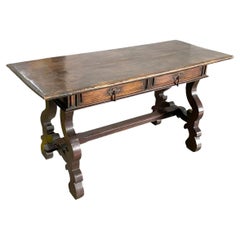
Antique 1740s Brazilian Other Dining Room Tables
Wrought Iron
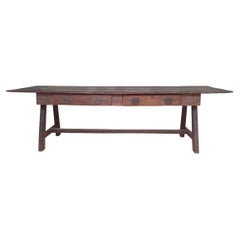
Antique Late 19th Century Brazilian Other Dining Room Tables
Wood
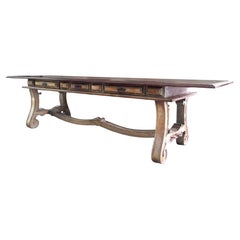
Antique Late 18th Century Brazilian Other Wardrobes and Armoires
Wood
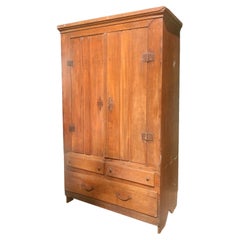
Antique Late 19th Century Brazilian Neoclassical Revival Benches
Wood
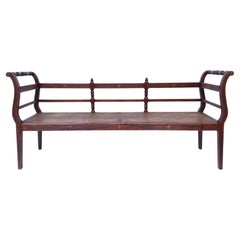
Antique Late 18th Century Brazilian Baroque Cupboards
Wrought Iron
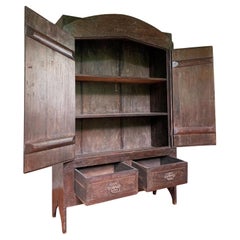
Antique Early 19th Century Brazilian Other Cupboards
Wood
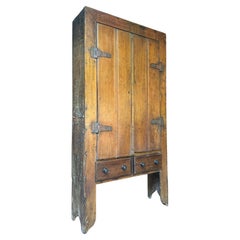
Antique Mid-19th Century Brazilian Other Blanket Chests
Wood
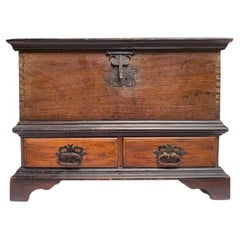
Antique 1850s Brazilian Spanish Colonial Decorative Boxes
Brass
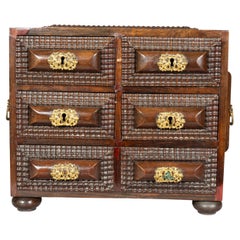
Antique 1760s Brazilian Other Benches
Wood
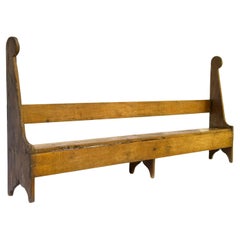
Antique 18th Century Brazilian Other Dining Room Tables
Wood
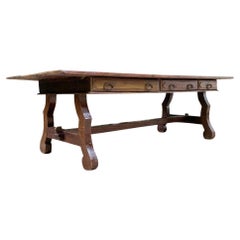
Antique 1750s Brazilian Other Farm Tables
Wood
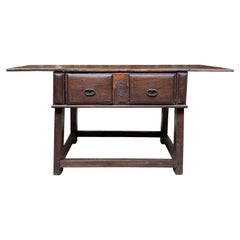
Antique Mid-18th Century Brazilian Other Painted Furniture
Wood
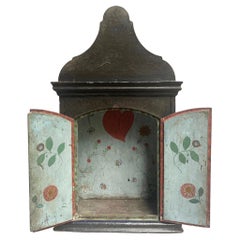
Antique Early 18th Century Brazilian Other Blanket Chests
Wrought Iron
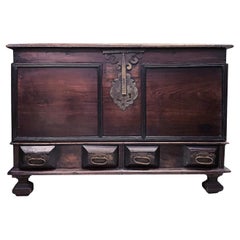
Antique 1780s Brazilian Other Wardrobes and Armoires
Wood
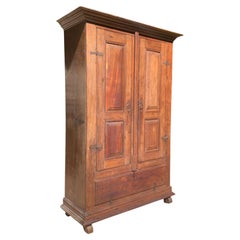
Vintage 1930s Brazilian Other Cupboards
Wood
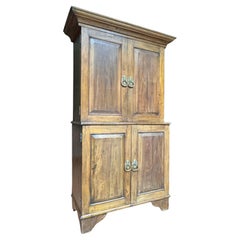
Antique Mid-18th Century Brazilian Other Painted Furniture
Wood
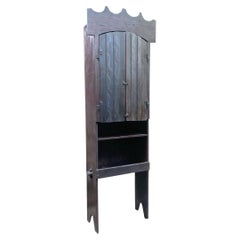
Antique 1750s Brazilian Other Dining Room Tables
Wood
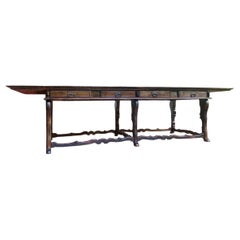
Antique Late 18th Century Brazilian Baroque Dining Room Tables
Wood
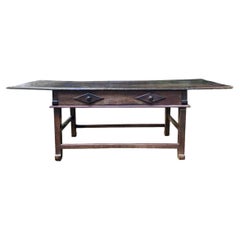
Antique 1750s Other Console Tables
Wood
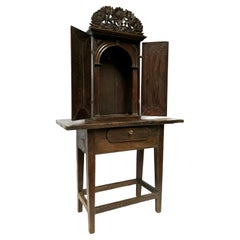
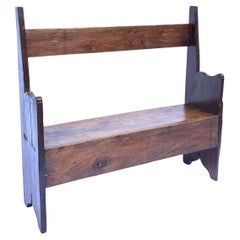
Antique 1860s Brazilian Other Benches
Wood
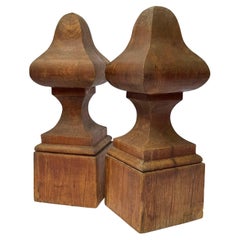
Antique 1850s Brazilian Other Architectural Elements
Wood
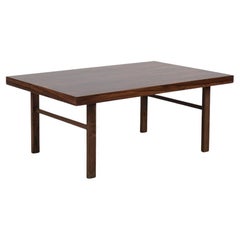
Vintage 1960s Brazilian Mid-Century Modern Coffee and Cocktail Tables
Rosewood

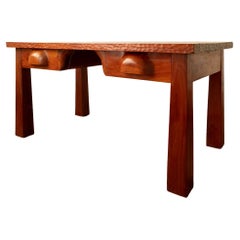
Late 20th Century Brazilian Spanish Colonial Desks and Writing Tables
Wood
Vintage 1940s Dutch Drawings
Paper
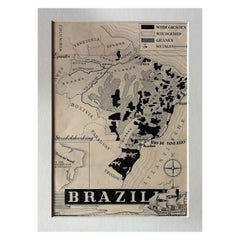
Antique Mid-19th Century Brazilian Spanish Colonial Center Tables
Walnut
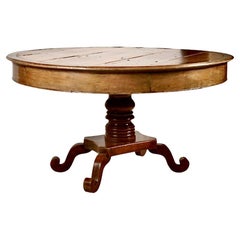
Antique Late 18th Century Brazilian Other Dining Room Tables
Wood
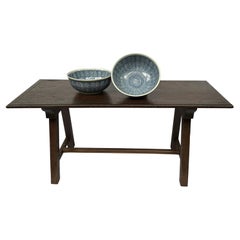
Mid-20th Century Brazilian British Colonial Serving Pieces
Pewter
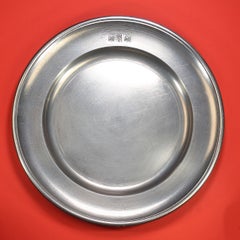
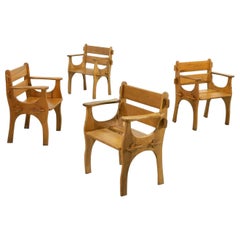
Vintage 1950s Spanish Colonial Armchairs
Wood
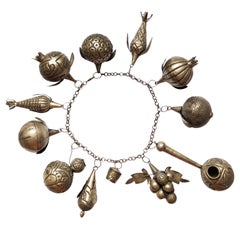
Mid-20th Century Brazilian American Colonial Tribal Art
Tin
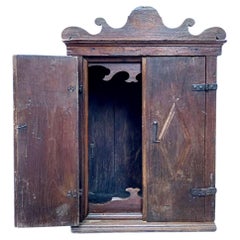
Antique Late 17th Century Brazilian Baroque Religious Items
Cedar
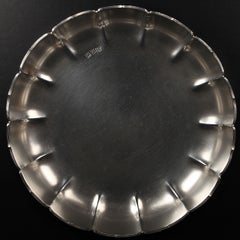
Late 20th Century Brazilian British Colonial Serving Pieces
Pewter
Mid-20th Century Brazilian British Colonial Serving Pieces
Pewter
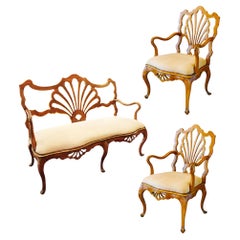
Antique 18th Century Brazilian Rococo Armchairs
Hardwood, Harewood
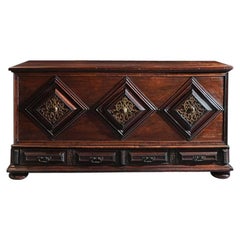
Antique Late 17th Century Brazilian Trunks and Luggage
Brass, Iron
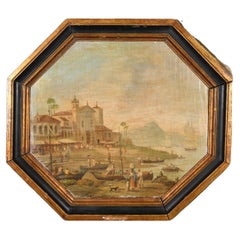
Antique Early 19th Century Brazilian Spanish Colonial Paintings
Canvas
20th Century Brazilian Spanish Colonial Dressers
Mahogany
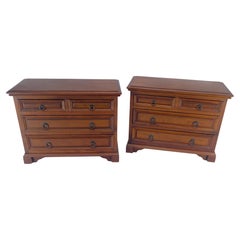
Antique 1880s Brazilian British Colonial Pitchers
Pewter
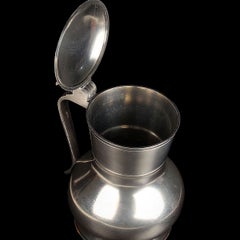
Vintage 1980s Brazilian British Colonial Serving Pieces
Pewter
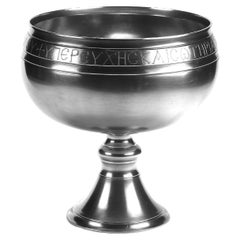
Late 20th Century Brazilian British Colonial Pitchers
Pewter
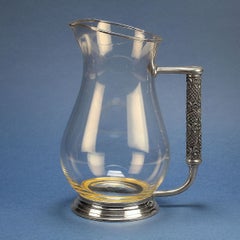
Antique 15th Century and Earlier Brazilian British Colonial Decorative B...
Pewter
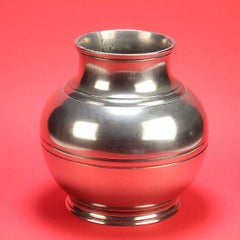
Antique Late 18th Century Brazilian Religious Items
Stone
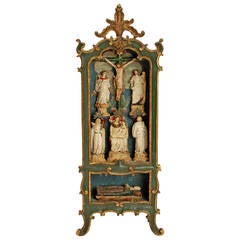
20th Century Brazilian Side Tables
Hardwood, Oak
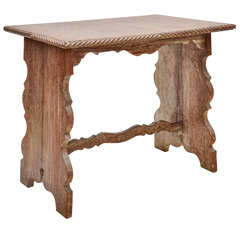
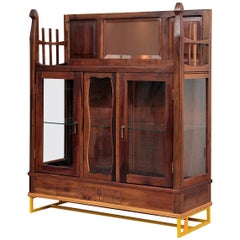
Antique Late 18th Century Brazilian Cabinets
Wood
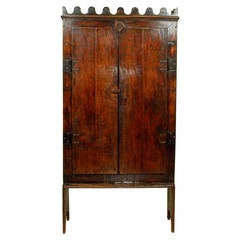
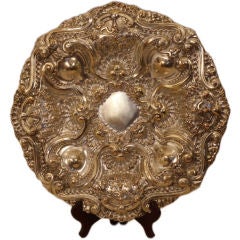
Antique 18th Century and Earlier Platters and Serveware
Silver
20th Century Brazilian Colonial Revival Antiquities
Wood
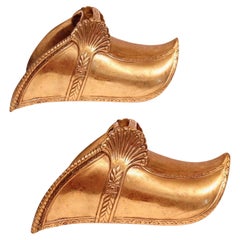
Antique 19th Century Brazilian Spanish Colonial Arms, Armor and Weapons
Brass
21st Century and Contemporary Brazilian Colonial Revival Card Tables and...
Steel

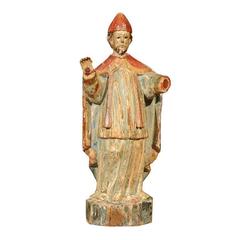
Antique Early 19th Century Brazilian Primitive Figurative Sculptures
Wood
Mid-20th Century Brazilian Spanish Colonial Lounge Chairs
Leather, Oak
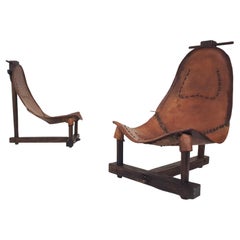
21st Century and Contemporary Brazilian British Colonial North and South...
Cowhide
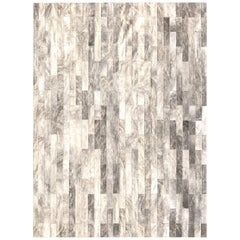
Vintage 1950s Brazilian Mid-Century Modern Ottomans and Poufs
Leather, Rosewood
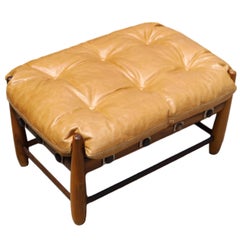
Vintage 1950s Brazilian Mid-Century Modern Ottomans and Poufs
Leather, Rosewood
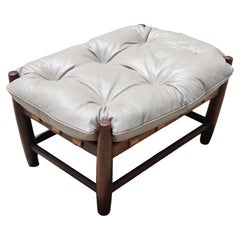
Antique Mid-19th Century Brazilian Baroque Tables
Mahogany, Rosewood
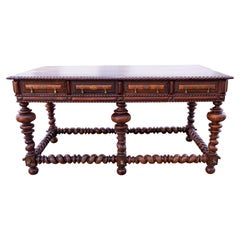
Antique 18th Century and Earlier Brazilian Commodes and Chests of Drawers
Rosewood
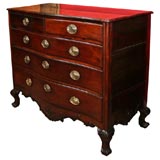
Antique 1760s Brazilian Rococo Desks
Rosewood
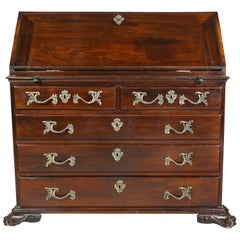
Antique 19th Century Brazilian Benches
Rosewood
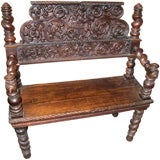
- 1
Brazilian Colonial Furniture For Sale on 1stDibs
How Much is a Brazilian Colonial Furniture?
On the Origins of Brazil
More often than not, vintage mid-century Brazilian furniture designs, with their gleaming wood, soft leathers and inviting shapes, share a sensuous, unique quality that distinguishes them from the more rectilinear output of American and Scandinavian makers of the same era.
Commencing in the 1940s and '50s, a group of architects and designers transformed the local cultural landscape in Brazil, merging the modernist vernacular popular in Europe and the United States with the South American country's traditional techniques and indigenous materials.
Key mid-century influencers on Brazilian furniture design include natives Oscar Niemeyer, Sergio Rodrigues and José Zanine Caldas as well as such European immigrants as Joaquim Tenreiro, Jean Gillon and Jorge Zalszupin. These creators frequently collaborated; for instance, Niemeyer, an internationally acclaimed architect, commissioned many of them to furnish his residential and institutional buildings.
The popularity of Brazilian modern furniture has made household names of these designers and other greats. Their particular brand of modernism is characterized by an émigré point of view (some were Lithuanian, German, Polish, Ukrainian, Portuguese, and Italian), a preference for highly figured indigenous Brazilian woods, a reverence for nature as an inspiration and an atelier or small-production mentality.
Hallmarks of Brazilian mid-century design include smooth, sculptural forms and the use of native woods like rosewood, jacaranda and pequi. The work of designers today exhibits many of the same qualities, though with a marked interest in exploring new materials (witness the Campana Brothers' stuffed-animal chairs) and an emphasis on looking inward rather than to other countries for inspiration.
Find a collection of vintage Brazilian furniture on 1stDibs that includes chairs, sofas, tables and more.
- 1stDibs ExpertNovember 4, 2024To identify Colonial furniture, first look the piece over from top to bottom. If you see any maker's marks, conduct research using trusted online resources to find out who produced your item and when the maker was in business. Pieces made in the USA between the mid-16th and mid-17th centuries are usually classified as Colonial. Should you be unable to locate a marking, the materials and style can provide clues.
Most Colonial furniture was made of pine, elm, oak, mahogany or walnut wood. During the period, furniture tended to be simple overall, but it did include a few flourishes, such as turned cabriole legs. Because Colonial furniture was handcrafted, furnishings produced during the era usually have visible tool marks and slight irregularities in their carvings. Because there are numerous reproductions of Colonial pieces, you may wish to seek the opinion of a certified appraiser or knowledgeable antique dealer.
On 1stDibs, shop an assortment of Colonial furniture.