Brazilian Wood Carving
Mid-20th Century Brazilian Folk Art Sculptures and Carvings
Wood


Antique 19th Century Brazilian Primitive Natural Specimens
Wood
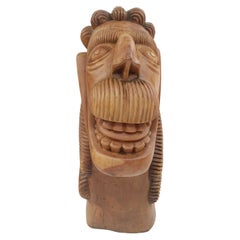
Recent Sales
2010s Brazilian Folk Art Sculptures and Carvings
Wood
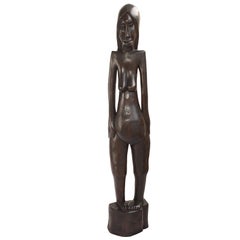
2010s Brazilian Folk Art Sculptures and Carvings
Wood
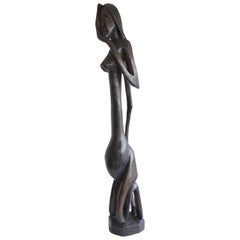
2010s Brazilian Folk Art Sculptures and Carvings
Wood
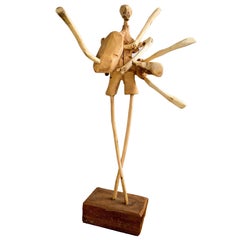
2010s Brazilian Folk Art Sculptures and Carvings
Wood
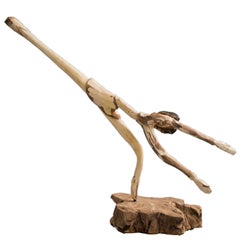
2010s Brazilian Folk Art Sculptures and Carvings
Wood
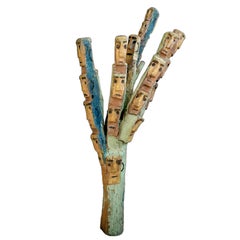
2010s Brazilian Folk Art Sculptures and Carvings
Wood
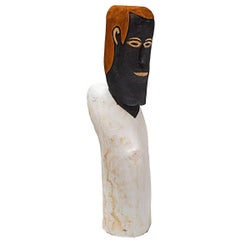
2010s Brazilian Folk Art Sculptures and Carvings
Wood
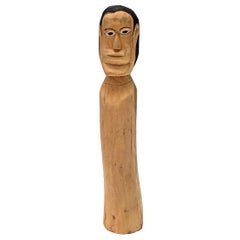
Vintage 1970s Brazilian Folk Art Sculptures and Carvings
Other
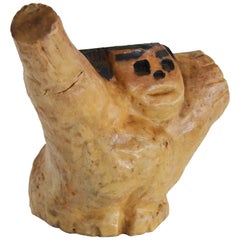
2010s Brazilian Folk Art Sculptures and Carvings
Wood
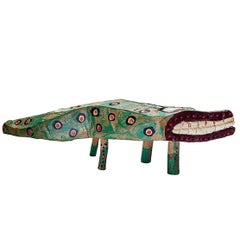
2010s Brazilian Folk Art Sculptures and Carvings
Wood
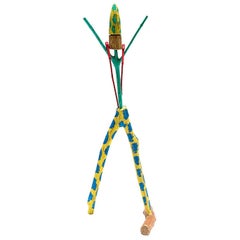
2010s Brazilian Folk Art Sculptures and Carvings
Wood
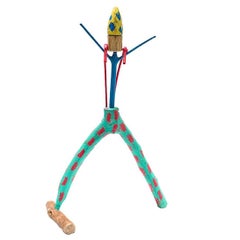
2010s Brazilian Folk Art Sculptures and Carvings
Wood
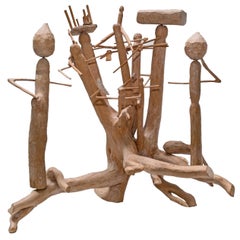
Vintage 1970s Brazilian Folk Art Sculptures and Carvings
Other
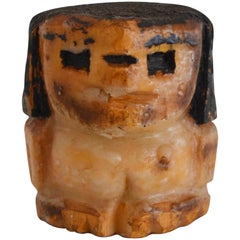
2010s Brazilian Folk Art Sculptures and Carvings
Wood
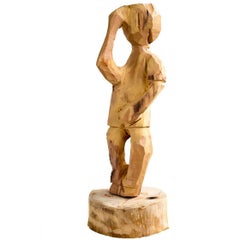
2010s Brazilian Folk Art Sculptures and Carvings
Wood
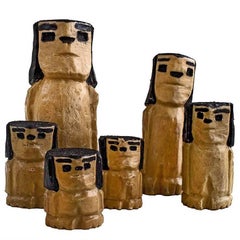
2010s Brazilian Folk Art Sculptures and Carvings
Wood
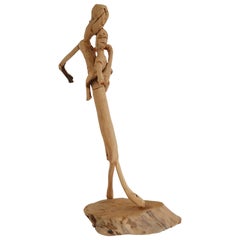
2010s Brazilian Folk Art Sculptures and Carvings
Wood
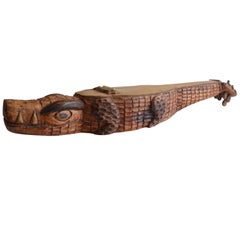
2010s Folk Art Sculptures and Carvings
Wood
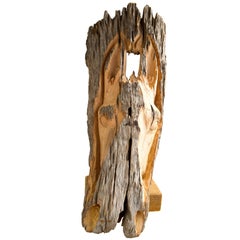
2010s Brazilian Folk Art Sculptures and Carvings
Wood
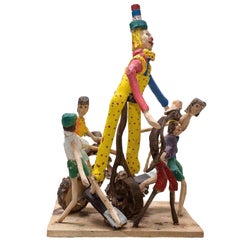
2010s Folk Art Sculptures and Carvings
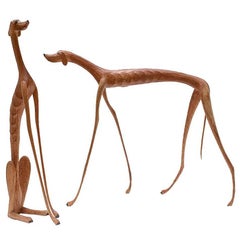
2010s Folk Art Sculptures and Carvings
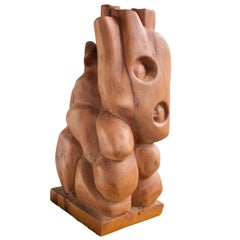
2010s Folk Art Sculptures and Carvings
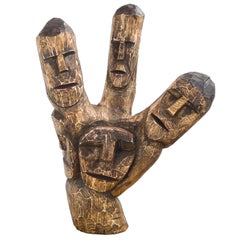
Mid-20th Century Brazilian Modern Animal Sculptures
Wood
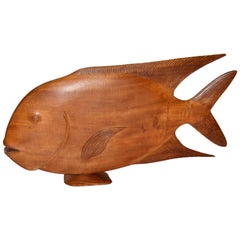
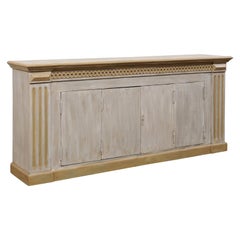
20th Century Brazilian Buffets
Wood
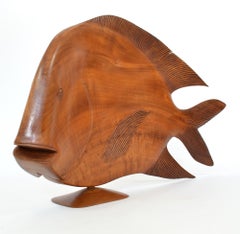
20th Century Brazilian Modern Animal Sculptures
Wood
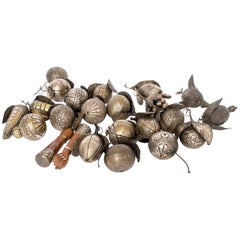
Antique Late 19th Century Brazilian Tribal Sculptures and Carvings
Metal
Late 20th Century Brazilian Folk Art Sculptures and Carvings
Wood
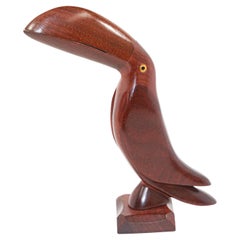
Vintage 1950s Brazilian Primitive Animal Sculptures
Wood
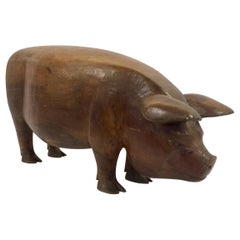
2010s Brazilian Folk Art Sculptures and Carvings
Wood
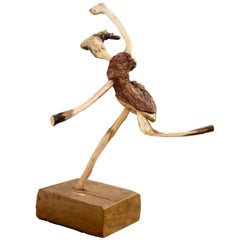
People Also Browsed
Late 20th Century Moroccan Bohemian Urns
Ceramic
Vintage 1960s Brazilian Mid-Century Modern Dining Room Tables
Concrete, Metal
Vintage 1960s Brazilian Mid-Century Modern Lounge Chairs
Fabric, Faux Leather
2010s Italian Modern Wall Lights and Sconces
Brass
Mid-20th Century Danish Scandinavian Modern Blanket Chests
Brass
Antique 1890s Prints
Paper
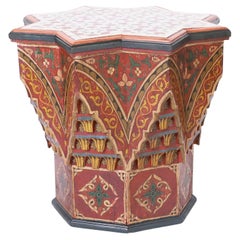
Early 20th Century Moroccan Moorish Side Tables
Porcelain, Hardwood
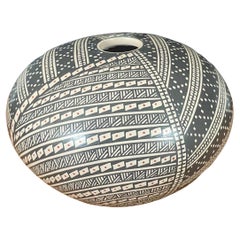
Late 20th Century Mexican Vases
Pottery
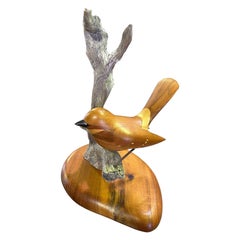
Vintage 1980s American Modern Sculptures and Carvings
Wood
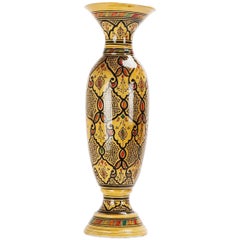
1990s Moroccan Tribal Vases
Pottery
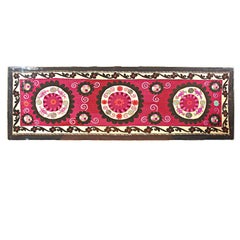
Early 20th Century Turkish Suzani Textiles
Linen, Silk, Lucite
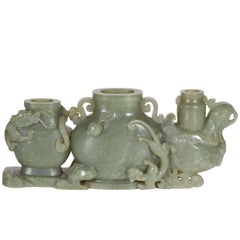
Antique 19th Century Chinese Qing Scholar s Objects
Jade
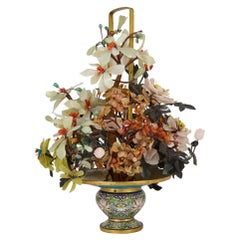
20th Century Chinese Models and Miniatures
Jade, Carnelian, Stone, Enamel
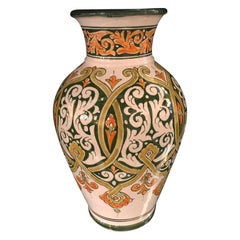
1990s Moroccan Moorish Vases
Ceramic
20th Century Indian Moorish Pillows and Throws
Fabric, Damask, Silk
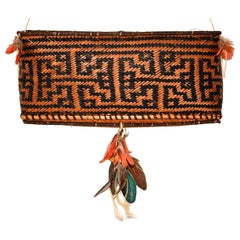
Late 20th Century Brazilian Native American Native American Objects
Other
Brazilian Wood Carving For Sale on 1stDibs
How Much is a Brazilian Wood Carving?
A Close Look at Folk-art Furniture
Folk art is a genre of art that shares the creator’s traditions, offering not just an artistic display but an opportunity to learn about a culture. Antique, new and vintage folk art typically reflects a heritage or location. It can include utilitarian objects and handmade art as diverse as weather vanes, duck decoys, portraiture and paintings, carnival art and quilts.
Quilts are a quintessential part of American folk art but their roots are international, with quilting dating back to Ancient Egypt. The practice spread to Europe and was especially prominent in the Middle Ages, with one of the oldest surviving examples being the Tristan quilt made in Sicily in the 14th century. They were made as bedcovers and clothing, including as a layer for knights to wear beneath their armor. Native American folk art includes functional objects reflecting their heritage, such as baskets, textiles and wooden pieces.
Elsewhere, the vast range of work associated with Mexican folk art includes masks made by Mexican craftspeople for traditional celebrations and ceremonial dances. Mexican masks are part of the country’s folk-art traditions that go back thousands of years and play a role in festivals and theater.
Works in the folk art tradition are valuable because of the skills involved, like weaving, hand-carving wood and even stonework. Many folk artists are self-taught, while some train as apprentices within their community. By using available materials and taking a personal approach to their creations, artists ensure each piece is unique and conveys a story.
During the Great Depression, artistic materials in America were hard to come by, so artisans used discarded wood from cigar boxes and shipping crates to make highly stylized, notched pieces — most often picture frames and boxes — that are today sought after by collectors. This folk art style is called tramp art and was popular from roughly 1870 until the 1940s.
Folk art brings vibrant culture and traditions into your home. Browse an extensive collection of antique, new and vintage folk art on 1stDibs.
On the Origins of Brazilian
More often than not, vintage mid-century Brazilian furniture designs, with their gleaming wood, soft leathers and inviting shapes, share a sensuous, unique quality that distinguishes them from the more rectilinear output of American and Scandinavian makers of the same era.
Commencing in the 1940s and '50s, a group of architects and designers transformed the local cultural landscape in Brazil, merging the modernist vernacular popular in Europe and the United States with the South American country's traditional techniques and indigenous materials.
Key mid-century influencers on Brazilian furniture design include natives Oscar Niemeyer, Sergio Rodrigues and José Zanine Caldas as well as such European immigrants as Joaquim Tenreiro, Jean Gillon and Jorge Zalszupin. These creators frequently collaborated; for instance, Niemeyer, an internationally acclaimed architect, commissioned many of them to furnish his residential and institutional buildings.
The popularity of Brazilian modern furniture has made household names of these designers and other greats. Their particular brand of modernism is characterized by an émigré point of view (some were Lithuanian, German, Polish, Ukrainian, Portuguese, and Italian), a preference for highly figured indigenous Brazilian woods, a reverence for nature as an inspiration and an atelier or small-production mentality.
Hallmarks of Brazilian mid-century design include smooth, sculptural forms and the use of native woods like rosewood, jacaranda and pequi. The work of designers today exhibits many of the same qualities, though with a marked interest in exploring new materials (witness the Campana Brothers' stuffed-animal chairs) and an emphasis on looking inward rather than to other countries for inspiration.
Find a collection of vintage Brazilian furniture on 1stDibs that includes chairs, sofas, tables and more.
Finding the Right Sculptures for You
Styling your home with vintage, new and antique sculptures means adding a touch that can meaningfully transform the space. By introducing a sculptural work as a decorative finish to any interior, you’re making a statement, whether you tend toward the dramatic or prefer to keep things casual with modest, understated art.
A single, one-of-a-kind three-dimensional figurative sculpture mounted on your dining room wall is a guaranteed conversation piece, while a trio of abstract works arranged on your living room bookshelves can add spontaneity to the collection of first-edition novels or artist monographs you’re displaying as well as draw attention to them. Figurative sculptures are representational works that portray a specific person, animal or object. And while decorating with busts, which are sculpted or cast figurative works, hasn’t exactly topped the list of design trends every year, busts are back. According to designer Timothy Corrigan, “They give humanity in a way that a more abstract sculpture can’t give.” Abstract sculptures, on the other hand, are not meant to show something specific. Instead, they invoke a mood or scene without directly stating what they are portraying.
Busts made of stone or metal may not seem like a good fit for your existing decor. Fortunately, there are many ways for a seemingly incongruous piece to fit in with the rest of your room’s theme. You can embrace a dramatic piece by making it the focal point of the room, or you can choose to incorporate several elements made out of the same material to create harmony in your space. If an antique or more dramatic piece doesn’t feel like you, why not opt for works comprising plastic, fiberglass or other more modern materials?
When incorporating sculpture into the design of your home — be it the playful work of auction hero and multimedia visionary KAWS, contemporary fiber art from Connecticut dealer browngrotta arts or still-life sculpture on a budget — consider proper lighting, which can bring out the distinctive aspects of your piece that deserve attention. And make sure you know how the size and form of the sculpture will affect your space in whole. If you choose a sculpture with dramatic design elements, such as sharp angles or bright colors, for example, try to better integrate this new addition by echoing those elements in the rest of your room’s design.
Get started on decorating with sculpture now — find figurative sculptures, animal sculptures and more on 1stDibs today.
- 1stDibs ExpertApril 5, 2022There are many methods and types of wood carving, including chip, relief, Scandinavian flat-plane, lovespoon, whittling and florentine. Each type uses different tools and can create decorative carvings on both display pieces and furniture. Browse a wide range of carved wood pieces on 1stDibs.
- What is Japanese wood carving?1 Answer1stDibs ExpertApril 5, 2022Japanese wood carving is an art form in which artists produce intricate figurines and other objects by cutting and shaping blocks of zelkova, camphor or paulownia wood. In Japanese, the artwork is known as inami. Find a selection of Japanese wood carvings on 1stDibs.
- What is Chinese wood carving?1 Answer1stDibs ExpertApril 5, 2022A Chinese wood carving is a decorative object carved by hand by Chinese artisans out of local wood, such as nanmu, zitan, bomu or yinxing. This form of sculpture is sometimes called mudiao. On 1stDibs, find a range of Chinese wood carvings.
- What is a Paete wood carving?1 Answer1stDibs ExpertMay 5, 2023A Paete wood carving is a decorative wooden object produced by artisans in Paete, Philippines. In 2005, the village was officially dubbed the Woodcarving Capital of the Philippines due to the intricate sculptures and statues produced there. Shop a variety of wood art from some of the world’s top galleries on 1stDibs.
- What is Jepara wood carving?1 Answer1stDibs ExpertApril 5, 2022Jepara wood carving is the intricate wood carving art that comes from the city of Jepara in Indonesia. Artisans typically work with teak wood to create beautiful carved detail and scenes in a piece of furniture. Shop a collection of Jepara wood carvings on 1stDibs.
- 1stDibs ExpertNovember 4, 2024To identify wood carvings, get a magnifying glass and inspect your items. Some artisans marked their carvings with symbols or signed them. Researching any markings found on your carving may allow you to identify the maker who produced it and potentially learn more about the piece from there. If you're unable to find a maker's mark, the best approach is likely to use the services of a certified appraiser or other knowledgeable expert. On 1stDibs, explore a selection of wood carvings.
- 1stDibs ExpertOctober 19, 2021The difference between carving and sculpture is that carving is a carved object, whereas sculpture is the art of shaping figures or designs — because sculpture can involve adding material (i.e., working with plaster, creating a mold to be cast in bronze), it is considered “additive” versus the “subtractive” act of carving.
- 1stDibs ExpertApril 5, 2022In Bali, many different types of woods are used for carving. Some examples include albesia, crocodile wood, rain tree, hibiscus, jackfruit, teak, mahogany and sandalwood. On 1stDibs, you can shop a range of Balinese wood art, furniture and decorative objects.
- 1stDibs ExpertApril 5, 2022Antique carved wood can be identified by how it is made. Antique carvings were done by hand, so nicks and cuts will indicate carvings completed with a plane or knife. In addition, hand-carved wood will not be uniform or have perfect symmetry. Always works with a certified appraiser to determine the exact date and value of an item. Find a variety of antique carved wood furniture and decor on 1stDibs.
- 1stDibs ExpertJune 15, 2023To tell if wood is hand-carved, first look for small marks in the wood that indicate hand tools were used to cut and shape the material. Hand-carved pieces may also have small irregularities, particularly along curved areas. However, it may be very difficult to tell the difference between machine-worked and hand-carved pieces in some cases. On 1stDibs, shop a range of wood furniture and decorative objects.
- 1stDibs ExpertApril 5, 2022In Bali, Indonesia, Jackfruit is considered the best wood when it comes to carving. Jackfruit is a medium hardwood, resistant to termite attacks and is easy to polish. You’ll find a variety of Indonesian carvings from some of the world’s top sellers on 1stDibs.
- 1stDibs ExpertMarch 31, 2023What wood is used for African wood carvings varies. Iroko, mahogany and ebony are frequently chosen materials, but artisans may choose to work with whatever wood is available in their local areas. Shop a variety of African wood art from some of the world's top galleries on 1stDibs.
- What is carved wood art called?1 Answer1stDibs ExpertMarch 3, 2023What carved wood art is called depends on the type of piece. Three-dimensional pieces created by hand-carving wood are whittlings, while carvings into a flat piece of wood are reliefs. Shop a collection of wood art from some of the world's top galleries on 1stDibs.
- 1stDibs ExpertApril 5, 2022Carved African wood figurines were typically spiritual in nature and were primarily in human form. The wood figurines were carved using ebony, teak, mahogany and iron wood. On 1stDibs, find a collection of authentic African wood figurines from some of the world’s top sellers.