British Colonial Caned Furniture
Vintage 1970s Unknown British Colonial Cabinets
Bamboo, Cane
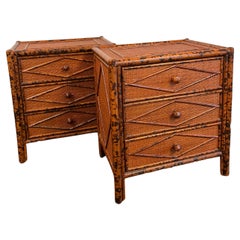
Vintage 1970s Unknown British Colonial Cabinets
Bamboo, Cane
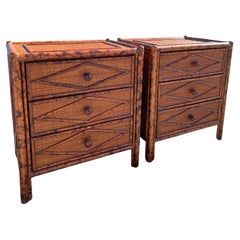
Vintage 1970s Unknown British Colonial Cabinets
Bamboo, Cane
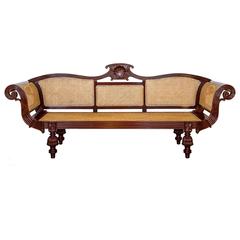
Antique Mid-19th Century Indian British Colonial Furniture
Cane, Mahogany
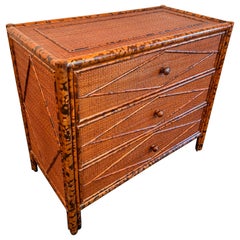
Vintage 1970s Unknown British Colonial Commodes and Chests of Drawers
Bamboo, Cane
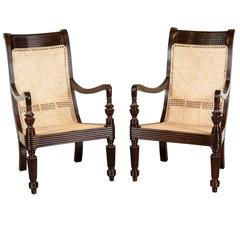
Antique Mid-19th Century Indian Anglo-Indian Furniture
Cane, Rosewood
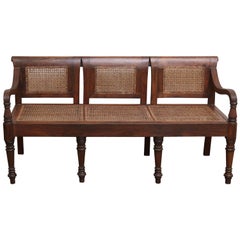
Vintage 1920s Indian Anglo-Indian Benches
Teak
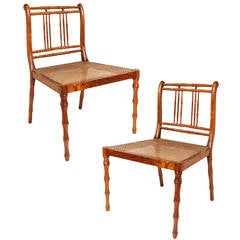
Antique Late 19th Century Indian British Colonial Side Chairs
Cane, Faux Bamboo
Antique Late 19th Century British Indian Ocean Territory British Colonia...
Teak
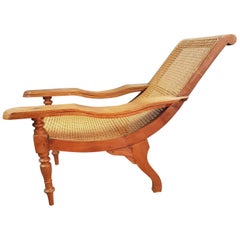
Early 20th Century Indian British Colonial Stools
Cane, Rosewood
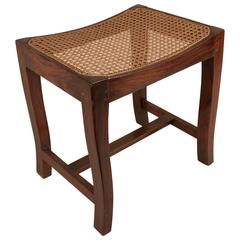
Vintage 1970s American British Colonial Benches
Fabric, Cane, Hardwood
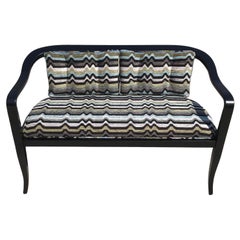
Vintage 1950s British Colonial Armchairs
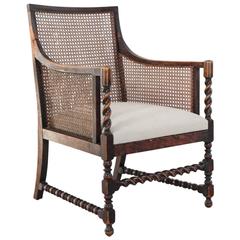
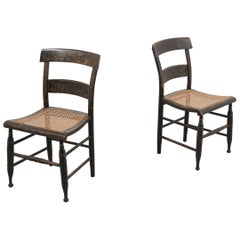
Antique Late 19th Century English British Colonial Side Chairs
Cane, Wood, Walnut, Giltwood, Lacquer, Paint

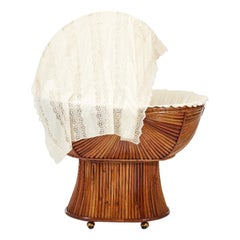
Vintage 1970s Italian British Colonial Children s Furniture
Brass
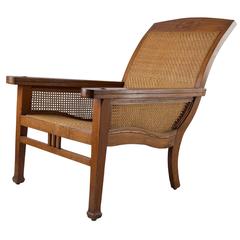
Early 20th Century Unknown British Colonial Lounge Chairs
Cane, Mahogany
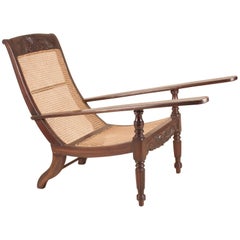
Mid-20th Century Indian British Colonial Lounge Chairs
Cane, Rosewood
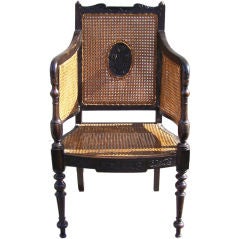
Antique 19th Century Indian Armchairs
Cane
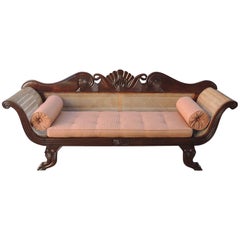
Antique Early 19th Century Caribbean British Colonial Sofas
Cane, Mahogany
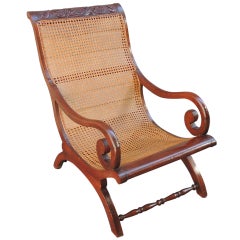
Antique Early 19th Century Jamaican British Colonial Armchairs
Mahogany
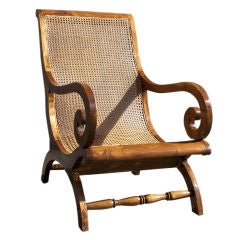
Antique 19th Century Central American British Colonial Lounge Chairs
Cane
- 1
British Colonial Caned Furniture For Sale on 1stDibs
How Much is a British Colonial Caned Furniture?
A Close Look at British-colonial Furniture
Typically made of mahogany, teak or bamboo and featuring a range of fabrics and prints with botanical patterns, antique British Colonial furniture and decor varies as it involved local materials and techniques and spanned centuries of design styles.
As the British Empire expanded from the 16th to the 20th century, its conquest and control of colonies around the world bolstered its wealth through the extraction of resources. Including colonies in the Americas, Africa, Asia and Australasia, this spread of often violent subjugation imposed British culture, language and faith on Indigenous peoples. The design of homes was included in this expression of imperial power, with government officials, merchants and military officers creating homes mimicking the luxuries they were used to in England.
Local artisans were commissioned to replicate British designs, resulting in versions of Regency, Chippendale, Sheraton and other styles of furniture being crafted from mahogany, rosewood, ebony and teakwood as opposed to beech and oak, which were more common in Europe. Whereas the colonial furniture for the Portuguese and Dutch regularly had motifs of indigenous flora and fauna, the British tended to want more exact reproductions of their home country’s designs.
To escape the summer heat in places such as India and the Caribbean, British colonizers relocated to airy houses in the hills or plantations, leading to foldable chairs and collapsible desks in the style of military campaign furniture. Rather than upholstery as they might have in Europe, chairs and sofas in the British Colonial style had rattan and cane seating for these higher temperature climates. The contrast between the light textiles and the dark colors of the sturdy furniture became a defining aesthetic of British Colonial interiors.
Find a collection of antique British Colonial outdoor furniture, seating, bedroom furniture, decorative objects and other items on 1stDibs.