Brutalist Fireplace Screen
Late 20th Century Brutalist Fireplace Tools and Chimney Pots
Cut Steel, Wrought Iron
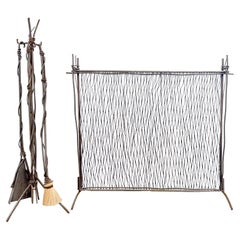

Vintage 1960s Swedish Brutalist Abstract Sculptures
Iron

Recent Sales
2010s American Brutalist Fireplace Tools and Chimney Pots
Cut Steel
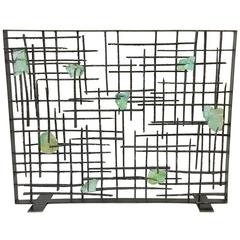
Vintage 1940s French Mid-Century Modern Fireplace Tools and Chimney Pots
Iron
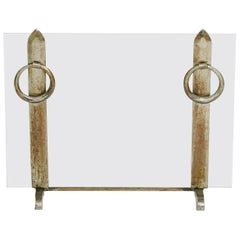
Mid-20th Century European Brutalist Fireplace Tools and Chimney Pots
Metal
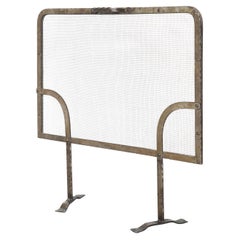
Mid-20th Century Swedish Scandinavian Modern Fireplace Tools and Chimney...
Iron
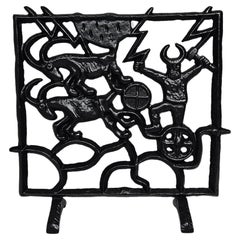
Late 20th Century American Brutalist Fireplace Tools and Chimney Pots
Metal
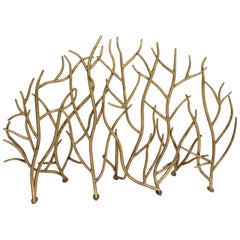
2010s American Brutalist Fireplaces and Mantels
Cut Steel
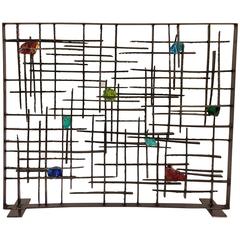
2010s American Brutalist Fireplace Tools and Chimney Pots
Cut Steel
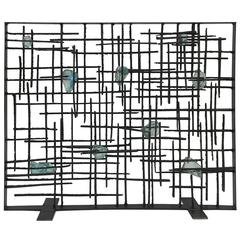
2010s American Brutalist Fireplace Tools and Chimney Pots
Cut Steel
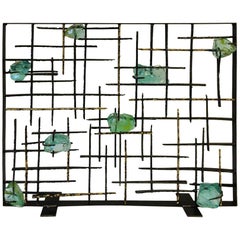
2010s American Brutalist Fireplace Tools and Chimney Pots
Cut Steel
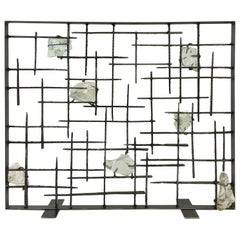
Mid-20th Century American Brutalist Fireplace Tools and Chimney Pots
Copper, Wrought Iron
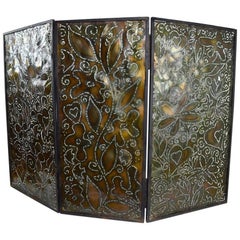
Vintage 1970s French Brutalist Fireplace Tools and Chimney Pots
Wrought Iron, Brass
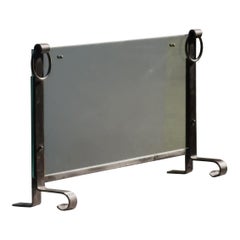
Vintage 1960s Italian Mid-Century Modern Fireplace Tools and Chimney Pots
Iron
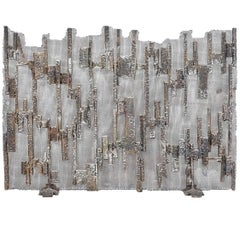
Mid-20th Century American Brutalist Figurative Sculptures
Iron
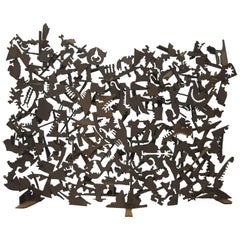
Vintage 1960s Brutalist Screens and Room Dividers
People Also Browsed
21st Century and Contemporary French Modern Chairs
Steel
Vintage 1950s Italian Mid-Century Modern Chandeliers and Pendants
Brass

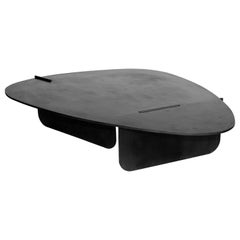
2010s American Modern Coffee and Cocktail Tables
Steel, Iron
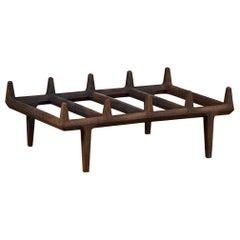
Vintage 1940s American Mid-Century Modern Fireplace Tools and Chimney Pots
Wrought Iron
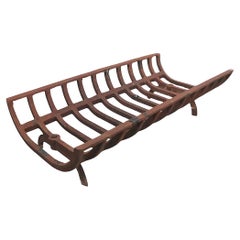
Mid-20th Century American Industrial Fireplace Tools and Chimney Pots
Iron
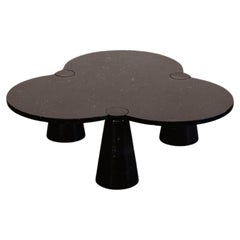
Vintage 1970s Italian Mid-Century Modern Tables
Marble
Vintage 1960s Italian Mid-Century Modern Chandeliers and Pendants
Brass
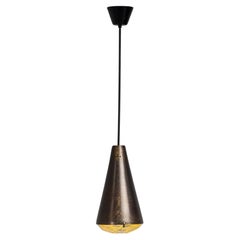
Mid-20th Century Danish Mid-Century Modern Candle Sconces
Glass
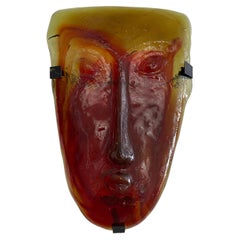
21st Century and Contemporary French Wall Mirrors
Bronze
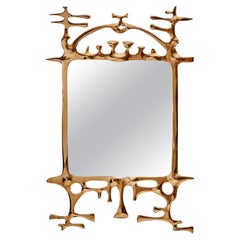
Early 20th Century Japanese Candlesticks
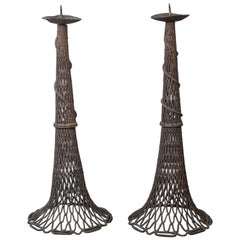
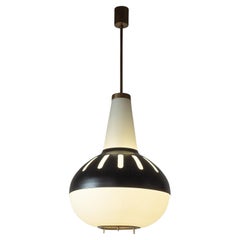
Vintage 1950s Italian Mid-Century Modern Chandeliers and Pendants
Aluminum, Brass
2010s Ukrainian Tables
Other
A Close Look at Brutalist Furniture
The design of brutalist furniture encompasses that which is crafted, hewn and worked by hand — an aesthetic rebuke (or, at least, a counterpoint) to furniture that is created using 21st-century materials and technology. Lately, the word “brutalist” has been adopted by the realms of furniture design and the decorative arts to refer to chairs, cabinets, tables and accessory pieces such as mirror frames and lighting that are made of rougher, deeply textured metals and other materials that are the visual and palpable antithesis of the sleek, smooth and suave.
ORIGINS OF BRUTALIST FURNITURE DESIGN
- Brutalism emerged during the mid-20th century
- Term coined by architecture critic Reyner Banham
- Originated in the United Kingdom
- Brutalist architecture gained popularity in the United States beginning in the early 1960s
- Inaugural brutalist projects include Unité d'habitation and the city of Chandigarh, India, both of which owe to influential architect Charles-Édouard “Le Corbusier” Jeanneret
- Le Corbusier’s cousin, Pierre Jeanneret, designed hundreds of chairs, tables, cabinets and lamps for Chandigarh
- Informed by the Bauhaus, constructivism, modernism and the International Style; part of mid-century modernism
- Contrasted starkly with Beaux Arts style
CHARACTERISTICS OF BRUTALIST FURNITURE DESIGN
- Use of industrial materials — tubular steel, concrete, glass, granite
- Prioritizes functionalism, minimalism and utilization of negative space
- Spare silhouettes, pronounced geometric shapes
- Stripped-down, natural look; rugged textures, modular construction
- Interiors featuring airy visual flow and reliance on neutral palettes
BRUTALIST FURNITURE DESIGNERS TO KNOW
VINTAGE BRUTALIST FURNITURE ON 1STDIBS
The term brutalism — which derives from the French word brut, meaning “raw” — was coined by architecture critic Reyner Banham to describe an architectural style that emerged in the 1950s featuring monumental buildings, usually made of unornamented concrete, whose design was meant to project an air of strength and solidity.
Le Corbusier essentially created the brutalist style; its best-known iterations in the United States are the Whitney Museum of American Art, which was designed by Marcel Breuer, and Paul Rudolph's Yale Art and Architecture Building. The severe style might have been the most criticized architectural movement of the 20th century, even if it was an honest attempt to celebrate the beauty of raw material. But while the brutalist government buildings in Washington, D.C., seemingly bask in their un-beauty, brutalist interior design and decor is much more lyrical, at times taking on a whimsical, romantic quality that its exterior counterparts lack.
Paul Evans is Exhibit A for brutalist furniture design. His Sculpture Front cabinets laced with high-relief patinated steel mounts have become collector's items nonpareil, while the chairs, coffee table and dining table in his later Cityscape series and Sculpted Bronze series for Directional Furniture are perhaps the most expressive, attention-grabbing pieces in American modern design. Other exemplary brutalist designers are Silas Seandel, the idiosyncratic New York furniture designer and sculptor whose works in metal — in particular his tables — have a kind of brawny lyricism, and Curtis Jere, a nom-de-trade for the California team of Curtis Freiler and Jerry Fels, the bold makers of expressive scorched and sheared copper and brass mirror frames and wall-mounted sculptures.
Brutalist furniture and sculptures remain popular with interior designers and can lend unique, eccentric, human notes to an art and design collection in any home.
Find authentic vintage brutalist chairs, coffee tables, decorative objects and other furniture on 1stDibs.
Finding the Right Building-garden for You
Choosing the right antique or vintage building and garden elements can prove pivotal when you’re working to beautify any room in your home or just put the finishing touches on a garden or other outdoor area.
It takes time and effort to improve your outdoor space or merely to bring an air of tranquility to an indoor area set aside for private relaxation or gathering with friends. The good news is that 1stDibs can help.
To introduce a sense of timelessness to a back patio or interior common area, choose cast-stone statues or sculptural busts for a dose of drama or select ornate architectural elements such as corbels, plaques or panels made of marble or iron. Elsewhere, find a focal point in your living room and create a “feature wall” by bringing pops of color into a corner with handmade antique ceramic tiles.
It helps when design changes like these have a practical upside too.
Victorian cast-iron stair treads hearken back to a time when adding decorative details to your property was a priority. While lending an attractive appearance to an exterior staircase, these safeguards render the steps slip-resistant for those coming and going. And as one good stylistic choice usually leads to another, pairing your sophisticated treads with a coupling of 19th-century hand-forged andirons would be a thoughtful, durable touch for any courtyard or comfortable lounge space, be they intended for an indoor fireplace or a patio firepit.
Where the garden is concerned, any sophisticated garden ornaments you select should work with nature, not against it. Wrought-iron garden gates will simply refuse to be relegated to the background. Instead, they’ll draw attention to your painstakingly sculpted hedges and colorful flora. When paired with a sparse arrangement of other tasteful additions, such as a stone planter, garden stool or other welcoming pieces of outdoor seating, the effect can be transformative.
On 1stDibs, find a sprawling collection of antique garden furniture and architectural elements that meet every need. Our offerings include everything from sculptural bathroom fixtures to flooring ideas to pedestals and columns designed in a variety of styles and much more.
- 1stDibs ExpertNovember 2, 2021A fire screen is often called a fireguard. It's a protective screen that is positioned in front of a fireplace in order to keep flames and hot embers from flying into the room. On 1stDibs, find a variety of antique and vintage fire screens, fire tools and chimney pots.
- 1stDibs ExpertFebruary 13, 2023Yes, there are two standard sizes for fireplace screens: 39 inches by 31 inches and 44 inches by 33 inches. However, not all fireplace screens are standard. As a result, it is best to measure your fireplace before shopping for a screen. Find a variety of fireplace screens on 1stDibs.
- 1stDibs ExpertFebruary 22, 2021A firescreen is the metal screen that is placed in front of the fireplace to prevent ashes and sparks from leaving the hearth. This screen can be opened to access the fireplace.
- 1stDibs ExpertApril 5, 2022Yes, a glass fireplace screen can get hot. Typical fireplaces can reach temperatures of over 500 degrees and can shatter the glass if not crafted to withstand the heat. It’s important to keep an eye on any fireplace when there is a fire burning to ensure safety. Shop a selection of fireplace screens on 1stDibs.