Capodimonte On Sale
20th Century Italian Neoclassical Decorative Bowls
Porcelain
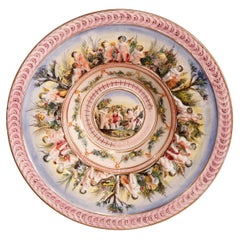

20th Century Italian Baroque Figurative Sculptures
Porcelain
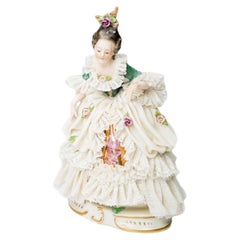
Antique 18th Century Italian Baroque Figurative Sculptures
Porcelain
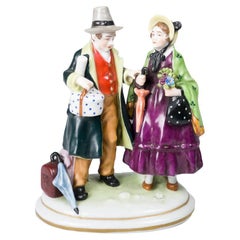
Early 20th Century Italian Baroque Figurative Sculptures
Porcelain
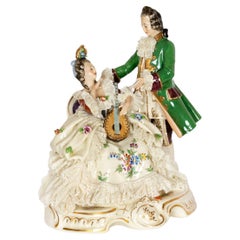
Early 20th Century Italian Art Deco Figurative Sculptures
Porcelain
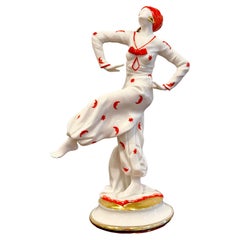
Antique 19th Century Italian Baroque Figurative Sculptures
Porcelain
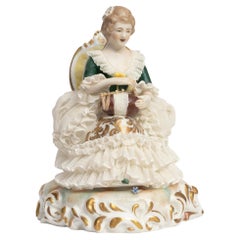
Antique 1880s Italian Empire Tea Sets
Bronze
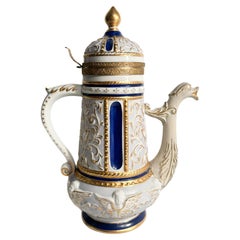
Vintage 1940s Italian Art Deco Figurative Sculptures
Ceramic
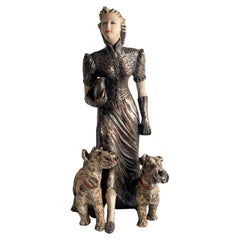
Vintage 1920s Italian Baroque Revival Figurative Sculptures
Porcelain
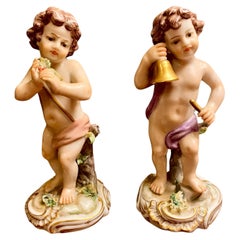
20th Century Italian Neoclassical Figurative Sculptures
Porcelain
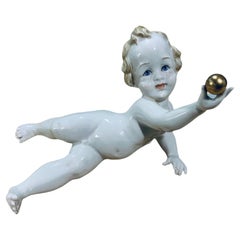
20th Century Italian Neoclassical Figurative Sculptures
Porcelain
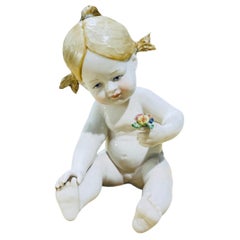
Early 20th Century Italian Renaissance Figurative Sculptures
Porcelain
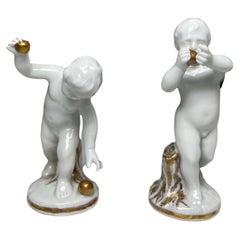
Antique 1850s European Figurative Sculptures
Porcelain
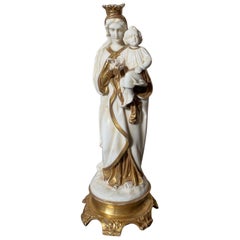
Antique 19th Century Italian Animal Sculptures
Porcelain
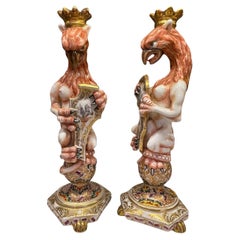
Vintage 1960s Italian Mid-Century Modern Vases
Ceramic
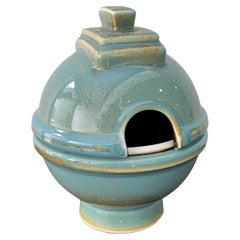
20th Century Italian Baroque Decorative Bowls
Porcelain
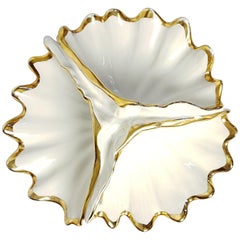
Vintage 1960s Italian Hollywood Regency Table Lamps
Porcelain
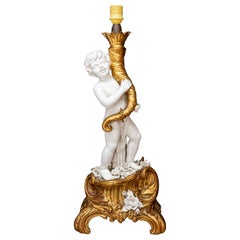
Recent Sales
Mid-20th Century Table Lamps
Brass
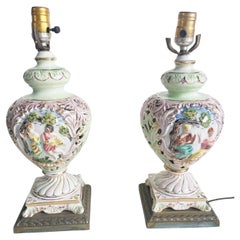
Vintage 1970s Italian Romantic Animal Sculptures
Porcelain
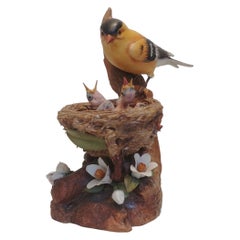
Antique 1890s Italian Neoclassical Revival Figurative Sculptures
Porcelain
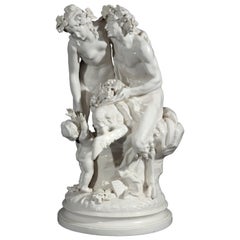
Antique 1890s Italian Neoclassical Revival Figurative Sculptures
Porcelain
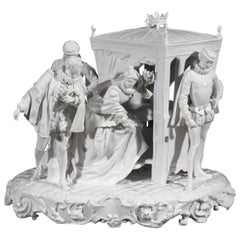
21st Century and Contemporary Italian Neoclassical Revival Porcelain
Porcelain
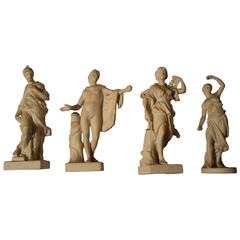
Mid-20th Century Italian Wall Mirrors
Porcelain, Mirror
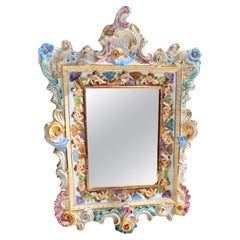
Vintage 1960s Italian Neoclassical Vases
Porcelain
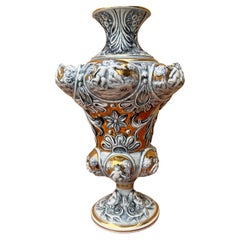
Early 20th Century Italian Renaissance Urns
Porcelain
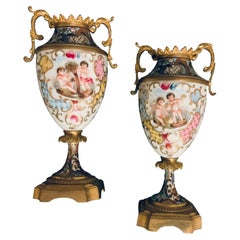
Early 20th Century Italian Vases
Pottery, Porcelain
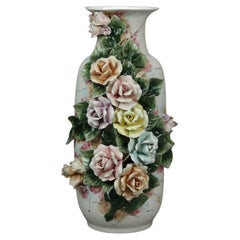
Antique Late 19th Century Italian Figurative Sculptures
Porcelain
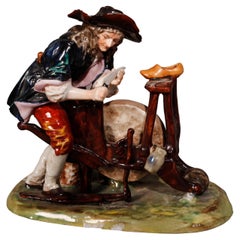
Vintage 1970s Italian Mid-Century Modern Figurative Sculptures
Ceramic
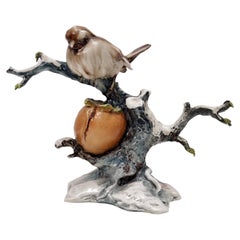
Mid-20th Century Italian Romantic Figurative Sculptures
Porcelain
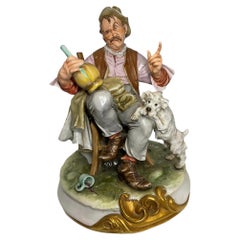
Antique Late 19th Century Italian Classical Roman Decorative Boxes
Porcelain
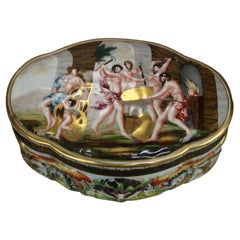
Early 20th Century Italian Rococo Table Lamps
Brass
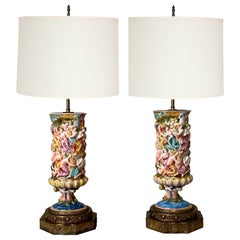
Mid-20th Century Italian Mid-Century Modern Porcelain
Porcelain
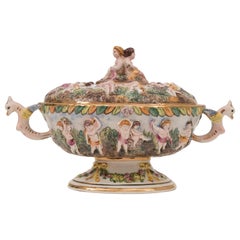
Mid-20th Century Italian Mid-Century Modern Ceramics
Porcelain
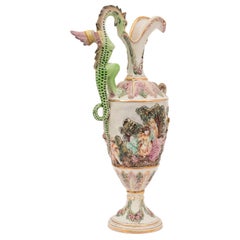
Mid-20th Century Italian Mid-Century Modern Porcelain
Porcelain
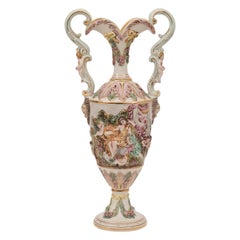
Antique Late 19th Century Italian Porcelain
Porcelain
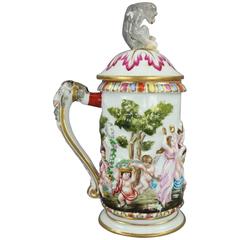
Antique Late 19th Century Italian Porcelain
Porcelain
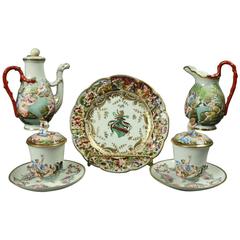
People Also Browsed
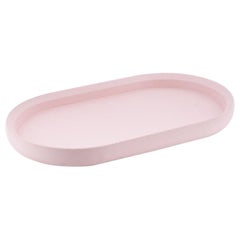
2010s Italian Modern Desk Sets
Concrete
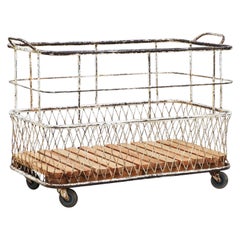
Mid-20th Century French Industrial Carts and Bar Carts
Metal
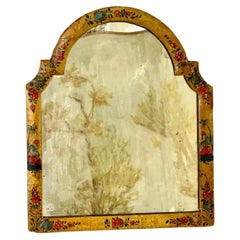
Antique 18th Century French Chinoiserie Table Mirrors
Mirror, Wood
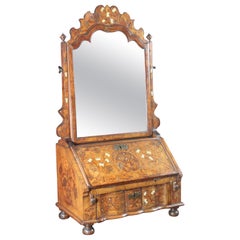
Antique 1730s Dutch Table Mirrors
Walnut
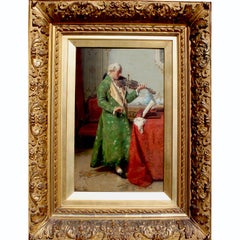
Late 19th Century Academic Figurative Paintings
Gesso, Canvas, Wood, Oil
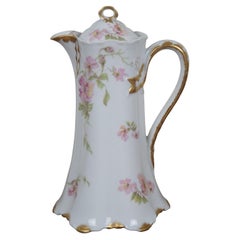
Early 20th Century Edwardian Tea Sets
Porcelain
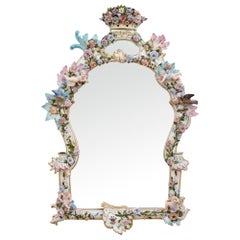
Antique 19th Century German Rococo Wall Mirrors
Porcelain, Mirror
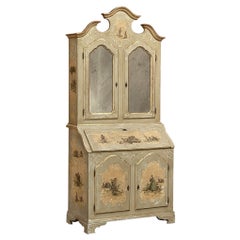
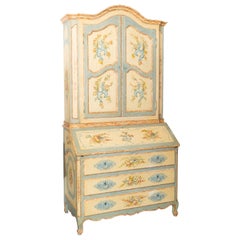
Antique 1890s Italian Baroque Revival Secretaires
Wood
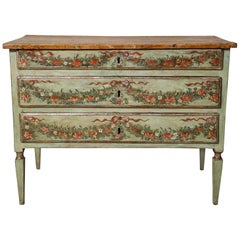
Antique Late 18th Century Italian Neoclassical Commodes and Chests of Dr...
Poplar
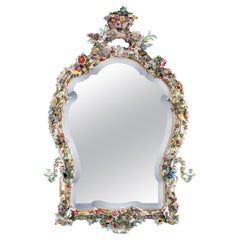
Antique 19th Century German Rococo Wall Mirrors
Porcelain, Mirror
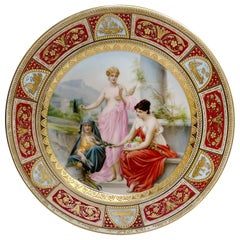
Antique 19th Century Porcelain
Gold
Mid-20th Century Italian Other Bookcases
Wood
Early 20th Century Chinese Qing Antiquities
Porcelain
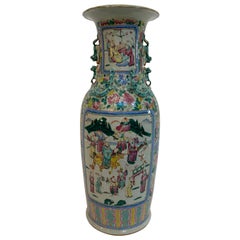
Antique Mid-18th Century Dutch Baroque Delft and Faience
Delft
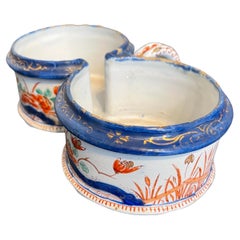
Antique Mid-18th Century German Rococo Figurative Sculptures
Porcelain
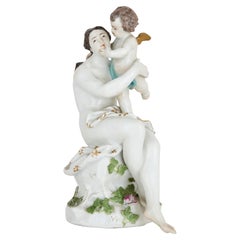
Antique Late 19th Century German Rococo Wall Lights and Sconces
Porcelain
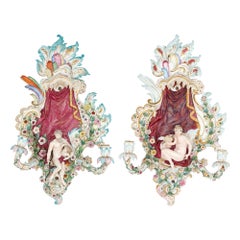
Capodimonte On Sale For Sale on 1stDibs
How Much is a Capodimonte On Sale?
Capodimonte for sale on 1stDibs
If success is measured by lasting name recognition, Capodimonte porcelain would seem to be in the same league as such makers as Meissen, Sèvres and Wedgwood. Early examples of Capodimonte lamps — as well as the Italian manufacturer’s celebrated porcelain vases, figurines and sculptures — can be hard to come by, but the best later pieces possess the same over-the-top charm.
The Real Fabbrica (“royal factory”) di Capodimonte hasn’t actually produced porcelain since the early 19th century, when Charles’s son Ferdinand sold it. Although secondary manufacturers have built upon the aesthetic and kept the name alive, some connoisseurs of the royal product feel these pieces should be labeled “in the style of” Capodimonte.
The timeline of royal Capodimonte porcelain is decidedly brief. From beginning to end, its manufacture lasted approximately 75 years. King Charles VII of Naples, who founded the manufactory in 1743, began experimenting with porcelain around 1738, the year he married Maria Amalia of Saxony. No coincidence there. His new bride was the granddaughter of Augustus the Strong, Elector of Saxony and founder of Meissen, the first European hard-paste porcelain manufactory. Her dowry included 17 Meissen table services.
Struck by porcelain fever, Charles built a dedicated facility on top of a hill (capo di monte) overlooking Naples. He financed expeditions to search for the right clay. He hired chemists and artisans to experiment. His earliest successes were small white snuffboxes and vases, although efforts soon progressed to full sets of tableware, decorative objects and stylized figurines of peasants and theatrical personalities.
In 1759, Charles succeeded to the throne of Spain. He moved the manufactory with him — including 40 workers and 4 tons of clay — and continued operations in Madrid. Twelve years later, his son Ferdinand IV, who inherited the throne of Naples, built a new factory there that became known for distinctly rococo designs.
The Napoleonic wars interrupted production, and around 1807, oversight of the royal factories was transferred to a franchisee named Giovanni Poulard-Prad.
Beginning in the mid-18th century, porcelain made by Charles’s factory was stamped with a fleur-de-lis, usually in underglaze blue. Pieces from Ferdinand’s were stamped with a Neapolitan N topped by a crown. When secondary manufacturers began production, they retained this mark, in multiple variations. The value of these later 19th- and 20th-century pieces is determined by the quality, not the Capodimonte porcelain marks.
Find antique and vintage Capodimonte porcelain for sale on 1stDibs.
- What is Capodimonte s style?1 Answer1stDibs ExpertFebruary 27, 2024Capodimonte's style is regal and opulent, though it has varied over the years. Early pieces from the celebrated Italian porcelain manufacturer often reflect Rococo design sensibilities, with organic motifs rendered in soft colors. As trends changed, so did the look of Capodimonte porcelain, which skewed Victorian, Edwardian and Art Deco over the years that followed. Capodiomonte has also looked beyond its native Italy for inspiration, producing porcelain ware that reflects Japanese and ancient Roman decorative techniques. Shop a wide range of Capdodimonte porcelain on 1stDibs.