Cedar Antique Furniture

to
113
667
285
1,016
940
940
454
157
71
69
61
42
29
25
22
18
15
15
13
11
10
8
8
7
6
6
5
5
4
3
3
3
2
1
1
1
1
1
1
1
10
5
3
2
2
Sort By
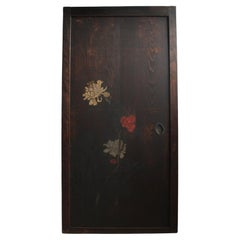
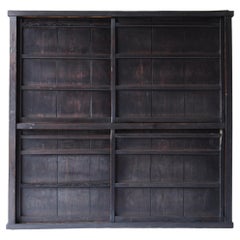
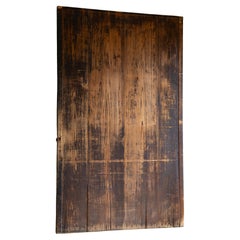
D2 Japanese Antiques Board painting, sliding door, fittings, Peony Bamboo
Located in Niiza, JP
Size: Depth *3cm Width *87cm Height *173cm 8kg Estimated packing size: (Sandwich with 5-10mm plywood) 12 × 100 × 185cm 35kg This is an old fittings of ita-e (wooden board painting...
Category

19th Century Japanese Cedar Antique Furniture

Materials

Cedar

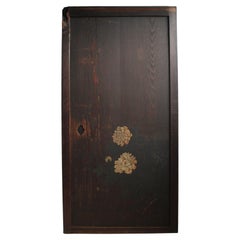
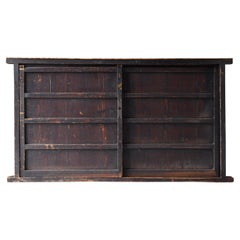
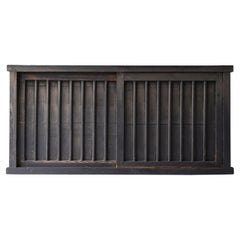
D1 Japanese Antiques Board painting, sliding door, fittings, Peony Bamboo
Located in Niiza, JP
Size: Depth *3cm Width *87cm Height *173cm 8kg Estimated packing size: (Sandwich with 5-10mm plywood) 12 × 100 × 185cm 35kg This is an old fittings of ita-e (wooden board painting...
Category

19th Century Japanese Cedar Antique Furniture

Materials

Cedar

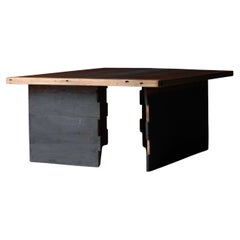
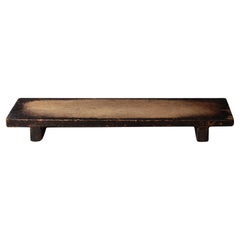
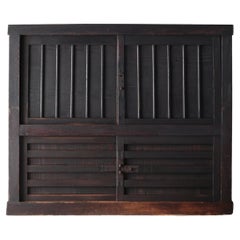
Japanese Antique Low Table / Sofa Table Coffee Table / 1868-1912s Wabi-Sabi
Located in Iwate-gun Shizukuishi-cho, Iwate Prefecture
natural change. The base was originally an old wooden box, and cedar was used. Since the wooden box is
Category

Late 19th Century Japanese Meiji Cedar Antique Furniture

Materials

Wood, Cedar

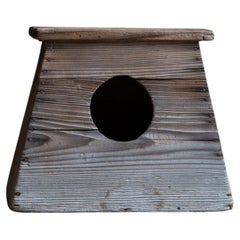
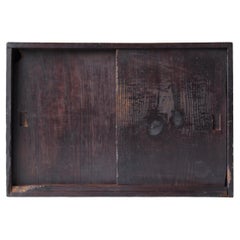
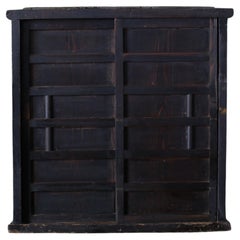
Antique Japanese wood step stool, Fumidai wabi sabi organic mingei
Located in 常陸大宮市, JP
Antique Wooden step stool, "Fumidai", made of Sugi Cedar - New finds from a Kominka (old
Category

Early 20th Century Japanese Folk Art Cedar Antique Furniture

Materials

Wood, Cedar

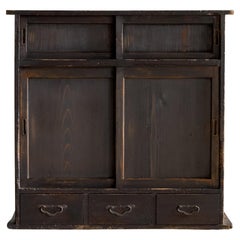
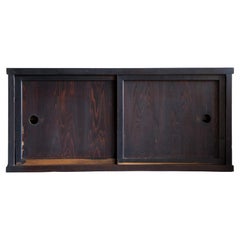
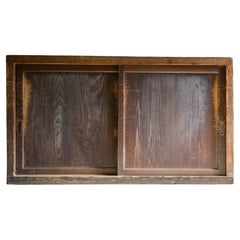
Japanese Antique Sliding-Door Cabinet (Cha Tansu), Taisho Era (1912–1926), Wabi
Located in Hitachiomiya-shi, 08
) using a thoughtful combination of woods: kiri (paulownia) for the frame, sugi (Japanese cedar) for the
Category

Early 20th Century Japanese Taisho Cedar Antique Furniture

Materials

Wood, Cedar

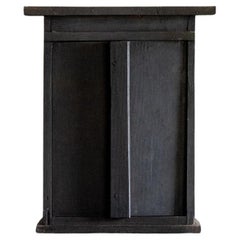
Japanese Antique Buddhist Shrine Box "Zushi", Edo Period 1603-1868
Located in Hitachiomiya-shi, 08
, protecting them while allowing for private devotion at home. Made of cedar wood, this piece has endured
Category

Mid-17th Century Japanese Edo Cedar Antique Furniture

Materials

Cedar

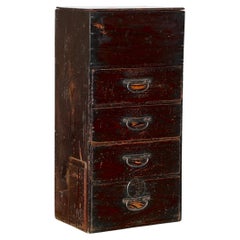
Unusual Tall Meiji Period Japanese Tansu Wabi Sabi
Located in London, GB
well to top. Heavily patinated cedar with many age old repairs.
Category

19th Century Spanish Cedar Antique Furniture

Materials

Cedar

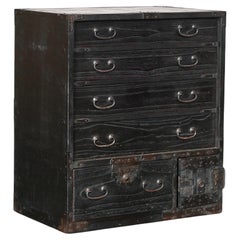
Primitive Charred Edo Period Tansu/Chest Of Drawers Wabi Sabi
Located in London, GB
A 5 drawer charred cedar & elm Japanese tansu from the early 19th C. Both a beautiful & very
Category

Early 19th Century Japanese Cedar Antique Furniture

Materials

Cedar

Japanese Antique Massive Tansu Chest 1860s-1900s / Cabinet Cupboard Wabi Sabi
Located in Chōsei District Nagara, JP
). Crafted from Japanese cedar, it is substantial in scale yet maintains a calm, restrained presence. Once
Category

Early 20th Century Japanese Meiji Cedar Antique Furniture

Materials

Cedar

Japanese Antique Large Tansu 1860s-1900s / Sideboard Cabinet Wabi Sabi
Located in Chōsei District Nagara, JP
sugi (cedar) wood, and its modest, unassuming presence is part of its charm. The absence of excessive
Category

Early 20th Century Japanese Meiji Cedar Antique Furniture

Materials

Cedar

Japanese Antique Large Black Wheeled Storage Chest / 1800-1868s / Wabi-sabi
Located in Iwate-gun Shizukuishi-cho, Iwate Prefecture
furniture. Crafted from pine and cedar, it was originally used in the Tohoku region. The scratches and
Category

Mid-19th Century Japanese Edo Cedar Antique Furniture

Materials

Iron

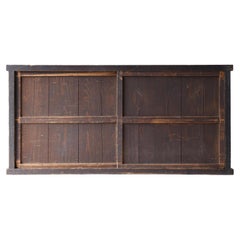
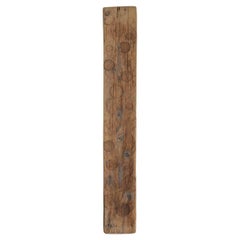
Japanese Antique Exhibition Table / Wall Decoration / 1868-1912s / Wabi-sabi
Located in Iwate-gun Shizukuishi-cho, Iwate Prefecture
This is an old Japanese wooden work board. The wood is cedar, and due to long-term use, the black
Category

Late 19th Century Japanese Meiji Cedar Antique Furniture

Materials

Wood, Cedar

Japanese Antique Wabi Sabi Small Tansu 1860s-1900s / Cabinet Nightstand Storage
Located in Chōsei District Nagara, JP
made from Japan’s traditional sugi (cedar) wood. Sugi, known for its lightness and warmth, develops an
Category

Early 20th Century Japanese Meiji Cedar Antique Furniture

Materials

Cedar

1910s-30s Japanese antique Itado, wabi sabi wide wooden sliding door
Located in 常陸大宮市, JP
Japanese antique Itado, thick wooden sliding door made of Sugi Cedar, for both interior & exterior
Category

Early 19th Century Cedar Antique Furniture

Materials

Wood, Cedar

Japanese Antique Large Tansu 1860s-1900s / Sideboard Cabinet Wabisabi
Located in Chōsei District Nagara, JP
made from traditional sugi (Japanese cedar), a material beloved for its warmth and natural character
Category

Early 20th Century Japanese Meiji Cedar Antique Furniture

Materials

Cedar

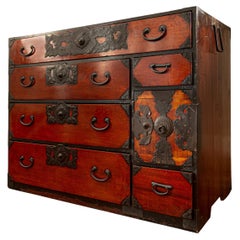
Japanese Antique Large Black Tansu / Cabinet Sideboard / 1800-1868s / Wabi-Sabi
Located in Iwate-gun Shizukuishi-cho, Iwate Prefecture
This is an old Japanese cabinet called a tansu. It is made of cedar and is thought to date from the
Category

Mid-19th Century Japanese Edo Cedar Antique Furniture

Materials

Iron

Japanese Antique BK Tansu 1860s-1900s ③ / Cabinet Sideboard Wabi Sabi
Located in Sammu-shi, Chiba
antique Japanese furniture this old requires maintenance due to doors that won't close or wobbles. However
Category

Early 20th Century Japanese Edo Cedar Antique Furniture

Materials

Cedar

Early 20th Century Antique Tibetan Painted Square Coffee Table
Located in Pomona, CA
-1940 Material: Cedar wood Condition: Original finished, hand made, hand paint. Normal age wear
Category

Early 20th Century Tibetan Tibetan Cedar Antique Furniture

Materials

Cedar

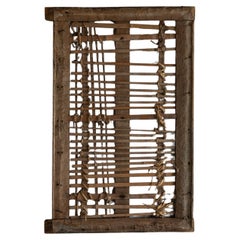
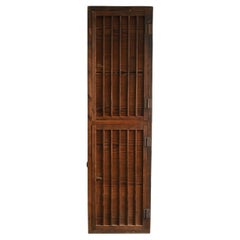
Japanese Antique Door "Wall Decoration" 1860s-1900s / Abstract Art Wabi Sabi
Located in Sammu-shi, Chiba
period (1860s-1900s). The frame is made of cedar wood and the lattice is bamboo. It was plastered at the
Category

Early 20th Century Japanese Meiji Cedar Antique Furniture

Materials

Bamboo, Cedar

Japanese Antique Large Tansu 1860s-1900s / Storage Cabinet Sideboard Wabisabi
Located in Chōsei District Nagara, JP
with Japanese cedar and finished with great care, it has endured for over a century while retaining a
Category

Early 20th Century Japanese Meiji Cedar Antique Furniture

Materials

Cedar

Japanese Meiji Period Tansu Chest in the Sendai Dansu Style Made of Keyaki Wood
Located in Torino, IT
cedar wood (cryptomeria Japonica) in its inner parts, while for the outer parts it is made of Keyaki
Category

19th Century Japanese Meiji Cedar Antique Furniture

Materials

Iron

Japanese Antique Large Tansu, "Mizuya" Sidebord, Meiji Era 1868-1912, Wabi Sabi
Located in Hitachiomiya-shi, 08
and texture that add to its wabi-sabi charm. With its generous depth and solid cedar construction
Category

Mid-19th Century Japanese Meiji Cedar Antique Furniture

Materials

Cedar

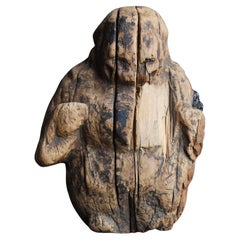
Japanese Antique Wood Carving Daikokuten 1800s-1860s / Figurine Wabisabi
Located in Chōsei District Nagara, JP
). It is carved from sugi (Japanese cedar). Having endured the passage of centuries, its weathered form
Category

Late 19th Century Japanese Edo Cedar Antique Furniture

Materials

Cedar

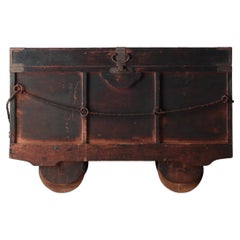
Japanese Antique Wheeled Storage Chest / Sideboard Tansu / 1868-1912s Wabi-sabi
Located in Iwate-gun Shizukuishi-cho, Iwate Prefecture
This storage furniture, known as a "kurumanagamochi" (cartridge), has been used in Japan since
Category

19th Century Japanese Meiji Cedar Antique Furniture

Materials

Iron

Antique Work Board Used by Japanese Craftsmen/1868-1920/Wabi-Sabi Wall Painting
Located in Sammu-shi, Chiba
cracks in the wood, but nothing like splitting in two. The material is cedar, so the weight is 1.4 kg
Category

Late 19th Century Japanese Meiji Cedar Antique Furniture

Materials

Cedar

Japanese BK Tansu 1920-1940 / Showa Period / Cabinet Sideboard Wabi sabi
Located in Sammu-shi, Chiba
furniture of this era. You can use it with confidence. The lock on the handle works, but there is no key
Category

Early 20th Century Japanese Showa Cedar Antique Furniture

Materials

Cedar

Japanese Antique Large BK Tansu 1860s-1900s / Cabinet Sideboard Wabi Sabi
Located in Sammu-shi, Chiba
. The doors operate smoothly. It is in excellent condition for furniture of this era. You can use it
Category

Mid-19th Century Japanese Edo Cedar Antique Furniture

Materials

Cedar

Japanese Antique Small Door Wall Decoration 1860s-1900s / Abstract Art Wabi Sabi
Located in Chōsei District Nagara, JP
years. The outer frame is made of cedar wood, which is lightweight yet maintains a solid structure. The
Category

Early 20th Century Japanese Meiji Cedar Antique Furniture

Materials

Bamboo, Cedar

Meiji Period Tansu/Chest Of Drawers
Located in London, GB
A three drawer cedar Meiji period Japanese chest of drawers. Unusually large drawers for a piece
Category

Late 19th Century Japanese Cedar Antique Furniture

Materials

Cedar

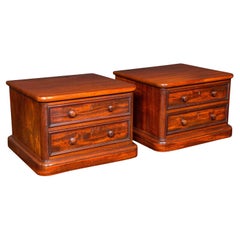
Pair of Antique Collector s Chests, English, Specimen Cases, Victorian, C.1870
Located in Hele, Devon, GB
This is a fine pair of antique collector's chests. An English, mahogany and cedar two-drawer
Category

1870s British Victorian Cedar Antique Furniture

Materials

Mahogany, Cedar

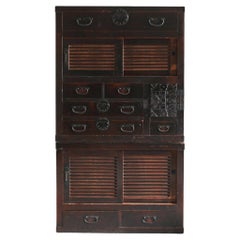
Large Wabi Sabi Two Section Late Edo Period Japanese Tansu Cabinet
Located in London, GB
A tall two section Japanese tansu from the mid 19th century. Nicely patinated cedar with
Category

Mid-19th Century Japanese Cedar Antique Furniture

Materials

Iron

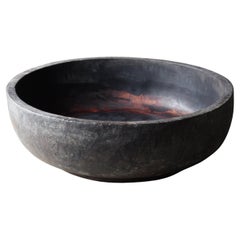
Japanese Antique Huge Wooden Bowl 1906s / Primitive Object Wabisabi Mingei
Located in Chōsei District Nagara, JP
age can be read from the writing on the bottom. The material used is cedar wood, making this a rare
Category

Early 1900s Japanese Meiji Cedar Antique Furniture

Materials

Cedar, Lacquer

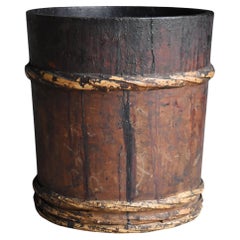
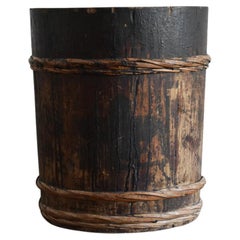
Japanese Antique Lacquer Bucket 1860s-1920s / Plant Pot Cover Wabisabi
By Axel Vervoordt
Located in Chōsei District Nagara, JP
the Meiji to Taishō period (1860s–1920s). The body is made of Japanese cedar, while the outer bands
Category

Early 20th Century Japanese Taisho Cedar Antique Furniture

Materials

Bamboo, Cedar, Lacquer

Japanese antique wooden storage shelf/ Early 20th century/Wooden cabinet
Located in Sammu-shi, Chiba
modern furniture. This piece is made entirely of solid Japanese cedar, and the simple and disciplined
Category

Early 20th Century Japanese Taisho Cedar Antique Furniture

Materials

Cedar

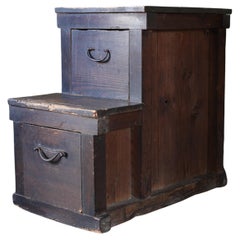
Japanese Antique "Staircase Chest" Late Edo Period-Meiji Period /Cabinet
Located in Sammu-shi, Chiba
We have an aesthetic sense peculiar to Japanese people. And we introduce the unique items that only we can do, the route of purchasing in Japan, the experience value so far, and the...
Category

19th Century Japanese Edo Cedar Antique Furniture

Materials

Cedar

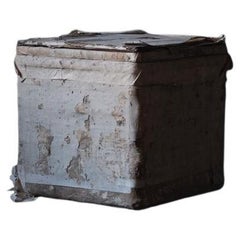
Japanese Antique Paper Covered Wooden Box, Late 19th Century
Located in Tokyo, Tokyo
Old box made of cedar wood covered with paper. It is from around the Meiji era (1868-1912). Details
Category

Late 19th Century Japanese Cedar Antique Furniture

Materials

Paper, Cedar

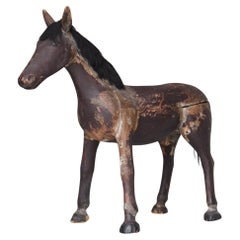
Japanese Antique Sacred Horse Wooden Statue "Shinme" 1800s-1860s / Wabi Sabi
Located in Chōsei District Nagara, JP
. It was produced during the Edo period (1800s-1860s), and the main material used is cedar wood. A
Category

Mid-19th Century Japanese Edo Cedar Antique Furniture

Materials

Cedar

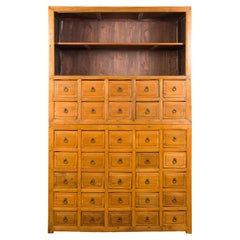
Late 19th Century Nam Wood Apothecary Cabinet with Multiple Drawers
Located in Yonkers, NY
nam wood (a variety of cedar) with shelves and multiple drawers. Created in China during the Qing
Category

Late 19th Century Chinese Qing Cedar Antique Furniture

Materials

Cedar

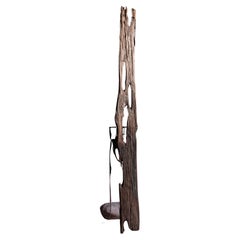
1870s-1920s wabi sabi reclaimed boat wood wall decor sculpture bamboos engraved
Located in 常陸大宮市, JP
weight : 2.65 lb (1.2 kg) *** We're eco-friendly, organic-oriented vintage wood furniture fitting
Category

Late 19th Century Japanese Meiji Cedar Antique Furniture

Materials

Wood, Cedar

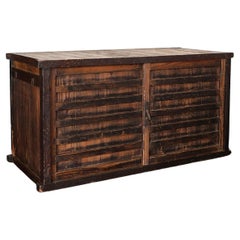
Large Edo Period Japanese Tansu/Sideboard Wabi Sabi
Located in London, GB
A large heavily patinated Edo period Tansu/sideboard. Constructed in cedar & elm with two sliding
Category

Mid-19th Century Japanese Cedar Antique Furniture

Materials

Cedar

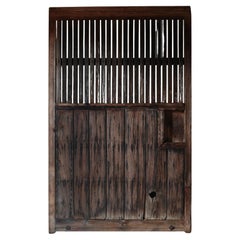
Japanese Antique Wooden Door / Interior Decoration / 1868-1912s / Wabi-Sabi
Located in Iwate-gun Shizukuishi-cho, Iwate Prefecture
made of cedar, and has been exposed to the elements for a long time, naturally aging over time, giving
Category

Late 19th Century Japanese Primitive Cedar Antique Furniture

Materials

Iron

Japanese Antique Exhibition Stand / Sword Case / 1800-1868s / Wabi-sabi
Located in Iwate-gun Shizukuishi-cho, Iwate Prefecture
to be from around the Edo period. Cedar is used for the material, and a large number of Japanese
Category

Mid-19th Century Japanese Edo Cedar Antique Furniture

Materials

Wood, Paper, Cedar

Japanese Antique BK Small Drawer EDO / Tansu Storage Wabisabi
Located in Sammu-shi, Chiba
handles, this is a very old drawer. The furniture dates to the Edo period (1603-1868). The material is
Category

19th Century Japanese Edo Cedar Antique Furniture

Materials

Cedar

Japanese Antique Large Black Tansu 1860s-1900s / Cabinet Sideboard Wabi Sabi
Located in Chōsei District Nagara, JP
This is an old large Tansu made in Japan. This furniture was made during the Meiji period (1860s
Category

Early 20th Century Japanese Meiji Cedar Antique Furniture

Materials

Iron

Wooden Sword of Old Japanese Buddha / 1800-1900 / Wall-Mounted Object
Located in Sammu-shi, Chiba
show off to your friends around you? Weight: 215g Material:Cedar Please check the photo carefully as
Category

19th Century Japanese Edo Cedar Antique Furniture

Materials

Cedar

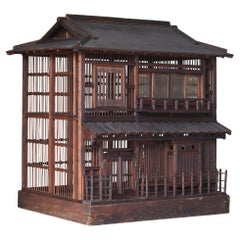
Japanese Antique Birdcage Inspired by a Traditional Machiya House 1920s-1940s
Located in Chōsei District Nagara, JP
. Constructed from cedar and bamboo, it faithfully reproduces the architectural details of a traditional
Category

Early 20th Century Japanese Showa Cedar Antique Furniture

Materials

Bamboo, Cedar

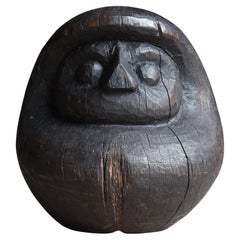
Japanese Antique Wood Carving Daruma 1860-1920s / Sculpture Wabi Sabi Mingei
Located in Chōsei District Nagara, JP
Meiji and Taisho periods (1860s-1920s) and seems to have been made of cedar wood. Deep cracks and sooty
Category

Early 20th Century Japanese Meiji Cedar Antique Furniture

Materials

Cedar

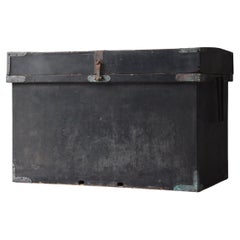
Japanese Antique Black Lacquered Box 1860s-1900s / Tansu Sideboard Wabisabi
Located in Chōsei District Nagara, JP
This box is made in Japan and coated with black lacquer. The furniture was made during the Meiji
Category

Early 20th Century Japanese Meiji Cedar Antique Furniture

Materials

Copper

1870s-1900s Japanese antique Mizuya tansu chest sideboard wabi sabi primitive
Located in 常陸大宮市, JP
, reddish Sugi Cedar, the product of circa 1870s to 1900s (Meiji to early Taisho period). Having storage
Category

Late 19th Century Japanese Meiji Cedar Antique Furniture

Materials

Wood, Cedar

Japanese Antique BK Small Drawer Meiji / Tansu Storage Wabisabi
Located in Sammu-shi, Chiba
. It is made of cedar. The design is simple and uncluttered. This is a beautiful piece of furniture
Category

19th Century Japanese Meiji Cedar Antique Furniture

Materials

Cedar

Japanese Antique BK Small Drawer primitive / Tansu Storage Wabisabi
Located in Sammu-shi, Chiba
. It is made of cedar. The design is simple and uncluttered. This is a beautiful piece of furniture
Category

19th Century Japanese Meiji Cedar Antique Furniture

Materials

Cedar

1870s-1900s Japanese antique Mizuya tansu chest sideboard wabi sabi primitive
Located in 常陸大宮市, JP
Single tier Mizuya tansu is made from premium quality, reddish Sugi Cedar, the product of circa
Category

Late 19th Century Japanese Meiji Cedar Antique Furniture

Materials

Wood, Cedar

Japanese Antique Tansu / Drawer Cabinet / 1875s Meiji Period / Wabi-Sabi Mingei
Located in Iwate-gun Shizukuishi-cho, Iwate Prefecture
, and the material is made of cedar. On the back, there is a trace of "Meiji 8" written in ink
Category

1870s Japanese Meiji Cedar Antique Furniture

Materials

Iron

Antique wooden bucket of Japanese lacquer craftsman/20th century/planter
Located in Sammu-shi, Chiba
thought to have been used in the Tohoku region of Japan. The material is cedar or cypress, and the frame
Category

Late 19th Century Japanese Meiji Cedar Antique Furniture

Materials

Cedar, Lacquer

19th Japanese antique Urushi small Tansu box chest of drawers wabi sabi mingei
Located in 常陸大宮市, JP
Sugi Cedar. Product of circa 1850s-1870s (late Edo to early Meiji era), estimate from the style &
Category

Late 19th Century Japanese Edo Cedar Antique Furniture

Materials

Wood, Cedar

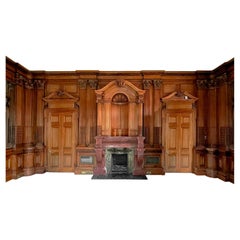
George Trollope Sons fireplace room, Paris Exhibition 1878 Gold Medal Winner
Located in London, GB
boudoir room is the Rosso Antico marble fireplace surmounted by an open display niche carved in cedar wood
Category

1870s Cedar Antique Furniture

Materials

Marble

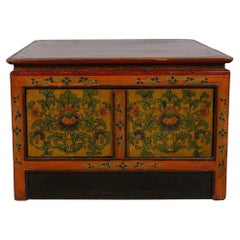
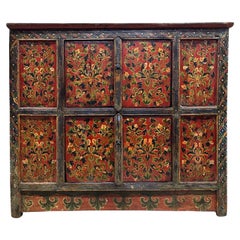
Tibetan 19th Century Cabinet with Hand-painted Floral Design on Red Background
Located in Singapore, SG
A striking Tibetan cabinet dating to the late 19th century, featuring its original hand-painted floral motifs in hues of green, white, and black. This beautiful colour palette lends ...
Category

Late 19th Century Tibetan Qing Cedar Antique Furniture

Materials

Cedar, Pine

  • 1
  • ...
Get Updated with New Arrivals
Save "Cedar Antique Furniture", and we’ll notify you when there are new listings in this category.

Cedar Antique Furniture For Sale on 1stDibs

With a vast inventory of beautiful furniture at 1stDibs, we’ve got just the piece of cedar antique furniture you’re looking for. Was constructed with extraordinary care, often using wood, cedar and metal. You’ve searched high and low for the perfect item from our selection of cedar antique furniture — we have versions that date back to the 18th Century alongside those produced as recently as the 20th Century are available. When you’re browsing for the right choice in our collection of cedar antique furniture, those designed in Victorian, Regency and Art Deco styles are of considerable interest. You’ll likely find more than one object in our assortment of cedar antique furniture that is appealing in its simplicity, but Native American Art, A&J Zimmerman Ltd. and Kling Furniture Co. produced versions that are worth a look.

How Much is a Cedar Antique Furniture?

The average selling price for a piece of cedar antique furniture at 1stDibs is $2,597, while they’re typically $58 on the low end and $485,000 for the highest priced.
Questions About Cedar Antique Furniture
  • 1stDibs ExpertApril 5, 2022
    Yes, Lane Furniture does indeed make cedar chests. From 1912 to 1987, the American furniture company estimated it had sold around 12 million chests and that number continues to grow with today’s sales. Cedar chests are widely used to store clothing and linen because cedar wood is a natural repellent against moisture and moths. You can shop a collection of Lane cedar chests from some of the world’s top sellers on 1stDibs.
  • 1stDibs ExpertMay 30, 2024
    To identify your antique furniture, look for an engraving, tag, label or other marking that indicates who produced it. You may find it on the bottom or back of your furniture or inside a drawer or cabinet. Once you have located the marking, you can snap a photo of it and use a reverse image search to try and identify the maker. Or, you can type a description of the mark into a search engine. Alternatively, you can use the services of a certified appraiser or antiques dealer to get assistance with identification. On 1stDibs, shop a large selection of antique furniture.
  • 1stDibs ExpertAugust 15, 2019

    A piece of furniture is considered an antique if it is at least 100 years old.

  • 1stDibs ExpertApril 22, 2024
    Yes, antique furniture is in style. Many people appreciate the beauty and handcrafted character of antique furniture and love the idea of owning pieces with a rich history. Remember that style preferences are nothing if not fluid, meaning what's in one year may not be the next. So, in choosing the furniture you're planning to live with, you should pay less attention to interior design fads than to what speaks to you. That way, you can select pieces that will add long-term character to your home. On 1stDibs, find a large collection of antique furniture.
  • 1stDibs ExpertApril 5, 2024
    To know if your furniture is antique, look for labels and markings that indicate the maker. From there, you can use trusted online resources to determine when they were active and examine images to try to estimate the age of your piece. Furniture produced 100 years ago or more is antique. You can also have your furniture assessed by an appraiser or antiques dealer to learn about its age. On 1stDibs, explore a large collection of antique furniture.
  • 1stDibs ExpertMay 14, 2024
    Many antique furniture brands are popular. While trends in collecting do vary over time, some makers consistently remain highly sought after. Among them are J. J.W. Meeks, John Henry Belter, R. J. Horner and Co., Stickley Furniture, George Hepplewhite, Josef Dannhauser, Thomas Chippendale and Thomas Sheridan. On 1stDibs, shop a variety of antique furniture.
  • 1stDibs ExpertFebruary 22, 2021
    There are a number of factors that can indicate if your antique furniture is valuable. When determining the value of antique furniture, consider its rarity. Additionally, it is important to determine the quality and condition of vintage furniture. If unsure of the value of your vintage furniture, have it appraised.
  • 1stDibs ExpertFebruary 1, 2024
    To date antique furniture from the UK, first look for identifying markings on the piece. You can then use trusted online resources to determine when the maker was active. From there, you may be able to estimate the year of production by looking at images of other furniture the maker produced. An expert appraiser or antiques dealer can also aid you in the dating process. Find a large selection of antique furniture on 1stDibs.
  • 1stDibs ExpertFebruary 22, 2021
    Antique furniture can be worth quite a lot, particularly if it is in good quality. The rarer the piece, the higher the value.
  • 1stDibs ExpertFebruary 13, 2024
    Whether antique furniture is making a comeback is a matter of opinion. Many people would argue that antique furniture never faded from fashion, as there have always been individuals who love the idea of owning pieces that have history. Some of the most popular styles for antique furniture include Art Deco, Arts and Crafts, Renaissance Revival, Elizabethan, Gothic Revival, Victorian and Chippendale. Find a large collection of antique furniture from some of the world's top dealers on 1stDibs.
  • 1stDibs ExpertNovember 13, 2024
    How old furniture that is called antique can be is typically at least 100 years. People usually call furniture between 20 and 99 years old vintage. Contemporary is the word for furniture manufactured within the last 20 years. On 1stDibs, shop a large selection of antique, vintage and contemporary furniture from some of the world's top sellers.
  • 1stDibs ExpertOctober 5, 2021
    The best finish for antique furniture is a matter of liking. But film finish is recommended by experts as it leaves a thick coat of film on the wood surface which protects wood from water and scratches. Shellac or varnish and water base are commonly used film finishes. Find an exquisite collection of antique, new and vintage furniture on 1stDibs

  • PAGODA RED
    PAGODA REDOctober 7, 2020

    To determine the age of a Chinese furniture piece, look carefully at the joinery and finish. Natural expansion and contraction of the wood over time will cause a joint to protrude or retract, distorting a once-seamless fit. Antique lacquer finishes become crackled and worn over time. Areas of exposed wood, such as the underside of a table, the footrest of a chair, or the back of a cabinet should appear raw and dry compared to the finished surface. With use, the legs of tables and chairs become weathered near the bottom from precipitation and use.

  • 1stDibs ExpertAugust 29, 2024
    To tell how old your antique furniture is, research the maker using trusted online resources. You may find that the furniture maker was active for only a short period, giving you the ability to roughly estimate its age. For manufacturers and designers with a long history of production, consider the style of your furniture and look for images of similar pieces published online. Because it may be difficult to date furniture on your own, consider consulting a certified appraiser or knowledgeable antique dealer. On 1stDibs, explore a variety of antique furniture.
  • 1stDibs ExpertAugust 20, 2024
    To tell what your antique furniture is worth, look at sales histories on trusted online platforms and read valuation guides posted on trusted online resources. The maker, type, style, age and condition of your furniture will impact its value. Researching furniture produced by the same maker is a good starting point. A certified appraiser or knowledgeable antique dealer can also aid you in the valuation process. Find a large collection of antique furniture on 1stDibs.
  • 1stDibs ExpertNovember 4, 2024
    To identify antique Chinese furniture, look carefully at its details. Chinese craftsmen often built furniture using mortise and tenon joinery, eliminating the need for nails and screws. If you see this type of hardware, your piece is likely not at least 100 years old, especially if the hardware still looks new and shiny. Since antique furniture was handmade, you will normally see slight imperfections, such as tool marks or slight variations in carvings. Pieces that appear completely uniform and pristine are less often genuine antiques.

    When present, maker's marks can also be helpful. Research the marks to learn more about when the maker was active and producing pieces like yours. Alternatively, you can have a certified appraiser or experienced antique dealer evaluate your furniture for you.

    Shop an assortment of antique Chinese furniture.
  • 1stDibs ExpertOctober 24, 2024
    To tell antique furniture from reproduction, first check for a maker's mark. By researching the maker associated with the marking using trusted online resources, you can determine when they were active. If the company was in business 100 years ago or more, your piece may be an antique, but if the company's history began more recently, your piece is likely a reproduction. If you can't locate a marking, study the details of the furniture up close. Genuine antiques will often show tool marks and slight variations in carved details because they were typically handcrafted. Most contemporary furniture is machine-made, so you won't usually see these types of characteristics. When in doubt, have a certified appraiser or knowledgeable antique dealer evaluate your furniture. On 1stDibs, find a wide variety of antique furniture.
  • 1stDibs ExpertOctober 24, 2024
    To tell who made your antique furniture, seek out a maker's marking. Locations of these marks vary, but they are generally in an inconspicuous location. For example, a dresser may have the mark inside a drawer or on the back, while a hallmark on a table is often on a leg or under the tabletop. Once you locate a mark, you can use trusted online resources to identify the maker and learn more about them. If you can't find a marking on your piece, a certified appraiser or knowledgeable antique dealer can assist you with the identification process. Explore a large selection of antique furniture on 1stDibs.
  • 1stDibs ExpertMay 14, 2024
    To be considered antique, furniture must usually be at least 100 years old. Contemporary is the name for furniture produced within the last 20 years. Vintage furniture is at least 20 years old. On 1stDibs, shop a diverse assortment of antique, vintage and contemporary furniture from some of the world's top sellers.
  • 1stDibs ExpertAugust 26, 2024
    To tell the difference between antique and reproduction furniture, first look at hidden areas, such as the backs or insides of the drawers. On reproduction furniture, you may find plywood or engineered wood in these areas, while antique furniture will usually have solid hardwood on drawer interiors and backs. Also, slight irregularities and marks indicating that the furniture was built with hand tools rather than machines usually suggest that the piece is antique. Because it can be difficult to differentiate reproductions from genuine antiques without expertise and training, you may wish to consult a certified appraiser or knowledgeable antique dealer about the age of your piece. Find a diverse assortment of antique furniture on 1stDibs.