Cees Braakman Bed
Vintage 1960s Dutch Mid-Century Modern Beds and Bed Frames
Metal

Recent Sales
Mid-20th Century Dutch Mid-Century Modern Beds and Bed Frames
Metal
Vintage 1950s Dutch Mid-Century Modern Night Stands
Metal
Mid-20th Century Dutch Mid-Century Modern Beds and Bed Frames
Steel
Vintage 1960s Dutch Mid-Century Modern Beds and Bed Frames
Mirror, Formica, Wood
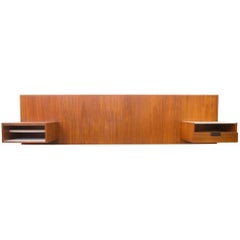
Vintage 1950s Dutch Scandinavian Modern Beds and Bed Frames
Teak
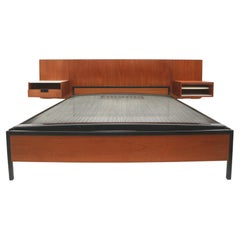
Mid-20th Century Dutch Mid-Century Modern Beds and Bed Frames
Metal
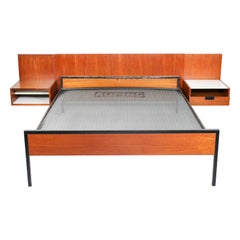
Vintage 1950s Dutch Mid-Century Modern Beds and Bed Frames
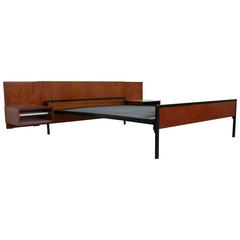
People Also Browsed
Vintage 1970s Italian Mid-Century Modern Lounge Chairs
Steel
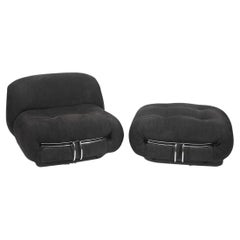
Mid-20th Century French Mid-Century Modern Armchairs
Chrome
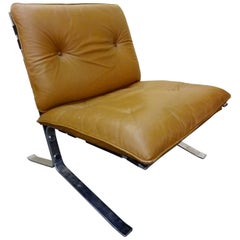
Mid-20th Century French Georgian Pedestals
Wood
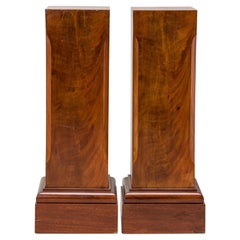
Vintage 1970s Swiss Sofas
Leather
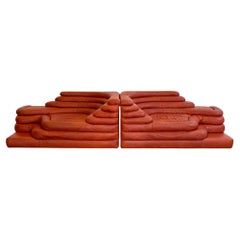
20th Century German Mid-Century Modern Chairs
Fiberglass
21st Century and Contemporary Italian Modern Sofas
Plastic
21st Century and Contemporary Italian Modern Side Tables
Aluminum
Vintage 1970s Italian Mid-Century Modern Lounge Chairs
Steel
2010s American Minimalist Beds and Bed Frames
Upholstery
Mid-20th Century Chairs
Fruitwood
2010s American Sofas
Upholstery, Walnut
Vintage 1960s Mid-Century Modern Sectional Sofas
Fabric, Wood
21st Century and Contemporary Asian Mid-Century Modern Sofas
Metal, Bronze
Late 20th Century American Mid-Century Modern Office Chairs and Desk Chairs
Aluminum
Mid-20th Century American Mid-Century Modern Coffee and Cocktail Tables
Chrome
21st Century and Contemporary Australian Sofas
Leather, Palmwood
Cees Braakman for sale on 1stDibs
Revered Dutch mid-century modernist designer Cees Braakman had been creating furniture since his teenage years when he was promoted to head of design at UMS Pastoe in 1948. Today’s vintage furniture enthusiasts know that Braakman found inspiration in works by Scandinavian artisans such as Alvar Aalto and Herman Miller luminaries Charles and Ray Eames — Braakman’s clean-lined dining chairs, sleek sideboards and other case pieces are demonstrative of those influences.
UMS Pastoe was established in 1913 by German-Jewish entrepreneur Frits Loeb and became rapidly successful largely owing to its reputation for well-made tables and chairs. However, the Dutch brand is best known by collectors for the modular sideboards, storage cabinets and other spare, streamlined case pieces that it produced during the postwar years.
The Utrecht-born Braakman took over for his father, Dirk, who had by then been managing the company for more than 20 years and had designed a variety of furnishings for the manufacturer by himself. A year before he assumed his new role at Pastoe, Cees visited the United States where he became enamored with the designs of Charles and Ray Eames and the other creative minds associated with legendary American furniture manufacturer Herman Miller.
While many Dutch designers who are now celebrated by vintage furniture collectors — names like Gerrit Rietveld and Friso Kramer are in this list — found inspiration in Piet Mondrian and the country’s De Stijl art movement, they also looked to Scandinavian modernists such as Alvar Aalto and Americans such as the Eameses. Cees Braakman was no different.
Braakman’s 1940s-era tour to the States included a visit to the Herman Miller factory in Zeeland, Michigan. At the time, architect-designer-journalist George Nelson was director of design at the firm and had enlisted a range of designers to collaborate with Herman Miller and create what are now icons of mid-century modernism. Braakman took notice of industrial manufacturing techniques at HM and in particular, the company’s innovations in furniture design owing to experimentation with molded plywood and fiberglass-reinforced plastic.
The Dutch designer introduced the first line of modern furniture at UMS Pastoe thereafter — a table, a chair, a bed and more created in molded plywood and featuring oak veneers, specifically tailored for smaller living spaces. Braakman was convinced that Pastoe should move on from the restrictions that a collection or set of furniture presented to consumers.
Furniture for a bedroom, for example, should be practical and built as individual pieces that could be adapted as more space became available. New production methods and creative marketing came into focus under Braakman’s leadership, and his own lines of oak and birch furniture — which were created around cupboards that could be reconfigured as needed, or armchairs that could be combined to form a sofa — earned acclaim and were commercially very successful.
UMS Pastoe was recognized for its innovative furniture at the Milan Triennial in 1957 and Le Signe d’Or in Belgium, and Cees Braakman’s work can today be found at the Stedelijk Museum in Amsterdam.
Find vintage Cees Braakman furniture on 1stDibs.
Finding the Right Beds-frames for You
We find relaxation and solace in our bedrooms, which are often the most cherished rooms of a home. Your antique, new or vintage bed and bed frame are integral to this oasis of personal comfort.
Beds and bed frames have long been an important part of the sanctuary that is the bedroom. For the upper class in countries such as England, the massive, costly beds of the 16th and 17th centuries were decorative and of the poster variety. Some were characterized by large painted wooden headboards, often made of oak, that featured ornate carvings and richly colored curtains affixed to each of the two or four posts — think of today’s sumptuous upholstered headboards as a distant cousin to these luxurious furnishings. The heavy fabric curtains were drawn across a fringed canopy to close out the sunlight that might’ve warmed your grandiose and opulent bedchambers. This feature could also offer privacy as desired, because, as we all know, a bedroom is for more than just sleeping.
Coiled springs didn’t make their way into mattresses until the 1800s, which likely made for a far more comfortable night’s sleep for many. Bed frames of cast iron and brass were introduced during the mid- to late-19th century. Later, the 20th century brought with it marvelous innovations for slumberland, among them daybeds from the likes of George Nelson and Ludwig Mies van der Rohe and Lilly Reich as well as convertible sofa beds.
Today, you will find a range of beds geared toward your individual personality and preferred style of decor. When shopping for a bed and bed frame, keep in mind that you’ve got options. Sizes range from twin to California king. At 76 inches wide and 80 inches long, a king-size bed is roughly 16 inches wider than a queen-size mattress, and your bed frame will likely add two to five inches to each side. (The California king bed is 84 inches long.)
From dramatic bedroom designs to uncomplicated, minimalist approaches, the bedroom has evolved into the haven that it should be: a peaceful place of respite, where we begin and end every day. Take the time to create your very own oasis — you deserve it. Rest easy with an expansive collection of antique, new and vintage beds and bed frames available on 1stDibs.