Century Chin Hua Credenza
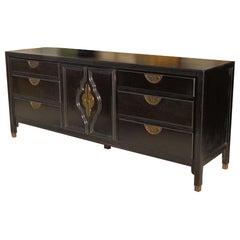
Vintage 1970s North American Mid-Century Modern Dressers
Brass

Recent Sales
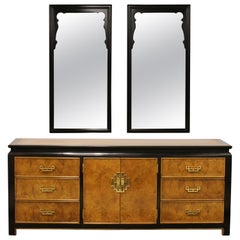
Vintage 1970s Mid-Century Modern Credenzas
Burl
Vintage 1970s Mid-Century Modern Credenzas
Wood
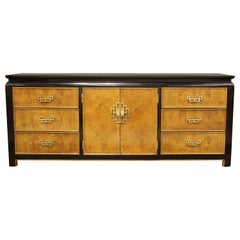
Late 20th Century American Chinoiserie Credenzas
Wood, Burl
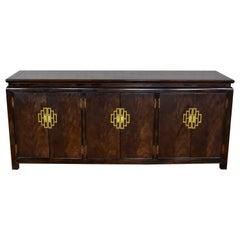
Late 20th Century American Hollywood Regency Credenzas
Ash, Maple
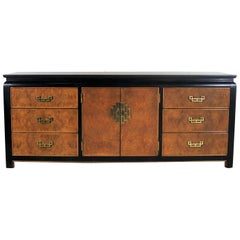
Vintage 1970s North American Chinoiserie Credenzas
Lacquer
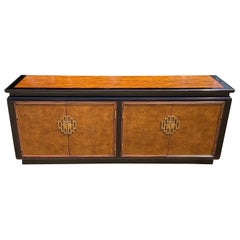
Vintage 1970s American Credenzas
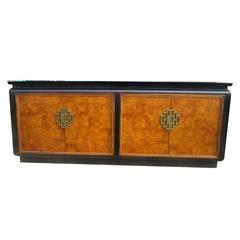
Vintage 1970s American Mid-Century Modern Credenzas
Brass
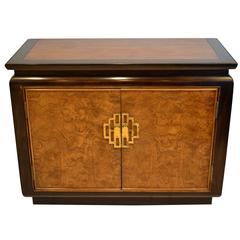
Vintage 1970s American Mid-Century Modern Credenzas
Brass
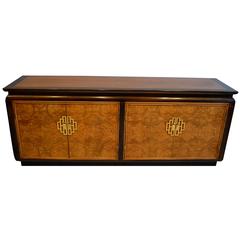
Vintage 1970s American Chinoiserie Credenzas
Burl
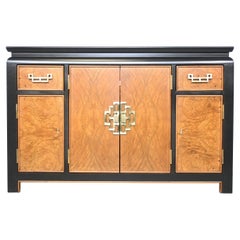
Late 20th Century American Chinoiserie Credenzas
Brass
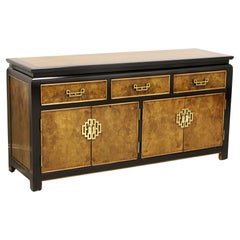
Vintage 1970s American Modern Credenzas
Brass
People Also Browsed
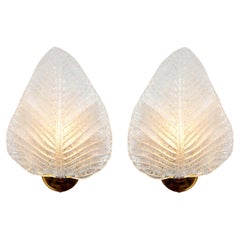
2010s Italian Wall Lights and Sconces
Brass
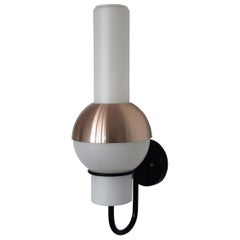
Vintage 1960s Dutch Mid-Century Modern Wall Lights and Sconces
Metal
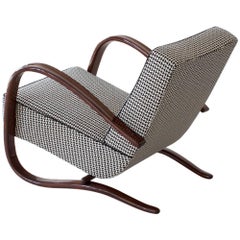
Vintage 1940s Czech Streamlined Moderne Armchairs
Upholstery, Bentwood
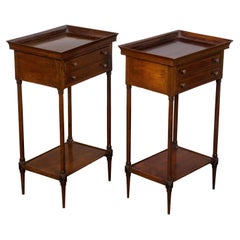
Antique 19th Century French Night Stands
Brass
2010s American Modern Contemporary Art
Paper
2010s Italian Mid-Century Modern Wall Lights and Sconces
Brass
Vintage 1960s Unknown Louis XV Bergere Chairs
Upholstery, Fruitwood, Down
2010s Italian Mid-Century Modern Chandeliers and Pendants
Brass
Mid-20th Century Mid-Century Modern Dressers
Brass
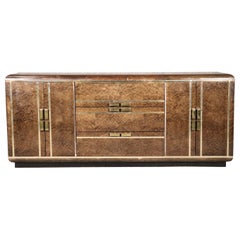
Vintage 1970s American Mid-Century Modern Credenzas
Brass
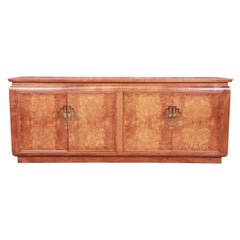
Vintage 1980s American Chinoiserie Bedroom Sets
Wood, Burl, Lacquer
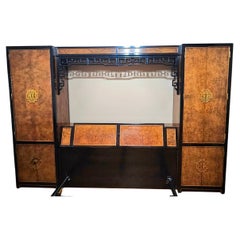
Vintage 1970s American Chinoiserie End Tables
Brass
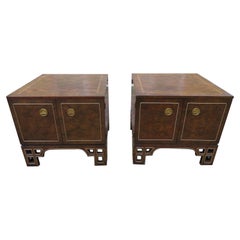
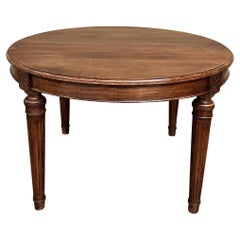
Mid-20th Century French Louis XVI Dining Room Tables
Walnut
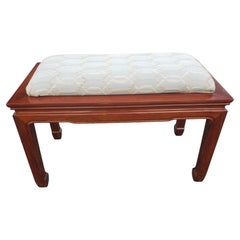
Late 20th Century American Ming Benches
Upholstery, Rosewood
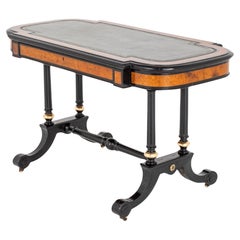
Antique 1860s Victorian Tables
Walnut
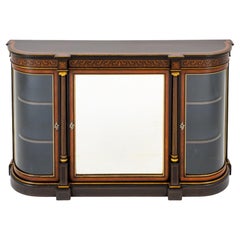
Antique 1860s Victorian Sideboards
Walnut
Century Chin Hua Credenza For Sale on 1stDibs
How Much is a Century Chin Hua Credenza?
Century Furniture for sale on 1stDibs
Known for its durable vintage display cabinets, nightstands and dressers made of cherry, oak, walnut and more, Century Furniture of Hickory, North Carolina, began as an upholstered goods company in 1947 but added case goods and sophisticated mahogany dining-room furnishings shortly thereafter.
Launched by Harley Ferguson Shuford Sr., a Hickory native who was born to a family of textile mill owners, Century Furniture was intended to be “the best furniture company in the world.” With respect to speed and efficiency, the brand found its footing midway through production on a government contract that Shuford had secured in the early days to manufacture thousands of five-drawer chests. The effort was significant, but it was also a teachable moment as far as Shuford and his team’s learning the ropes of running a factory.
After hiring designer Raymond K. Sobota in 1950 and introducing the enormously popular Citation Collection in 1954, Century established its reputation as a leader in stylishly designed high-quality furniture. Sobota had furniture in his blood — after graduating from Kendall College of Art Design in Grand Rapids, Michigan, he worked for his uncle Karl Schmidt, who was at the time a well-known furniture designer for Berkey and Gay and other makers in the Grand Rapids area, then known as America’s furniture capital. Sobota soon launched his own studio, designing furniture as a freelancer for various local manufacturers. Shuford found him by happenstance, journeying to Michigan’s second-largest city to offer a job to another designer who turned him down but recommended Sobota instead.
Century’s Citation line — a sizable collection for the brand that spanned furnishings for the bedroom, dining room and more — is revered in the world of vintage mid-century modern furniture collectors. The pieces sold very well during the 1950s, and the line is an oft-cited success story for Sobota, who would go on to win awards for his work and whose own catalogue of designs for the brand is massive.
In his 40-year career at Century, until he retired in 1995, he designed well over 100 furniture lines. Sobota’s nightstands, cabinets, side tables and more are characterized by his interest in Asian design, distinctly and brilliantly expressed in his Hollywood Regency–style Chin Hua line, which debuted during the 1970s. With its geometrically decorative brass drawer pulls and door handles as well as dining-chair seat-back carvings — all inspired by Asian motifs — this collection has rendered vintage pieces that saw Century’s craftsmen working with alluring ebonized walnut and more, some of the company’s most sought-after work today.
Also in the 1970s as well as in the 1980s, Manhattan interior designer Jay Spectre introduced an Art Deco–informed spirit at Century Furniture, creating oversize, inviting lounge chairs and bentwood benches that featured plush tufted leather cushions. Spectre’s Eclipse collection was at one point among the largest-selling lines for the brand.
Century licensed collections with celebrity interior designers such as Thomas O’Brien, Charlotte Moss and Bunny Williams among others. In 2013, when Alex Shuford III was named president of Century Furniture, the move marked the succession of the third generation to lead this company, which is today one of the world’s largest privately held manufacturers of high-end furniture.
Find Century Furniture lounge chairs and dining chairs as well as vintage mid-century modern credenzas, dressers and more on 1stDibs.
Finding the Right Credenzas for You
Antique and vintage credenzas can add an understated touch of grace to your home. These long and sophisticated cabinet-style pieces of furniture can serve a variety of purposes, and they look great too.
In Italy, the credenza was originally a small side table used in religious services. Appropriately, credere in Italian means “to believe.” Credenzas were a place to not only set the food ready for meals, they were also a place to test and taste prepared food for poison before a dish was served to a member of the ruling class. Later, credenza was used to describe a type of versatile narrow side table, typically used for serving food in the home. In form, a credenza has much in common with a sideboard — in fact, the terms credenza and sideboard are used almost interchangeably today.
Credenzas usually have short legs or no legs at all, and can feature drawers and cabinets. And all kinds of iterations of the credenza have seen the light of day over the years, from ornately carved walnut credenzas originating in 16th-century Tuscany to the wealth of Art Deco credenzas — with their polished surfaces and geometric patterns — to the array of innovative modernist interpretations that American furniture maker Milo Baughman created for Directional and Thayer Coggin.
The credenza’s blend of style and functionality led to its widespread use in the 20th century. Mid-century modern credenzas are particularly popular — take a look at Danish furniture designer Arne Vodder’s classic Model 29, for instance, with its reversible sliding doors and elegant drawer pulls. Hans Wegner, another Danish modernist, produced strikingly minimalist credenzas in the 1950s and ’60s, as did influential American designer Florence Knoll. Designers continue to explore new and exciting ways to update this long-loved furnishing.
Owing to its versatility and familiar low-profile form, the credenza remains popular in contemporary homes. Unlike many larger case pieces, credenzas can be placed under windows and in irregularly shaped rooms, such as foyers and entryways. This renders it a useful storage solution. In living rooms, for example, a credenza can be a sleek media console topped with plants and the rare art monographs you’ve been planning to show off. In homes with open floor plans, a credenza can help define multiple living spaces, making it ideal for loft apartments.
Browse a variety of antique and vintage credenzas for sale on 1stDibs to find the perfect fit for your home today.
- 1stDibs ExpertSeptember 25, 2019
Mid-century modern furniture combines sleek lines with organic shapes.
- 1stDibs ExpertSeptember 25, 2019
Some of the most famous mid-century modern furniture designers were Alvar Aalto, Charles and Ray Eames, Paul Evans, Poul Kjærholm, Florence Knoll, George Nakashima, Giò Ponti, Hans Wegner, Charlotte Perriand, Sergio Rodrigues and Eero Saarinen.
- 1stDibs ExpertMay 22, 2019
Mid-century modernism first appeared in 1945 and merged a minimalist aesthetic with practicality. Mid-century modern furniture is distinguishable by its lack of decoration or extravagance and its use of clean lines, organic curves and variety of natural materials.
1stDibs ExpertFebruary 22, 2021Mid century modern furniture refers to pieces designed during the middle of the 20th century — specifically 1930s through the mid-1960s. This period represents a design and architecture movement characterized by simple shapes, clean lines, and organic materials. Some of the most famous mid century modern designers include Ray Eames, Charlotte Perriand, Isamu Noguchi and Eero Saarinen. - What is mid century furniture?1 Answer1stDibs ExpertFebruary 22, 2021Mid-century furniture is furniture created within the period of 1933 to 1965 but most would argue that the style began to emerge in the postwar years. This style of furniture is known for its sleek lines and organic shapes. The creators most frequently associated with mid-century modern furniture believed that good design meant good living. Mid-century modern is today by far the largest category of furnishings on 1stDibs.