Chicago Fine Art
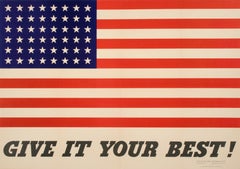
1940s More Prints
Lithograph
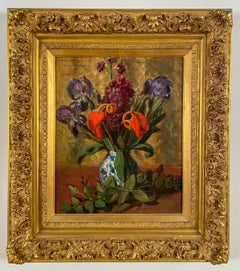
Early 1900s Post-Impressionist Still-life Paintings
Oil
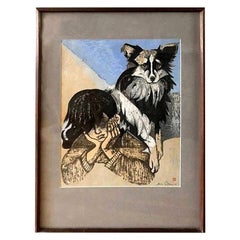
20th Century Japanese Showa Prints
Paper
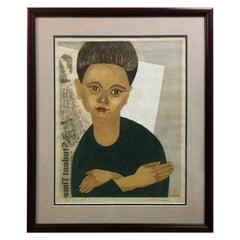
Vintage 1950s Japanese Showa Prints
Paper
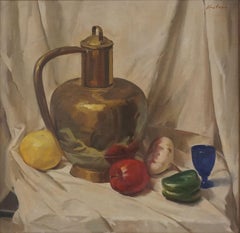
1940s American Realist Still-life Paintings
Linen, Oil
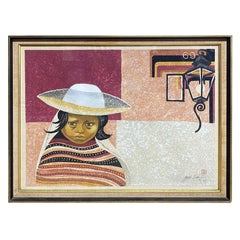
Mid-20th Century Japanese Showa Prints
Paper
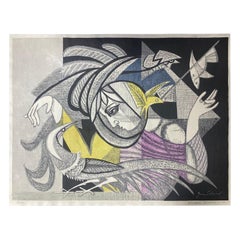
Vintage 1950s Japanese Showa Prints
Paper
20th Century Japanese Showa Prints
Paper

Mid-20th Century Japanese Showa Prints
Paper
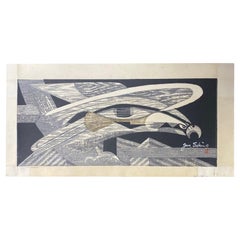
Vintage 1950s Japanese Showa Prints
Wood, Paper
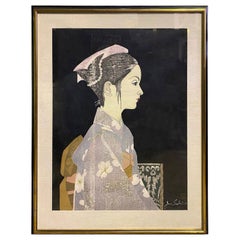
21st Century and Contemporary Expressionist Still-life Paintings
Acrylic, Mixed Media
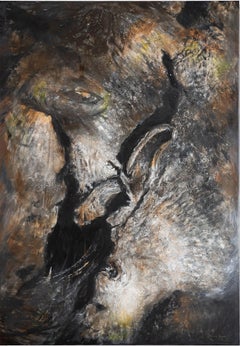
21st Century and Contemporary Expressionist Still-life Paintings
Acrylic
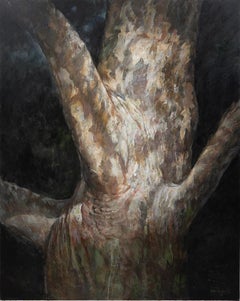
Mid-20th Century Japanese Showa Prints
Paper

Vintage 1940s Japanese Showa Prints
Paper
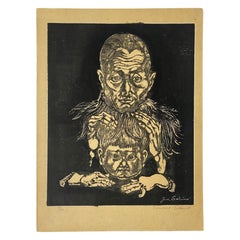
Vintage 1970s Japanese Showa Prints
Wood, Paper
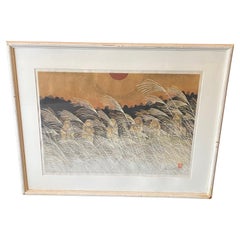
Vintage 1970s Japanese Showa Prints
Paper
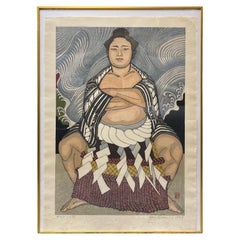
1940s Post-War Animal Prints
Lithograph
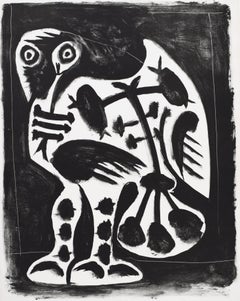
Late 20th Century Modern Still-life Paintings
Oil, Panel
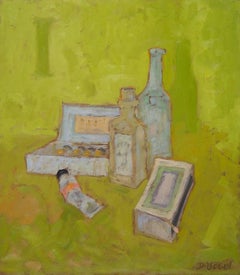
Late 20th Century Modern Still-life Paintings
Oil, Panel
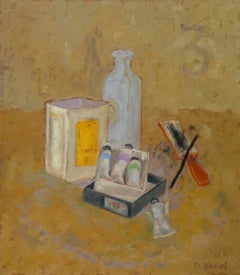
Late 20th Century Modern Still-life Paintings
Oil, Panel
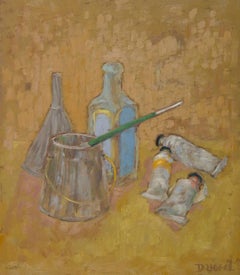
21st Century and Contemporary Abstract Impressionist Still-life Paintings
Canvas, Acrylic
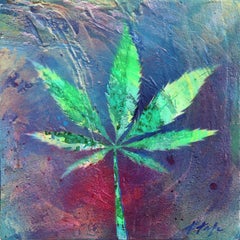

1980s Contemporary Portrait Prints
Paper, Lithograph
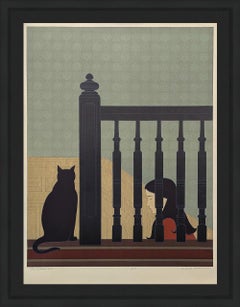
2010s Contemporary Black and White Photography
Archival Pigment

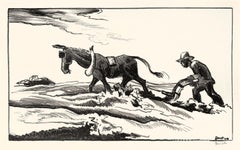
1930s American Realist Figurative Prints
Lithograph
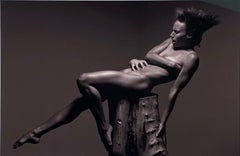
2010s Contemporary Black and White Photography
Silver Gelatin, Archival Pigment
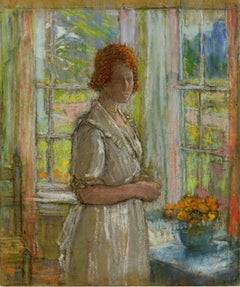
1910s Abstract Impressionist Drawings and Watercolor Paintings
Pastel
Early 2000s Minimalist Abstract Prints
Color, Etching, Aquatint, Monoprint
Early 2000s Minimalist Abstract Prints
Color, Etching, Aquatint, Monoprint
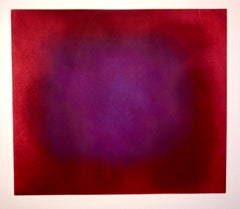
Early 2000s Minimalist Abstract Prints
Color, Etching, Aquatint, Monoprint
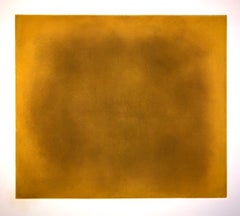
Early 2000s Minimalist Abstract Prints
Color, Etching, Aquatint, Monoprint
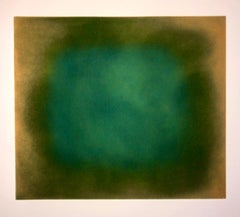
Early 2000s Minimalist Abstract Prints
Color, Etching, Aquatint, Monoprint
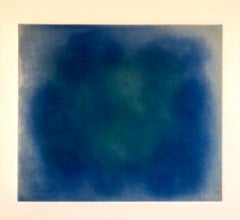
Late 20th Century Abstract Expressionist Abstract Prints
Lithograph
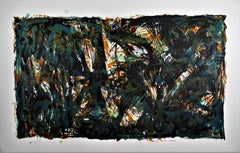
Late 20th Century Abstract Expressionist Abstract Prints
Lithograph
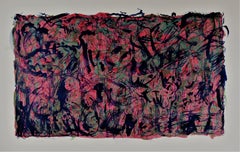
Late 20th Century Abstract Expressionist Abstract Prints
Lithograph
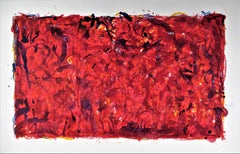
1920s American Realist Animal Prints
Drypoint
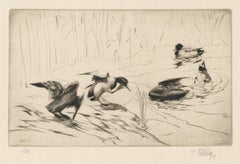
Late 20th Century Surrealist Figurative Prints
Lithograph
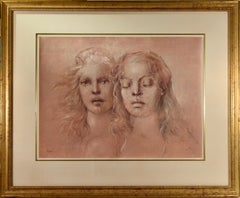
1890s Impressionist Figurative Prints
Etching
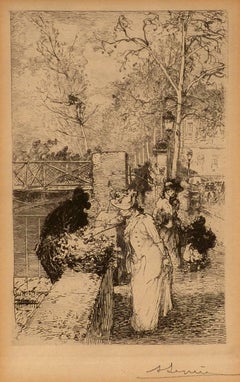
1970s Surrealist Abstract Prints
Lithograph

1760s Old Masters Figurative Prints
Etching
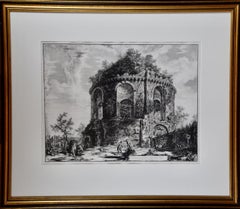
1930s Modern Figurative Prints
Archival Paper, Etching
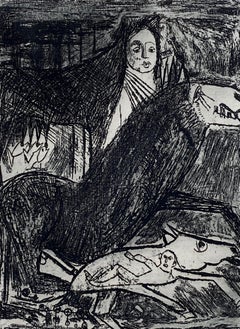
1940s Modern Figurative Prints
Archival Paper, Etching
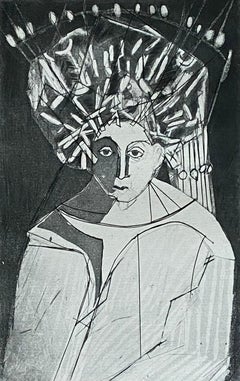
1940s Modern Figurative Prints
Archival Paper, Etching
1930s Modern Figurative Prints
Archival Paper, Etching
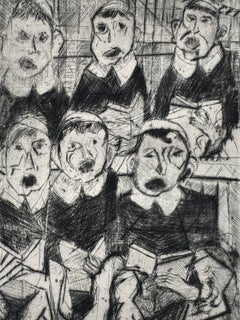
1940s Modern Figurative Prints
Archival Paper, Etching
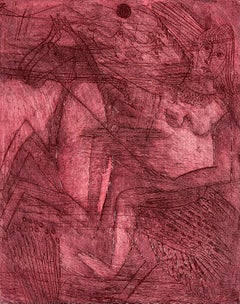
1940s Modern Figurative Prints
Archival Paper, Etching
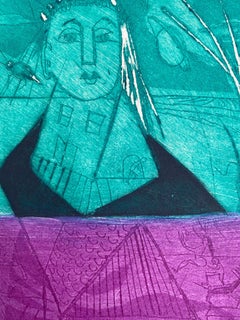
1940s Modern Figurative Prints
Archival Paper, Etching
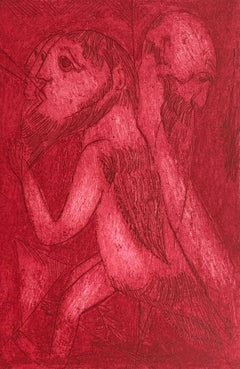
Early 1900s French School Portrait Prints
Woodcut
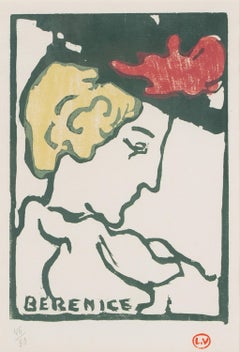
1910s Realist Landscape Prints
Etching
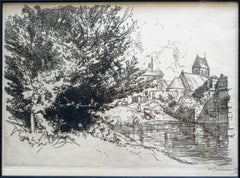
1970s Nude Prints
Lithograph
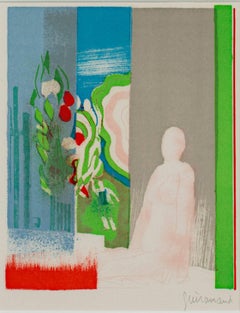
1950s Cubist Nude Prints
Drypoint
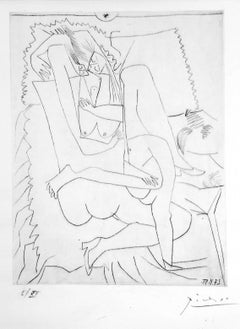
Late 20th Century American Impressionist Figurative Drawings and Waterco...
Ink, Watercolor, Foam Board
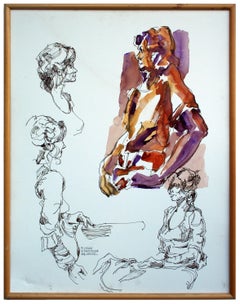
1980s Realist Still-life Prints
Paper, Lithograph
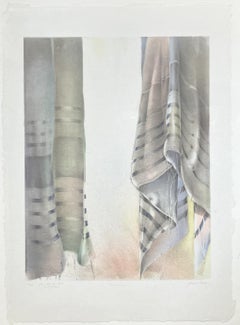
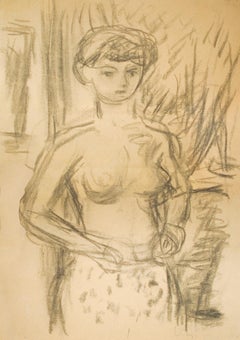
1960s Expressionist Figurative Drawings and Watercolors
Paper, Charcoal
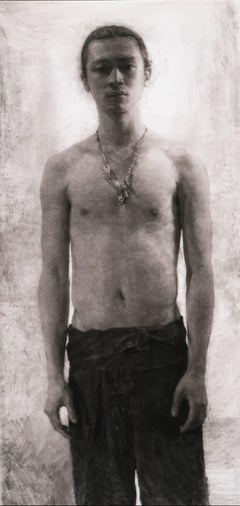
21st Century and Contemporary Contemporary Figurative Drawings and Water...
Mylar, Charcoal
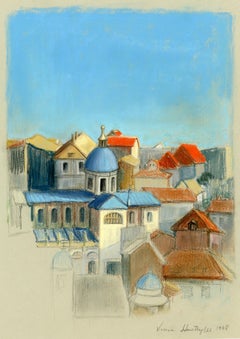
1960s Realist Landscape Drawings and Watercolors
Pastel
1990s Abstract Portrait Drawings and Watercolors
Board, Ink, Watercolor
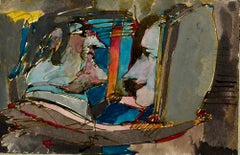
1990s Abstract Abstract Drawings and Watercolors
Paper, Pastel, Board, Pencil
- 1
- ...
Chicago Fine Art For Sale on 1stDibs
How Much is a Chicago Fine Art?
- 1stDibs ExpertSeptember 25, 2019
Fine art is a category of art comprising works with purely aesthetic purpose, as opposed to applied art, which serves a practical function.
- What is considered fine art?1 Answer1stDibs ExpertMarch 13, 2024Artworks produced for their intellectual value and aesthetic appeal are generally considered fine art. Anything made to serve a functional purpose generally is not. In addition, artwork must be one of a kind or produced only in a limited quantity to be thought of as fine. Explore a large selection of fine art on 1stDibs.
- Is drawing a fine art?1 Answer1stDibs ExpertSeptember 25, 2019
Yes, drawing is a fine art.
- Is photography fine art?1 Answer1stDibs ExpertSeptember 25, 2019
Photography is considered a fine art by many, although this is controversial.
- 1stDibs ExpertSeptember 25, 2019
Fine art encompasses drawing, painting, sculpture, printmaking and photography, among other genres.
- Why is it called fine art?1 Answer1stDibs ExpertSeptember 23, 2024Why it's called fine art comes down to the word's origin. The term originates from the Old French word "fin," which means perfected or of the highest quality. The term is fitting since art is classified as "fine" due to an artist's exceptional technique, ingenuity and creativity. On 1stDibs, find a diverse assortment of fine art.
- 1stDibs ExpertJanuary 19, 2025The Art Institute of Chicago is famous for being one of the largest and oldest art museums in the U.S. It is also home to an art college, which boasts an impressive roster of well-known alumni that includes Jeff Koons, Ivan Albright, Thomas Hart Benton, Sanford Biggers and Joan Mitchell, among many others. The museum has in its collections many famous works, such as Edward Hopper's Nighthawks, Pablo Picasso's The Old Guitarist, Grant Wood's American Gothic, Georges Seurat's A Sunday on La Grande Jatte, El Greco's The Assumption of the Virgin, Georgia O'Keeffe's Sky Above the Clouds IV, Diego Rivera's Portrait of Marevna and Mary Cassatt's The Child's Bath. On 1stDibs, shop a large collection of fine art.
- 1stDibs ExpertSeptember 25, 2019
Fine art denotes work of aesthetic value but no functional purpose, whereas decorative art is both visually appealing and functional.
- 1stDibs ExpertOctober 7, 2024The difference between fine and functional art is its purpose. Functional art usually has a practical use. Ceramics, textiles and industrial design are examples of functional art. On the other hand, fine art typically exists to tell a story, convey a message or express an idea. Examples of fine art include paintings, prints and sculptures. Shop a wide variety of fine and functional art on 1stDibs.
- 1stDibs ExpertOctober 7, 2024The difference between fine and folk art comes down primarily to function. Fine artists produce paintings, prints, sculptures and other artworks to express an idea or concept, communicate a message or tell a story. With folk art, artists are usually more interested in following cultural traditions than self-expression. Pieces of folk art often have more practical uses compared to works of fine art, such as quilts and furniture. Other examples of folk art include pottery, masks, textiles and carvings. On 1stDibs, shop a collection of fine and folk art.