Chinese Antique Emperors
Early 1700s Chinese Antique Emperors
Paper
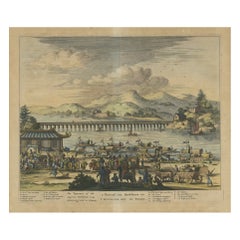
1790s Chinese Antique Emperors
Paper
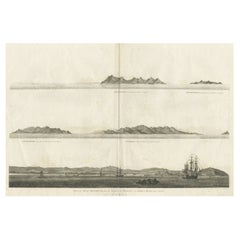

19th Century Asian Qing Chinese Antique Emperors
Paper

Mid-17th Century Chinese Antique Emperors
Paper
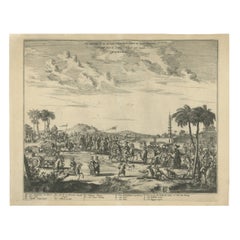
18th Century Asian Qing Chinese Antique Emperors
Porcelain
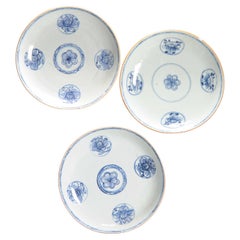
19th Century Chinese Chinese Antique Emperors
Porcelain
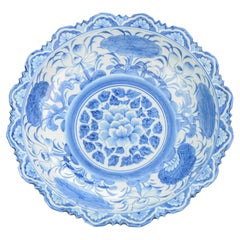
Early 20th Century Late Victorian Chinese Antique Emperors
Jade, 18k Gold
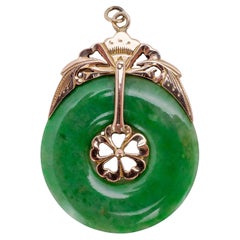
Late 18th Century French Chinese Antique Emperors
Paper
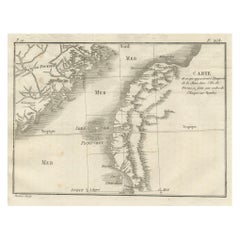
Late 18th Century French Chinese Antique Emperors
Paper
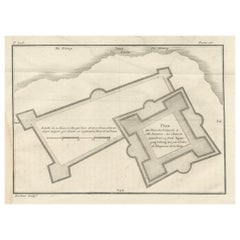
Early 20th Century Asian Chinoiserie Chinese Antique Emperors
Bronze
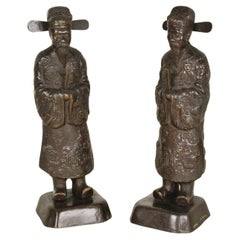
17th Century Old Masters Chinese Antique Emperors
Oil
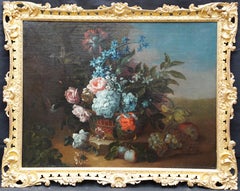
Late 18th Century Chinese Antique Emperors
Paper
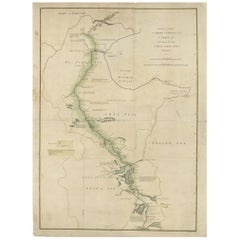
16th Century Hong Kong Ming Chinese Antique Emperors
Pottery
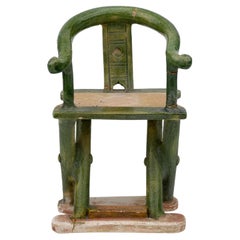
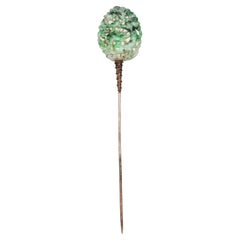
1910s British Art Deco Chinese Antique Emperors
Jade, Silver, Sterling Silver
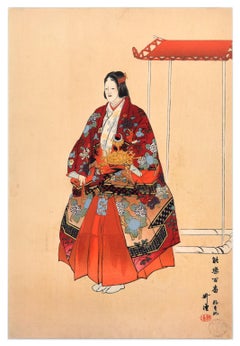
1920s Modern Chinese Antique Emperors
Woodcut
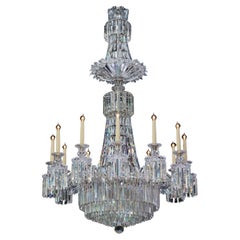
19th Century English William IV Chinese Antique Emperors
Cut Glass
Late 17th Century British Charles II Chinese Antique Emperors
Paper
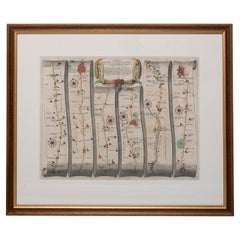
Late 17th Century English Charles II Chinese Antique Emperors
Paper
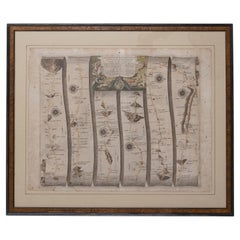
Late 17th Century British Charles II Chinese Antique Emperors
Paper
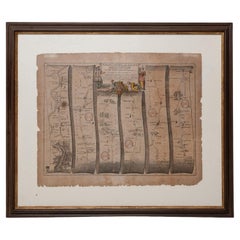
1670s English Baroque Chinese Antique Emperors
Paper
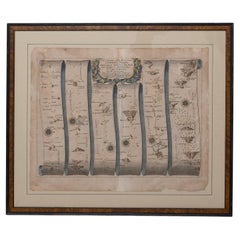
1670s English Baroque Chinese Antique Emperors
Paper
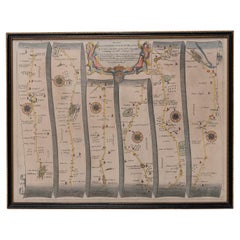
1670s English Baroque Chinese Antique Emperors
Paper
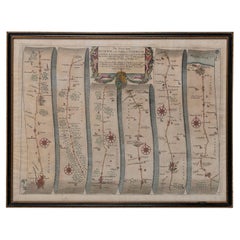
1670s European Baroque Chinese Antique Emperors
Paper

Late 17th Century British Charles II Chinese Antique Emperors
Paper
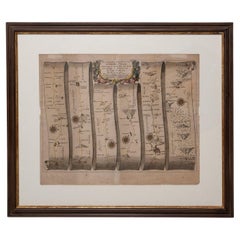
17th Century English Baroque Chinese Antique Emperors
Paper
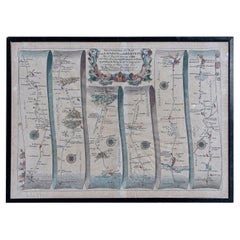
Late 17th Century British Charles II Chinese Antique Emperors
Paper
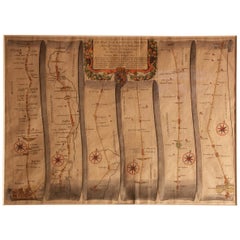
Late 19th Century Chinese Chinoiserie Chinese Antique Emperors
Silk
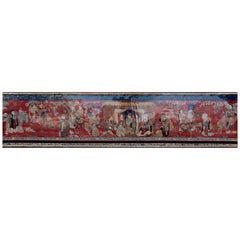
19th Century British Chinese Antique Emperors
Beech
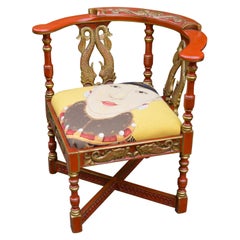
Early 20th Century Chinese Art Deco Chinese Antique Emperors
Wool
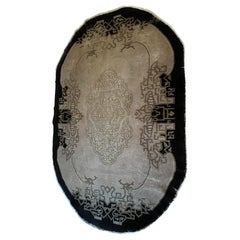
1910s Unknown Art Deco Chinese Antique Emperors
Sterling Silver
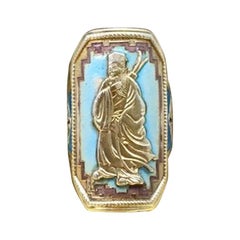
Late 19th Century Chinese Antique Emperors
Handmade Paper, Washi Paper, Pigment, Woodcut
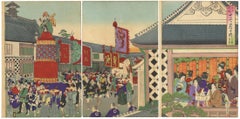
Early 1900s Chinese Chinese Export Chinese Antique Emperors
Fabric
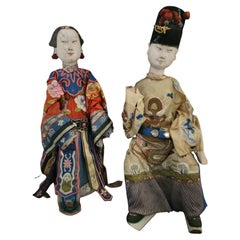
Early 20th Century Japanese Chinese Antique Emperors
Porcelain
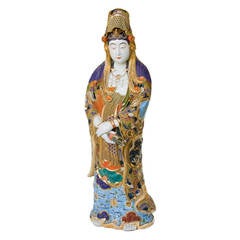
Early 19th Century Chinese Qing Chinese Antique Emperors
Brass, Bronze, Copper, Enamel

Mid-18th Century Chinese Baroque Chinese Antique Emperors
Porcelain
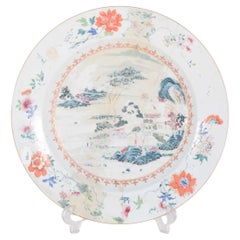
18th Century and Earlier Chinese Chinese Antique Emperors
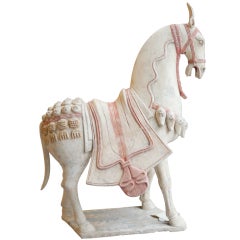
15th Century and Earlier Chinese Ming Chinese Antique Emperors
Stone
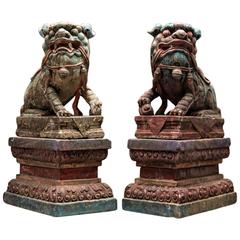
Early 20th Century Chinese Chinoiserie Chinese Antique Emperors
Brass
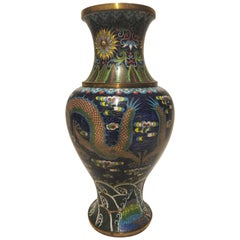
15th Century and Earlier Chinese Other Chinese Antique Emperors
Stone
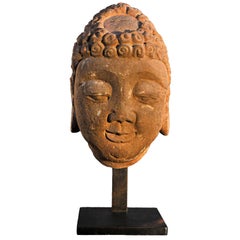
18th Century Chinese Qing Chinese Antique Emperors
Wood
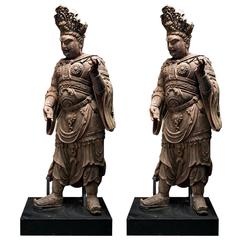
18th Century Chinese Qing Chinese Antique Emperors
Stone
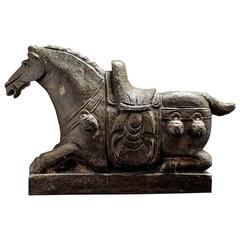
16th Century Chinese Ming Chinese Antique Emperors
Stone
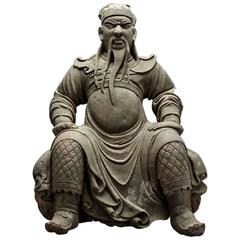
15th Century and Earlier Chinese Han Chinese Antique Emperors
Terracotta
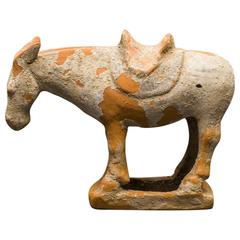
15th Century and Earlier Chinese Ming Chinese Antique Emperors
Wood
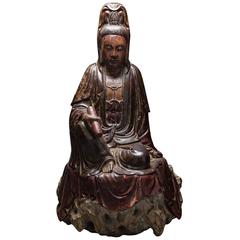
Early 18th Century Japanese Edo Chinese Antique Emperors
Wood, Paper
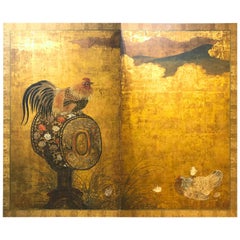
1880s Chinese Antique Emperors
Paper, Watercolor
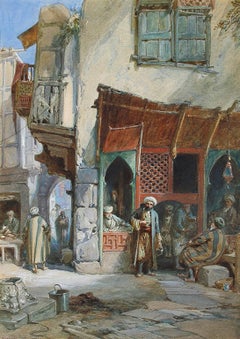
18th Century Chinese Other Chinese Antique Emperors

Late 19th Century Chinese Chinese Antique Emperors
Canvas
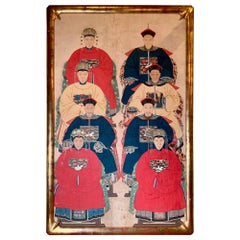
Late 19th Century Chinese Chinese Export Chinese Antique Emperors
Wood
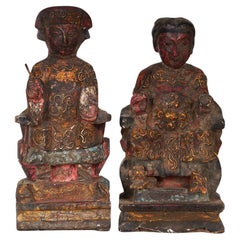
19th Century Chinese Qing Chinese Antique Emperors
Ceramic, Rosewood
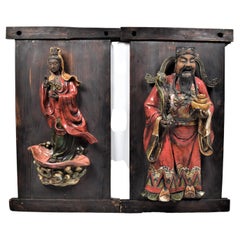
Mid-19th Century Chinese Qing Chinese Antique Emperors
Elm, Lacquer
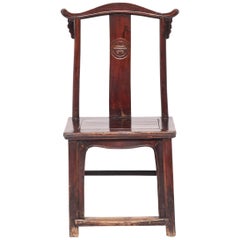
19th Century Chinese Chinese Antique Emperors
Wool
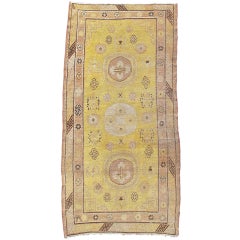
Early 19th Century Chinese Qing Chinese Antique Emperors
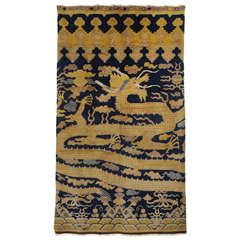
Early 18th Century Chinese Qing Chinese Antique Emperors
Porcelain
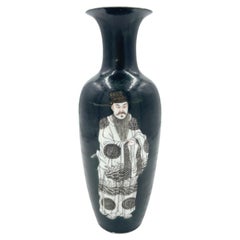
18th Century Chinese Qing Chinese Antique Emperors
Porcelain
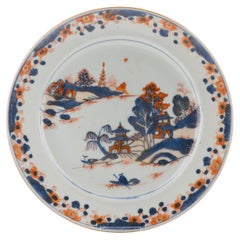
18th Century Chinese Chinese Antique Emperors
Porcelain
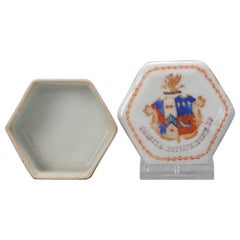
18th Century Chinese Chinese Antique Emperors
Porcelain
- 1
Chinese Antique Emperors For Sale on 1stDibs
How Much are Chinese Antique Emperors?
 PAGODA REDOctober 7, 2020
To determine the age of a Chinese furniture piece, look carefully at the joinery and finish. Natural expansion and contraction of the wood over time will cause a joint to protrude or retract, distorting a once-seamless fit. Antique lacquer finishes become crackled and worn over time. Areas of exposed wood, such as the underside of a table, the footrest of a chair, or the back of a cabinet should appear raw and dry compared to the finished surface. With use, the legs of tables and chairs become weathered near the bottom from precipitation and use.
 Lotus GallerySeptember 23, 2020
The best way to know is to take it to an expert, such as an appraiser, reputable dealer or auction house, or museum
- 1stDibs ExpertNovember 4, 2024To identify antique Chinese furniture, look carefully at its details. Chinese craftsmen often built furniture using mortise and tenon joinery, eliminating the need for nails and screws. If you see this type of hardware, your piece is likely not at least 100 years old, especially if the hardware still looks new and shiny. Since antique furniture was handmade, you will normally see slight imperfections, such as tool marks or slight variations in carvings. Pieces that appear completely uniform and pristine are less often genuine antiques.
When present, maker's marks can also be helpful. Research the marks to learn more about when the maker was active and producing pieces like yours. Alternatively, you can have a certified appraiser or experienced antique dealer evaluate your furniture for you.
Shop an assortment of antique Chinese furniture.