Chinese Cabinet Ming
Antique Mid-19th Century Asian Ming Sideboards
Elm
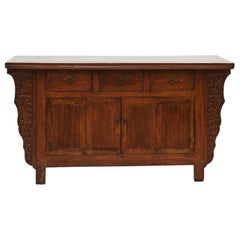

Antique Late 19th Century Chinese Ming Cabinets
Hardwood, Elm
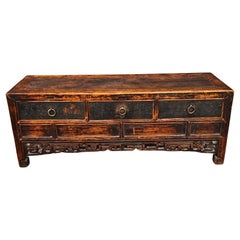
Antique 18th Century Chinese Qing Cabinets
Lacquer
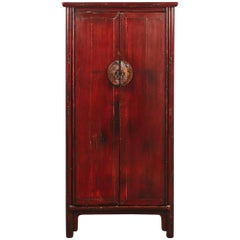
Vintage 1970s American Cabinets
Brass

Antique 16th Century Chinese Ming Cabinets
Elm
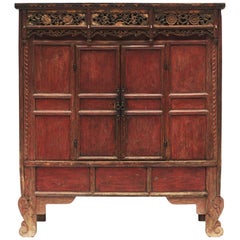
Antique 19th Century Chinese Qing Cabinets
Brass
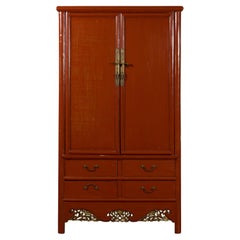
Early 20th Century Chinese Ming Cabinets
Elm
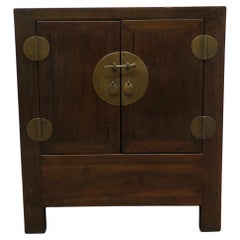
Antique 19th Century Chinese Ming Cabinets
Wood
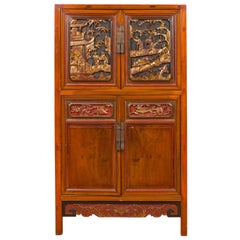
Early 2000s American Chinoiserie Cupboards
Wood, Lacquer
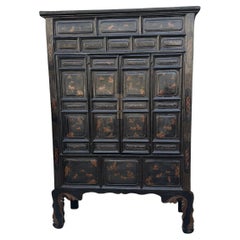
2010s Chinese Cabinets
Brass
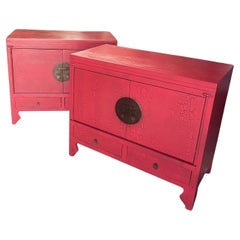
Antique 19th Century Chinese Ming Furniture
Bronze
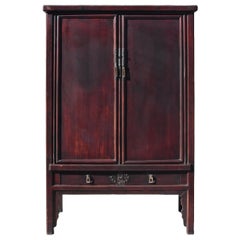
Early 20th Century Chinese Ming Buffets
Brass
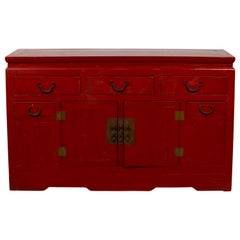
Antique 19th Century Chinese Ming Credenzas
Bronze
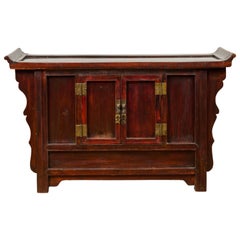
Antique Mid-19th Century Chinese Ming Cabinets
Metal
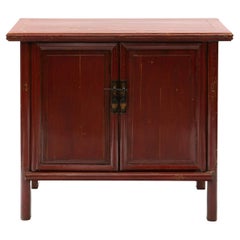
Early 20th Century Chinese Ming Sideboards
Elm
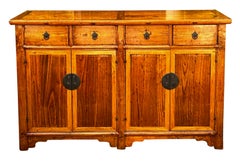
Antique Early 18th Century Chinese Ming Cabinets
Elm
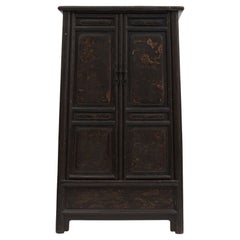
Antique Early 17th Century Chinese Ming Furniture
Brass
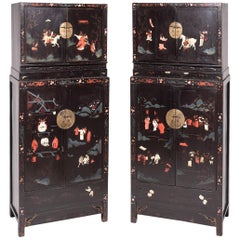
Antique Late 19th Century Chinese Chinese Export Furniture
Wood
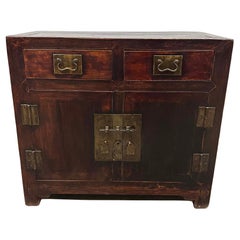
Antique Late 19th Century Chinese Chinese Export Furniture
Elm
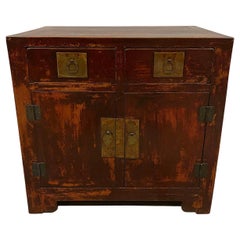
Antique Early 19th Century Chinese Ming Cabinets
Metal
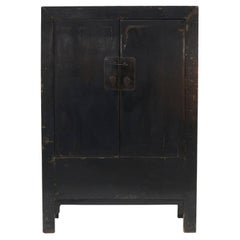
Antique Late 19th Century Chinese Ming Sideboards
Metal
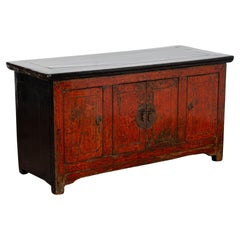
Late 20th Century Chinese Ming Furniture
Wood
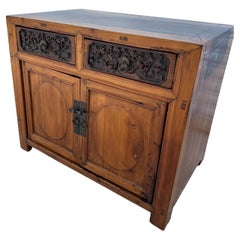
20th Century Asian Ming Furniture
Metal
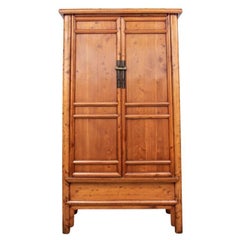
Late 20th Century Chinese Ming Sideboards
Lacquer
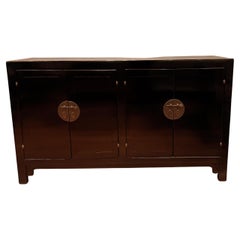
20th Century Chinese Ming Furniture
Wood
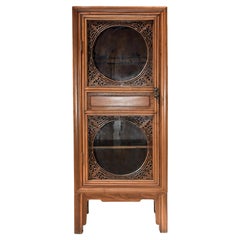
Mid-20th Century Chinese Ming Furniture
Wood
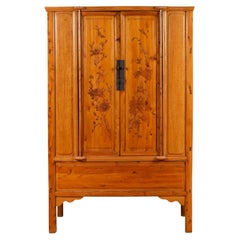
Mid-20th Century Chinese Chinese Export Cabinets
Wood, Elm
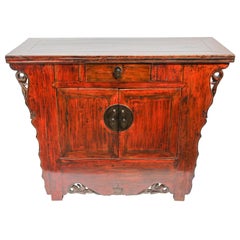
Recent Sales
Mid-20th Century Chinese Chinese Export Cabinets
Hardwood
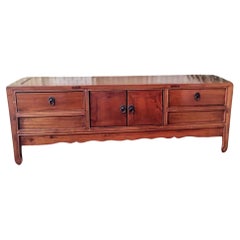
Early 20th Century Chinese Ming Wardrobes and Armoires
Wood
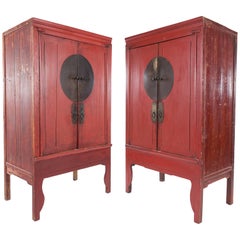
Antique 19th Century Chinese Cabinets
Brass
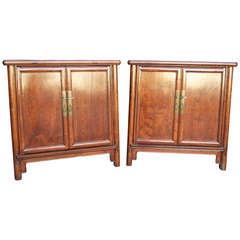
Antique 15th Century and Earlier Chinese Ming Cabinets
Pearwood
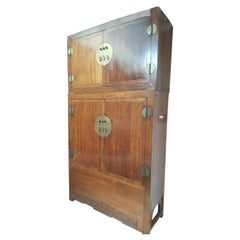
Antique 19th Century Chinese Furniture
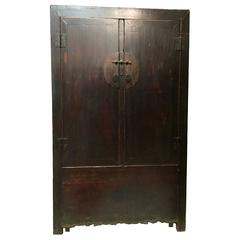
Early 20th Century Chinese Shelves
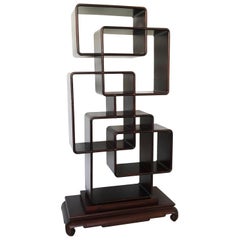
Antique 18th Century and Earlier Chinese Commodes and Chests of Drawers
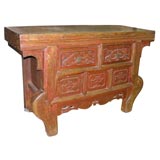
Antique 19th Century Chinese Ming Furniture
Elm
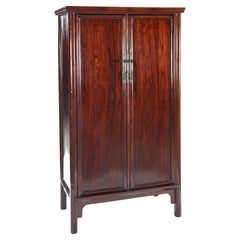
Antique 19th Century Chinese Ming Antiquities
Elm
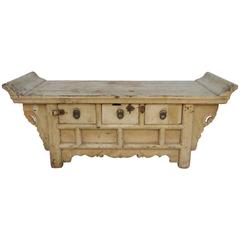
Mid-20th Century Hong Kong Credenzas
Brass
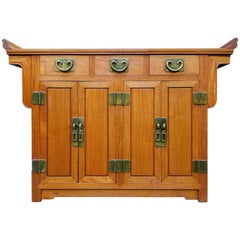
Antique Late 19th Century Chinese Ming Furniture
Lacquer, Wood
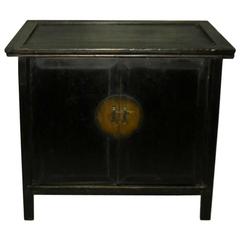
Antique Mid-19th Century Chinese Ming Antiquities
Elm
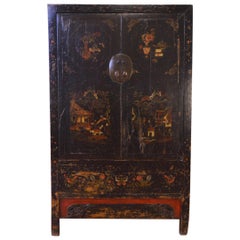
Antique 19th Century Chinese Ming Furniture
Softwood, Lacquer
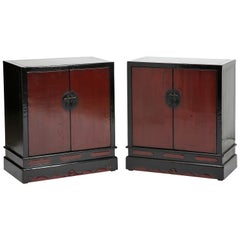
Antique Mid-19th Century Chinese Ming Antiquities
Elm
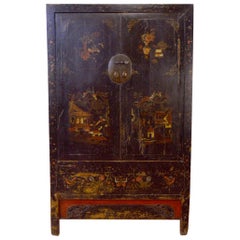
Antique 19th Century Chinese Ming Furniture
Elm
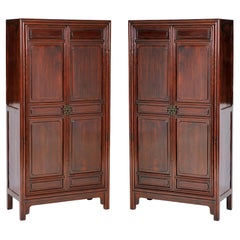
Mid-20th Century Chinese Ming Cabinets
Oak
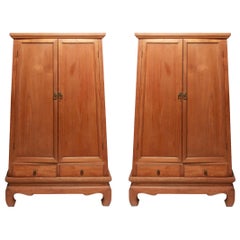
Antique 18th Century and Earlier Chinese Cabinets
Elm
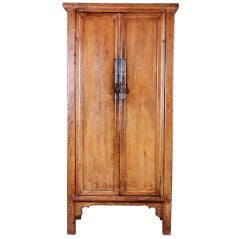
Antique Late 19th Century Chinese Ming Cabinets
Wood
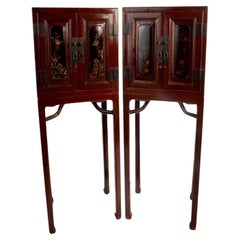
Mid-20th Century American Ming Cabinets
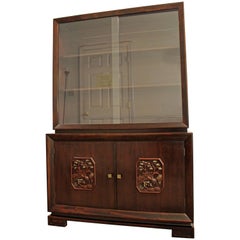
Antique Mid-19th Century Chinese Ming Cabinets
Walnut
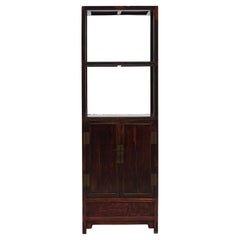
Antique 19th Century Chinese Ming Cabinets
Elm
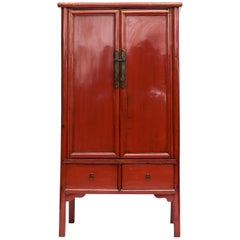
Antique 19th Century Chinese Ming Cabinets
Brass
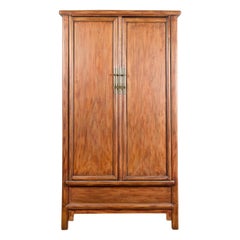
Antique 19th Century Chinese Ming Cabinets
Elm
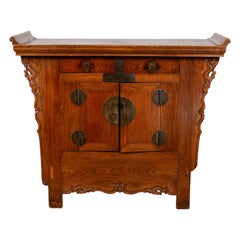
Vintage 1980s Ming Cabinets
Glass, Mahogany, Burl
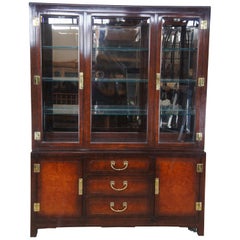
Antique 19th Century Chinese Ming Cabinets
Metal
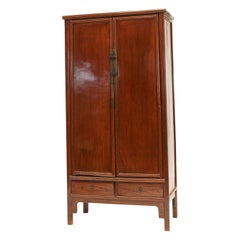
Early 20th Century Ming Shelves
Rosewood
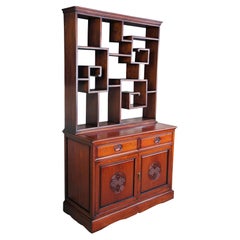
Late 20th Century Ming Wardrobes and Armoires
Elm, Lacquer
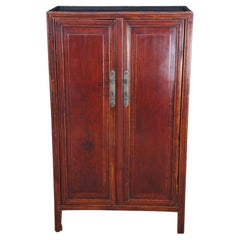
Antique 19th Century Chinese Ming Cabinets
Cypress, Lacquer
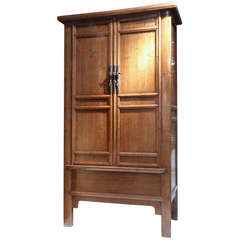
Late 20th Century Ming Buffets
Elm, Lacquer
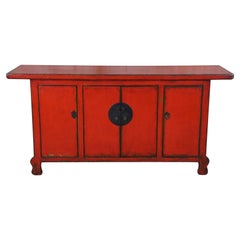
Antique Late 17th Century Chinese Qing Cabinets
Lacquer
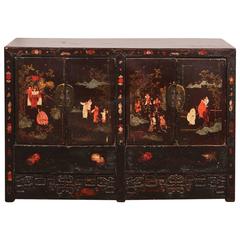
Late 20th Century Ming Cabinets
Gold Leaf
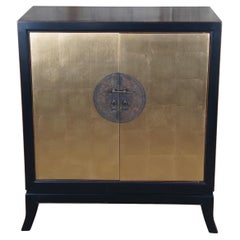
Late 20th Century Ming Linen Presses
Elm, Paint
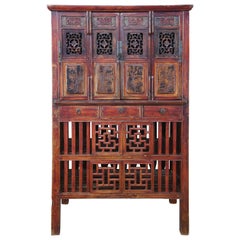
20th Century Chinese Ming Cabinets
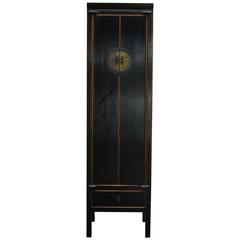
Antique Early 19th Century Chinese Ming Cabinets
Elm
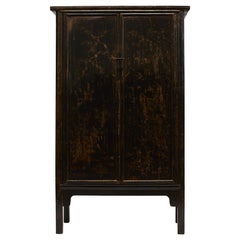
Antique 18th Century and Earlier Chinese Cabinets
Elm
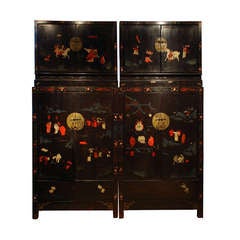
Antique 19th Century Chinese Ming Cabinets
Brass
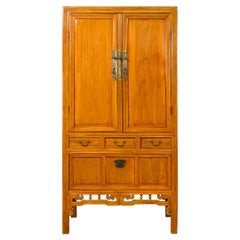
Antique 19th Century Chinese Ming Cabinets
Elm, Lacquer
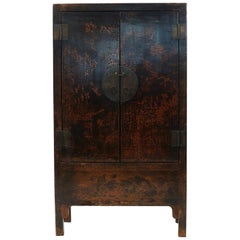
Late 20th Century Chinese Chinoiserie Sideboards
Brass
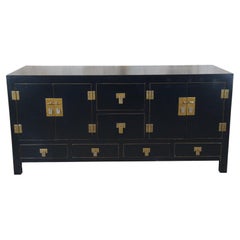
Antique Early 19th Century Chinese Ming Cabinets
Hardwood
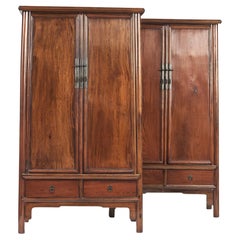
Antique Late 19th Century Chinese Qing Cabinets
Brass
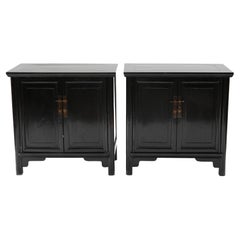
Antique Early 19th Century Chinese Ming Cabinets
Brass
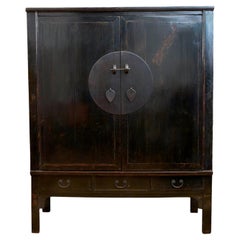
Antique Mid-19th Century Chinese Ming Wardrobes and Armoires
Wood
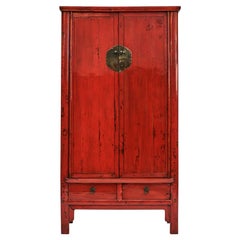
Antique Mid-19th Century Chinese Ming Cabinets
Elm, Paint
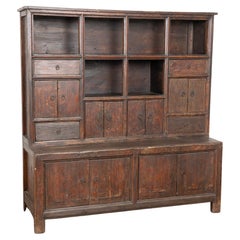
Antique Mid-19th Century Chinese Sideboards
Elm
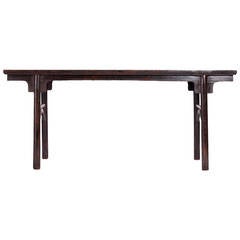
Antique Mid-19th Century Chinese Ming Cabinets
Elm
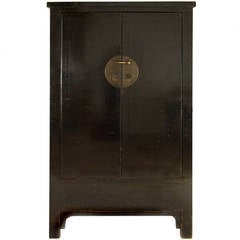
21st Century and Contemporary Chinese Ming Desks
Teak
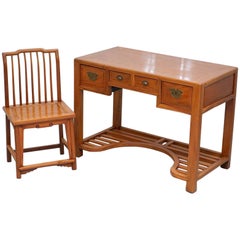
Antique Mid-19th Century Chinese Qing Cabinets
Brass
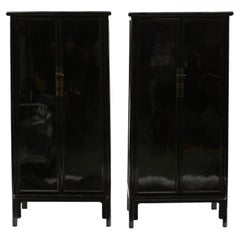
Antique Mid-17th Century Chinese Ming Furniture
Wood
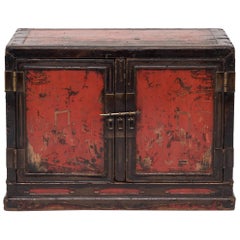
Antique Early 19th Century Chinese Ming Cabinets
Wood
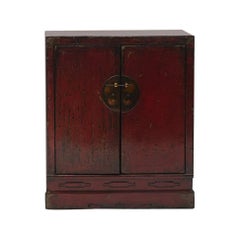
20th Century Chinese Ming Furniture
Brass
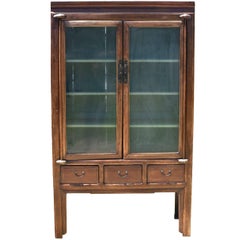
20th Century Chinese Chinese Export Cabinets
Brass
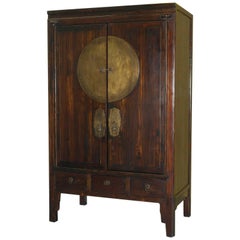
20th Century Korean Ming Apothecary Cabinets
Brass
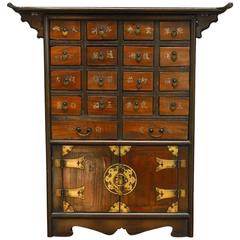
Antique Early 19th Century Chinese Sideboards
Elm
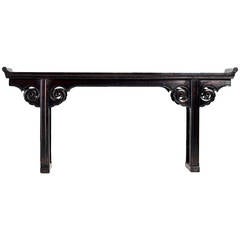
Antique Late 19th Century Chinese Ming Sideboards
Elm, Lacquer, Paint
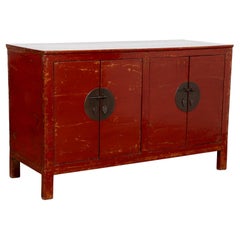
20th Century Ming Cabinets
Hardwood, Lacquer
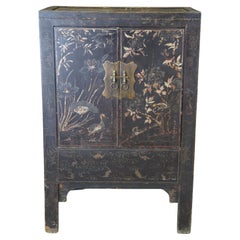
Late 20th Century Chinese Ming Bookcases
Wood
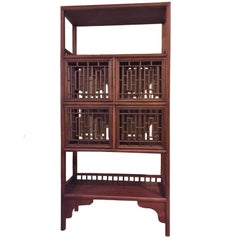
Antique Early 19th Century Chinese Ming Furniture
Bronze
People Also Browsed
Antique 19th Century Japanese Meiji Furniture
Mother-of-Pearl, Wood
Mid-20th Century Italian Hollywood Regency Animal Sculptures
Terracotta
Mid-20th Century Japanese Organic Modern Decorative Boxes
Wood, Ash, Hardwood
Vintage 1950s French Mid-Century Modern Beds and Bed Frames
Metal
Antique 19th Century Chinese Late Victorian Ceramics
Ormolu
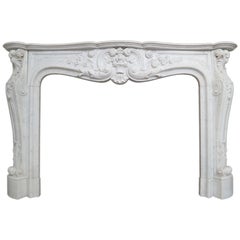
Antique 19th Century French Louis XV Fireplaces and Mantels
Marble
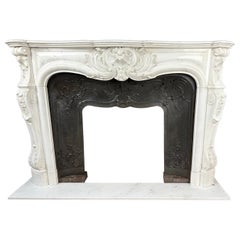
Antique 18th Century French Louis XV Fireplaces and Mantels
Carrara Marble
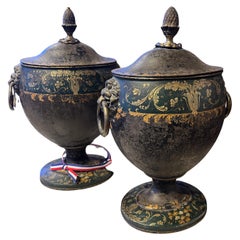
Antique 18th Century French Regency Urns
Chestnut
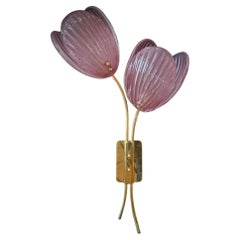
2010s Italian Mid-Century Modern Wall Lights and Sconces
Brass
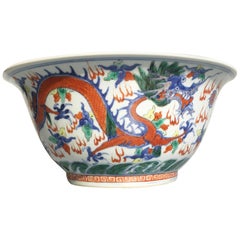
Antique Late 19th Century Chinese Qing Ceramics
Porcelain
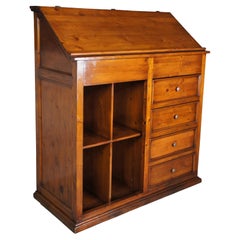
Mid-20th Century Rustic Secretaires
Pine
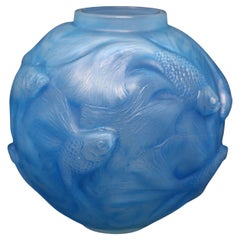
Vintage 1920s Vases
Glass
20th Century Chinese Chinese Export Console Tables
Rosewood
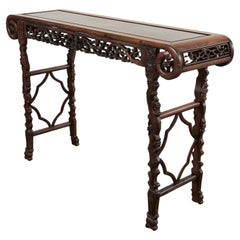
Early 20th Century Chinese Qing Furniture
Wood
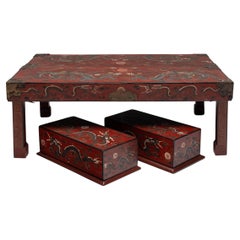
Early 20th Century Chinese Art Deco Furniture
Elm
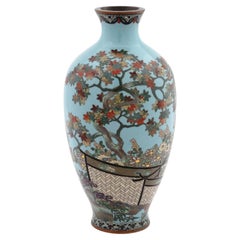
Antique Late 19th Century Japanese Meiji Vases
Enamel, Silver
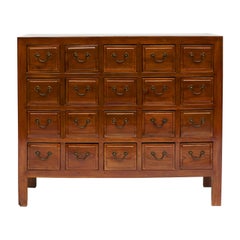
Chinese Cabinet Ming For Sale on 1stDibs
How Much is a Chinese Cabinet Ming?
A Close Look at Ming Furniture
In what’s considered a golden age of Chinese furniture, Ming dynasty artisans produced expertly made designs that married elegance and function. Ming furniture was versatile, such as tables that doubled as writing desks and dining spaces. But it was also beautiful, enhancing a room with clean lines, soft curves and sophisticated decoration.
Dating from 1368 to 1644, the Ming dynasty was a vibrant time for international trade and culture. Especially for scholars and the wealthy, there was an emphasis on a home’s design to promote a good life. From large wardrobes to angular sofas, Ming-style furniture was defined by its joinery, which, instead of nails, involved meticulously designed interlocking elements of wood. This material was carefully selected and positioned to make the grain part of the design. The slow-growing huanghuali, a yellowish rosewood, was particularly valued for its bright color.
Although ornamentation was minimal, Ming dynasty furniture often featured carved or painted details of flowers, insects, dragons, fruits and other motifs. Chairs crafted for scholars could include calligraphic brush writing. As overseas trade expanded, techniques from the West, like cloisonné enamel painting, adorned table screens and other pieces.
Ming furniture influenced styles abroad such as Queen Anne in England and Hollywood Regency in the United States. The curved shape of Ming armchairs had a profound impact on legendary Scandinavian modernist furniture designer Hans Wegner. The Danish cabinetmaker shared the Ming artisans’ interest in creating streamlined, functional furnishings, and his China chair, Round chair and Wishbone chair are inspired by Ming dynasty seating. Today, the Ming-style horseshoe chair is a graceful and sought-after type of seat, and contemporary Chinese designers such as Jerry Chen and Gan Erke are also drawing on this heritage for a new era of style.
Find a collection of Ming cabinets, decorative objects, lounge chairs and other furniture on 1stDibs.
Finding the Right Case Pieces And Storage Cabinets for You
Of all the vintage storage cabinets and antique case pieces that have become popular in modern interiors over the years, dressers, credenzas and cabinets have long been home staples, perfect for routine storage or protection of personal items.
In the mid-19th century, cabinetmakers would mimic styles originating in the Louis XIV, Louis XV and Louis XVI eras for their dressers, bookshelves and other structures, and, later, simpler, streamlined wood designs allowed these “case pieces” or “case goods” — any furnishing that is unupholstered and has some semblance of a storage component — to blend into the background of any interior.
Mid-century modern furniture enthusiasts will cite the tall modular wall units crafted in teak and other sought-after woods of the era by the likes of George Nelson, Poul Cadovius and Finn Juhl. For these highly customizable furnishings, designers of the day delivered an alternative to big, heavy bookcases by considering the use of space — and, in particular, walls — in new and innovative ways. Mid-century modern credenzas, which, long and low, evolved from tables that were built as early as the 14th century in Italy, typically have no legs or very short legs and have grown in popularity as an alluring storage option over time.
Although the name immediately invokes images of clothing, dressers were initially created in Europe for a much different purpose. This furnishing was initially a flat-surfaced, low-profile side table equipped with a few drawers — a common fixture used to dress and prepare meats in English kitchens throughout the Tudor period. The drawers served as perfect utensil storage. It wasn’t until the design made its way to North America that it became enlarged and equipped with enough space to hold clothing and cosmetics. The very history of case pieces is a testament to their versatility and well-earned place in any room.
In the spirit of positioning your case goods center stage, decluttering can now be design-minded.
A contemporary case piece with open shelving and painted wood details can prove functional as a storage unit as easily as it can a room divider. Alternatively, apothecary cabinets are charming case goods similar in size to early dressers or commodes but with uniquely sized shelving and (often numerous) drawers.
Whether you’re seeking a playful sideboard that features colored glass and metal details, an antique Italian hand-carved storage cabinet or a glass-door vitrine to store and show off your collectibles, there are options for you on 1stDibs.
- Can I paint my Chinese cabinet?1 Answer
 Lotus GallerySeptember 23, 2020
Yes, you can paint your Chinese cabinet, though unless it is in poor condition, doing so is usually frowned upon. You will have to sand down the surface beforehand, as most Chinese cabinets have a lacquer finish.
- Lotus GallerySeptember 23, 2020
A Chinese wedding cabinet is a general term to refer to any number of large armoire type cabinets with two large doors and fitted with shelves and usually a false bottom. True wedding cabinets will have auspicious paintings, such as butterflies or flowers, or even boys, covering the doors and frame.
- Lotus GallerySeptember 23, 2020
Generally speaking, antique Chinese cabinets are very well made, using solid wood with joined construction. Vintage and modern Chinese cabinets will generally not be of the same high quality as antique pieces.