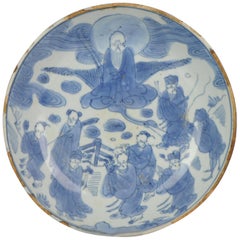
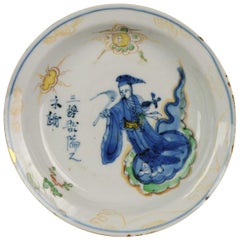
Chinese Immortal Plate
Antique 17th Century Chinese Ming Ceramics
Porcelain

Recent Sales
Antique 17th Century Chinese Ming Ceramics
Porcelain
People Also Browsed
Antique Mid-18th Century Chinese Chinese Export Porcelain
Porcelain
Antique 19th Century Russian Religious Items
Bronze, Enamel
17th Century Baroque Portrait Paintings
Copper
20th Century Indian Anglo-Indian Decorative Boxes
Wood, Lacquer
Vintage 1940s French Classical Roman Busts
Marble
Antique 19th Century Chinese Chinoiserie Lacquer
Marble
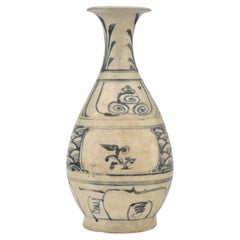
Antique 15th Century and Earlier Vietnamese Vases
Stoneware
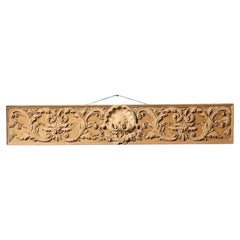
Antique Early 19th Century English Georgian Wall-mounted Sculptures
Wood, Pine
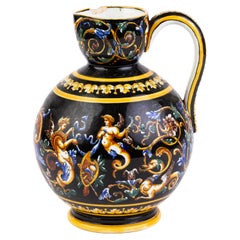
Antique 19th Century Pitchers
Faience
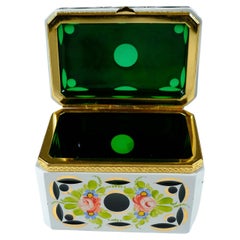
Mid-20th Century Italian Decorative Boxes
Glass
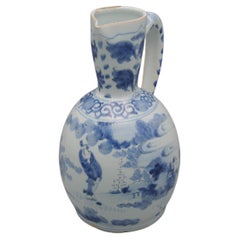
Antique Late 17th Century Dutch Chinoiserie Delft and Faience
Pewter
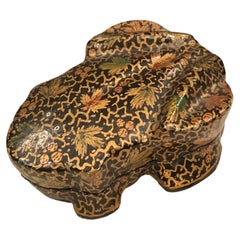
Vintage 1960s Indian Decorative Boxes
Paper
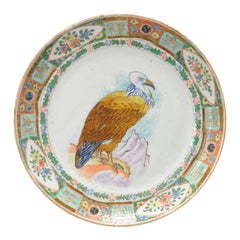
Antique 19th Century Chinese Decorative Dishes and Vide-Poche
Porcelain
Antique 18th Century Chinese Qing Planters, Cachepots and Jardinières
Porcelain
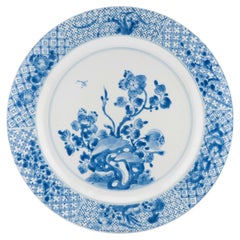
Antique Late 19th Century Pitchers
Ceramic
Antique Late 18th Century English George III Secretaires
Satinwood
Chinese Immortal Plate For Sale on 1stDibs
How Much is a Chinese Immortal Plate?
A Close Look at Ming Furniture
In what’s considered a golden age of Chinese furniture, Ming dynasty artisans produced expertly made designs that married elegance and function. Ming furniture was versatile, such as tables that doubled as writing desks and dining spaces. But it was also beautiful, enhancing a room with clean lines, soft curves and sophisticated decoration.
Dating from 1368 to 1644, the Ming dynasty was a vibrant time for international trade and culture. Especially for scholars and the wealthy, there was an emphasis on a home’s design to promote a good life. From large wardrobes to angular sofas, Ming-style furniture was defined by its joinery, which, instead of nails, involved meticulously designed interlocking elements of wood. This material was carefully selected and positioned to make the grain part of the design. The slow-growing huanghuali, a yellowish rosewood, was particularly valued for its bright color.
Although ornamentation was minimal, Ming dynasty furniture often featured carved or painted details of flowers, insects, dragons, fruits and other motifs. Chairs crafted for scholars could include calligraphic brush writing. As overseas trade expanded, techniques from the West, like cloisonné enamel painting, adorned table screens and other pieces.
Ming furniture influenced styles abroad such as Queen Anne in England and Hollywood Regency in the United States. The curved shape of Ming armchairs had a profound impact on legendary Scandinavian modernist furniture designer Hans Wegner. The Danish cabinetmaker shared the Ming artisans’ interest in creating streamlined, functional furnishings, and his China chair, Round chair and Wishbone chair are inspired by Ming dynasty seating. Today, the Ming-style horseshoe chair is a graceful and sought-after type of seat, and contemporary Chinese designers such as Jerry Chen and Gan Erke are also drawing on this heritage for a new era of style.
Find a collection of Ming cabinets, decorative objects, lounge chairs and other furniture on 1stDibs.
Finding the Right Ceramics for You
With their rich and diverse history, antique, new and vintage Asian ceramics offer colorful and sophisticated ways to add flair to any space.
Japanese pottery dates back at least 13,000 years to the Jōmon period. Pieces from the Late Jōmon era display a rope-cord pattern encircling a pot or jug. During the Muromachi period, potters created simple bowls and utensils frequently used in tea ceremonies and were made as both functional and aesthetic objects.
Ceramics made during Japan’s Meiji period, from 1868 to 1912, reflected an explosion of artistic expression propelled by new access to international trade. Details became more intricate and refined, and colors were enhanced with new glazing practices.
Chinese porcelain, meanwhile, is often identified by its shape. Each reign and dynasty had specific shapes and styles that were encouraged by the imperial ruler. During the Song dynasty, for instance, there were four dominant types of ceramic vase shapes: plum-shaped, pear-shaped, cong-shaped (tall and square) and double-gourd.
Chinese ceramics that were made during the Qing dynasty were demonstrative of an expanded artistic expression, with more delicate shapes and a focus on intricate detailing. The shapes of ceramics from this era are thinner, taller and have subtle features like a gentle flare, such as on the mallet-shaped vase.
Later, the 17th- and 18th-century interior design trend of chinoiserie brought Asian paintings and screens, textiles and other art and furniture from the continent into many European homes.
Explore an extensive range of antique, new and vintage Asian ceramics on 1stDibs to find the perfect piece for your home.