Chinese Inlay Furniture
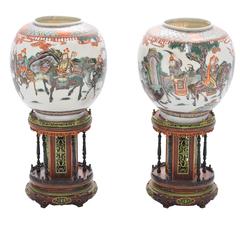
Antique 19th Century Chinese Ceramics
Porcelain, Rosewood

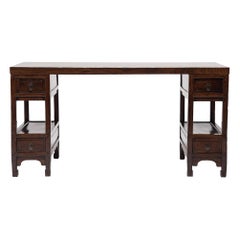
Antique Mid-19th Century Chinese Qing Desks and Writing Tables
Stone
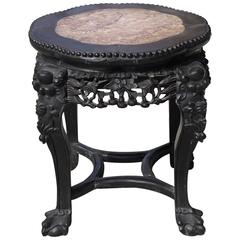
Antique Late 19th Century Chinese Chinese Export Coffee and Cocktail Tables
Marble
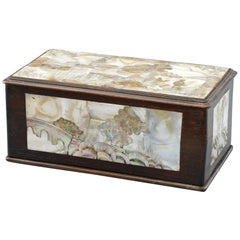
Antique Early 19th Century Chinese Qing Decorative Boxes
Mother-of-Pearl
Mid-20th Century Chinese Qing Sculptures and Carvings
Malachite, Wire
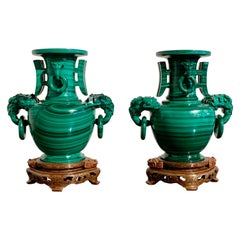
20th Century American Chinese Export Vases
Bronze
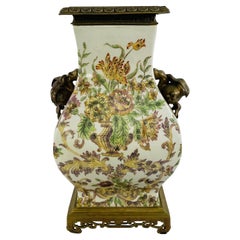
Antique Late 19th Century Chinese Wall Mirrors
Jade, Multi-gemstone
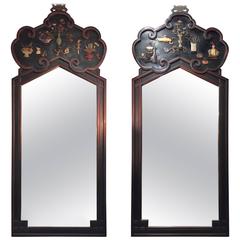
Vintage 1930s Chinese Art Deco Jewelry Boxes
Mother-of-Pearl, Velvet, Wood
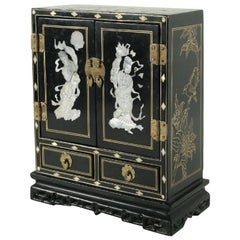
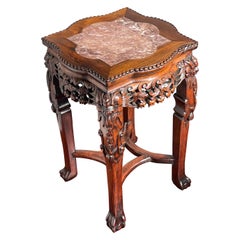
Antique Late 19th Century Chinese Chinese Export End Tables
Marble
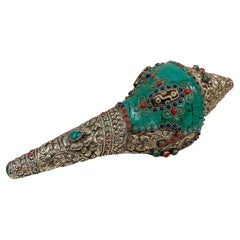
Early 20th Century Tibetan Chinese Export Natural Specimens
Shell
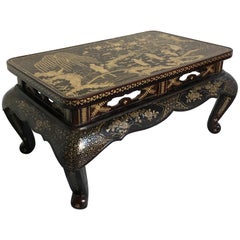
Antique Early 19th Century Chinese Qing Scholar s Objects
Lacquer, Mother-of-Pearl
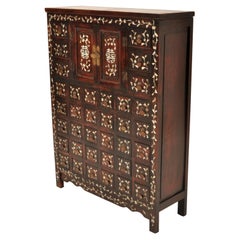
Antique Mid-19th Century Chinese Qing Apothecary Cabinets
Marble
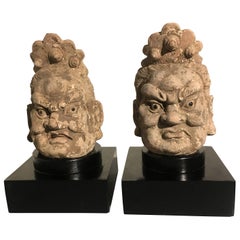
Antique 15th Century and Earlier Chinese Ming Sculptures and Carvings
Gesso, Glass, Stucco
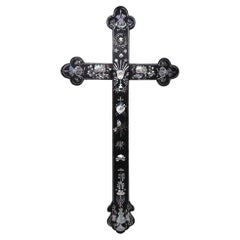
Antique 19th Century Vietnamese Other Religious Items
Shell, Hardwood
Antique Late 19th Century English Edwardian Cabinets
Mahogany
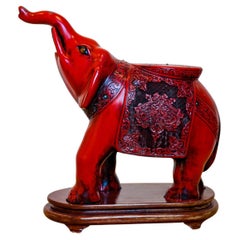
Vintage 1960s Animal Sculptures
Precious Stone, Lacquer
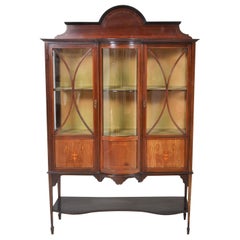
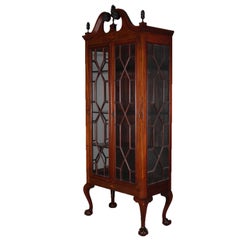
20th Century European Chippendale Cabinets
Glass, Mahogany, Satinwood
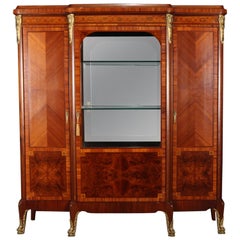
20th Century French Neoclassical Cabinets
Ormolu
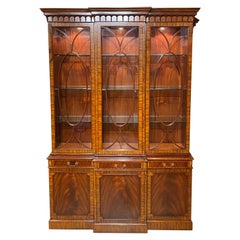
Late 20th Century American Bookcases
Brass
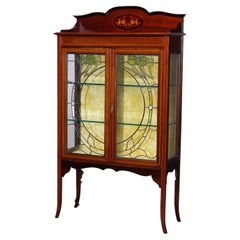
20th Century European Art Nouveau Cabinets
Glass, Stained Glass, Mahogany, Satinwood
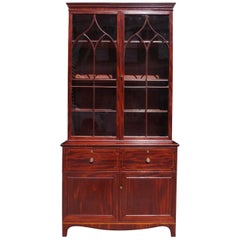
Antique 1790s English Georgian Bookcases
Brass
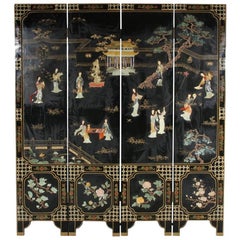
Mid-20th Century Chinese Chinese Export Paintings and Screens
Stone
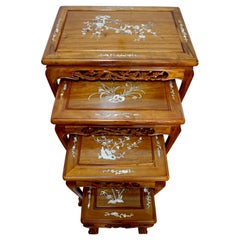
Mid-20th Century Chinese Chinese Export Nesting Tables and Stacking Tables
Rosewood, Mother-of-Pearl
Antique 1880s Vietnamese Chinese Export Wardrobes and Armoires
Wood, Bone
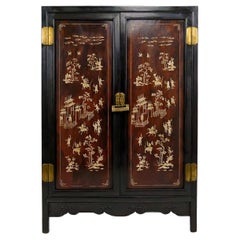
Vintage 1970s Chinese Chinoiserie Cabinets
Brass
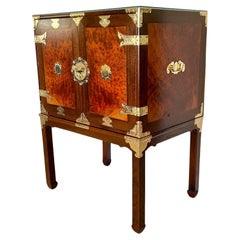
Mid-20th Century Chinese Scholar s Objects
Mother-of-Pearl, Wood
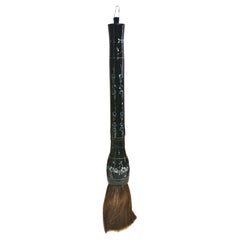
Mid-20th Century Chinese Scholar s Objects
Mother-of-Pearl, Wood
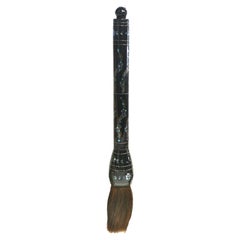
Antique 19th Century Chinese Table Lamps
Bronze
Early 20th Century Chinese Armchairs
Wood, Mother-of-Pearl
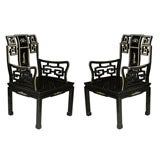
Antique Late 19th Century Chinese Chinese Export Center Tables
Mother-of-Pearl, Wood
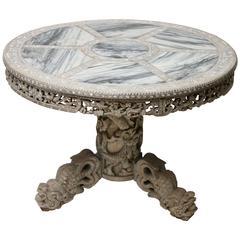
Antique 19th Century Boxes
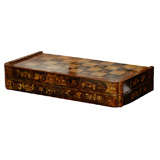
Antique Early 1900s Chinese Bookcases
Mother-of-Pearl, Bamboo
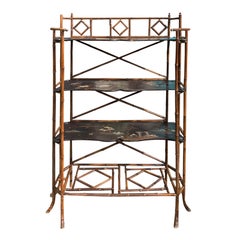
Vintage 1930s Chinese Coffee and Cocktail Tables
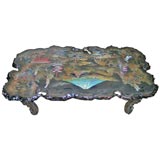
Early 20th Century Chinese Scholar s Objects
Wood, Mother-of-Pearl, Silk
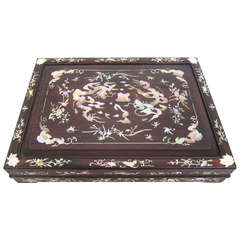
Vintage 1910s Chinese Export Dining Room Sets
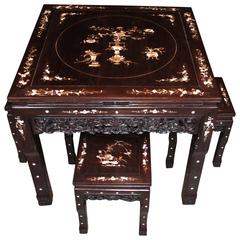
Vintage 1930s Chinese Vases
Mother-of-Pearl, Lacquer
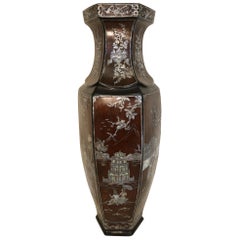
Vintage 1920s Chinese Dining Room Sets
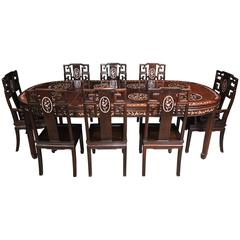
Vintage 1920s American Hollywood Regency Cabinets
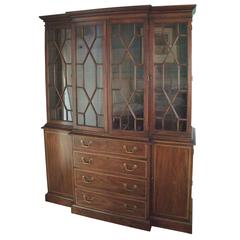
Antique 19th Century Chinese Armchairs
Wood
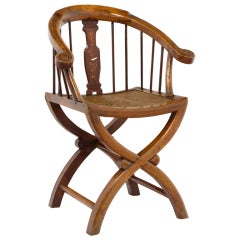
Vintage 1960s Chinese Coffee and Cocktail Tables
Marble
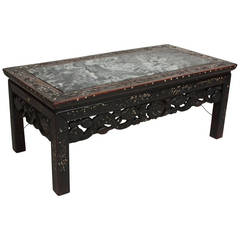
20th Century Chinese Stools
Wood
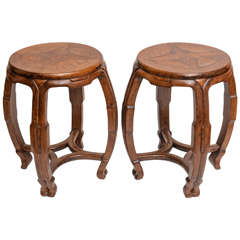
20th Century Chinese Dining Room Tables
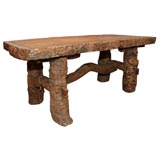
Antique 1790s Chinese Furniture
Ebony, Ivory, Padouk
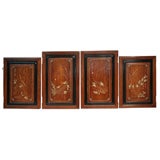
Antique 19th Century Chinese Panelling
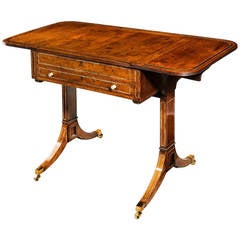
Antique 1860s Chinese End Tables
Marble
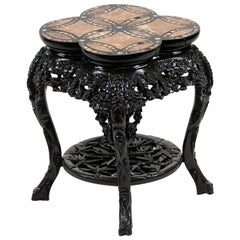
Vintage 1930s Chinese Chinese Export More Asian Art, Objects and Furniture
Jade
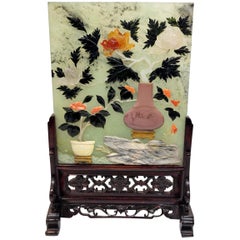
Antique 19th Century Chinese Center Tables
Wood, Mother-of-Pearl
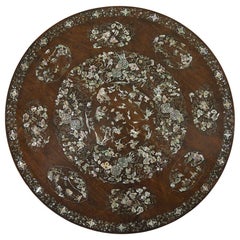
Antique 19th Century Chinese Center Tables
Hardwood, Ivory
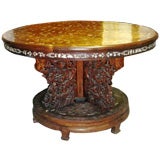
Vintage 1930s Chinese Chinese Export Paintings and Screens
Jade
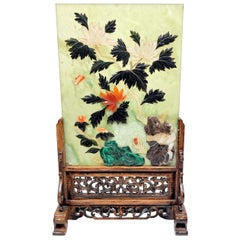
Early 20th Century Chinese Pedestals
Rosewood, Mother-of-Pearl
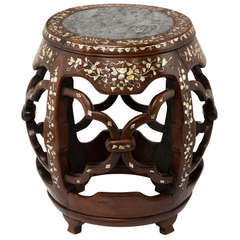
Antique 19th Century Boxes
Hardwood
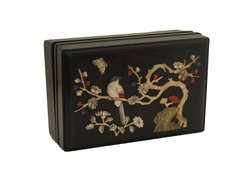
Antique 19th Century Chinese Chinese Export Antiquities
Giltwood, Mother-of-Pearl, Cane, Wood, Elm
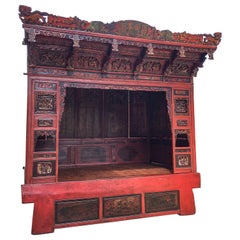
Antique 19th Century Chinese Cabinets
Mother-of-Pearl
20th Century Coffee and Cocktail Tables
Wood
20th Century Chinese Screens and Room Dividers
Early 20th Century Chinese Decorative Boxes

Antique 18th Century and Earlier Chinese Coffee and Cocktail Tables
- 1
Chinese Inlay Furniture For Sale on 1stDibs
How Much is a Chinese Inlay Furniture?
- What is bone inlay furniture?1 Answer1stDibs ExpertApril 5, 2022Bone inlay furniture is any piece of furniture that shows off embedded pieces of bone. Often, the inlay is in an intricate geometric or floral pattern. On 1stDibs, find a large collection of bone inlay furniture from some of the world’s top sellers.
- 1stDibs ExpertApril 5, 2022Bone inlay furniture is usually made out of wood or metal. An artisan creates carvings along the top, front or sides of the piece and then carefully applies pieces of natural bone to add ornamentation to the furnishings. On 1stDibs, shop a range of bone inlay furniture.
- 1stDibs ExpertApril 5, 2022Mother of pearl inlay furniture is a chair, table or case good usually made out of wood and embellished with fragments of oyster or mussel shells called mother of pearl. Furniture makers make carvings into the furniture and then carefully add the cut mother of pearl. On 1stDibs, find a range of mother of pearl inlay furniture.
- 1stDibs ExpertJune 15, 2023To care for Chinese lacquered furniture, wipe it with a damp cloth regularly. You can use a paste wax intended for use on lacquer finishes to restore shine, but avoid using harsh furniture polishes and cleaners on pieces. On 1stDibs, shop a range of lacquered furniture.
- 1stDibs ExpertApril 5, 2022Chinese-style furniture is usually called Chinoiserie. The term indicates furniture and decorative objects produced in Europe and North America that borrow design elements from pieces made in China and other East Asian countries. On 1stDibs, find a collection of Chinoiserie.
- 1stDibs ExpertNovember 4, 2024To identify antique Chinese furniture, look carefully at its details. Chinese craftsmen often built furniture using mortise and tenon joinery, eliminating the need for nails and screws. If you see this type of hardware, your piece is likely not at least 100 years old, especially if the hardware still looks new and shiny. Since antique furniture was handmade, you will normally see slight imperfections, such as tool marks or slight variations in carvings. Pieces that appear completely uniform and pristine are less often genuine antiques.
When present, maker's marks can also be helpful. Research the marks to learn more about when the maker was active and producing pieces like yours. Alternatively, you can have a certified appraiser or experienced antique dealer evaluate your furniture for you.
Shop an assortment of antique Chinese furniture.  PAGODA REDOctober 7, 2020
To determine the age of a Chinese furniture piece, look carefully at the joinery and finish. Natural expansion and contraction of the wood over time will cause a joint to protrude or retract, distorting a once-seamless fit. Antique lacquer finishes become crackled and worn over time. Areas of exposed wood, such as the underside of a table, the footrest of a chair, or the back of a cabinet should appear raw and dry compared to the finished surface. With use, the legs of tables and chairs become weathered near the bottom from precipitation and use.