Chinoiserie Blue White
20th Century Chinoiserie Abstract Sculptures
Porcelain
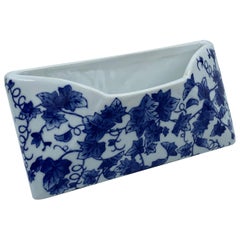
Antique 1790s English Chinoiserie Platters and Serveware
Earthenware
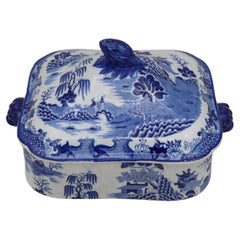
Antique 1750s English Chinoiserie Ceramics
Porcelain
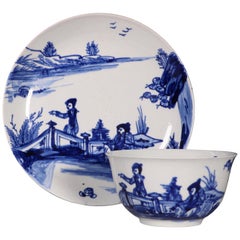
Antique Mid-19th Century Chinese Chinoiserie Table Lamps
Ceramic
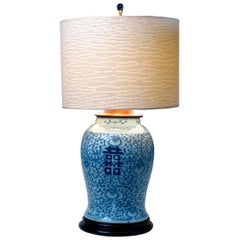
Antique Mid-19th Century Chinese Chinoiserie Table Lamps
Ceramic
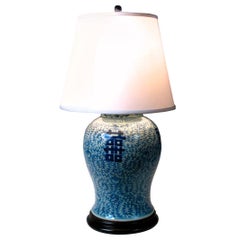
Antique Mid-18th Century English Chinoiserie Porcelain
Porcelain
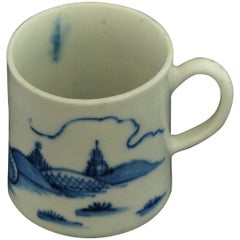
Antique Mid-18th Century English Chinoiserie Porcelain
Porcelain
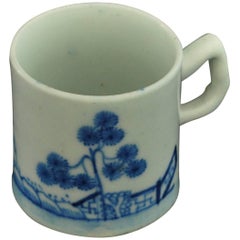
Antique Mid-18th Century English Chinoiserie Porcelain
Porcelain
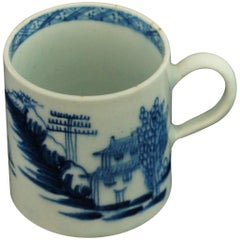
Antique Mid-18th Century English Chinoiserie Porcelain
Porcelain
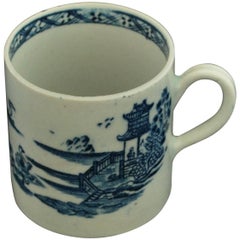
Antique Mid-18th Century English Chinoiserie Porcelain
Porcelain
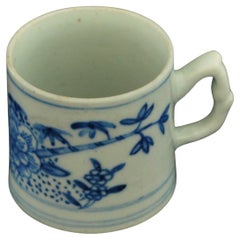
20th Century Chinoiserie Abstract Sculptures
Stone
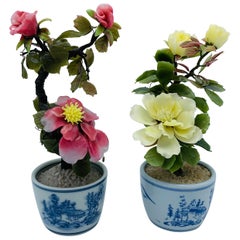
Antique Mid-18th Century English Chinoiserie Porcelain
Porcelain
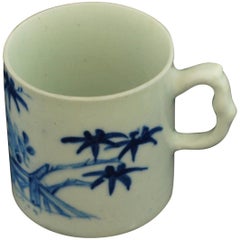
Antique Mid-18th Century English Chinoiserie Porcelain
Porcelain
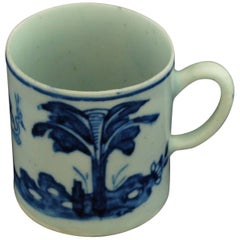
21st Century and Contemporary Chinoiserie Pillows and Throws
Velvet
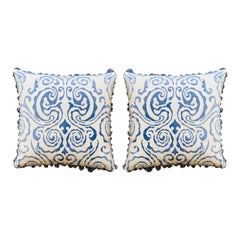
Antique Mid-18th Century English Chinoiserie Porcelain
Porcelain
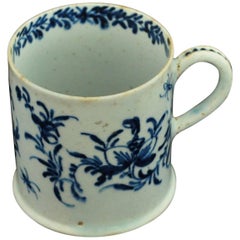
Antique Mid-19th Century Chinese Chinoiserie Porcelain
Bronze
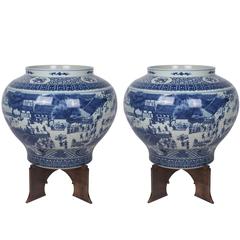
Antique Mid-18th Century English Chinoiserie Porcelain
Porcelain
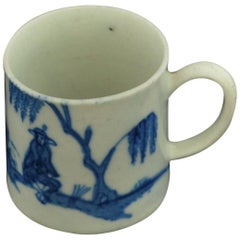
21st Century and Contemporary Chinoiserie Pillows and Throws
Cotton, Velvet
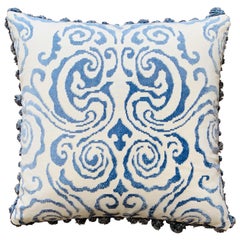
Antique Mid-18th Century English Chinoiserie Porcelain
Porcelain
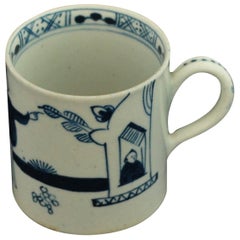
Antique Mid-18th Century English Chinoiserie Porcelain
Porcelain
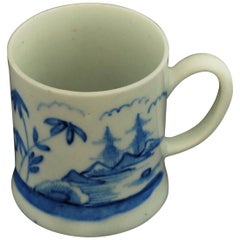
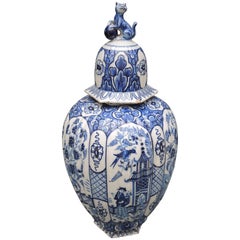
Antique Mid-19th Century Dutch Chinoiserie Vases
Pottery
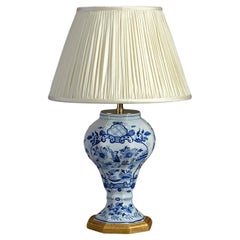
Early 20th Century Dutch Chinoiserie Table Lamps
Pottery
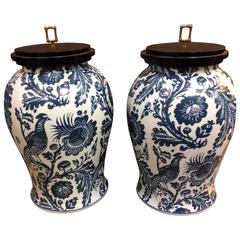
2010s Chinese Chinoiserie Urns
Porcelain, Wood
21st Century and Contemporary Japanese Chinoiserie Porcelain
Porcelain
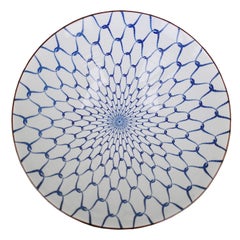
Antique 19th Century English Platters and Serveware
1990s British Chinoiserie Table Lamps
Brass
Vintage 1970s French Chinoiserie Centerpieces
Porcelain
Antique Late 19th Century Chinese Chinoiserie Vases
Porcelain
Antique 1750s English Ceramics
Earthenware, Delft, Pottery
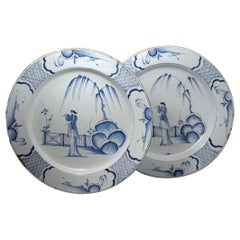
Antique Mid-18th Century English Chinoiserie More Furniture and Collecti...
Earthenware, Delft, Pottery
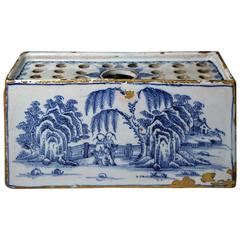
21st Century and Contemporary Chinese Chinoiserie Table Lamps
Pottery, Wood
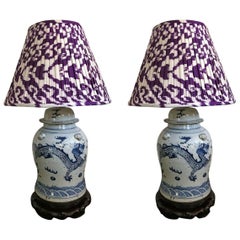

Antique 1890s English Victorian Decorative Art
Ceramic
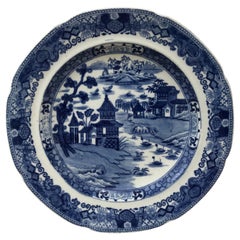
21st Century and Contemporary Chinese Chinoiserie Jars
Porcelain
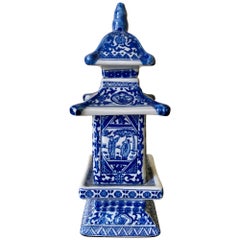
Mid-20th Century Unknown Chinoiserie Table Lamps
Metal
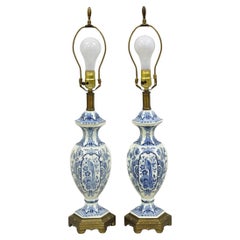
Vintage 1960s American Table Lamps
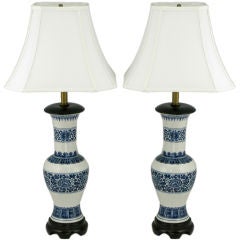
Antique 19th Century Chinese Chinoiserie Ceramics
Brass
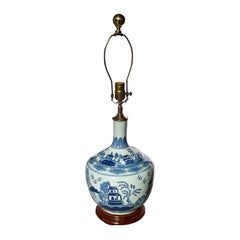
20th Century Chinese Chinoiserie Ceramics
Ceramic, Porcelain
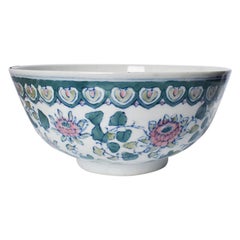
Late 20th Century Chinese Chinoiserie Side Tables
Porcelain
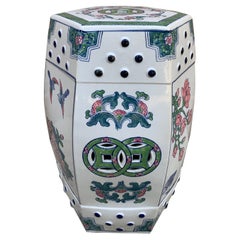
20th Century Chinese Chinoiserie Patio and Garden Furniture
Porcelain
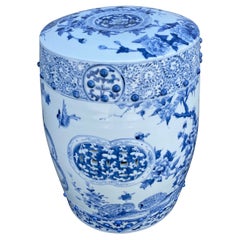
Late 20th Century American Chinoiserie Planters, Cachepots and Jardinières
Porcelain
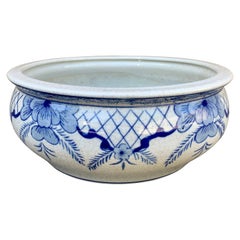
21st Century and Contemporary Chinese Chinoiserie Vases
Porcelain
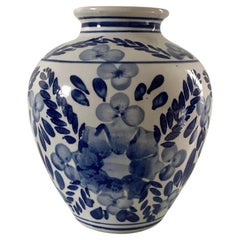
1990s Chinese Chinoiserie Obelisks
Ceramic
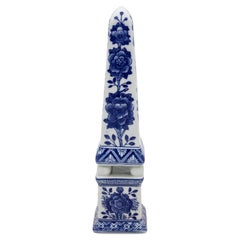
Late 20th Century American Chinoiserie Jars
Porcelain
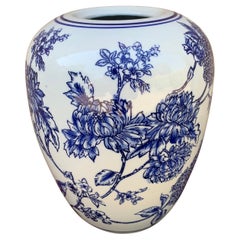
Late 20th Century Chinoiserie Planters and Jardinieres
Porcelain
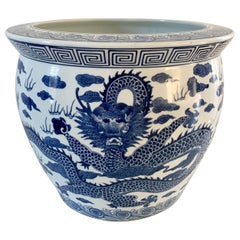
Late 20th Century Chinese Chinoiserie Side Tables
Porcelain
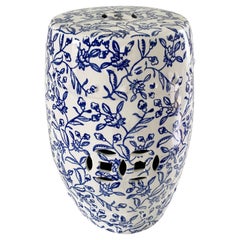
Late 20th Century Chinese Chinoiserie Side Tables
Porcelain
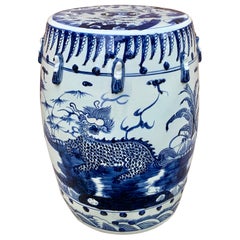
Late 20th Century Chinese Chinoiserie Umbrella Stands
Ceramic
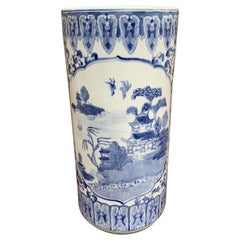
Antique 1890s British Chinoiserie Platters and Serveware
Faience, Ceramic
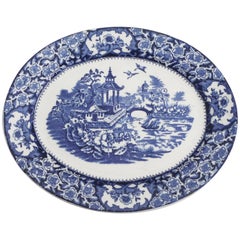
Antique Mid-19th Century English Chinoiserie Platters and Serveware
Pearlware, Pottery
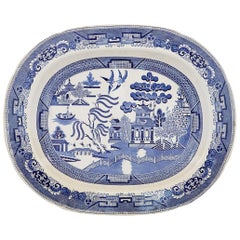
20th Century Chinoiserie Ceramics
Porcelain
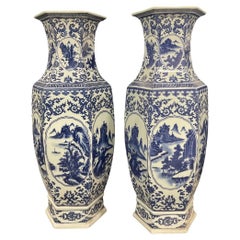
Early 20th Century Dutch Chinoiserie Platters and Serveware
Ceramic
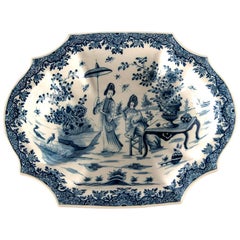
Late 20th Century Chinoiserie Vases
Porcelain
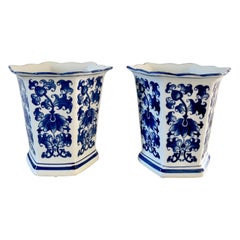
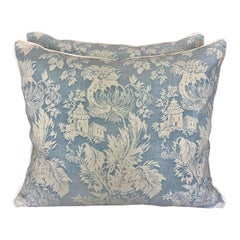
20th Century Italian Chinoiserie Pillows and Throws
Cotton
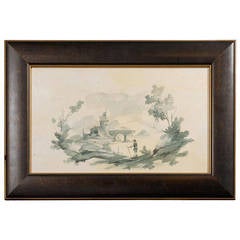
Antique 19th Century English Chinese Chippendale Paintings
Wood
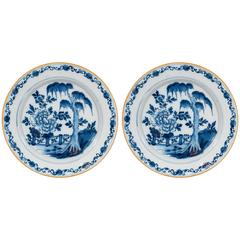
Antique Mid-18th Century Dutch Chinoiserie Delft and Faience
Delft
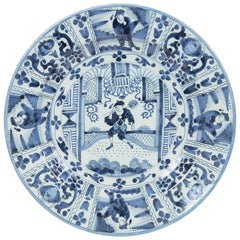
Antique Late 18th Century Dutch Chinoiserie Delft and Faience
Delft
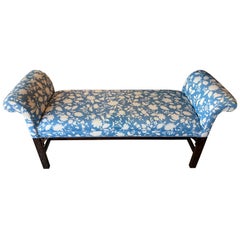
Vintage 1970s American Chinoiserie Benches
Upholstery, Wood
- 1
- ...
Chinoiserie Blue White For Sale on 1stDibs
How Much is a Chinoiserie Blue White?
A Close Look at Chinoiserie Furniture
Emerging in the 17th century, chinoiserie appropriated the aesthetics and imagery of popular East Asian design for European-made versions. Reflecting the exoticization of China, Japan and other countries in this era, the word directly translates from French to “Chinese-esque,” which reveals its shortcomings as a style of furniture and decor that often stereotypically and reductively mimics Asian culture rather than showcasing and paying tribute to its artistic traditions.
The enthusiastically decorative chinoiserie style was propelled by influential tastemakers including French King Louis XIV, whose Trianon de Porcelaine in 1670 was inspired by Chinese architecture. Expanded trade between the East and West led to a demand for porcelain, lacquer objects, silk and other goods, which further informed the fanciful furniture being crafted in Europe.
Artisans working in the chinoiserie style used materials and elements like pagoda shapes, bamboo, lacquer surfaces, bird and flower motifs and other interpretations of Asian design on pieces that were frequently set against vibrant wallcoverings. This whimsical approach yielded chinoiserie furniture that boasted dramatic flourishes drawing on the natural world and reflected the dominance of Rococo during the 18th century.
As chinoiserie was shaped by approximations of Asian design by European creators, it had regional variations, such as Chinese Chippendale in England where cabinets, chairs and tea tables had wooden fretwork designs and “japanned” surfaces intended to resemble lacquer work that was created in East Asia. In North America, furniture makers in Boston and New York integrated chinoiserie-painted scenes into Queen Anne furniture.
Antique chinoiserie furniture has continued to be fashionable, from its popularity with decorators of the Hollywood Regency era — James Mont, Tommi Parzinger, William Haines and Samuel Marx favored the style — to contemporary interior designers, although it brings with it a complex history.
Find a collection of chinoiserie bedroom furniture, cabinets, decorative objects and more on 1stDibs.
- 1stDibs ExpertFebruary 22, 2021Blue and white porcelain is often called Delftware, though there are many other types as well. This type of porcelain is so popular and has remained so over time because the blue pigment can withstand the high temperature needed to fire the pieces.
- 1stDibs ExpertApril 5, 2022Chinese blue and white porcelain is the most common type of decorated porcelain. Its name in Chinese is qinghua. On 1stDibs, you’ll find a collection of antique and modern Chinese blue and white porcelain from some of the world’s top sellers.
- 1stDibs ExpertAugust 17, 2021The blue and white ceramic pieces are called Delftware or faience. Delftware is a type of tin-glazed earthenware in which a white glaze is applied and then decorated with a metal oxide, such as a cobalt oxide, which gives this pottery its gorgeous blue color. Shop beautiful Delftware and faience pieces on 1stDibs.
- 1stDibs ExpertOctober 19, 2021Blue and white china is also referred to as blue and white pottery or blue and white porcelain. Chinese export porcelain has a long history. This work has long been a part of trade between East Asia and the West, and it is rooted in the days of the Silk Road. The porcelain is decorated under a glaze with cobalt oxide, which gives it a blue color. Find a collection of antique and vintage blue and white pottery on 1stDibs today.
- 1stDibs ExpertApril 5, 2022There are many different styles of pottery that use blue and white in their designs. The most popular blue and white porcelain from China is known as Qinghua. The style originated during the Yuan dynasty and evolved through several centuries. The technique uses blue pigment underglaze to decorate white porcelain. Shop a selection of blue and white vases and porcelain pieces on 1stDibs.
- 1stDibs ExpertNovember 2, 2021Blue and white china is also referred to as blue and white pottery or blue and white porcelain. Chinese export porcelain has long been a part of trade between East Asia and the West, and it is rooted in the days of the Silk Road. Blue patterns are painted over the white pottery, and the porcelain is decorated under a glaze with cobalt oxide, which gives it a blue color. Find a collection of antique and vintage blue and white pottery on 1stDibs today.
- 1stDibs ExpertApril 5, 2022How old blue and white pottery is depends on its type. Asian blue and white pottery may date back all the way to the 14th century or be much newer. Delftware pottery came into production during the 16th century. Shop a large selection of blue and white pottery on 1stDibs.
- 1stDibs ExpertApril 5, 2022In China, the art of making white porcelain with local kaolin produced attractive pieces with a luxe white finish. When they learned that cobalt oxide was the only pigment that could withstand the high firing temperatures of porcelain, a new type of ceramic entered the market. Blue and white porcelain first appeared in the 14th century in China. This technique worked its way across the globe. Shop a collection of expertly vetted porcelain from some of the world’s top sellers on 1stDibs.
- 1stDibs ExpertApril 5, 2022Antique blue and white china are known as Flow Blue. Flow Blue was popular during the Victorian era and is still highly coveted by collectors for its eye-catching design and hazy patterns. Browse a wide selection of authentic Flow Blue dishware and serve ware on 1stDibs.
- 1stDibs ExpertApril 5, 2022Blue and white Chinese pottery is called Qinghua, and is amongst China’s most famous china. It is characterized by its underglaze ceramic finish, decorated with ornate cobalt blue pigment. On 1stDibs, find a collection of authentic Qinghua porcelain from some of the world’s top sellers.
- 1stDibs ExpertMarch 22, 2022Chinese blue and white porcelain is called qinghua, pronounced “CHING-hwa.” Artisans first began producing the porcelain during the Tang and Song dynasties ranging from 609 to 1279. However, the techniques the pottery is most well known for weren't developed until the subsequent Ming era, which lasted until 1644. You'll find a collection of Chinese porcelain on 1stDibs.
- 1stDibs ExpertApril 5, 2022Dutch blue and white ceramic dishes are called Delftware. Made in the Netherlands, the dishes are hand-painted and glazed using a centuries-old process involving clay and multiple glazes. Each piece is one-of-a-kind. You can shop a collection of Delftware from some of the world’s top sellers on 1stDibs.
Read More
Jackie Kennedy and Sister Parish Placed This Tea Table in the White House
The former First Lady kept the Victorian antique, with an elegant chinoiserie design, for the rest of her life.
Susanna Salk’s Favorite Designers Show Us How to Play with Patterns
Taking us on a whirlwind tour of spaces that use charming prints with aplomb, the interiors expert makes a compelling case for ditching staid solids when tackling your next decorating project.