Chinoiserie Ginger Jar
20th Century Chinese Chinoiserie Ceramics
Porcelain
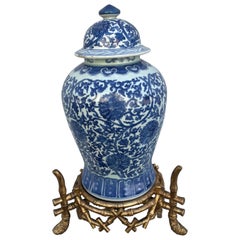
Early 20th Century Chinese Chinoiserie Ceramics
Porcelain
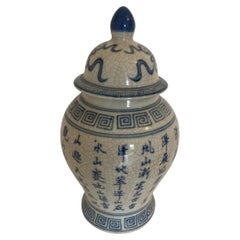

Mid-20th Century American Chinoiserie Table Lamps
Ceramic
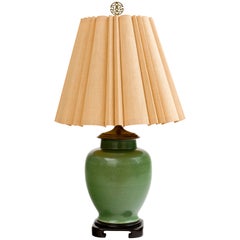
Early 20th Century Chinoiserie Table Lamps
Ceramic, Porcelain, Pottery
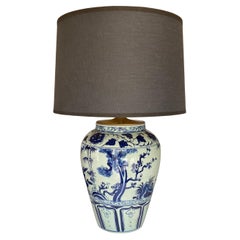
20th Century Chinese Chinoiserie Ceramics
Ceramic
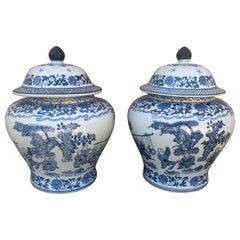
Vintage 1930s Chinoiserie Table Lamps
Pottery
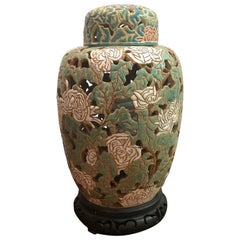
Vintage 1960s Chinese Chinoiserie Table Lamps
Porcelain
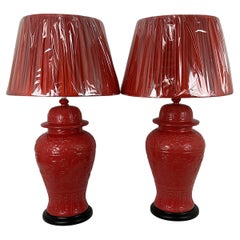
Late 20th Century Unknown Chinoiserie Table Lamps
Porcelain
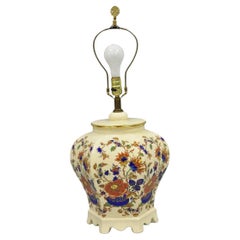
Early 20th Century Chinese Chinoiserie Table Lamps
Bronze
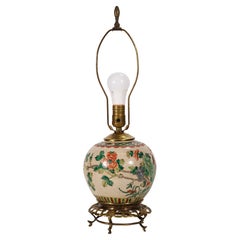
Vintage 1970s Asian Chinoiserie Table Lamps
Brass
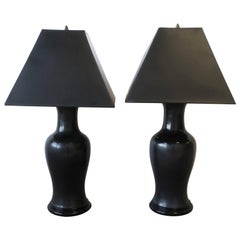
Mid-20th Century Chinese Chinoiserie Table Lamps
Glass
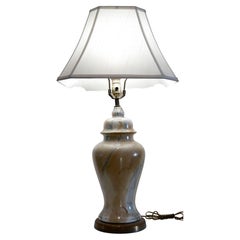
Vintage 1980s Unknown Chinoiserie Table Lamps
Brass
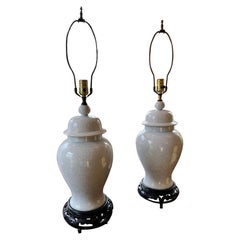
Mid-20th Century Unknown Chinoiserie Table Lamps
Porcelain
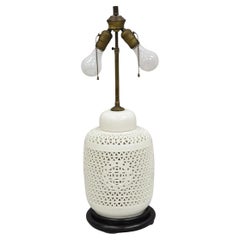
Early 20th Century Unknown Chinoiserie Table Lamps
Porcelain
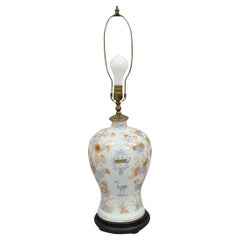
Late 20th Century Chinese Chinoiserie Table Lamps
Porcelain
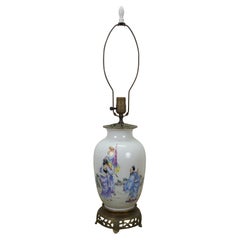
Late 20th Century Hong Kong Chinoiserie Table Lamps
Brass
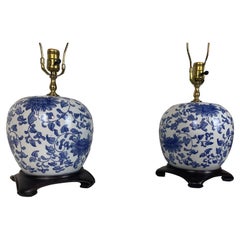
Mid-20th Century Chinese Chinoiserie Table Lamps
Brass
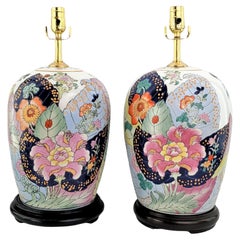
Vintage 1970s American Chinoiserie Table Lamps
Ceramic, Wood
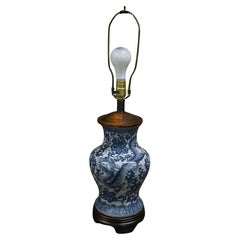
Vintage 1970s American Chinoiserie Table Lamps
Brass
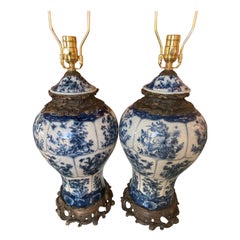
Vintage 1960s Chinoiserie Table Lamps
Porcelain
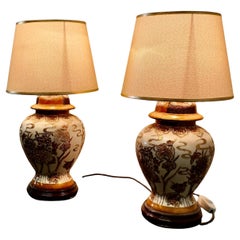
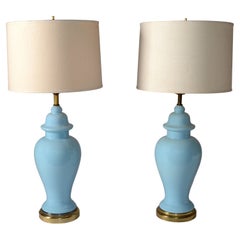
Vintage 1950s American Ming Table Lamps
Brass
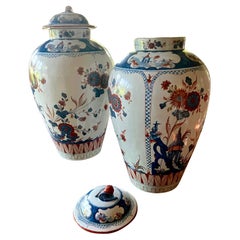
Antique Mid-19th Century French Chinoiserie Urns
Faience
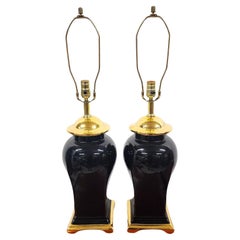
Vintage 1960s American Table Lamps
Brass
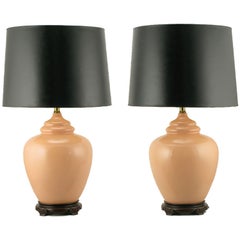
Vintage 1970s Regency Table Lamps
Ceramic
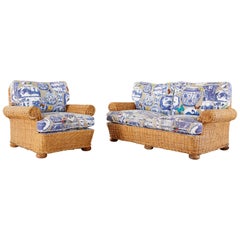
20th Century American Organic Modern Living Room Sets
Fabric, Wood, Wicker, Rattan
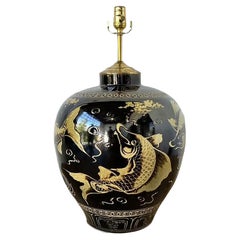
Late 20th Century Chinese Chinoiserie Table Lamps
Brass
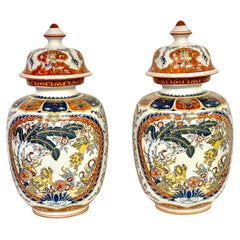
20th Century Chinese Vases
Porcelain, Paint
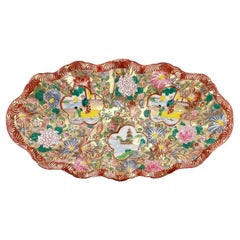
Early 20th Century Japanese Qing Decorative Dishes and Vide-Poche
Ceramic, Paint
Mid-20th Century Chinese Table Lamps
Porcelain
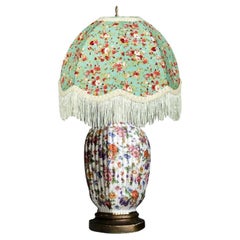
Mid-20th Century Chinese Chinoiserie Ceramics
Ceramic
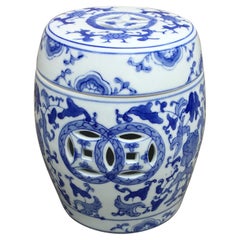
20th Century Chinoiserie Table Lamps
Porcelain
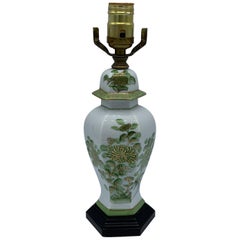
20th Century Chinoiserie Abstract Sculptures
Porcelain
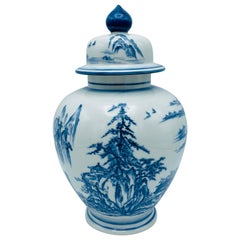
21st Century and Contemporary Chinese Chinoiserie Table Lamps
Pottery, Wood
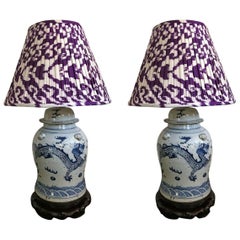
Mid-20th Century Chinese Chinoiserie Jars
Porcelain, Paint
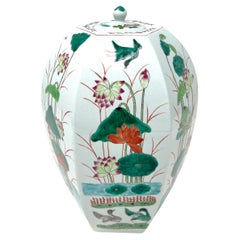
Mid-20th Century Chinese Chinoiserie Jars
Porcelain, Paint
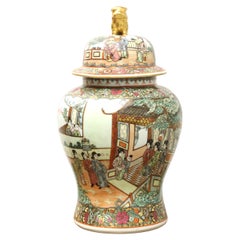
20th Century Chinoiserie Jars
Glass
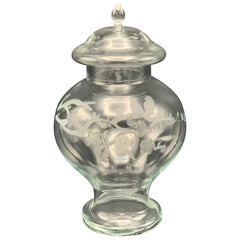
Vintage 1940s Chinese Chinoiserie Vases
Porcelain
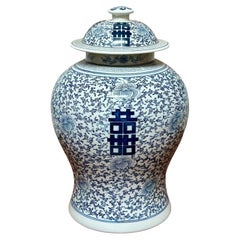
Antique 19th Century Asian Chinoiserie Urns
Celadon, Porcelain
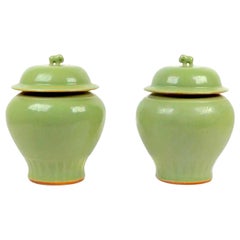
20th Century Chinoiserie Table Lamps
Ceramic
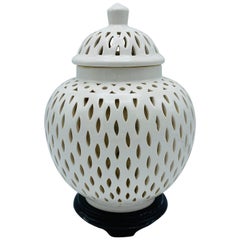
Vintage 1960s American Chinoiserie Table Lamps
Ceramic, Glass
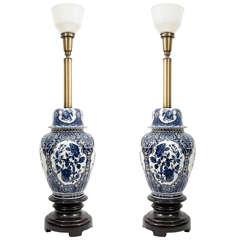
Late 20th Century Table Lamps
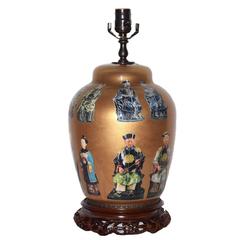
20th Century Chinoiserie Urns
Brass
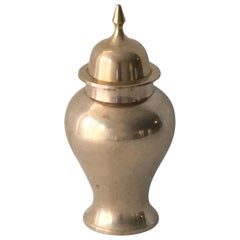
Late 20th Century North American Jars
Metal
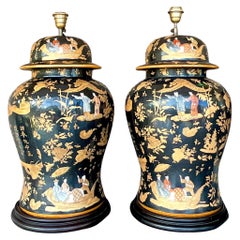
Vintage 1980s Unknown Chinese Export Urns
Bronze
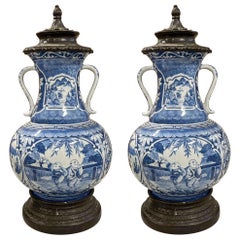
21st Century and Contemporary American Chinoiserie Table Lamps
Brass
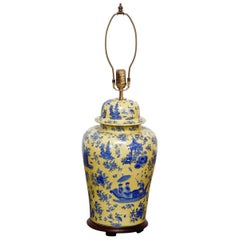
Mid-20th Century Chinese Chinoiserie Jars
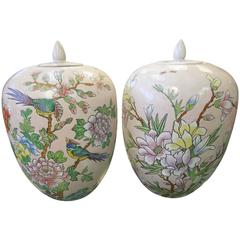
21st Century and Contemporary Jars
Ceramic
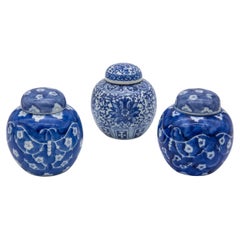
Vintage 1970s American Chinoiserie Table Lamps
Brass
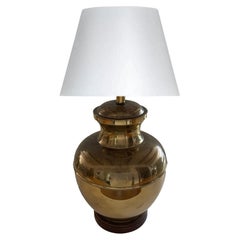
Vintage 1960s American Table Lamps
Brass
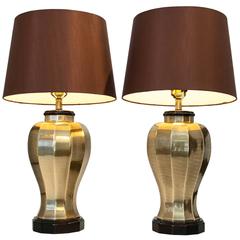
Mid-20th Century Italian Chinoiserie Jars
Porcelain
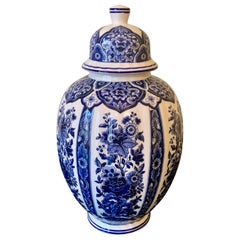
Vintage 1970s American Mid-Century Modern Table Lamps
Gold Leaf
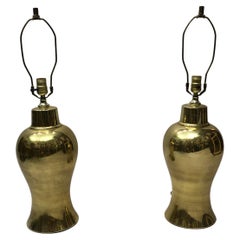
Mid-20th Century British Jars
Porcelain
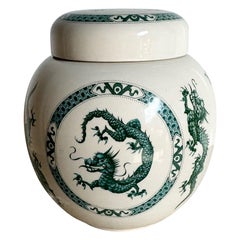
20th Century Chinese Chinoiserie Jars
Ceramic
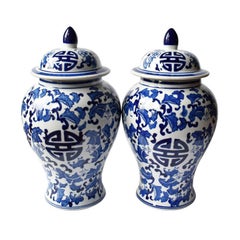
Mid-20th Century Italian Chinoiserie Jars
Porcelain
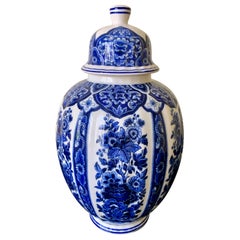
Mid-20th Century Italian Chinoiserie Jars
Porcelain
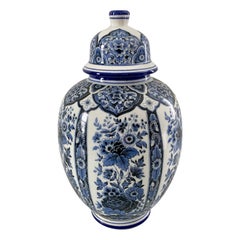
Mid-20th Century Italian Chinoiserie Jars
Porcelain
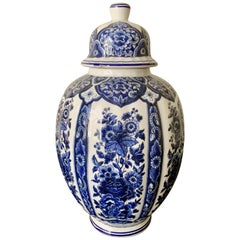
Late 20th Century Chinoiserie Jars
Porcelain
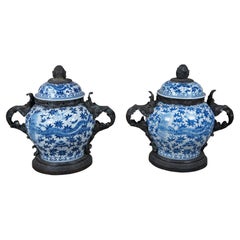
- 1
Chinoiserie Ginger Jar For Sale on 1stDibs
How Much is a Chinoiserie Ginger Jar?
A Close Look at Chinoiserie Furniture
Emerging in the 17th century, chinoiserie appropriated the aesthetics and imagery of popular East Asian design for European-made versions. Reflecting the exoticization of China, Japan and other countries in this era, the word directly translates from French to “Chinese-esque,” which reveals its shortcomings as a style of furniture and decor that often stereotypically and reductively mimics Asian culture rather than showcasing and paying tribute to its artistic traditions.
The enthusiastically decorative chinoiserie style was propelled by influential tastemakers including French King Louis XIV, whose Trianon de Porcelaine in 1670 was inspired by Chinese architecture. Expanded trade between the East and West led to a demand for porcelain, lacquer objects, silk and other goods, which further informed the fanciful furniture being crafted in Europe.
Artisans working in the chinoiserie style used materials and elements like pagoda shapes, bamboo, lacquer surfaces, bird and flower motifs and other interpretations of Asian design on pieces that were frequently set against vibrant wallcoverings. This whimsical approach yielded chinoiserie furniture that boasted dramatic flourishes drawing on the natural world and reflected the dominance of Rococo during the 18th century.
As chinoiserie was shaped by approximations of Asian design by European creators, it had regional variations, such as Chinese Chippendale in England where cabinets, chairs and tea tables had wooden fretwork designs and “japanned” surfaces intended to resemble lacquer work that was created in East Asia. In North America, furniture makers in Boston and New York integrated chinoiserie-painted scenes into Queen Anne furniture.
Antique chinoiserie furniture has continued to be fashionable, from its popularity with decorators of the Hollywood Regency era — James Mont, Tommi Parzinger, William Haines and Samuel Marx favored the style — to contemporary interior designers, although it brings with it a complex history.
Find a collection of chinoiserie bedroom furniture, cabinets, decorative objects and more on 1stDibs.
- What are ginger jars?1 Answer1stDibs ExpertFebruary 22, 2021Ginger jars are blue and white patterned jars that were once used for transporting spices in Ancient China. Today, they serve decorative purposes in homes.
- What is a ginger jar lamp?1 Answer1stDibs ExpertOctober 12, 2021A ginger jar lamp pairs a lovely lampshade with an ornate Chinese spice jar to create a visually appealing lamp. The lampshades can be neutral or colorful to create a beautiful effect. Find a collection of antique and vintage table lamps on 1stDibs.
- Why is it called a ginger jar?1 Answer
 PAGODA REDOctober 7, 2020
With a similar shape to the baluster jar, Chinese porcelain ginger jars have a rounded form, with broad shoulders tapering to the base and a narrowed neck topped by a domed lid. The unusual name comes from the export market, wherein salt and spices such as ground ginger travelled West in lidded storage vessels.
- 1stDibs ExpertMarch 22, 2022The original purpose of a ginger jar was to transport herbs and spices. It was European traders who gave the highly decorative containers their name. Today, people use ginger jars as decorations. Find a selection of ginger jars on 1stDibs.
- 1stDibs ExpertApril 5, 2022A ginger jar is a typically round jar that widens toward the top, or ‘shoulders’ of the jar. The narrower mouth is topped by a smooth domed lid. A temple jar features a handle or knob on the top of the lid. The jar itself is more curved as well. On 1stDibs, find a selection of ginger jars and temple jars.
 Lotus GallerySeptember 23, 2020
Chinese ginger jars were originally made as utilitarian vessels used to store various herbs and spices. Today, they are almost exclusively decorative objects.
- Lotus GallerySeptember 23, 2020
Chinese ginger jars are defined by their round, compact shape, wide mouth, short neck, and fitted cover.
- Lotus GallerySeptember 23, 2020
A Chinese ginger jar should be fairly compact in size, with a rounded, globular or ovoid body, high shoulders, a wide circular mouth, short neck, and a fitted cover.
Read More
Jackie Kennedy and Sister Parish Placed This Tea Table in the White House
The former First Lady kept the Victorian antique, with an elegant chinoiserie design, for the rest of her life.
Susanna Salk’s Favorite Designers Show Us How to Play with Patterns
Taking us on a whirlwind tour of spaces that use charming prints with aplomb, the interiors expert makes a compelling case for ditching staid solids when tackling your next decorating project.