Citterio Bed
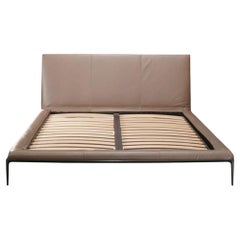
21st Century and Contemporary Italian Modern Beds and Bed Frames
Wood

Recent Sales
21st Century and Contemporary Italian Modern Beds and Bed Frames
Steel
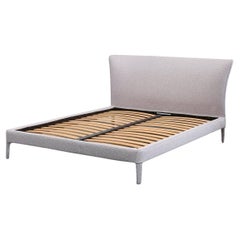
21st Century and Contemporary Italian Modern Beds and Bed Frames
Suede, Wood
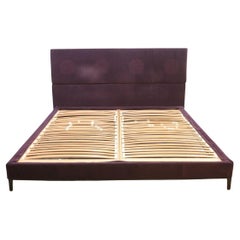
Vintage 1970s Italian Armchairs
Metal
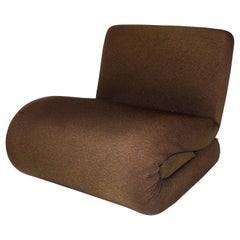
Late 20th Century Italian Modern Chaise Longues
Steel
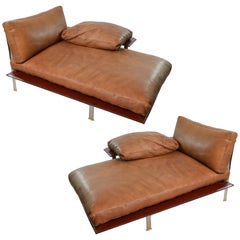
21st Century and Contemporary Italian Modern Daybeds
Leather
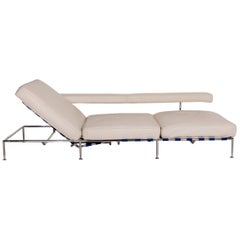
People Also Browsed
Vintage 1980s Side Tables
Travertine
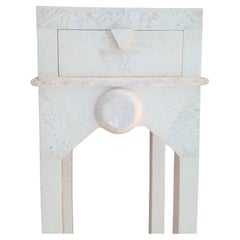
Mid-20th Century Italian Mid-Century Modern Lounge Chairs
Brass
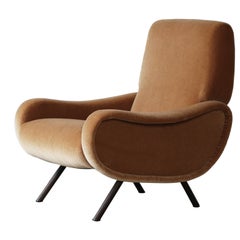
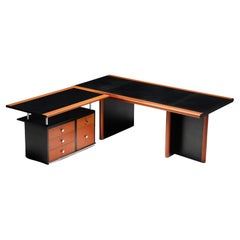
Vintage 1970s Italian Mid-Century Modern Desks and Writing Tables
Metal
21st Century and Contemporary Italian Modern Sofas
Steel, Aluminum
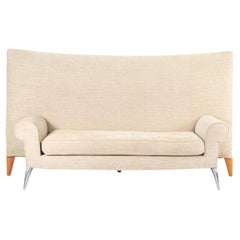
Vintage 1970s American Mid-Century Modern Sectional Sofas
Upholstery

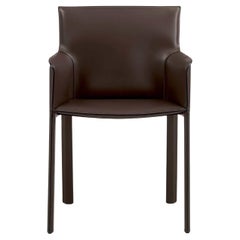
2010s Italian Chairs
Steel
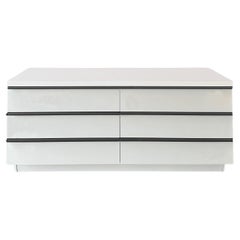
Late 20th Century American Modern Dressers
Wood
Vintage 1950s American Mid-Century Modern Sofas
Metal, Chrome
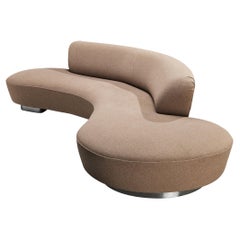
21st Century and Contemporary Italian Mid-Century Modern Sofas
Metal
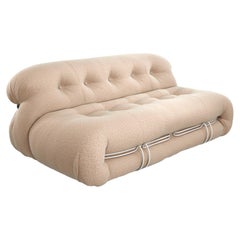
21st Century and Contemporary Italian Mid-Century Modern Armchairs
Fabric, Wood
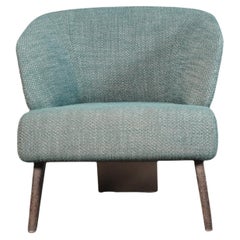
2010s Italian Mid-Century Modern Desks and Writing Tables
Metal
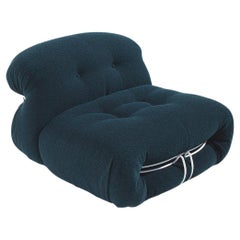
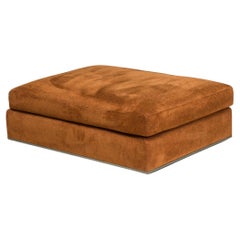
2010s Italian Ottomans and Poufs
Fabric
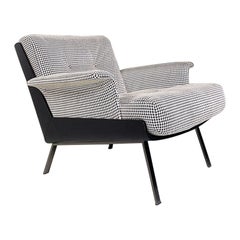
2010s Italian Post-Modern Armchairs
Steel
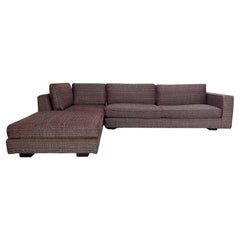
2010s Sofas
Linen
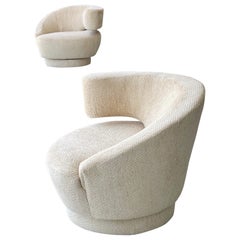
Early 2000s American Swivel Chairs
Chenille
2010s Italian Mid-Century Modern Chairs
Metal
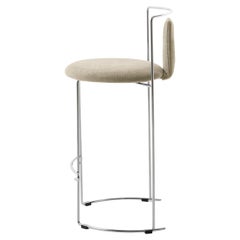
Antonio Citterio for sale on 1stDibs
Driven by his belief that beautiful surroundings can heighten the enjoyment of even mundane everyday rituals, Italian architect and industrial designer Antonio Citterio creates furniture that combines sophisticated form with functionality. Citterio’s timeless neoclassical-inspired chairs, outdoor furniture, desks and other pieces have earned him a place among the most influential furniture designers working in his native country.
Born in 1950 in Meda, Citterio grew up just a stone's throw away from the artistic hub of Milan. In 1972, at just 22 years old, he opened his first design studio and designed a chair for the La Rinascente department store while completing his studies in architecture at the Polytechnic University of Milan. Citterio established a partnership with famed furniture designer Terry Dwan, and the pair worked together during the 1980s and 1990s, designing striking buildings in European cities as well as Japan. He is currently chairperson at an interior design and architecture firm with fellow architect Patricia Viel and eight other partners.
Citterio taught at the Università della Svizzera Italiana in Mendrisio, Switzerland, from 2006 to 2016. He holds art director roles for high-end furniture manufacturers Maxalto, Arclinea and Azucena, and today, Citterio lounge chairs, sofas and other furnishings are in hotels all over the world. Citterio’s work is synonymous with luxury, and has yielded collaborations with reputable brands such as Kartell, Knoll, Flexform, Vitra and B&B Italia. His Sity seating collection for the latter and kitchen furnishings for Arclinea are among his best-known innovations.
Citterio has received many awards and accolades for his design work, including the Compasso d’Oro. He was also given the title of “Royal Designer for Industry” by the Royal Society for the Encouragement of Arts in 2008.
Find Antonio Citterio seating, lighting, tables, case pieces and other furniture on 1stDibs.
A Close Look at Modern Furniture
The late 19th and early 20th centuries saw sweeping social change and major scientific advances — both of which contributed to a new aesthetic: modernism. Rejecting the rigidity of Victorian artistic conventions, modernists sought a new means of expression. References to the natural world and ornate classical embellishments gave way to the sleek simplicity of the Machine Age. Architect Philip Johnson characterized the hallmarks of modernism as “machine-like simplicity, smoothness or surface [and] avoidance of ornament.”
Early practitioners of modernist design include the De Stijl (“The Style”) group, founded in the Netherlands in 1917, and the Bauhaus School, founded two years later in Germany.
Followers of both groups produced sleek, spare designs — many of which became icons of daily life in the 20th century. The modernists rejected both natural and historical references and relied primarily on industrial materials such as metal, glass, plywood, and, later, plastics. While Bauhaus principals Marcel Breuer and Ludwig Mies van der Rohe created furniture from mass-produced, chrome-plated steel, American visionaries like Charles and Ray Eames worked in materials as novel as molded plywood and fiberglass. Today, Breuer’s Wassily chair, Mies van der Rohe’s Barcelona chair — crafted with his romantic partner, designer Lilly Reich — and the Eames lounge chair are emblems of progressive design and vintage originals are prized cornerstones of collections.
It’s difficult to overstate the influence that modernism continues to wield over designers and architects — and equally difficult to overstate how revolutionary it was when it first appeared a century ago. But because modernist furniture designs are so simple, they can blend in seamlessly with just about any type of décor. Don’t overlook them.