Colbys Antique Furniture
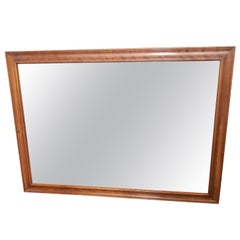
Late 19th Century American Victorian Colbys Antique Furniture
Glass, Mirror, Cherry

People Also Browsed
21st Century and Contemporary Italian Modern Colbys Antique Furniture
Upholstery
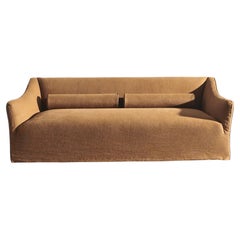
Late 19th Century Italian Colbys Antique Furniture
Coral, Bronze
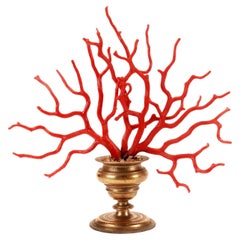
1930s Swedish Scandinavian Modern Colbys Antique Furniture
Birch, Plywood, Elm, Walnut
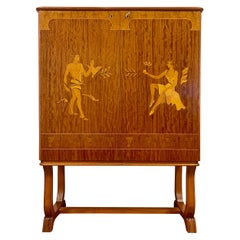
1980s Bohemian Colbys Antique Furniture
Leather, Cotton

1940s Italian Colbys Antique Furniture
Murano Glass
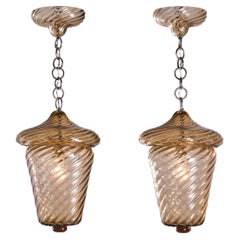
20th Century American Mission Colbys Antique Furniture
Fabric, Oak
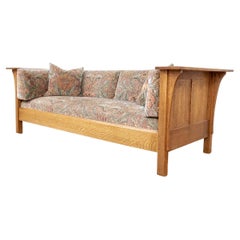
Mid-20th Century English Art Deco Colbys Antique Furniture
Walnut
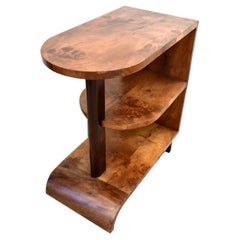
1950s American Mid-Century Modern Colbys Antique Furniture
Walnut
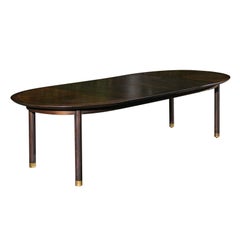
20th Century Spanish Gothic Revival Colbys Antique Furniture
Metal, Iron, Wrought Iron, Gold Leaf
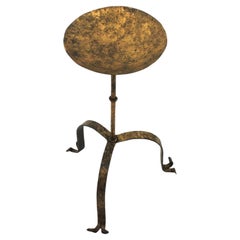
Mid-19th Century European Renaissance Colbys Antique Furniture
Bronze
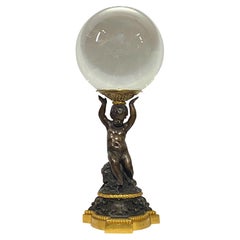
1940s Italian Colbys Antique Furniture
Bronze
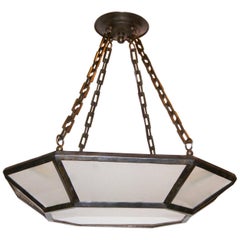
21st Century and Contemporary American Organic Modern Colbys Antique Furniture
Travertine, Marble
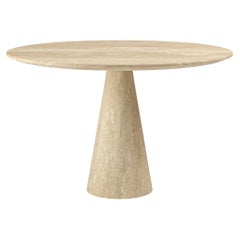
1960s American American Colonial Colbys Antique Furniture
Cherry
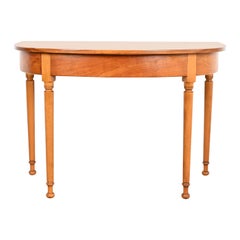
1960s French Mid-Century Modern Colbys Antique Furniture
Glass, Oak
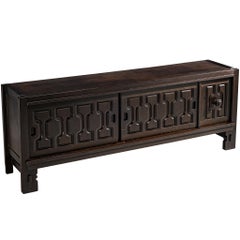
Late 19th Century French Renaissance Revival Colbys Antique Furniture
Copper
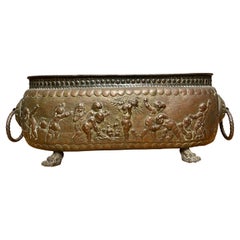
Late 19th Century Swedish Folk Art Colbys Antique Furniture
Horn, Wood

L. J.G. Stickley Inc. for sale on 1stDibs
Gustav Stickley was one of the principal figures in the American Arts and Crafts movement and the creator of the Craftsman style. In 1883, Stickley established a furniture company called Stickley Brothers with two of his brothers, Albert and Charles. Gustav’s other siblings, Leopold and John George, would later form L J.G. Stickley Inc. in Fayetteville, New York, in 1905.
As a furniture designer and publisher of the magazine The Craftsman, Gustav adopted many of the ideals of the British design reform movement and popularized both its philosophy and its aesthetics in the United States.
Born in Wisconsin, Stickley moved with his family to Pennsylvania when he was a teenager and began working in his uncle’s chair factory in the town of Brandt. There, he learned the techniques of late-19th-century furniture making at a time when the vogue was for Victorian revival furniture, which was characterized by extensive ornamentation.
When Stickley Brothers foundered, Gustav partnered five years later with salesman Elgin Simonds to form a new firm, Stickley Simonds, which produced traditional furniture that appealed to the burgeoning American middle class. The success of this venture enabled Stickley to travel to Europe, where he discovered the writings of John Ruskin and William Morris, the two preeminent thinkers of the British Arts and Crafts movement. Stickley also traveled to France, where the Art Nouveau movement impressed him with its imaginative designs and skilled craftsmanship.
Stickley parted ways with Simonds at the turn of the 20th century and decided to focus his creative energies on producing furniture in what became known as the Craftsman style, incorporating some of the elements of the designs and movements he had encountered in Europe.
The pieces Stickley created, which he stamped with the logo of a joiner’s compass, were rectilinear, largely free of ornament, made of oak, and built in such a way that the nature of their construction was plainly visible — all reflections of the tenets of the Arts and Crafts movement. While some people referred to Stickley’s furniture as Mission furniture — a term that references the furnishings of the Spanish missions in California — Gustav commonly called his work “Craftsman” owing to the inspiration he found in the British Arts and Crafts movement.
Stickley benches and rocking chairs were popular, and his leather-upholstered armchairs combine practicality, comfort and an understated silhouette. In 1901, Stickley launched The Craftsman magazine, which contained articles on all manner of domestic topics, from gardening and cooking to art and design, as well as poetry and fiction. In addition to popularizing Stickely’s own designs, the magazine acquainted Americans with the Arts and Crafts style in all its forms through its graphic design and the bungalows, art pottery, and hammered-copper lamps pictured in its pages. When Gustav Stickley died, in 1942, Arts and Crafts had been replaced by modernism as the favored aesthetic.
The work of L J.G. Stickley flourished even as the Arts and Crafts style fell out of fashion because Leopold and John George adapted to the changing times.
L J.G. Stickley changed their brand name and maker’s mark to Handcraft in 1906, and rather than continue to produce Arts Crafts-inspired designs, their bedroom furnishings, dining room chairs and other items of the era reflected the influence of Frank Lloyd Wright and the Prairie School style as well as the work of the Wiener Werkstätte. Later, Leopold’s Cherry Valley collection appealed to enthusiasts of American Colonial furniture.
Find antique L J.G. Stickley tables, seating, case pieces and more on 1stDibs.
Finding the Right Wall-mirrors for You
Vintage and antique wall mirrors add depth and openness to a space — they can help create the illusion that a narrow hallway isn’t so narrow. But you don’t need hundreds of enormous arched French or Italian mirrors framed in gilded bronze to dress up your home (maybe just a few).
A few well-placed large wall mirrors and other types of mirrors can amplify lighting and help showcase the decorative and architectural features of your home. For the Palace of Versailles during the 17th century, French King Louis XIV ordered the construction of the Hall of Mirrors after spending millions of dollars importing expensive Venetian mirrors from the revered glass-blowing factories on the island of Murano. A mirror-manufacturing rivalry between Paris and Venice took shape, and soon, across from 17 large windows that open out over the adjacent Palace Gardens on one side of the Hall, more than 350 mirrors — large mirrors made of groupings of small panes — were installed, effectively bringing the radiant colors of the outdoors into the opulent corridor.
Wall mirrors for your living room can work miracles — pull your landscaping’s colors and textures indoors, Louis XIV–style, by covering the length of an interior wall across from your living-room windows with wall mirrors.
For a similar effect, surrounding your mid-century modern wall mirror with leafy air plants and fern floor plants can amplify the sense of serenity that greenery offers in your home. Choose wall mirror frame styles to match your home’s decor, or shop for a frameless, organically shaped mirror that’s cut or beveled for a clean yet distinctive showpiece. For a free-spirited Bohemian feel, create a cluster of mismatched antique wall mirrors — an arrangement of circular Art Deco wall mirrors, Rococo-style silver leaf mirrors and decorative oval Victorian mirrors could add spice to an otherwise unadorned dining-room wall.
Elsewhere, there’s nothing vain about buying a full-length mirror for your bedroom, bathroom or walk-in closet to help you perfect your look for the day. Another may be needed in your entryway for a last-minute ensemble inspection. In fact, a shimmering 18th-century hall of mirrors awaits visitors behind the steel door of Stephen Cavallo’s atelier in Manhattan.
“We like to see the look on people’s faces when they walk in,” says Cavallo.
Decorating your home and office with wall mirrors is an art form in and of itself — get started today with the variety of antique and vintage wall mirrors on 1stDibs.