Disney Kem Weber
Vintage 1930s American Art Deco Lounge Chairs
Wood
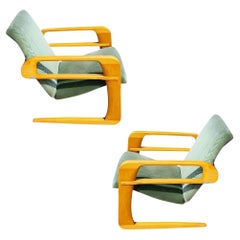

Vintage 1930s American Lounge Chairs
Steel
Recent Sales
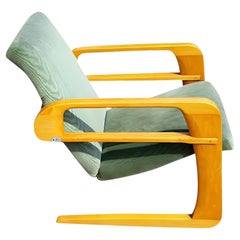
Vintage 1930s American Lounge Chairs
Steel, Brass
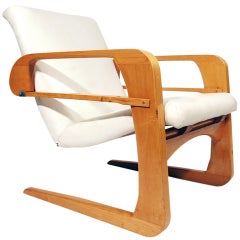
Vintage 1930s American Mid-Century Modern Cabinets
Plywood
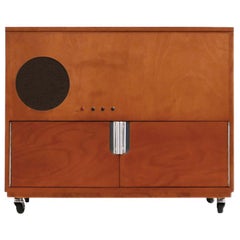
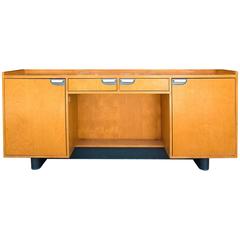
Vintage 1940s American Art Deco Credenzas
Maple
People Also Browsed
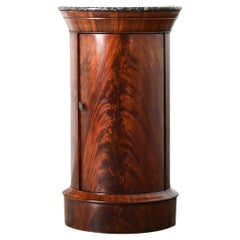
Antique 19th Century French Louis Philippe Side Tables
Marble
Antique 15th Century and Earlier African Natural Specimens
Bone
Vintage 1950s French Convex Mirrors
Mirror, Talosel
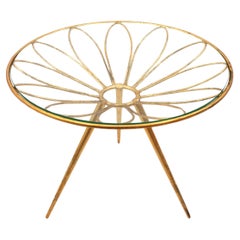
Mid-20th Century French Mid-Century Modern Coffee and Cocktail Tables
Iron, Wrought Iron, Gold Leaf
Vintage 1980s Italian Chandeliers and Pendants
Mirror

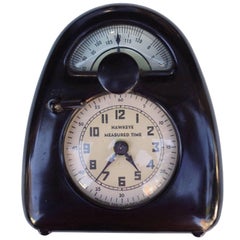
Vintage 1930s American Mid-Century Modern Table Clocks and Desk Clocks
Metal
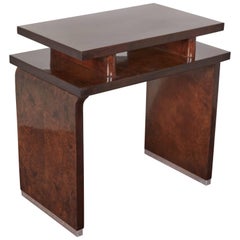
Early 20th Century French Art Deco End Tables
Walnut
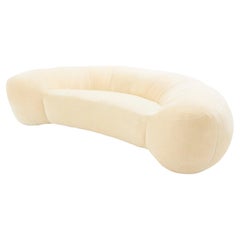
Vintage 1970s French Mid-Century Modern Sofas
Velvet
Vintage 1920s Czech Art Deco More Mirrors
Steel, Chrome
Vintage 1940s French Neoclassical Dining Room Tables
Stone
Vintage 1930s Dutch Art Deco Sofas
Walnut, Burl
Antique 19th Century Italian Baroque Console Tables
Marble
2010s German Stools
Cork
Late 20th Century French Art Deco Armchairs
Bronze
Early 20th Century American Art Nouveau Wall Lights and Sconces
Bronze
Vintage 1980s French Modern Sofas
Steel
Kem Weber for sale on 1stDibs
Architect and designer Kem Weber arrived in the United States in the vanguard of a wave of progressive Central European talents — among them, Rudolph Schindler, Richard Neutra, Paul T. Frankl and Ilonka Karascz — who would profoundly affect the course of modernism in the United States. In his new home, Weber created a wholly American form of modern design that is sleek and stylish, yet comfortable and practical.
Karl Emanuel Martin Weber — “Kem” was his self-styled nom d’usage — was born and trained in Berlin. In 1914, he became an accidental immigrant to the U.S.. Sent to San Francisco by his teacher-turned-employer, architect Bruno Paul, to oversee an installation at a global design expo, Weber was marooned by the outbreak of World War I. But he quickly grew to love California, even if his early years there were difficult. When design commissions were hard to find, he took jobs as a lumberjack, chicken farmer and art school teacher. (He gained U.S. citizenship in 1924.)
In the mid-1920s, while working for the Los Angeles–based Barker Bros. department store — the largest furniture retailer in the country at the time — Weber regularly traveled around the nation to deliver lectures on modernism. His reputation as a champion of a new, clean and elegant style earned him architectural commissions and contracts to design furniture and items such silverware, coffee services and cocktail shakers. His masterpiece is the Airline lounge chair, designed 1934-1935. With its raked, gently angular frame and cantilevered seat, the chair suggests movement, speed and forward progress. Though it seemed perfect for mass production, Weber was never able to convince a major manufacturer to take it on. In the end, fewer than 300 Airline chairs were made. Today, those may be the rarest examples of Weber’s work, but are always worth looking out for. As you will see on these pages, his designs are both intelligent and stylish. They deserve to be a part of any serious collection of American modernism.