Display Cabinet 1930s
20th Century French Vitrines
Wrought Iron
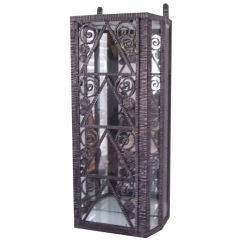

Mid-20th Century German Art Deco Vitrines
Wood
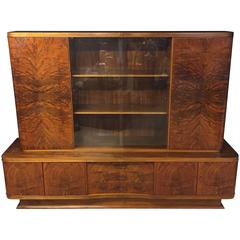
Vintage 1930s French Art Deco Vitrines
Wood
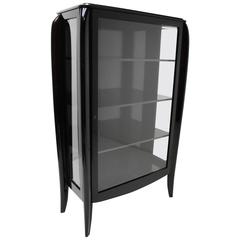
Vintage 1930s Ukrainian Industrial Apothecary Cabinets
Glass, Beech
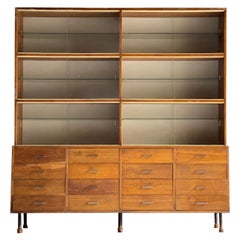
Early 20th Century American Art Deco Cabinets
Glass, Oak
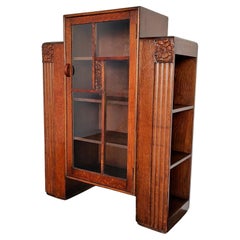
Vintage 1930s Great Britain (UK) Vitrines
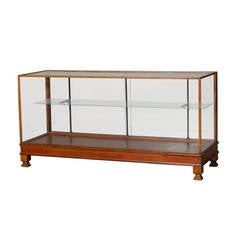
Mid-20th Century European Art Deco Vitrines
Metal
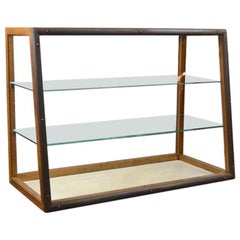
Mid-20th Century European Art Deco Vitrines
Metal
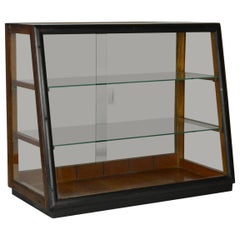
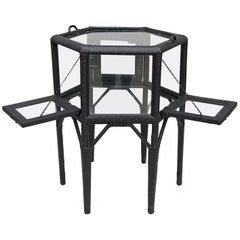
Early 20th Century German Arts and Crafts Side Tables
Wicker, Glass
- 1
Display Cabinet 1930s For Sale on 1stDibs
How Much are Display Cabinet 1930s?
Finding the Right Case Pieces And Storage Cabinets for You
Of all the vintage storage cabinets and antique case pieces that have become popular in modern interiors over the years, dressers, credenzas and cabinets have long been home staples, perfect for routine storage or protection of personal items.
In the mid-19th century, cabinetmakers would mimic styles originating in the Louis XIV, Louis XV and Louis XVI eras for their dressers, bookshelves and other structures, and, later, simpler, streamlined wood designs allowed these “case pieces” or “case goods” — any furnishing that is unupholstered and has some semblance of a storage component — to blend into the background of any interior.
Mid-century modern furniture enthusiasts will cite the tall modular wall units crafted in teak and other sought-after woods of the era by the likes of George Nelson, Poul Cadovius and Finn Juhl. For these highly customizable furnishings, designers of the day delivered an alternative to big, heavy bookcases by considering the use of space — and, in particular, walls — in new and innovative ways. Mid-century modern credenzas, which, long and low, evolved from tables that were built as early as the 14th century in Italy, typically have no legs or very short legs and have grown in popularity as an alluring storage option over time.
Although the name immediately invokes images of clothing, dressers were initially created in Europe for a much different purpose. This furnishing was initially a flat-surfaced, low-profile side table equipped with a few drawers — a common fixture used to dress and prepare meats in English kitchens throughout the Tudor period. The drawers served as perfect utensil storage. It wasn’t until the design made its way to North America that it became enlarged and equipped with enough space to hold clothing and cosmetics. The very history of case pieces is a testament to their versatility and well-earned place in any room.
In the spirit of positioning your case goods center stage, decluttering can now be design-minded.
A contemporary case piece with open shelving and painted wood details can prove functional as a storage unit as easily as it can a room divider. Alternatively, apothecary cabinets are charming case goods similar in size to early dressers or commodes but with uniquely sized shelving and (often numerous) drawers.
Whether you’re seeking a playful sideboard that features colored glass and metal details, an antique Italian hand-carved storage cabinet or a glass-door vitrine to store and show off your collectibles, there are options for you on 1stDibs.
- 1stDibs ExpertMarch 3, 2023The purpose of a display cabinet is to protect items while keeping them visible. Glass panels allow you to see what's inside, but the enclosed design keeps out dust and debris. On 1stDibs, shop a selection of display cabinets.
- 1stDibs ExpertJune 30, 2023Another common name for a display cabinet is a display case. People may also call them show cabinets, show cases or vitrines. By any name, this type of case good allows people to view and display decorative objects, collectibles, trophies and other objects while it protects the contents with glass doors. On 1stDibs, find a variety of display cabinets.
- 1stDibs ExpertJune 30, 2023What brides wore in the 1930s varied. Some wore long flowing dresses made of satin or silk. Long sleeves were popular and designs often featured only minimal embellishments like appliqués and beading. Because many people faced difficult financial situations due to the Great Depression, brides also sometimes simply wore their best dresses on their wedding days. On 1stDibs, shop a collection of vintage wedding dresses.
- 1stDibs ExpertNovember 26, 2024To identify 1930s furniture, first see if you can spot a maker's mark in hidden areas, such as the back, base, inside of drawers or under tabletops and seats. Trusted online resources can help you determine who produced your furniture based on these markings, and from there, you can research more to get a rough idea of how old your item is. A piece's characteristics can also be helpful when dating furniture. Many items made during the 1930s are examples of Art Deco furniture. Art Deco furniture is characterized by geometric patterns and luxurious materials, such as shagreen, marble, mother of pearl, mirrored glass, exotic animal hides and rare woods like mahogany, ebony and zebra wood. A certified appraiser or experienced antique dealer can provide an expert opinion on when your piece was likely made. On 1stDibs, explore a range of 1930s furniture.
- 1stDibs ExpertMay 5, 2023Yes, people had record players in the 1930s. In fact, record players began to become more common during the decade and continued to grow in popularity throughout the 1940s, 50s and 60s. Thomas Edison made the first phonograph record player in 1877. Shop a variety of record players on 1stDibs.
- 1stDibs ExpertMarch 31, 2023In the 1930s, phones typically looked like rotary telephones. They had either a round or square base with a numbered dial that spun when you dialed and a handset receiver with both an earpiece and a mouthpiece. A cord connected the handset to the base. Find a variety of rotary phones on 1stDibs.
Read More
37 Cheerful Home Bars, Where Everybody (Literally) Knows Your Name
Simple or sophisticated, equipped with console, cart or custom cabinetry, these stylish bar areas deserve a toast.
The Ultimate Guide to Types of Tables for the Home
Whether you’re just moving in or ready to give your home a makeover, our guide will give you pointers on tables that are fitting for every room, nook and hallway.
What Exactly Is a Secretary Desk, and What Is It Used For?
The furniture equivalent of a Swiss Army knife, it's the multifunctional piece you didn't know you needed.
This Shelving System with Oxidized Brass Tubes Is Retro and Futuristic at Once
Italian studio DimoreMilano mustered great ingenuity when crafting these sculptural shelves, which are built without any screws.
Ask an Interior Designer: Work-from-Home Edition
Leaping into a design project, whether it's refreshing the bedroom or redoing the whole house, can be overwhelming. Luckily, we know more than a few interior designers. You asked questions on Instagram, and now they're answering.
Collected and Eclectic, ‘Wunderkammern’ Are Back in a Big Way
Introduced nearly 500 years ago, curiosity cabinets are finding new fans among today's collectors and designers.
Meet the Incredible Woman Transforming Fallen Trees into Sleek Furniture
In the hands of New York Heartwoods cofounder Megan Offner, unwanted local trees become works of design art.
These New York Architects Love a Complicated Project
From Brooklyn townhouses to Maine campgrounds, Trattie Davies and Jonathan Toews relish a challenge, like transforming a former warehouse space into the new 1stdibs Gallery.