Dorothy Hood Painting
Recent Sales
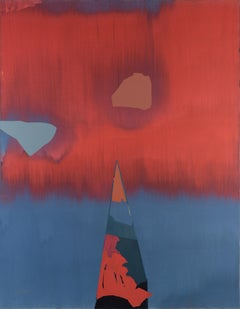
1980s Abstract Abstract Paintings
Canvas, Oil
1980s Abstract Abstract Paintings
Canvas, Oil
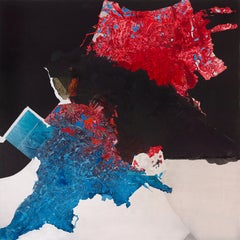
1950s Abstract Abstract Paintings
Acrylic
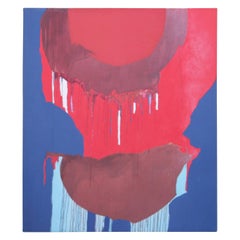

20th Century Abstract Geometric Abstract Paintings
Canvas, Mixed Media, Acrylic
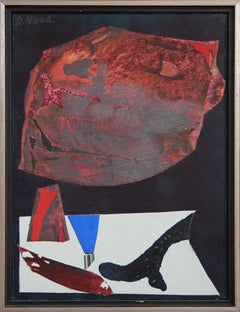
1970s Abstract Abstract Paintings
Canvas, Oil
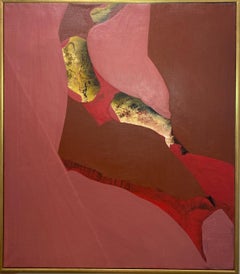
1980s Abstract Abstract Paintings
Canvas, Oil
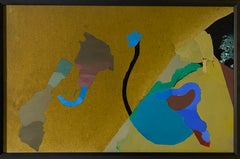
1990s Abstract Abstract Paintings
Canvas, Oil
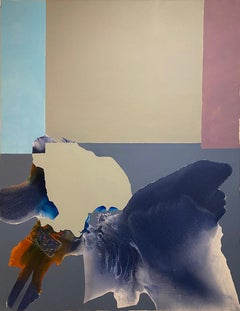
1970s Abstract Abstract Paintings
Canvas, Oil
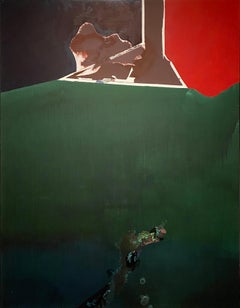
1970s Abstract Abstract Paintings
Acrylic

1960s Abstract Abstract Paintings
Canvas, Oil
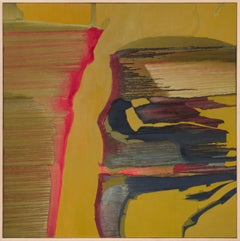
1960s Abstract Figurative Drawings and Watercolors
Paper, Ink
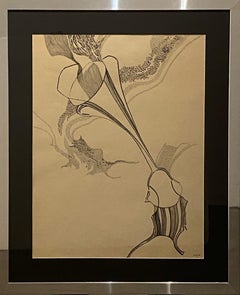
1960s Abstract Abstract Drawings and Watercolors
Ink, Paper
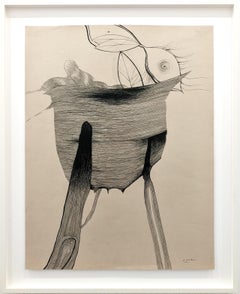
1970s Abstract Abstract Paintings
Canvas, Oil
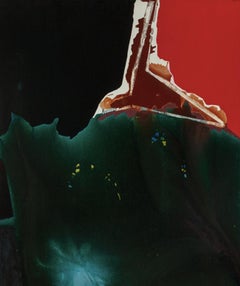
Late 20th Century Abstract Paintings
Canvas, Oil
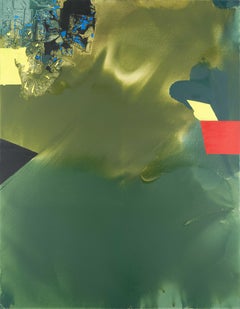
Late 20th Century Abstract Paintings
Canvas, Oil
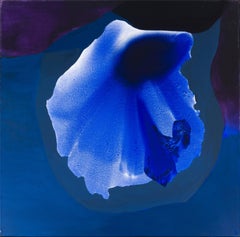
1970s Abstract Paintings
Canvas, Oil
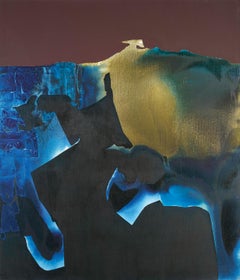
1990s Abstract Paintings
Canvas, Oil
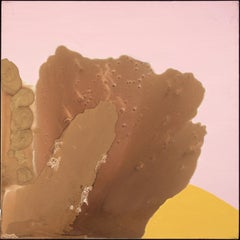
1980s Abstract Paintings
Canvas, Oil
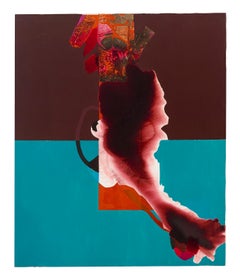
1970s Abstract Expressionist Abstract Paintings
Canvas, Oil
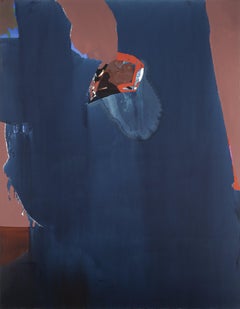
Late 20th Century Mixed Media
Mixed Media
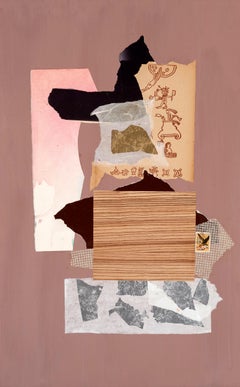
Dorothy Hood Painting For Sale on 1stDibs
How Much is a Dorothy Hood Painting?
Dorothy Hood for sale on 1stDibs
Dorothy Hood's oil-on-canvas paintings and works on paper combine Color Field techniques with painterly abstraction. Her use of decalcomania (a technique wherein paint pigments are allowed to flow and dry around an object which is subsequently removed, leaving a ghostly imprint on the canvas) belies her time spent with the Surrealist painters of Mexico City in the 1940s–60s.
The pictorial space and visual fissures of Hood’s large-scale paintings and works on paper recall a profound mindscape that echoes the concerns of these artists, such as José Clemente Orozco, who was her mentor. Having moved back to Houston in 1962, the impact of the Space Age and the fathoms of the cosmos influenced Hood’s paintings further. Her sense of color and deep exploration of materials is unrivaled. During her career, Hood appeared as one of the region's powerhouse female abstract painters, even though being a woman likely hindered the success she was due among her American Abstraction cohort.
Hood established herself as a pioneer of modernism from 1937, first as a scholarship student at the Rhode Island School of Design and briefly at the Art Students League in New York City, before settling in Mexico City in the 1940s. There, she would spend two decades embedded in the rich cultural fabric of a city in the midst of postwar and post-revolutionary bohemia. She befriended leading artists and intellectuals including Pablo Neruda, José Clemente Orozco, Leonora Carrington, Remedios Varo, Mathias Goeritz, Diego Rivera, and Rufino Tamayo.
In 1962 Hood returned to Houston and had solo exhibitions at the Contemporary Arts Museum, Houston; Witte Museum, San Antonio; Rice University, Houston; Museum of Fine Arts, Houston; Everson Museum of Art, Syracuse, New York; and her work is in the permanent collections of numerous American museums. During her lifetime, Hood’s work, from her formally rigorous yet metaphysical and intimate abstract paintings, to ink drawings on paper and collages, garnered an impressive exhibition history and support from influential critics, curators, and collectors including Philippe de Montebello, Dorothy Miller, Clement Greenberg, and Barbara Rose, among others.
In 2016, the Art Museum of South Texas (AMST), Corpus Christi, organized a major retrospective of Hood's works and published a monograph about her life and career which culminated in the exhibition and book entitled The Color of Being/El Color del Ser: DOROTHY HOOD (1918–2000). In the fall of 2018, the Museum of Fine Arts, Houston presented an exhibition entitled “Kindred Spirits, Louise Nevelson Dorothy Hood,” mounting an unprecedented visual dialogue between the works of both artists. In 2019, McClain Gallery began representing the estate of the artist, held by the Art Museum of South Texas, and mounted a solo exhibition, “Dorothy Hood: Illuminated Earth.”
Find original Dorothy Hood art on 1stDibs.
(Biography provided by McClain Gallery)
Finding the Right Abstract-paintings for You
Bring audacious experiments with color and textures to your living room, dining room or home office. Abstract paintings, large or small, will stand out in your space, encouraging conversation and introducing a museum-like atmosphere that’s welcoming and conducive to creating memorable gatherings.
Abstract art has origins in 19th-century Europe, but it came into its own as a significant movement during the 20th century. Early practitioners of abstraction included Wassily Kandinsky, although painters were exploring nonfigurative art prior to the influential Russian artist’s efforts, which were inspired by music and religion. Abstract painters endeavored to create works that didn’t focus on the outside world’s conventional subjects, and even when artists depicted realistic subjects, they worked in an abstract mode to do so.
In 1940s-era New York City, a group of painters working in the abstract mode created radical work that looked to European avant-garde artists as well as to the art of ancient cultures, prioritizing improvisation, immediacy and direct personal expression. While they were never formally affiliated with one another, we know them today as Abstract Expressionists.
The male contingent of the Abstract Expressionists, which includes Jackson Pollock, Willem de Kooning and Robert Motherwell, is frequently cited in discussing leading figures of this internationally influential postwar art movement. However, the women of Abstract Expressionism, such as Helen Frankenthaler, Lee Krasner, Joan Mitchell and others, were equally involved in the art world of the time. Sexism, family obligations and societal pressures contributed to a long history of their being overlooked, but the female Abstract Expressionists experimented vigorously, developed their own style and produced significant bodies of work.
Draw your guests into abstract oil paintings across different eras and countries of origin. On 1stDibs, you’ll find an expansive range of abstract paintings along with a guide on how to arrange your wonderful new wall art.
If you’re working with a small living space, a colorful, oversize work can create depth in a given room, but there isn’t any need to overwhelm your interior with a sprawling pièce de résistance. Colorful abstractions of any size can pop against a white wall in your living room, but if you’re working with a colored backdrop, you may wish to stick to colors that complement the decor that is already in the space. Alternatively, let your painting make a statement on its own, regardless of its surroundings, or group it, gallery-style, with other works.