Dorothy Violet Bywater-Schust On Sale
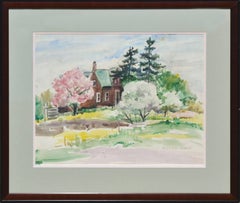
1960s Impressionist Landscape Drawings and Watercolors
Paper, Watercolor

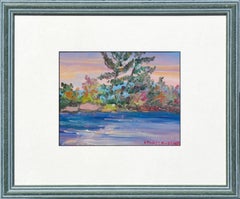
1950s Impressionist Still-life Paintings
Masonite, Oil Pastel

Recent Sales
1950s American Impressionist Landscape Paintings
Canvas, Oil, Cardboard
People Also Browsed
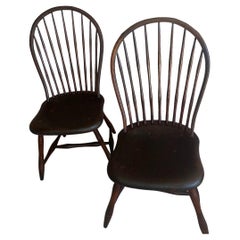
Antique 1790s American Country Chairs
Wood
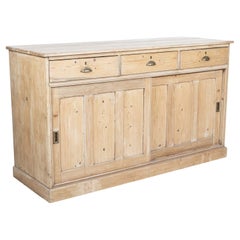
Antique Mid-19th Century English Sideboards
Pine
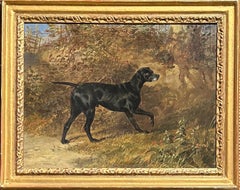
1830s Victorian Animal Paintings
Canvas, Oil
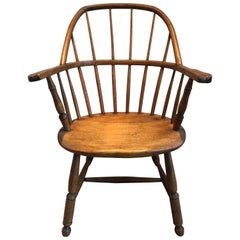
Antique Late 18th Century American American Colonial Windsor Chairs
Wood
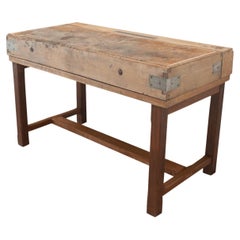
Antique 19th Century French Other Butcher Blocks
Steel
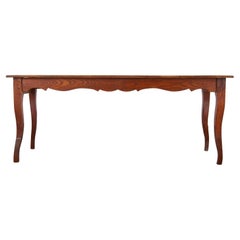
20th Century French French Provincial Farm Tables
Iron
Early 20th Century French Romantic Shelves
Brass, Wrought Iron
19th Century Victorian Animal Paintings
Canvas, Oil
Antique 18th Century American Country Windsor Chairs
Wood

Antique Early 19th Century French French Provincial Farm Tables
Ash
Antique Mid-17th Century French Rustic Farm Tables
Chestnut, Oak
Antique Mid-19th Century French Country Farm Tables
Cherry
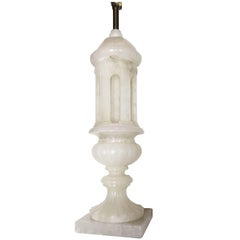
Vintage 1930s Italian Table Lamps
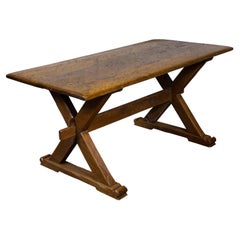
Antique 19th Century English Rustic Farm Tables
Oak
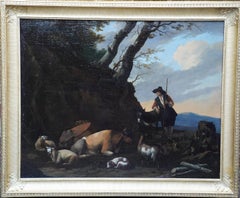
17th Century Old Masters Landscape Paintings
Oil
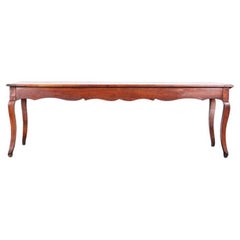
20th Century French Streamlined Moderne Dining Room Tables
Bronze
A Close Look at Impressionist Art
Emerging in 19th-century France, Impressionist art embraced loose brushwork and plein-air painting to respond to the movement of daily life. Although the pioneers of the Impressionist movement — Claude Monet, Edgar Degas, Paul Cézanne, Berthe Morisot, Camille Pissarro, and Pierre-Auguste Renoir — are now household names, their work was a radical break with an art scene led and shaped by academic traditions for around two centuries. These academies had oversight of a curriculum that emphasized formal drawing, painting and sculpting techniques and historical themes.
The French Impressionists were influenced by a group of artists known as the Barbizon School, who painted what they witnessed in nature. The rejection of pieces by these artists and the later Impressionists from the salons culminated in a watershed 1874 exhibition in Paris that was staged outside of the juried systems. After a work of Monet’s was derided by a critic as an unfinished “impression,” the term was taken as a celebration of their shared interest in capturing fleeting moments as subject matter, whether the shifting weather on rural landscapes or the frenzy of an urban crowd. Rather than the exacting realism of the academic tradition, Impressionist paintings, sculptures, prints and drawings represented how an artist saw a world in motion.
Many Impressionist painters were inspired by the perspectives in imported Japanese prints alongside these shifts in European painting — Édouard Manet drew on ukiyo-e woodblock prints and depicted Japanese design in his Portrait of Émile Zola, for example. American artists such as Mary Cassatt and William Merritt Chase, who studied abroad, were impacted by the work of the French artists, and by the late 19th century American Impressionism had its own distinct aesthetics with painters responding to the rapid modernization of cities through quickly created works that were vivid with color and light.
Find a collection of authentic Impressionist art on 1stDibs.