Dunbar Woven Credenza
Vintage 1950s American Mid-Century Modern Credenzas
Walnut
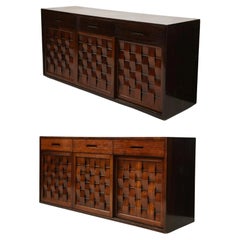

20th Century American Mid-Century Modern Sideboards
Wood, Mahogany, Lacquer
Recent Sales
Vintage 1950s American Mid-Century Modern Credenzas
Mahogany
20th Century American Mid-Century Modern Credenzas
Vintage 1950s American Mid-Century Modern Credenzas
Metal, Brass
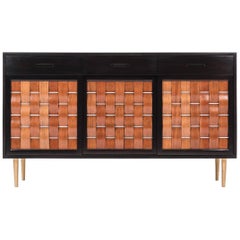
20th Century American Mid-Century Modern Credenzas
Wood
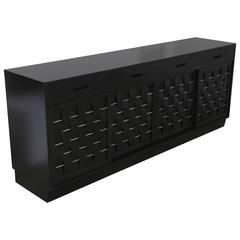
Vintage 1950s American Mid-Century Modern Credenzas
Mahogany
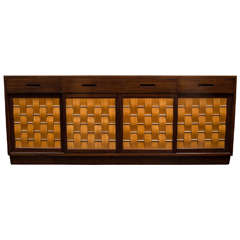
Mid-20th Century American Mid-Century Modern Credenzas
Walnut
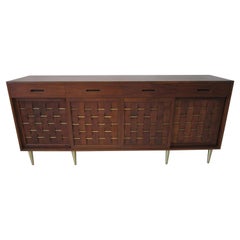
Vintage 1950s Credenzas
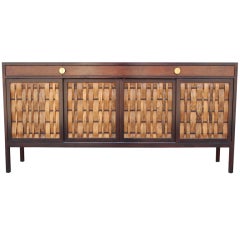
Vintage 1950s American Mid-Century Modern Sideboards
Brass
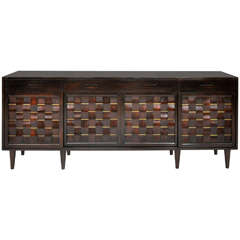
20th Century American Mid-Century Modern Sideboards
Brass
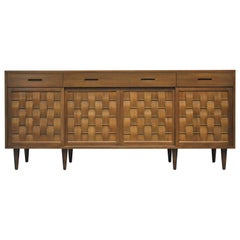
20th Century American Mid-Century Modern Sideboards
Nickel
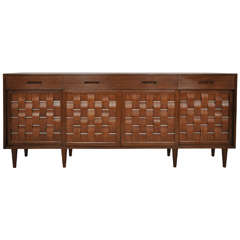
Vintage 1950s American Sideboards
Brass
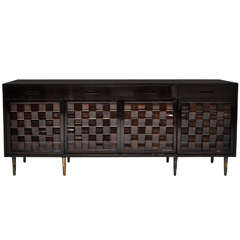
20th Century American Mid-Century Modern Credenzas
Brass
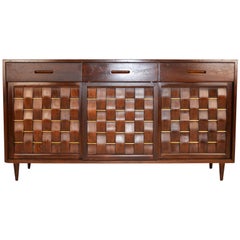
Vintage 1950s American Mid-Century Modern Credenzas
Steel
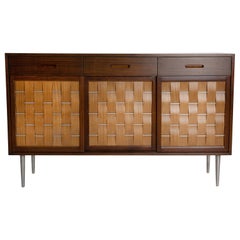
Vintage 1950s American Mid-Century Modern Credenzas
Brass
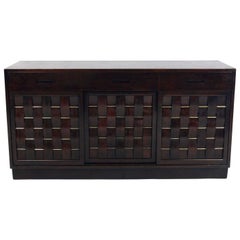
Vintage 1950s American Credenzas
Brass
20th Century American Mid-Century Modern Credenzas
Rosewood, Walnut
20th Century American Mid-Century Modern Sideboards
Brass
Vintage 1950s American Mid-Century Modern Sideboards
Brass
20th Century American Mid-Century Modern Sideboards
Brass
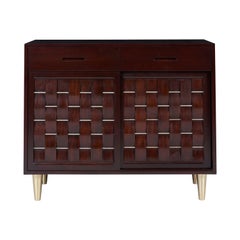
Vintage 1950s American Credenzas
Mahogany
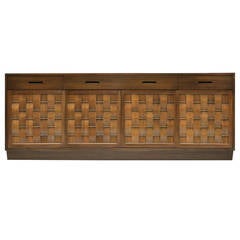
Vintage 1950s American Credenzas
Brass
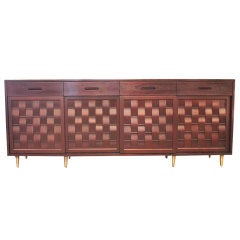
Mid-20th Century American Mid-Century Modern Credenzas
Walnut
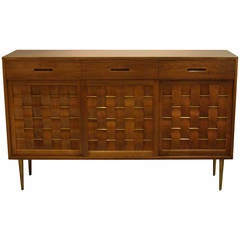
Vintage 1940s American Credenzas
Aluminum
Vintage 1950s American Credenzas
Mahogany
People Also Browsed
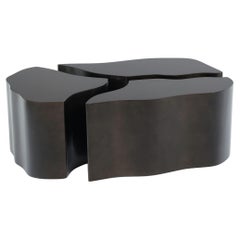
21st Century and Contemporary Italian Modern Coffee and Cocktail Tables
Plastic
Mid-20th Century Italian Mid-Century Modern Table Lamps
Ceramic
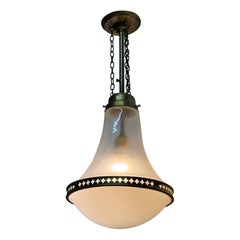
Antique Early 1900s German Art Nouveau Chandeliers and Pendants
Brass
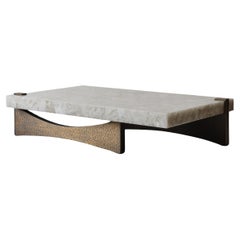
21st Century and Contemporary Indian Brutalist Coffee and Cocktail Tables
Quartz, Bronze
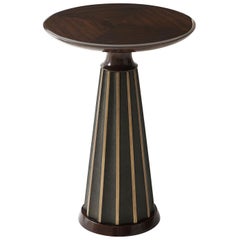
21st Century and Contemporary Vietnamese Art Deco Side Tables
Composition
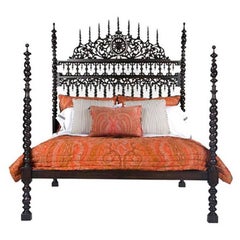
21st Century and Contemporary American Beds and Bed Frames
Hardwood
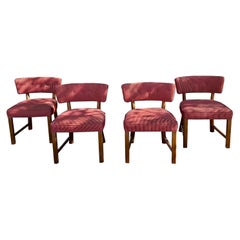
Vintage 1950s American Mid-Century Modern Dining Room Chairs
Textile
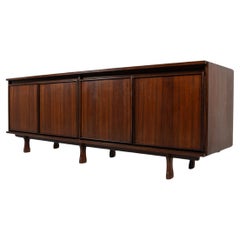
Vintage 1960s Italian Mid-Century Modern Sideboards
Wood
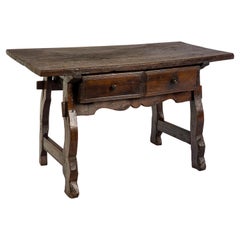
Antique Late 18th Century Spanish Baroque Center Tables
Chestnut
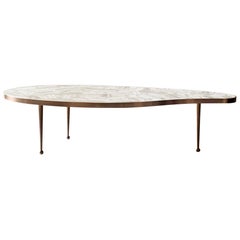
21st Century and Contemporary Indian Mid-Century Modern Coffee and Cockt...
Agate, Brass
2010s Portuguese Brutalist Coffee and Cocktail Tables
Resin, Fiberglass
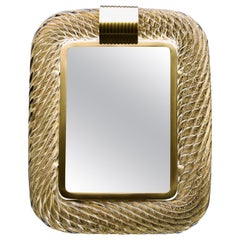
Vintage 1940s Italian Mid-Century Modern Table Mirrors
Art Glass, Murano Glass
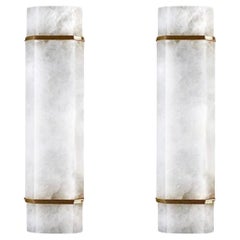
21st Century and Contemporary Wall Lights and Sconces
Rock Crystal
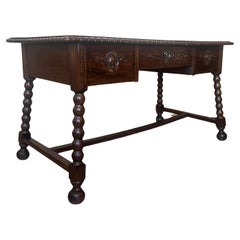
Antique Early 19th Century Spanish Renaissance Desks and Writing Tables
Oak
Antique 19th Century English Stools
Fabric, Linen, Upholstery, Hardwood
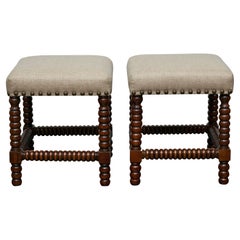
2010s American Modern End Tables
Hardwood
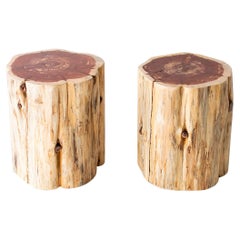
Dunbar Woven Credenza For Sale on 1stDibs
How Much is a Dunbar Woven Credenza?
Edward Wormley for sale on 1stDibs
As the longtime director of design for the Dunbar furniture company, Edward Wormley was, along with such peers as George Nelson at Herman Miller Inc., and Florence Knoll of Knoll Inc., one of the leading forces in bringing modern design into American homes in the mid-20th century. Not an axiomatic modernist, Wormley deeply appreciated traditional design, and consequently his vintage seating, storage cabinets, bar carts and other work has an understated warmth and a timeless quality that sets it apart from other furnishings of the era.
Wormley was born in rural Illinois and as a teenager took correspondence courses from the New York School of Interior Design. He later attended the Art Institute of Chicago but ran out of money for tuition before he could graduate. Marshall Field hired Wormley in 1930 to design a line of reproduction 18th-century English furniture; the following year he was hired by the Indiana-based Dunbar, where he quickly distinguished himself. It was a good match.
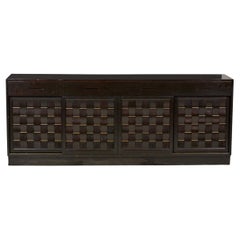
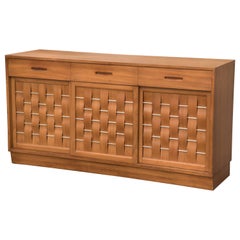
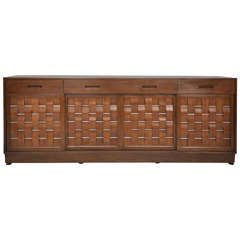
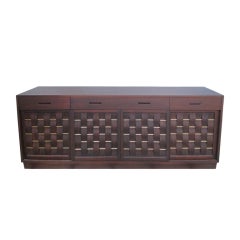
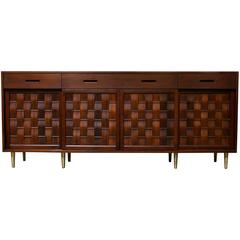
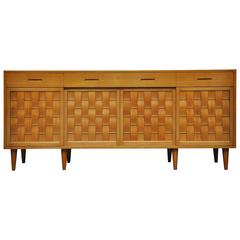
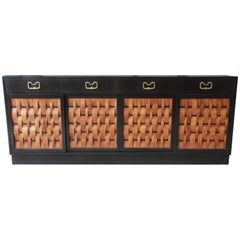
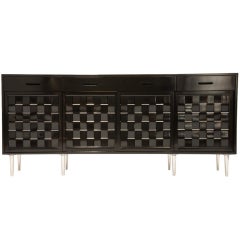
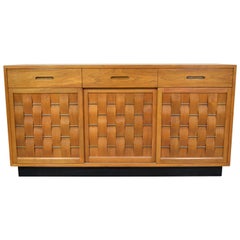
Dunbar was an unusual firm: it did not use automated production systems; its pieces were mostly hand-constructed. For his part, Wormley did not use metal as a major component of furniture; he liked craft elements such as caned seatbacks, tambour drawers, or the woven-wood cabinet fronts seen on his Model 5666 sideboard of 1956. He designed two lines for Dunbar each year — one traditional, one modern — until 1944, by which time the contemporary pieces had become the clear best sellers.
Many of Wormley’s signature pieces — chairs, sofas, tables and more — are modern interpretations of traditional forms. His 1946 Riemerschmid Chair — an example is in the collection of the Museum of Modern Art — recapitulates a late 19th-century German design. The long, slender finials of his Model 5580 dining chairs are based on those of Louis XVI chairs; his Listen-to-Me Chaise (1948) has a gentle Rococo curve; the “Precedent” line that Wormley designed for Drexel Furniture in 1947 is a simplified, pared-down take on muscular Georgian furniture. But he could invent new forms, as his Magazine table of 1953, with its bent wood pockets, and his tiered Magazine Tree (1947), both show. And Wormley kept his eye on design currents, creating a series of tables with tops that incorporate tiles and roundels by the great modern ceramicists Otto and Gertrud Natzler.
As the vintage items on 1stDibs demonstrate, Edward Wormley conceived of a subdued sort of modernism, designing furniture that fits into any decorating scheme and does not shout for attention.
Finding the Right Credenzas for You
Antique and vintage credenzas can add an understated touch of grace to your home. These long and sophisticated cabinet-style pieces of furniture can serve a variety of purposes, and they look great too.
In Italy, the credenza was originally a small side table used in religious services. Appropriately, credere in Italian means “to believe.” Credenzas were a place to not only set the food ready for meals, they were also a place to test and taste prepared food for poison before a dish was served to a member of the ruling class. Later, credenza was used to describe a type of versatile narrow side table, typically used for serving food in the home. In form, a credenza has much in common with a sideboard — in fact, the terms credenza and sideboard are used almost interchangeably today.
Credenzas usually have short legs or no legs at all, and can feature drawers and cabinets. And all kinds of iterations of the credenza have seen the light of day over the years, from ornately carved walnut credenzas originating in 16th-century Tuscany to the wealth of Art Deco credenzas — with their polished surfaces and geometric patterns — to the array of innovative modernist interpretations that American furniture maker Milo Baughman created for Directional and Thayer Coggin.
The credenza’s blend of style and functionality led to its widespread use in the 20th century. Mid-century modern credenzas are particularly popular — take a look at Danish furniture designer Arne Vodder’s classic Model 29, for instance, with its reversible sliding doors and elegant drawer pulls. Hans Wegner, another Danish modernist, produced strikingly minimalist credenzas in the 1950s and ’60s, as did influential American designer Florence Knoll. Designers continue to explore new and exciting ways to update this long-loved furnishing.
Owing to its versatility and familiar low-profile form, the credenza remains popular in contemporary homes. Unlike many larger case pieces, credenzas can be placed under windows and in irregularly shaped rooms, such as foyers and entryways. This renders it a useful storage solution. In living rooms, for example, a credenza can be a sleek media console topped with plants and the rare art monographs you’ve been planning to show off. In homes with open floor plans, a credenza can help define multiple living spaces, making it ideal for loft apartments.
Browse a variety of antique and vintage credenzas for sale on 1stDibs to find the perfect fit for your home today.