Edison Little Folks
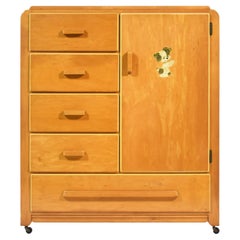
Vintage 1940s American Art Deco Children s Furniture
Metal

People Also Browsed
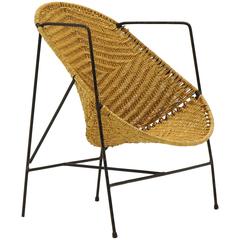
Vintage 1960s American Mid-Century Modern Children s Furniture
Wrought Iron
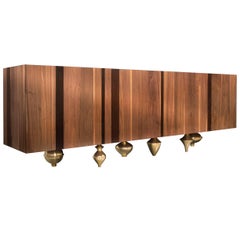
2010s Italian Modern Credenzas
Marble, Gold, Brass
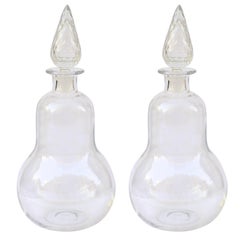
20th Century European Jars
Blown Glass, Cut Glass
2010s American Bauhaus Flush Mount
Brass
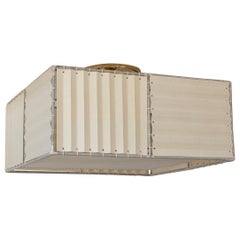
2010s American Mid-Century Modern Beds and Bed Frames
Brass
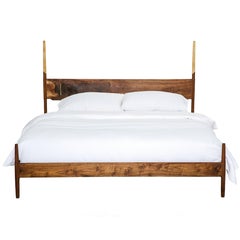
Antique 19th Century French Louis XVI Children s Furniture
Giltwood
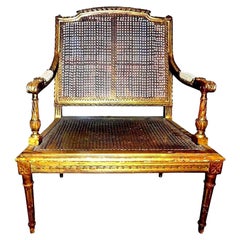
21st Century and Contemporary Italian Modern Pillows and Throws
Down, Feathers, Wool, Cotton
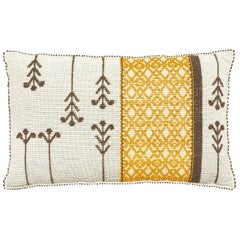
2010s American Modern Wardrobes and Armoires
Brass
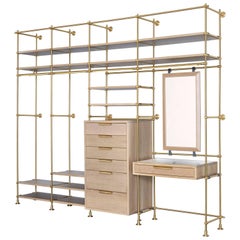
Early 20th Century French Victorian Children s Furniture
Brass, Bronze
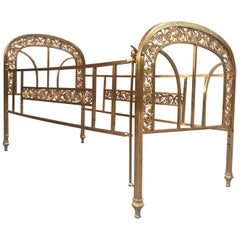
2010s Italian Cabinets
Brass
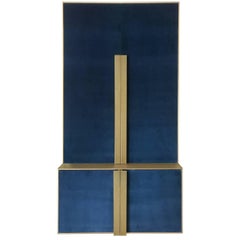
2010s European Mid-Century Modern Coffee and Cocktail Tables
Travertine
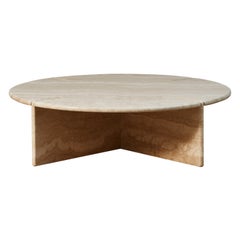
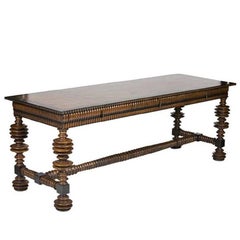
21st Century and Contemporary American Tables
Ebony, Oak, Walnut
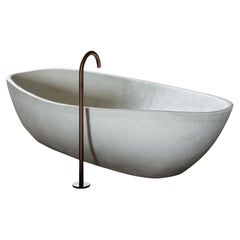
2010s Belgian Post-Modern Bathroom Fixtures
Clay
21st Century and Contemporary British Chinoiserie Wallpaper
Paper

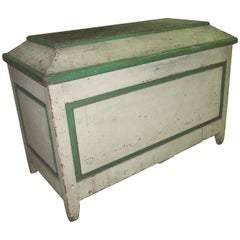
Antique Mid-19th Century American Primitive Blanket Chests
Wood
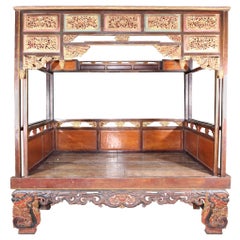
Antique 19th Century Chinese Beds and Bed Frames
Gold Leaf
Finding the Right Childrens-furniture for You
When you’re shopping for antique, new and vintage children’s furniture, you’ll want your choices to fit nicely within the decor scheme of the rest of your home. But you’ll also want to create an alluring and inspirational space for your children to feel relaxed and encouraged creatively. Indeed, a child’s room can be simultaneously stylish and playful — the ideal environment for children.
Understandably, beds were the first piece of furniture designed for young children. In Ancient Egypt, children’s beds were scaled-down versions of adult beds. They were intended to be a logical size for a child and low enough to the ground so that they could climb in by themselves.
Historians discovered early high chairs in Ancient Greece. In the 6th century B.C., a child’s training potty might have also been used as a high chair, while archaeologists on a dig discovered a terracotta high chair in a marketplace in Athens. By the Renaissance period, children’s bookshelves were popular with upper-class families who had disposable income and the desire to beautify all areas of the home. The original purpose was to organize school books, but shelves eventually became integral to children’s rooms of the era.
In the early 20th century, Italian physician Maria Montessori changed the way designers thought about children’s furniture. She wrote that it was important for children to have a safe environment of their own that they could easily navigate. Montessori believed that children’s furniture should be sized for them but that it should also be made of light, durable materials so that it’s easy for them to carry if needed.
Today’s widely known mid-century modern furniture designers took interest in the idea that young children should have well-crafted furniture of their own. You can find vintage mid-century modern children’s furniture created by the likes of Harry Bertoia, Charles and Ray Eames and Alvar Aalto. Contemporary industrial designer and architect Philippe Starck is also known for having introduced versions of his furniture that were geared toward children, especially his seating and storage solutions.
It’s never too early for good design. Decorating a child’s room offers the opportunity to combine elevated furnishings and a youthful spirit and can result in spaces that are at once elegant and whimsical. On 1stDibs, find design ideas for children’s rooms as well as a variety of new, antique and vintage children’s furniture today.