Edo Screen Gold

to
24
119
77
132
93
73
55
25
19
19
18
15
9
8
7
4
3
3
2
2
2
2
1
1
1
1
1
1
1
1
1
31
3
1
1
1
Sort By
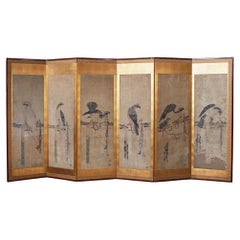
A Single Late 19th Century Six Panel Paper Screen, in the manner of Soga Chokuan
Located in London, GB
Six gouache painted scenes of tethered hawks, laid down to form a six panel screen, with pigment
Category

Antique 19th Century Japanese Edo Paintings and Screens

Materials

Gold Leaf

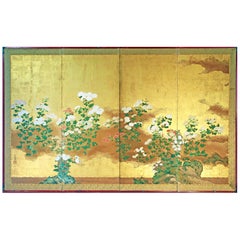
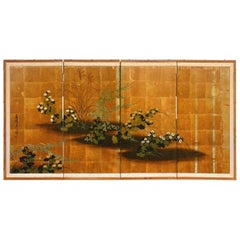
Four-panel golden screen of Rinpa school
By Japanese Studio
Located in Brescia, IT
Giappone, metà del periodo Edo. Scena floreale di un giardino di Scuola Rimpa con fiori di
Category

Antique Late 18th Century Japanese Edo Paintings and Screens

Materials

Gold Leaf

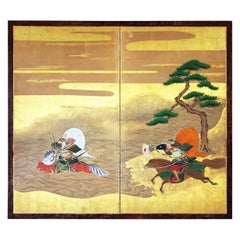
Paravento Giapponese Samurai
By Japanese Studio
Located in Brescia, IT
Paravento a due pannelli di scuola Tosa dipinto a pigmenti minerali su foglia d'oro e carta di riso. Raffigura nella Guerra di Genpei la Battaglia di Ichi-no-Tani tra i Clan Giappone...
Category

Antique 18th Century Japanese Edo Paintings and Screens

Materials

Gold Leaf

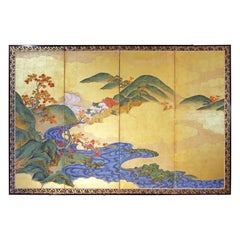
Four-panel screen - Gold leaf screen
By Japanese Studio
Located in Brescia, IT
Four-panel Japanese screen of Tosa school painted with mineral pigments on gold leaf. Depicting a landscape with a river descending from green hills with maple trees and of Sakura, ...
Category

Antique Mid-19th Century Japanese Edo Paintings and Screens

Materials

Gold Leaf

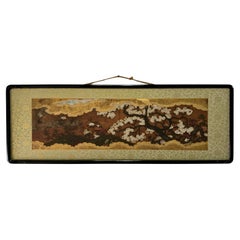
Superb Japanese Landscape Scroll with Sakura and Bamboo, 16th–17th Century
Located in Fukuoka, JP
A refined and poetic Japanese landscape painting dating from the late Muromachi to early Edo period
Category

Antique Early 17th Century Asian Edo Paintings and Screens

Materials

Gold Leaf

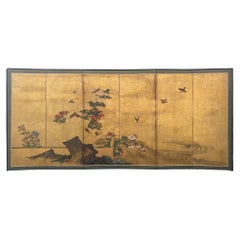
Autumn Season with Birds and Chrysanthemums
Located in Fukuoka, JP
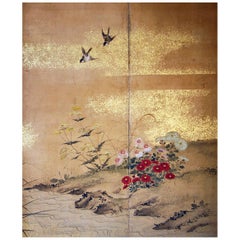
Chrysanthemums, or "kiku" in Japanese, hold profound symbolism in Japanese art and culture. Regarded as a symbol of rejuvenation and longevity, chrysanthemums are closely linked to ...
Category

Antique Early 19th Century Japanese Edo Paintings and Screens

Materials

Gold Leaf

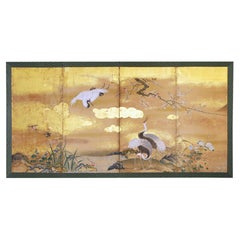
Edo Japanese Screen Gold Leaf Four Panels
By Japanese Studio
Located in Brescia, IT
paper, gold leaf. This Japanese screen bodes well, cranes are symbols of longevity and health. Beyond
Category

Antique Late 18th Century Japanese Edo Paintings and Screens

Materials

Gold Leaf

Japanese Edo Six-Panel Screen Nadeshiko Flower Landscape
Located in Rio Vista, CA
Dramatic Japanese Edo period early 19th century six-panel screen depicting a Nadeshiko flowered
Category

Antique 19th Century Japanese Edo Paintings and Screens

Materials

Brass, Gold Leaf

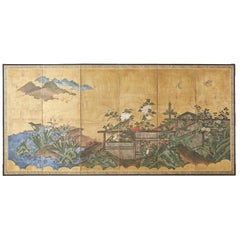
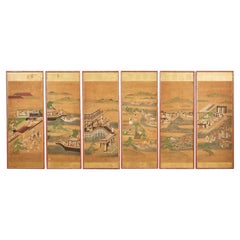
Japanese Edo Period Kano School Six Panel Screen
Located in Rio Vista, CA
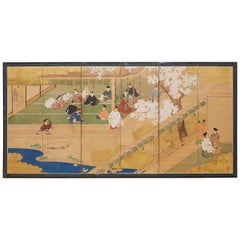
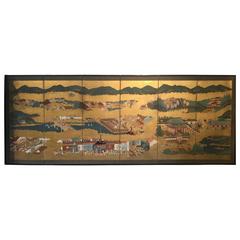
Large Japanese Edo period six panel screen featuring a scene from a narrative tale set in a villa
Category

Antique 19th Century Japanese Edo Paintings and Screens

Materials

Gold Leaf

Japanese Antique Edo Cats Two Panel Gold Screen
Located in South Burlington, VT
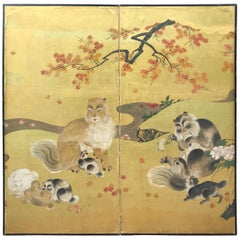
From our recent Japanese Acquisitions Travels. Japan, a stunning antique two-panel gold screen
Category

Antique 19th Century Japanese Meiji Paintings and Screens

Materials

Paper

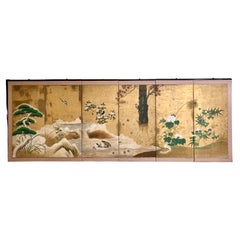
Japanese Edo Six-Panel Screen Seasonal Winter Landscape
Located in Rio Vista, CA
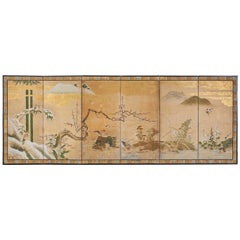
Early 18th century Japanese Edo period six-panel screen depicting a seasonal winter landscape. The
Category

Antique 18th Century Japanese Edo Paintings and Screens

Materials

Brass, Gold Leaf

19th Century Edo Landscape Japanese Six-Panels Folding Screen in Gold Leaf
Located in Brescia, IT
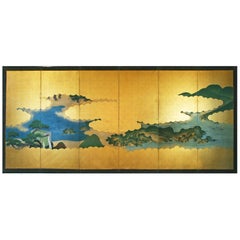
Tosa School. Six-panel Japanese screen from the last Edo period, painted with mineral pigments on
Category

Antique Mid-19th Century Japanese Edo Paintings and Screens

Materials

Gold Leaf

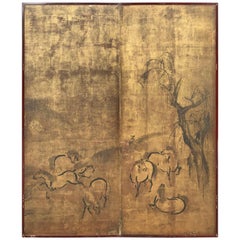
Japanese Antique Ancient Horses Two-Panel Gold Screen, Edo Period, 1800
Located in South Burlington, VT
From our recent Japanese Acquisitions Travels. Japan, an early two-panel gold screen byobu
Category

Antique 19th Century Japanese Edo Paintings and Screens

Materials

Paper

Japanese Antique Ancient Horses Two-Panel Gold Screen, Edo Period, 1800
Located in South Burlington, VT
From our recent Japanese Acquisitions Travels. Japan, an early two-panel gold screen byobu
Category

Antique 19th Century Japanese Edo Paintings and Screens

Materials

Paper

Japanese Edo Period Six-Panel Screen Summer Landscape
Located in Rio Vista, CA
18th century Japanese Edo period six-panel screen featuring summer foliage landscape with birds
Category

Antique 18th Century Japanese Edo Paintings and Screens

Materials

Brass, Gold Leaf

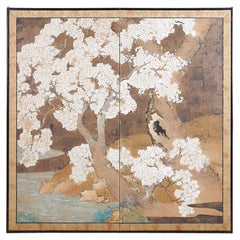
Japanese Edo Period Kano School Sakura Tree Screen
Located in Rio Vista, CA
Stunning Japanese two-panel Edo period screen of an ancient blossoming Sakura or cherry tree
Category

Antique 19th Century Japanese Edo Paintings and Screens

Materials

Brass, Gold Leaf

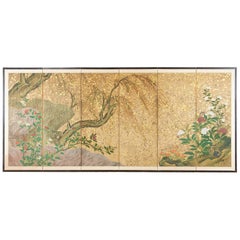
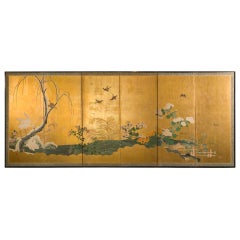
Japanese Six-Panel Edo Screen Willow with Flowers
Located in Rio Vista, CA
18th century Japanese Edo period six-panel screen featuring spring willow with camellia and peonies
Category

Antique 18th Century Japanese Edo Paintings and Screens

Materials

Brass, Gold Leaf, Silver Leaf

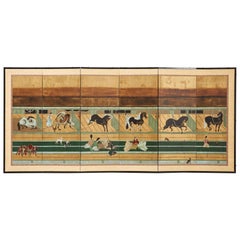
Japanese Edo Style Six Panel Screen Horses in Stable
Located in Rio Vista, CA
Fantastic Japanese Showa period six-panel screen depicting horses in a stable. Made after the
Category

20th Century Japanese Edo Paintings and Screens

Materials

Gold Leaf

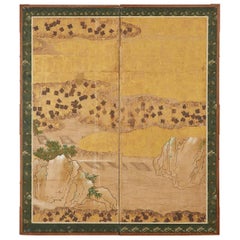
Japanese Edo Two-Panel Screen Small Boats on Riverbank
Located in Rio Vista, CA
Rare and unusual Japanese late Edo period two-panel screen depicting small boats on a riverbank
Category

Antique 19th Century Japanese Edo Paintings and Screens

Materials

Brass, Gold Leaf

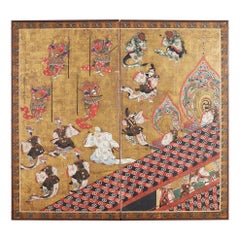
Japanese Edo Bugaku Imperial Court Dance Two-Panel Screen
Located in Rio Vista, CA
Spectacular Japanese two-panel Edo period Tosa school screen featuring warriors in costume
Category

Antique 19th Century Japanese Edo Paintings and Screens

Materials

Brass, Gold Leaf

Japanese Edo Period Unkoku School Screen Gilt Mountain Landscape
Located in Rio Vista, CA
Large 18th century Japanese Edo period three panel agricultural mountain landscape screen. Three
Category

Antique 18th Century Japanese Edo Paintings and Screens

Materials

Brass, Gold Leaf

Japanese Edo Six-Panel Kano Screen Emperor Garden Terrace
Located in Rio Vista, CA
Early 18th century Japanese Tokugawa Edo period six-panel kano screen depicting the Emperor in
Category

Antique 18th Century Japanese Edo Paintings and Screens

Materials

Brass, Gold Leaf

Edo, Early 19th Century, Japanese Folding Screen Six Panels Painted on Gold Leaf
Located in Brescia, IT
Japanese Kano School: Folding screen with pine, crane and Sakura flowers. Ink color and gold on
Category

Antique Early 19th Century Japanese Edo Paintings and Screens

Materials

Gold Leaf

Japanese Edo Six Panel Screen Kano School Applied Vignettes
Located in Rio Vista, CA
Impressive 18th century Japanese Edo period six-panel byobu screen with applied vignettes by
Category

Antique 18th Century Japanese Edo Paintings and Screens

Materials

Brass, Gold Leaf

Japanese Edo Period six Panel Screen "Gion Festival", Tosa School
Located in Austin, TX
A fine Japanese Tosa School six fold painted paper screen, byobu. Painted in bright mineral
Category

Antique 1820s Japanese Edo Paintings and Screens

Materials

Gold Leaf

Pair of Attributed Tosa Mitsuoki Pines Along Seashore Edo Screens
Located in Rio Vista, CA
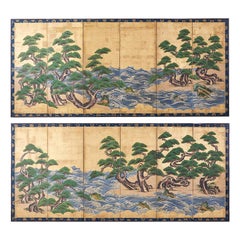
Fascinating pair of six panel 17th century Edo period screens attributed to Tosa Mitsuoki (Japanese
Category

Antique 17th Century Japanese Edo Paintings and Screens

Materials

Brass, Gold Leaf

Edo 19th Century, Japanese Folding Screen Six Panels Hand Painted on Rise Paper
Located in Brescia, IT
screen with gold grains and hand painted with mineral pigments on rice paper. Edo period, early 19th
Category

Antique Early 19th Century Japanese Edo Paintings and Screens

Materials

Gold

Edo 18th Century Two Panels Japanese Folding Screen Inks, Pigments on Rise Paper
Located in Brescia, IT
Kano school screen with two doors painted in mineral colors and gold specks on rice paper, early
Category

Antique Mid-18th Century Japanese Edo Paintings and Screens

Materials

Gold

Japanese Tosa School Six-Panel Folding Byobu Screen "Tales of Genji", 1770 Edo
Located in Studio City, CA
A mesmerizing Edo period six panel byobu screen with intricately hand painted Imperial courtyard
Category

Antique 1770s Japanese Edo Paintings and Screens

Materials

Brass, Gold Leaf

Japanese Tosa School Four-Panel Folding Byobu Screen "Tales of Genji", 1800 Edo
Located in Studio City, CA
A mesmerizing and gorgeously conceived Edo period four-panel Byobu screen with intricately hand
Category

Antique 18th Century Japanese Edo Paintings and Screens

Materials

Gold Leaf

Gold Leafed Screen - Late Meiji Period
Located in Fukuoka, JP
Gold Leafed Screen - Late Edo to Meiji Transition Period: Mid-19th century (Late Edo - Meiji) Size
Category

Early 20th Century Japanese Edo Paintings and Screens

Materials

Gold Leaf

Japanese Two-Panel Screen Geese on Gold
Located in Hudson, NY
Japanese two panel screen: Geese on Gold, Edo period (circa 1800) painting of a pair of geese with
Category

Antique Early 1800s Japanese Edo Paintings and Screens

Materials

Silver Leaf

Antique Edo Period 6 Panel Folding Screen Depicting Birds and Seasonal Flowers
Located in San Francisco, CA
A fine Edo (Tokugawa) period Japanese antique six panel folding screen in sumi (black ink) and
Category

Antique Late 18th Century Japanese Edo Screens and Room Dividers

Materials

Gold Leaf

Japanese Four Panel Floral Gold Leaf Byobu Screen
Located in Rio Vista, CA
Vintage Japanese four panel byobu screen featuring painted flowers over a gold leaf background
Category

20th Century Japanese Edo Paintings and Screens

Materials

Gold Leaf

Set of Six Japanese Edo Panels Tale of Taishokkan
Located in Rio Vista, CA
Extraordinary set of six Japanese Edo period panels featuring the tale of Taishokkan or the great
Category

Antique 18th Century Japanese Edo Paintings and Screens

Materials

Gold Leaf

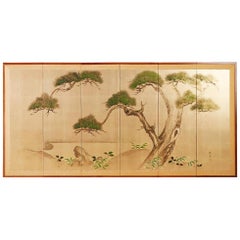
Japanese Six-Panel Byobu Screen of Pine Trees on Gold Leaf
Located in Rio Vista, CA
Exquisite Japanese six-panel byobu screen featuring pine trees on squares of gold leaf. Beautifully
Category

20th Century Japanese Edo Paintings and Screens

Materials

Brass

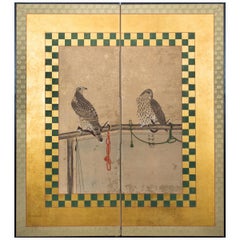
Japanese Two-Panel Screen, Hunting Falcons
Located in Hudson, NY
Late Edo period (1614-1868) painting of two falcons with silk knotted tethers resting on perches
Category

Antique Early 1800s Japanese Edo Paintings and Screens

Materials

Gold Leaf

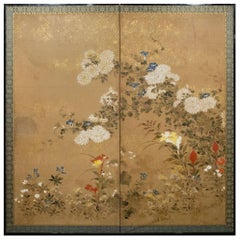
Japanese Two-Panel Screen, Flower Garden
Located in Hudson, NY
paper with gold dust and a silk brocade border.
Category

Antique Mid-18th Century Japanese Edo Paintings and Screens

Materials

Gold Leaf

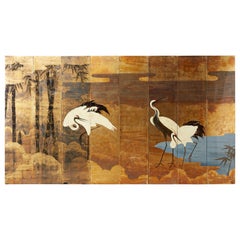
Contemporary Japanese Eight Panel Crane Landscape Screen
Located in Rio Vista, CA
. Painted on squares of gold leaf in an Edo period Kano School style and manner. Each panel has a high gloss
Category

20th Century Japanese Edo Paintings and Screens

Materials

Gold Leaf

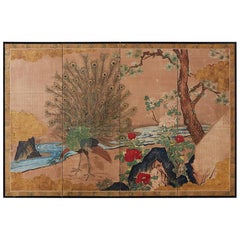
18th Century Japanese Peacock Screen Kano School
Located in Rio Vista, CA
Fantastic 18th century Japanese four panel depicting a peacock landscape. Edo period screen made in
Category

Antique 18th Century Japanese Edo Paintings and Screens

Materials

Brass, Gold Leaf

Japanese Six Panel Screen Autumn into Winter Landscape
Located in Hudson, NY
Japanese Six Panel Screen: Autumn into Winter Landscape, Late Edo (circa 1850) Rimpa style painting
Category

Antique Mid-19th Century Japanese Edo Paintings and Screens

Materials

Gold Leaf

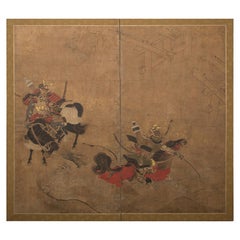
Japanese Two Panel Screen The Battle of Uji Bridge
Located in Hudson, NY
This screen depicts two Heike generals, Sasaki Takatsuna and Kajiwara Kagesue, on their horses
Category

Antique Early 18th Century Japanese Edo Paintings and Screens

Materials

Gold

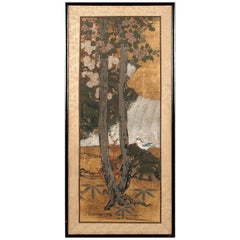
Framed Antique Japanese Landscape Painting Edo Period Provenance
Located in Atlanta, GA
Framed Japanese landscape painting circa 1830s, the late Edo Period, possibly a panel from an
Category

Antique 1830s Japanese Japonisme Paintings and Screens

Materials

Gold Leaf

18th Century Japanese Four Panel Kano School Screen
Located in Rio Vista, CA
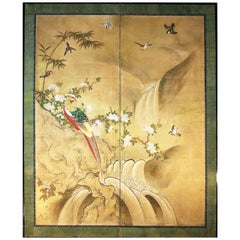
distant waterfall. Edo period sumi-e on gold leaf squares in the Kano school style. Delicate trees, bamboo
Category

Antique 18th Century Japanese Edo Paintings and Screens

Materials

Metal, Gold Leaf

Japanese Six Panel Kano School Style Screen
Located in Rio Vista, CA
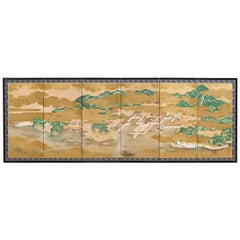
Large Japanese six-panel Byobu screen depicting an aerial view of a village with a river and
Category

20th Century Japanese Edo Paintings and Screens

Materials

Brass, Gold Leaf

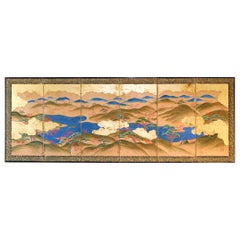
Kiyono Yozan, circa 1700 “Xiao Xiang” Japanese Screen Painting
By Kiyono Yozan
Located in Kyoto, JP
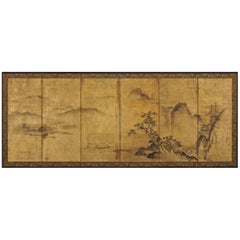
Kiyono Yozan (fl. 1688-1704) “Views of the Xiao and Xiang” Six-panel screen, ink and gold leaf on
Category

Antique Early 1700s Japanese Edo Paintings and Screens

Materials

Gold Leaf

Kishi Ganryo “Flowers of the Four Seasons” Japanese Folding Screen
By Kishi Ganryo
Located in Kyoto, JP
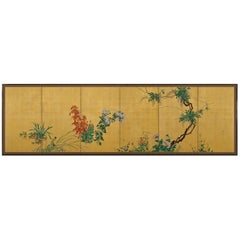
Kishi Ganryo (1798-1852) “Flowers of the Four Seasons” Six-panel screen, ink, color and gold leaf
Category

Antique 1840s Japanese Edo Paintings and Screens

Materials

Gold Leaf

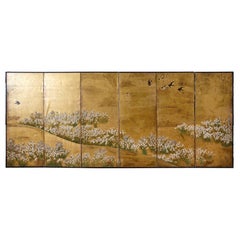
Japanese Six-Panel Screen Rimpa School Quail Landscape
Located in Rio Vista, CA
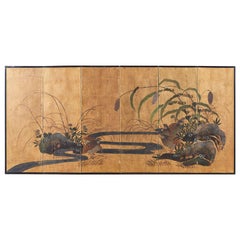
Distinctive Japanese six-panel screen depicting a meandering river landscape with quail among
Category

20th Century Japanese Edo Paintings and Screens

Materials

Gold Leaf

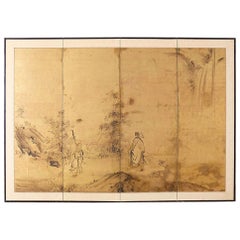
18th Century Japanese Two-Panel Kano School Screen
Located in Rio Vista, CA
Dramatic 18th century Japanese two-panel Kano school landscape screen with three Chinese figures
Category

Antique 18th Century Japanese Edo Paintings and Screens

Materials

Gold Leaf, Brass

Japanese Six-Panel Screen Garden Landscape by River s Edge
Located in Hudson, NY
on far right. Early Edo period painting, (1614 - 1868). Not signed, in good condition. Mineral
Category

Antique Late 17th Century Japanese Edo Paintings and Screens

Materials

Gold Leaf

Japanese Four Panel Tales of Genji Picnic Screen
Located in Rio Vista, CA
Genji. The screen is painted in a Nihonga school style on squares of gold leaf. The characters dressed
Category

20th Century Japanese Edo Paintings and Screens

Materials

Brass, Gold Leaf

Japanese Showa Edo Tale of the Genji Landscape Painting
Located in Studio City, CA
water) and vivid colors as well as splashes of gold dust to highlight the landscape. We are listing
Category

Mid-20th Century Japanese Showa Paintings and Screens

Materials

Gold Leaf

Japanese Landscape of the 19th Century, Small Six Folding Screen Kano School
Located in Brescia, IT
Edo Period, six panels Japanese folding screen hand painted inks and mineral pigment on vegetable
Category

Antique Early 19th Century Japanese Edo Paintings and Screens

Materials

Gold Leaf

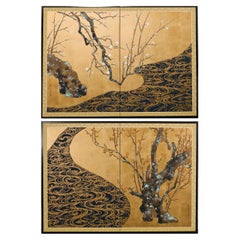
Pair of Red and White Plum Blossom Screens After Ogata Korin
Located in Rio Vista, CA
Amazing pair of 18th century Edo period style paintings of red and white plum blossoms after Ogata
Category

20th Century Japanese Edo Paintings and Screens

Materials

Brass, Gold Leaf

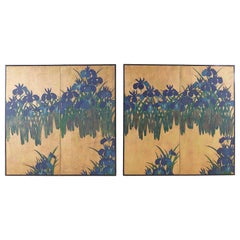
Pair of Japanese Iris Screens on Gilt After Ogata Korin
Located in Rio Vista, CA
gold leaf background after Ogata Korin (Japanese 1658-1716). The screens feature abstracted blue
Category

Mid-20th Century Japanese Edo Paintings and Screens

Materials

Gold Leaf

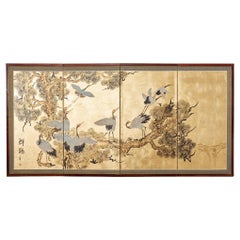
Japanese Style Four Panel Screen Flock of Cranes in Pine
Located in Rio Vista, CA
Stunning late 20th century Japanese style byobu four-panel screen depicting a flock or sedge of
Category

20th Century Chinese Edo Paintings and Screens

Materials

Brass, Gold Leaf

Japanese Six-Panel Screen, Sparrows and the Three Friends of Winter, circa 1800
Located in Austin, TX
A beautiful and elegant Japanese Edo period six-panel painted screen, byobu, 18th-19th century. The
Category

Antique Early 19th Century Japanese Edo Paintings and Screens

Materials

Gold Leaf

  • 1
Get Updated with New Arrivals
Save "Edo Screen Gold", and we’ll notify you when there are new listings in this category.

Edo Screen Gold For Sale on 1stDibs

With a vast inventory of beautiful furniture at 1stDibs, we’ve got just the piece of edo screen gold you’re looking for. Frequently made of metal, gold and gold leaf, every item from our selection of edo screen gold was constructed with great care. You’ve searched high and low for the perfect choice in our collection of edo screen gold — we have versions that date back to the 18th Century alongside those produced as recently as the 20th Century are available. Each object in our assortment of edo screen gold bearing hallmarks is very popular. Many designers have produced at least one well-made option in this array of edo screen gold over the years, but those crafted by Japanese School, Kishi Ganryo and Kiyono Yozan are often thought to be among the most beautiful.

How Much is a Edo Screen Gold?

A piece of edo screen gold can differ in price owing to various characteristics — the average selling price 1stDibs is $16,500, while the lowest priced sells for $636 and the highest can go for as much as $175,000.

A Close Look at Edo Furniture

Edo furniture was created during a flourishing time for the decorative arts owing to the stability of the Tokugawa shogunate rule in Japan. Spanning from 1603 to 1867, this era of peace and economic growth supported artistic advancements in lacquer, woodblock printing, porcelain and other artisanal trades. Because the country was largely isolated, there was little outside influence, leading to centuries of exceptional attention to the design of its furnishings and the quality of its traditional arts.

Unlike during the Meiji period that followed, with an increase in domestic and international markets, furniture during the Edo period was predominately commissioned by the ruling class, although people from across social groups benefited from the burgeoning metropolitan hubs for artisanal trades. For instance, Kyoto became a major center for lacquer art. Most furniture pieces were made from wood such as cedar or ash, including the era’s sashimono cabinets, which involved fine joinery and were rooted in the Heian period.

Sashimono cabinets, which were built by master craftsmen in a range of different wood types owing to the various trees that populate Japan, occasionally featured a stack of slender drawers as well as sliding doors. They were popular with everyone from samurai to kabuki actors. Tansu storage chests crafted from wood with metal fittings were also common in Edo-period homes. Some were designed to be easily portable while others were made to double as staircases.

Painted folding screens, called byōbu, were also fashionable, with Japanese artists inspired by nature, literature and scenes of history and daily life to create vivid works. In Buddhist temples and the palatial homes of the aristocratic class, fusuma, or large sliding panels, would sometimes be adorned with gold or silver leaf. These dividers allowed interiors to change throughout the day, closing in small spaces for personal use or reflecting candlelight to illuminate communal spaces after dark.

Find a collection of Edo tables, lighting, decorative objects, wall decorations and more furniture on 1stDibs.

Finding the Right Paintings-screens for You

Traditional Asian paintings were often created on scrolls and folding screens. Artisans made screens that could be folded up or spread out by connecting several panels using hinges. Today, antique Asian folding screens and paintings are sophisticated decorative accents that can serve as makeshift partitions to ensure privacy.

The original folding screens were created by Chinese artists. The earliest record of screens comes from the 2nd century B.C., and surviving examples date back to the Ming dynasty. Chinese painting utilizes many of the same tools as calligraphy — these screens were crafted from wood with painted panels featuring striking art or calligraphy that told cultural stories or represented nature and life in the area.

The practice was introduced to Japan, where paintings for screens were made on paper and silk, in the 8th century. These paintings frequently feature subjects such as landscapes, animals, flowers and Buddhist religious themes. Along with screens for tea ceremonies and dance backgrounds, there were screens for use in Shinto and Buddhist temples.

In the 17th century, screens began to be imported to Europe where their popularity grew. Coco Chanel famously collected Coromandel folding screens.

Traditional Asian paintings can make a tasteful addition to any wall, and screens can be used as decoration or, in the case of larger iterations, as an aesthetic way to divide a large room. Browse the selection of antique Asian paintings and screens from a variety of styles and eras on 1stDibs.