Elsa Schiaparelli 1940
1940s French Other
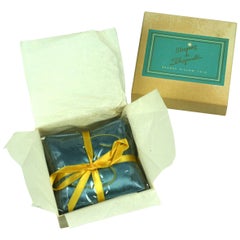
1940s French Curiosities
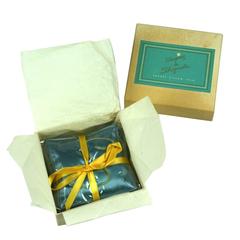
1940s French Other

Vintage 1940s French Modern Clip-on Earrings
Crystal, Brass
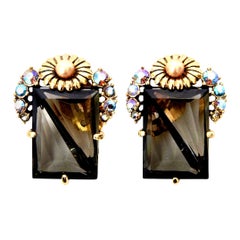
1940s French Jackets
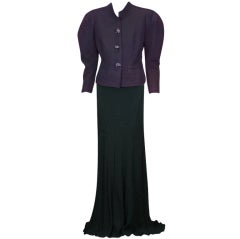

Vintage 1940s European Modern Clip-on Earrings
Crystal, Rhodium
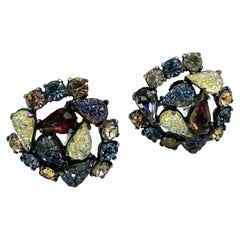
Vintage 1940s Italian Modern Clip-on Earrings
Gilt Metal
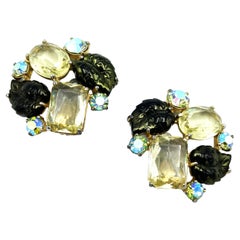
Vintage 1930s French Art Deco Collectible Jewelry
Art Glass
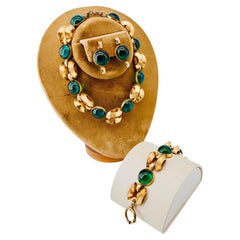
Recent Sales
Vintage 1940s American Drop Necklaces
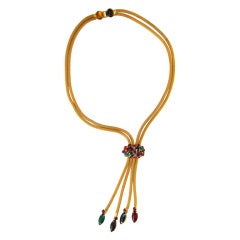
Vintage 1940s American Clip-on Earrings
Ruby, Base Metal
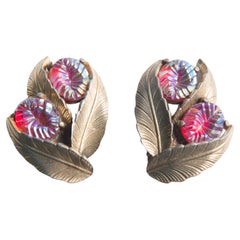
Vintage 1940s American Brooches
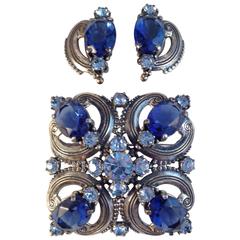
Vintage 1940s French Artist Brooches
Mixed Metal
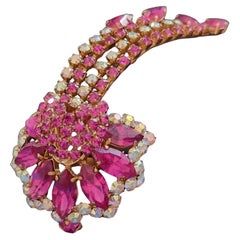
Mid-20th Century American More Bracelets
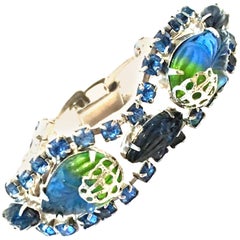
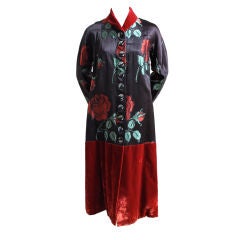
1940s French Art Nouveau Coats
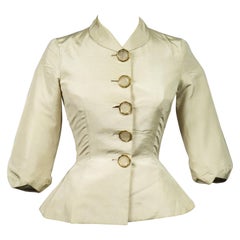
1940s French Tuxedo Jackets
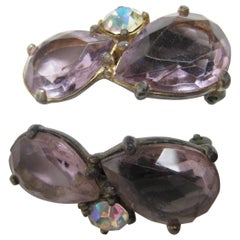
Vintage 1940s American Clip-on Earrings
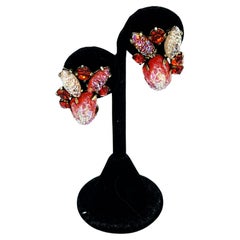
Vintage 1940s Italian Modern Clip-on Earrings
Crystal
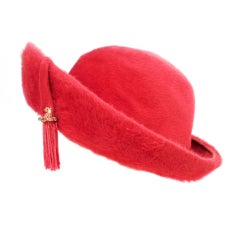
1940s Austrian Hats
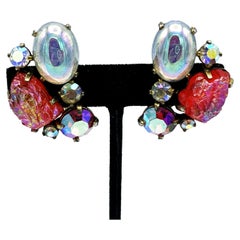
Vintage 1940s Italian Modern Clip-on Earrings
Gilt Metal
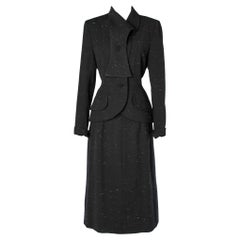
1940s Unknown Skirt Suits
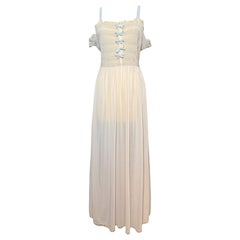
1940s French Slips
Vintage 1940s Italian Modern Link Bracelets
Crystal, Rhodium
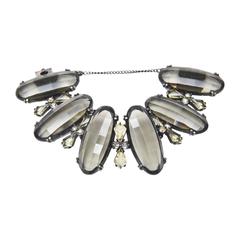
1940s Unknown Skirt Suits
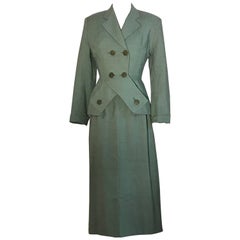
1940s French Contour
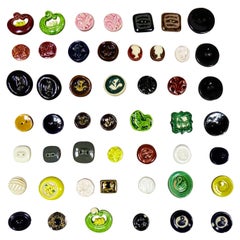
1940s American Bras
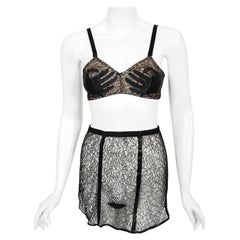
Vintage 1940s Clip-on Earrings
Base Metal
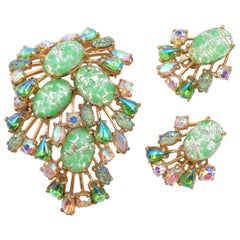
Vintage 1940s Brooches
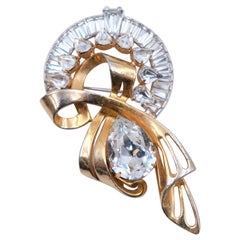
1940s Cloche Hats
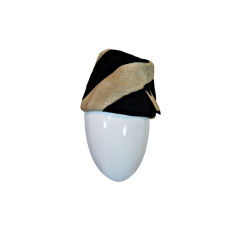
Mid-20th Century American More Bracelets

Vintage 1940s American Clip-on Earrings
Base Metal
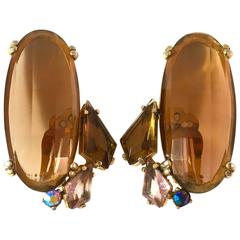
Vintage 1940s American Modern Brooches
Base Metal
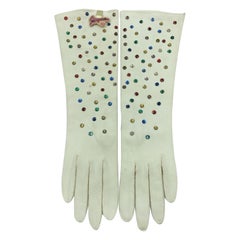
1940s American Gloves
People Also Browsed
1990s French Maxi Dresses
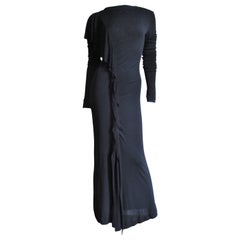
1990s French Blouses
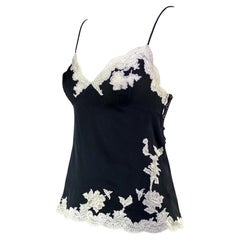
1990s French Cardigans
Early 2000s Italian Evening Dresses and Gowns
Early 2000s Italian Hats
Early 2000s French Skirt Suits
1990s French Jackets
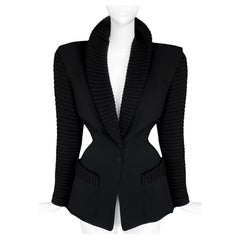
1960s French Shapewear
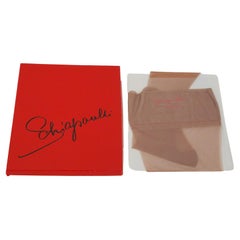
Early 2000s Italian Mini Dress
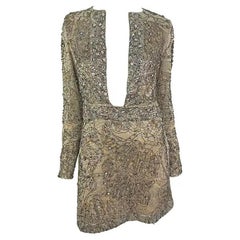
1930s French Evening Gowns
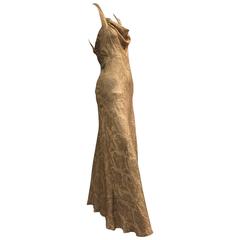
1950s American Ball Gowns
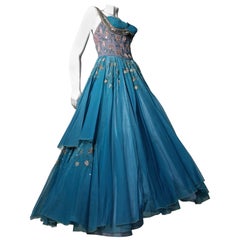
1950s French Evening Dresses
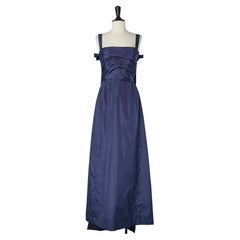
1930s French Skirt Suits
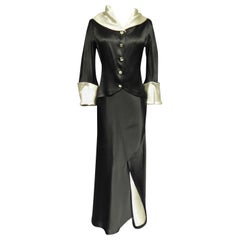
1990s Italian Mini Dress
1950s French Hats
1960s French Bras
Elsa Schiaparelli 1940 For Sale on 1stDibs
How Much is a Elsa Schiaparelli 1940?
Elsa Schiaparelli for sale on 1stDibs
From her signature color Shocking Pink to her collaborations with Surrealist artists, the boldly original Elsa Schiaparelli transformed fashion with her haute couture house from the late 1920s to the early ’50s. Experimenting with elements like trompe l’oeil images and colorful visible zippers, the Italian designer instilled a provocative avant-garde artistry in her clothing and accessories, including those created with Salvador Dalí, such as the lobster dress and a hat shaped like a shoe.
Born in Rome, Schiaparelli was a rebellious child who grew up among the city’s intellectual elite. She had a voracious appetite for reading and became interested in ancient cultures, astronomy and world religions. Schiaparelli studied philosophy at the University of Rome, and after publishing a collection of poems on love and sensuality that so mortified her conservative parents that they tried, unsuccessfully, to confine her to a Swiss convent, she left for London.
A quick marriage to Count Wilhelm de Wendt de Kerlor brought her to New York, but it would be in Paris following her divorce that Schiaparelli embraced her artistic passions. She moved to the French capital city in 1922 with her young daughter and happened to meet master couturier Paul Poiret, who loaned the stylish Schiaparelli his clothes, sparking her own fashion interests.
Schiaparelli opened her modest atelier in Paris and debuted her first collection of knitwear in 1927, and later that year, she designed a black-and-white pullover hand-knit wool sweater featuring a trompe l’oeil bowknot that captured the attention of the fashion world. Vogue called it “an artistic masterpiece.” The success led to her moving her house to 21 Place Vendôme in 1935 where thousands of garments were produced each year.
Schiaparelli’s knitwear collections were later accompanied by revolutionary swimsuits and other clothing and accessories. Her inventive designs would include culottes — a radical statement in the 1930s when women still could cause a scandal by wearing pants — as well as printed fabric, such as the 1938 Tears dress with a print designed by Dalí making it appear as if the evening gown had been savagely ripped.
Schiaparelli was among the first designers to use materials like rayon and Lurex as well as explore wrap dresses and transparent raincoats. She also introduced unisex fragrances and brought her artistic partnerships into jewelry, such as bronze brooches made with Alberto Giacometti and fur-lined bracelets with Méret Oppenheim. As she wrote in her 1954 autobiography Shocking Life, women should “dare to be different.”
Despite her acclaim, her shop closed in 1954 after a tumultuous time during World War II. By then, fashion had moved on with Christian Dior's New Look, and the closure of Schiaparelli's business coincided with a comeback mounted by Coco Chanel, her archrival in the early days.
In 2006, Italian businessman Diego Della Valle acquired the brand and its archives, and the Maison Schiaparelli was reopened in 2012, back at 21 Place Vendôme where Schiaparelli's fearless and enduring work began.
Find vintage Elsa Schiaparelli hats, evening dresses and other clothing and accessories on 1stDibs.
Read More
You Saw It at the Met Ball. Here’s What Camp Fashion Is Really About
This year's Costume Institute exhibition is all about embracing the eccentric.
The Met’s Latest Blockbuster Tells a Powerful Story through 230 Jewels
A captivating show at the Manhattan museum explores how jewelry has ornamented the body through the millennia — and redefines it as high art.