Emile Galle Coffee Table
Antique Early 1900s French Art Nouveau Coffee and Cocktail Tables
Fruitwood, Oak
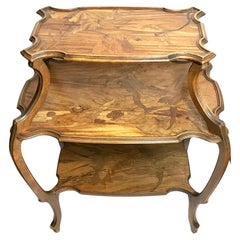

20th Century French Art Nouveau Coffee and Cocktail Tables
Metal
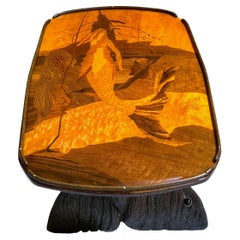
Antique 19th Century French Tray Tables
Fruitwood
Recent Sales
Antique Late 19th Century Coffee and Cocktail Tables
Wood
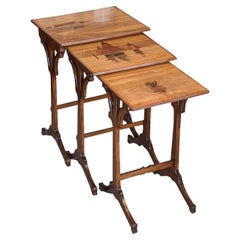
Early 20th Century French Art Nouveau Coffee and Cocktail Tables
Fruitwood
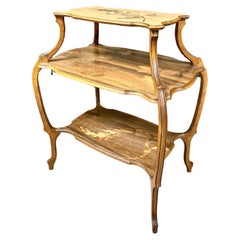
Antique Late 19th Century French Coffee and Cocktail Tables
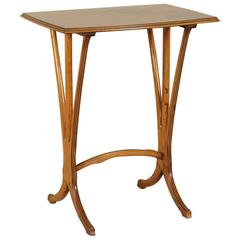
Antique Early 1900s French Art Nouveau Gueridon
Wood, Walnut
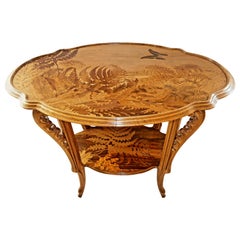
Early 20th Century French Art Nouveau Coffee and Cocktail Tables
Wood
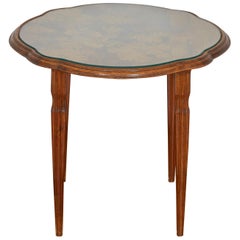
Antique Early 1900s French Art Nouveau Coffee and Cocktail Tables
Macassar, Walnut
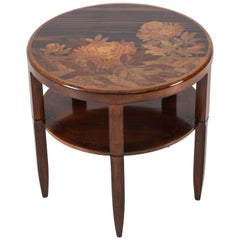
Early 20th Century French Art Nouveau Tables
Wood, Beech
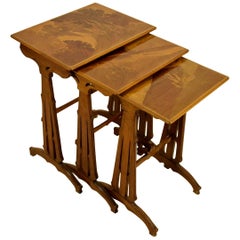
20th Century French Coffee and Cocktail Tables
Beech
People Also Browsed
Antique 18th Century British Edwardian Settees
Cane, Wood
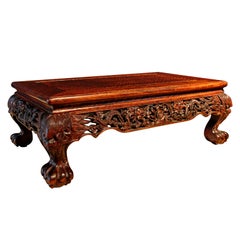
Antique Early 1900s Chinese Qing Scholar s Objects
Fruitwood
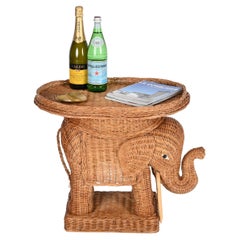
Vintage 1960s Italian Mid-Century Modern Side Tables
Bamboo, Rattan, Cane, Wicker
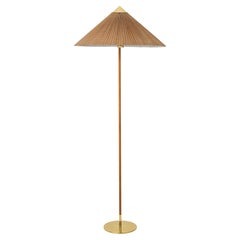
21st Century and Contemporary Finnish Mid-Century Modern Floor Lamps
Brass
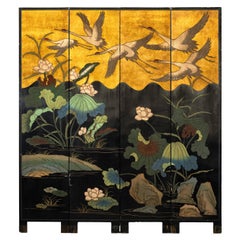
Late 20th Century Screens and Room Dividers
Wood
Early 20th Century Belgian Art Deco Wardrobes and Armoires
Wood, Walnut, Glass, Oak
21st Century and Contemporary French Art Deco Wall Lights and Sconces
Brass
Early 20th Century Italian Art Nouveau Commodes and Chests of Drawers
Marble

Early 20th Century Italian Art Deco Table Lamps
Onyx, Marble
Vintage 1920s Hungarian Other Paintings
Canvas
21st Century and Contemporary American Art Nouveau Doors and Gates

Vintage 1980s Italian Art Nouveau Sterling Silver
Sterling Silver
Vintage 1930s Italian Art Deco Settees
Bouclé, Walnut
Early 20th Century French Art Deco Animal Sculptures
Marble, Metal
21st Century and Contemporary French Art Deco Chandeliers and Pendants
Bronze
Vintage 1940s French Art Deco Wall Lights and Sconces
Iron
Emile Galle Coffee Table For Sale on 1stDibs
How Much is a Emile Galle Coffee Table?
Émile Gallé for sale on 1stDibs
“Art for art’s sake” was a belief strongly espoused by the celebrated French designer and glassworker Émile Gallé. Through his ethereal glass vases, other vessels and lamps, which he adorned with botanical and religious motifs, Gallé advanced the Art Nouveau ideology and led the modern renaissance of French glass.
Gallé was the son of successful faience and furniture maker Charles Gallé but studied philosophy and botany before coming to glassmaking later in life. The young Gallé’s expertise in botany, however, would inform his design style and become his signature for generations to come.
After learning the art of glassmaking, Gallé went to work at his father’s factory in Nancy. He initially created clear glass objects but later began to experiment with layering deeply colored glass.
While glassmakers on Murano had applied layers of glass and color on decorative objects before Gallé had, he was ever-venturesome in his northeastern France, taking advantage of defects that materialized during his processes and etching in natural forms like insects such as dragonflies, marine life, the sun, vines, fruits and flowers modeled from local specimens.
Gallé is also credited with reviving cameo glass, a glassware style that originated in Rome. He used cabochons, which were applied raised-glass decorations colored with metallic oxides and made to resemble rich jeweling. Gallé's cameo glass vases and vessels were widely popular at the Paris Exhibition of 1878, cementing his position as a talented designer and pioneer.
During the late 19th century, Gallé led breakthroughs in mass production and employed hundreds of artisans in his workshop.
Botany and nature remained great sources of inspiration for the artist's glassmaking — just as they had for other Art Nouveau designers. From approximately 1890 to 1910, the movement’s talented designers produced furniture, glass and architecture in the form of — or adorned with — gently intertwining trees, flowers and vines. But Gallé had many interests, such as Eastern art and ceramics. The Japanese collection he visited at the Victoria and Albert Museum in London (then the South Kensington Museum) during the 1870s had made an impression too.
Breaking free from the rigid Victorian traditions, Gallé infused new life and spirit into the art and design of his time through exquisitely crafted glass vessels and pioneering new glassworking techniques.
Find a collection of Émile Gallé vases and other furniture and decorative objects on 1stDibs.
Finding the Right Coffee-tables-cocktail-tables for You
As a practical focal point in your living area, antique and vintage coffee tables and cocktail tables are an invaluable addition to any interior.
Low tables that were initially used as tea tables or coffee tables have been around since at least the mid- to late-1800s. Early coffee tables surfaced in Victorian-era England, likely influenced by the use of tea tables in Japanese tea gardens. In the United States, furniture makers worked to introduce low, long tables into their offerings as the popularity of coffee and “coffee breaks” took hold during the late 19th century and early 20th century.
It didn’t take long for coffee tables and cocktail tables to become a design staple and for consumers to recognize their role in entertaining no matter what beverages were being served. Originally, these tables were as simple as they are practical — as high as your sofa and made primarily of wood. In recent years, however, metal, glass and plastics have become popular in coffee tables and cocktail tables, and design hasn’t been restricted to the conventional low profile, either.
Visionary craftspeople such as Paul Evans introduced bold, geometric designs that challenge the traditional idea of what a coffee table can be. The elongated rectangles and wide boxy forms of Evans’s desirable Cityscape coffee table, for example, will meet your needs but undoubtedly prove imposing in your living space.
If you’re shopping for an older coffee table to bring into your home — be it an antique Georgian-style coffee table made of mahogany or walnut with decorative inlays or a classic square mid-century modern piece comprised of rosewood designed by the likes of Ettore Sottsass — there are a few things you should keep in mind.
Both the table itself and what you put on it should align with the overall design of the room, not just by what you think looks fashionable in isolation. According to interior designer Tamara Eaton, the material of your vintage coffee table is something you need to consider. “With a glass coffee table, you also have to think about the surface underneath, like the rug or floor,” she says. “With wood and stone tables, you think about what’s on top.”
Find the perfect centerpiece for any room, no matter what your personal furniture style on 1stDibs — shop Art Deco coffee tables, travertine coffee tables and other antique and vintage coffee tables and cocktail tables today.