Emile Pierre Metzmacher
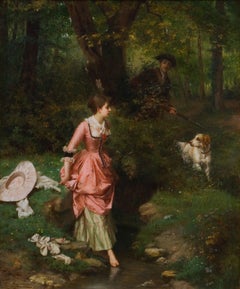
Mid-19th Century Figurative Paintings
Oil, Wood Panel

Recent Sales
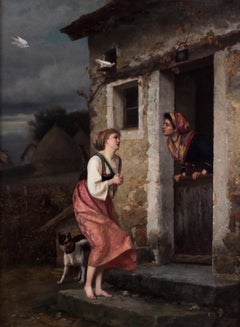
19th Century Realist Figurative Paintings
Oil, Panel
People Also Browsed
Antique 19th Century Swiss Belle Époque Mantel Clocks
Ormolu
Vintage 1910s English Neoclassical Dinner Plates
Porcelain
Antique 15th Century and Earlier German Decorative Art
Other
Vintage 1980s English Neoclassical Porcelain
Porcelain
Antique 19th Century English Victorian Jewelry Boxes
Velvet, Glass, Wood
Early 20th Century French Belle Époque Table Clocks and Desk Clocks
Jade, Silver

Antique 18th Century English George II Mantel Clocks
Brass
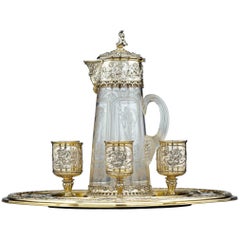
Antique 19th Century English Victorian Sheffield and Silverplate
Silver
Antique 19th Century Swiss Black Forest Mantel Clocks
Wood

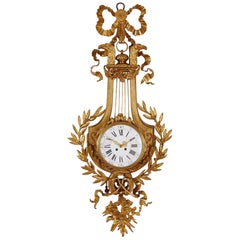
Antique 19th Century French Neoclassical Wall Clocks
Bronze
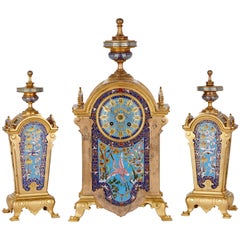
Antique Late 19th Century French Table Clocks and Desk Clocks
Bronze, Enamel
Antique 19th Century Swiss Other Snuff Boxes and Tobacco Boxes
Gold

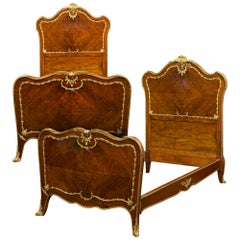
Antique 19th Century French Louis XVI Beds and Bed Frames
Bronze
Antique Late 19th Century French Belle Époque Mantel Clocks
Ormolu
Antique 18th Century English Georgian Architectural Elements
Marble
Vintage 1930s English Dinner Plates
Porcelain
Finding the Right Figurative-paintings for You
Figurative art, as opposed to abstract art, retains features from the observable world in its representational depictions of subject matter. Most commonly, figurative paintings reference and explore the human body, but they can also include landscapes, architecture, plants and animals — all portrayed with realism.
While the oldest figurative art dates back tens of thousands of years to cave wall paintings, figurative works made from observation became especially prominent in the early Renaissance. Artists like Michelangelo, Leonardo da Vinci and other Renaissance masters created naturalistic representations of their subjects.
Pablo Picasso is lauded for laying the foundation for modern figurative art in the 1920s. Although abstracted, this work held a strong connection to representing people and other subjects. Other famous figurative artists include Francis Bacon and Lucian Freud. Figurative art in the 20th century would span such diverse genres as Expressionism, Pop art and Surrealism.
Today, a number of figural artists — such as Sedrick Huckaby, Daisy Patton and Eileen Cooper — are making art that uses the human body as its subject.
Because figurative art represents subjects from the real world, natural colors are common in these paintings. A piece of figurative art can be an exciting starting point for setting a tone and creating a color palette in a room.
Browse an extensive collection of figurative paintings on 1stDibs.
Read More
Impressionist Rebel Camille Pissarro Made the Everyday Feel Radical
In Denver, a major new retrospective reveals how the painter’s devotion to ordinary life — and his fearless shifts in style — shaped modern art.
The Real World Portraitist of “The Gilded Age,” Season Three
Only the best painter could suit the calculatedly extravagant Bertha Russell.
See Kent Monkman’s Magical Realist Take on Frontier History
With a solo show at the Denver Art Museum and a commission from the Met, the Cree Canadian painter has become an international sensation.
Yale’s Trove of British Art Is Back on View in a Refreshed Louis Kahn Building
After a two-year closure, they Yale Center for British Art opens its doors again, with all sorts of changes to its building and programming.
At 89, Artist Lucio Pozzi Is Reaching New Career Heights
The Italian-American’s 2020 abstract painting “The Hoe” personifies his “art of not knowing.”
The 1stDibs Guide to Types of Abstract Art
Get to know the key movements and artists who have influenced visual culture for more than a century.
With a Show at MoMA, Marlon Mullen Paints Pictures That Are beyond Words
The nonspeaking California artist is having a moment, with vivacious paintings that play on art-magazine covers as well as more mysterious abstractions.
The Vibrant Beauty of Orphist Art Supersedes Its Perplexing Name
This kaleidoscopic early-modern art style has long deserved another look. Now, the Guggenheim museum is doing just that.