Empire Chest Lions Paw
Antique 19th Century French Empire Commodes and Chests of Drawers
Marble
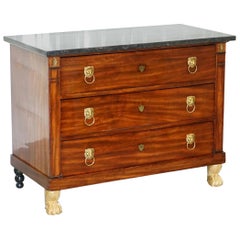

Antique 1890s French Empire Commodes and Chests of Drawers
Mahogany
Recent Sales
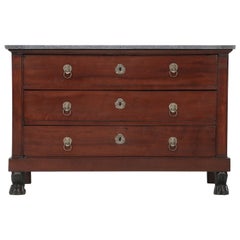
20th Century French Empire Commodes and Chests of Drawers
Mahogany

Antique 1860s French Empire Commodes and Chests of Drawers
Mahogany
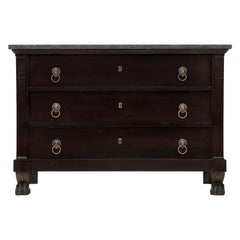
Antique 1880s French Empire Commodes and Chests of Drawers
Mahogany
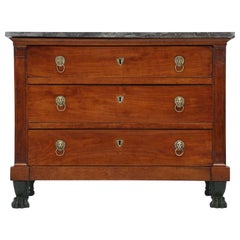
Antique 1840s French Empire Commodes and Chests of Drawers
Mahogany
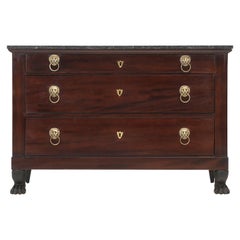
Antique 1860s French Empire Commodes and Chests of Drawers
Marble, Brass
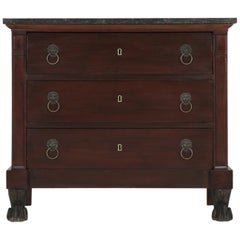
Antique Early 19th Century American American Empire Commodes and Chests ...
Mahogany
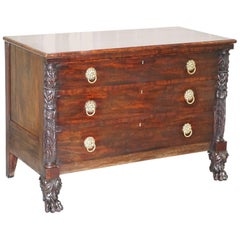
Antique Early 19th Century French Empire Commodes and Chests of Drawers
Marble
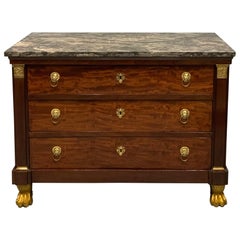
Antique 19th Century French Empire Commodes and Chests of Drawers
Mahogany
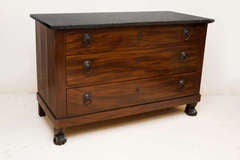
Antique 19th Century French Empire Commodes and Chests of Drawers
Mahogany
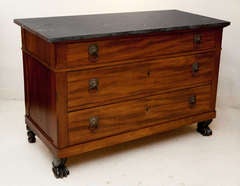
People Also Browsed
2010s Mexican Brutalist Contemporary Art
Wood
Early 20th Century Spanish Art Deco Tea Sets
Silver
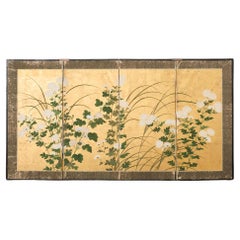
Antique 19th Century Japanese Edo Paintings and Screens
Brass, Gold Leaf
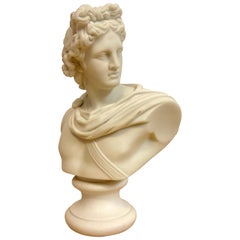
Antique Late 19th Century English Classical Roman Busts
Ceramic
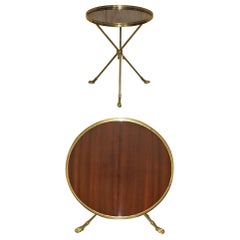
Mid-20th Century French Mid-Century Modern Tables
Brass
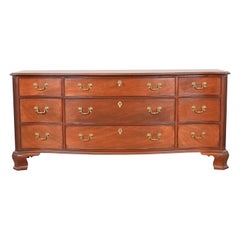
Vintage 1980s American Georgian Dressers
Brass
21st Century and Contemporary American Industrial Wall Lights and Sconces
Mirror
Early 20th Century Swedish Other Commodes and Chests of Drawers
Pine
Antique Early 1900s English Pedestals
Wood
21st Century and Contemporary French Modern Wall Lights and Sconces
Alabaster, Brass
Antique 19th Century Bookcases
Mahogany
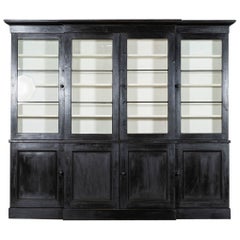
21st Century and Contemporary Asian French Provincial Bookcases
Wood
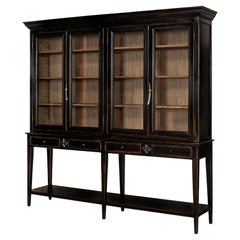
21st Century and Contemporary Portuguese Art Deco Chandeliers and Pendants
Metal, Brass
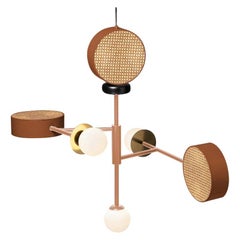
20th Century British Chinoiserie Bookcases
Wood
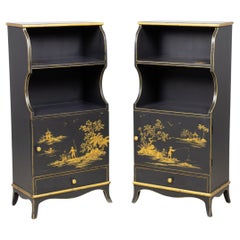
Antique 1810s English Regency Game Tables
Wood
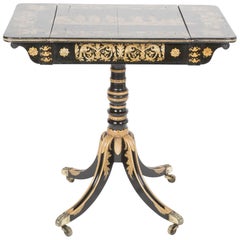
2010s Wall Mirrors
Murano Glass
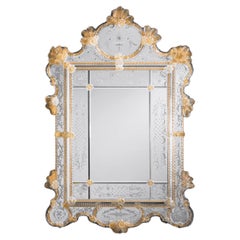
Empire Chest Lions Paw For Sale on 1stDibs
How Much is a Empire Chest Lions Paw?
A Close Look at Empire Furniture
From 1804–15, Napoléon I reigned as the emperor of France, bringing the country into a new era of opulence after the fall of the monarchy and the tumultuous years of the French Revolution. He declared, “We must have very solid things, made to last 100 years.” Empire-style furniture followed suit, with imposing pieces constructed from mahogany and adorned with gilded ornaments. Expanding on the neoclassicism popularized in the previous century — such as in Louis XVI style — Empire style borrowed from the great civilizations of antiquity, from Egypt to Greece and Rome, to connect this nascent empire to the power of the past.
Napoléon I believed the production of fine furniture would reflect the stature of the republic, with his official architects Charles Percier and Pierre-François-Léonard Fontaine leading the way with their work on his residences.
Luxurious materials, symmetrical shapes and bold colors characterize antique Empire-style bedroom furniture, armchairs, cabinets and other structures, with frequent motifs including mythological creatures, geometric designs, acanthus leaves, eagles, bees (the imperial emblem) and swans, a favorite of Empress Joséphine.
Flat surfaces, like marble tabletops, were accented with decadent details, such as the bronze furniture mounts made by sculptor Pierre-Philippe Thomire for the French palaces. Martin-Guillaume Biennais, who worked as the imperial goldsmith, crafted intricate luxury objects that mixed wood, fine metal, mother-of-pearl and ivory. Ormolu — or elaborate bronze gilding — was essential to French design in the 18th and 19th centuries as a cornerstone of the neoclassical and Empire styles.
The style became popular abroad, influencing the American Empire style. Stately pieces carved with sprigs of olives by cabinetmaker Pierre-Antoine Bellange were acquired by American President James Monroe for the White House in 1817.
Find a collection of antique Empire tables, lighting, seating and other furniture on 1stDibs.
Finding the Right Commodes-chests-of-drawers for You
Shopping for a commode or a chest of drawers?
Commode is the French term for a low chest of drawers, but it is also sometimes used to denote any case piece with a particularly intricate design. The commode dates to circa 1700 France, where it was used as an alternative to a taller cabinet piece so as to not obscure paneled, mirrored or tapestried walls. Coffers, or chests, which were large wooden boxes with hinged lids and sometimes stood on ball feet, preceded chests of drawers, a fashionable cabinet furnishing that garnered acclaim for its obvious storage potential and versatility. The term commode was also used to refer to a piece of bedroom furniture — a washstand or nightstand that contained a chamber pot.
As time passed, French and British furniture makers led the way in the production of chests of drawers, and features like the integration of bronze and ornamental pulls became commonplace. Antique French commodes in the Louis XV style were sometimes crafted in mahogany or walnut, while an Italian marble top added a sophisticated decorative flourish. This specific type of case piece grew in popularity in the years that followed.
So, what makes a chest of drawers different from a common dresser? Dressers are short, and chests of drawers are overall taller pieces of furniture that typically do not have room on the top for a mirror as most dressers do. Tallboys and highboys are variations of the dresser form. Some chests of drawers have one column of four to six long drawers or three long drawers in their bottom section that are topped by a cluster of small side-by-side drawers on the top. To further complicate things, we sometimes refer to particularly short chests of drawers as nightstands.
Even though chests of drawers are commonly thought of as bedroom furniture to store clothing, these are adaptable pieces. A chest of drawers can house important documents — think of your walnut Art Deco commode as an upgrade to your filing cabinet. Nestle your chest near your home’s front door to store coats and other outerwear, while the top can be a place to drop your handbag. Add some flair to your kitchen, where this lovable case piece can hold pots, pans and even cookbooks.
When shopping for the right chest of drawers for your home, there are a few key things to consider: What will you be storing in it? How big a chest will you need?
Speaking of size, don’t dream too big. If your space is on the smaller side, a more streamlined vintage mid-century modern chest of drawers, perhaps one designed by Paul McCobb or T.H. Robsjohn-Gibbings, may best suit your needs.
At 1stDibs, we make it easy to add style and storage to your home. Browse our collection of antique and vintage commodes and chests of drawers today.