Eye Table Finn Juhl
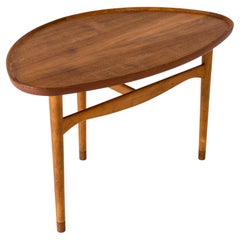
Vintage 1950s Danish Scandinavian Modern Coffee and Cocktail Tables
Teak

Recent Sales
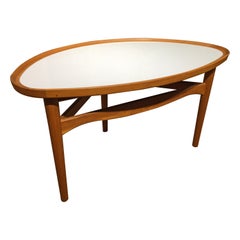
Vintage 1940s Danish Mid-Century Modern Coffee and Cocktail Tables
Laminate, Walnut
People Also Browsed
Vintage 1930s American Art Deco Desk Accessories
Bakelite
Antique Early 19th Century European Country More Dining and Entertaining
Pottery
Mid-20th Century German Armchairs
Steel
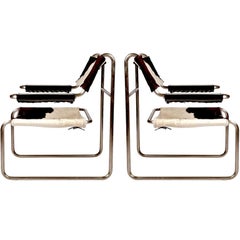
Vintage 1970s American Mid-Century Modern Lounge Chairs
Walnut
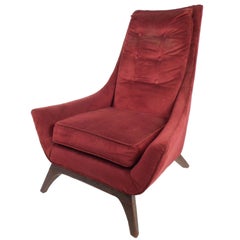
Vintage 1960s French Mid-Century Modern Wall Lights and Sconces
Steel
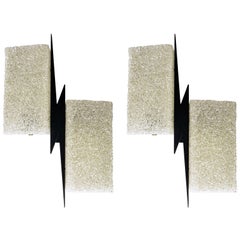
2010s American Modern Coffee and Cocktail Tables
Steel, Iron
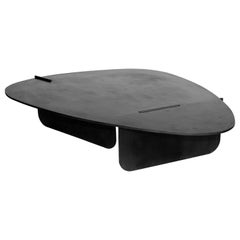
21st Century and Contemporary American Fireplaces and Mantels
Iron
Antique 15th Century and Earlier Chinese Tang Antiquities
Pottery
Vintage 1930s French Art Deco Gueridon
Walnut, Lacquer
Mid-20th Century Italian Mid-Century Modern Sofas
Leather
Vintage 1910s English Dinner Plates
Enamel, Gold
Late 20th Century Swedish Mid-Century Modern Chandeliers and Pendants
Wrought Iron
Vintage 1940s American Mid-Century Modern Lounge Chairs
Wood

Vintage 1950s Danish Scandinavian Modern Wingback Chairs
Leather, Walnut
Vintage 1960s Mid-Century Modern Lounge Chairs
Leather
Vintage 1960s Italian Mid-Century Modern Lounge Chairs
Steel, Chrome
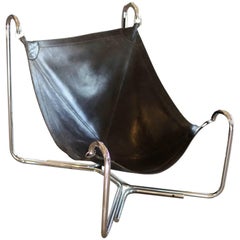
Eye Table Finn Juhl For Sale on 1stDibs
How Much is a Eye Table Finn Juhl?
Finn Juhl for sale on 1stDibs
Along with Hans Wegner, Arne Jacobsen and Børge Mogensen, Finn Juhl was one of the great masters of mid-20th-century Danish design. Juhl was the first among that group to have his work promoted overseas, bringing the character of the nation’s furnishings — and the inherent principles of grace, craftsmanship and utility on which they were based — to an international audience.
A stylistic maverick, Juhl embraced expressive, free-flowing shapes in chair, credenzas and sofa designs much earlier than his colleagues, yet even his quietest pieces incorporate supple, curving forms that are at once elegant and ergonomic.
As a young man, Juhl hoped to become an art historian, but his father steered him into a more practical course of study in architecture. He began designing furniture in the late 1930s, a discipline in which, despite his education, Juhl was self-taught, and quite proud of the fact.
Juhl’s earliest works, designed in the late 1930s, are perhaps his most idiosyncratic. The influence of modern art is clear in his 1939 Pelican chair: an almost Surrealist take on the classic wing chair. Critics reviled the piece, however; one said it looked like a "tired walrus." Juhl had tempered his creativity by 1945, when the workshop of Danish cabinetmaker Niels Vodder began to issue his designs. Yet Juhl’s now-classic NV 45 armchair still demonstrates panache, with a seat that floats above the chair’s teak frame.
Juhl first exhibited his work in the United States in 1950, championed by Edgar Kaufmann Jr., an influential design critic and scion of America’s most prominent family of modern architecture and design patrons. (Kaufmann’s father commissioned Frank Lloyd Wright’s design of the house “Fallingwater.”)
Juhl quickly won a following for such signature designs as the supremely comfortable Chieftan lounge chair, the Judas table — a piece ornamented with stylish inlaid silver plaquettes — and the biomorphic Baker sofa. After an article authored by Kaufmann on Juhl and his work appeared in the U.S.-based magazine Interiors in 1948, he began receiving American commissions.
Kaufmann commissioned Juhl to create the exhibition design for, and contribute pieces to, the 1951 edition of the Good Design shows he organized for MoMA and Chicago’s Merchandise Mart. Baker Furniture asked Juhl to design for the firm, and he produced a collection of chairs, tables and cabinets, and, later, the 1957 sofa.
Scandinavian modernist seating, such as the chairs and sofas Juhl created for Baker, became immensely popular in postwar America, as the seeds of the Scandinavian style that Juhl sowed took root and spread in the United States. Juhl and his work featured prominently in the landmark show “Design from Scandinavia,” which opened in 1954 at the Virginia Museum of Fine Arts and traveled to 24 museums in the U.S. and Canada; over three years, it was seen by more than a million people.
Juhl’s furniture — as well as his ceramics, tableware and accessories — has an air of relaxed sophistication and elegance that is unique in the realm of mid-century design.
Find vintage Finn Juhl armchairs, coffee tables, desks and other furniture for sale on 1stDibs.
Finding the Right Coffee-tables-cocktail-tables for You
As a practical focal point in your living area, antique and vintage coffee tables and cocktail tables are an invaluable addition to any interior.
Low tables that were initially used as tea tables or coffee tables have been around since at least the mid- to late-1800s. Early coffee tables surfaced in Victorian-era England, likely influenced by the use of tea tables in Japanese tea gardens. In the United States, furniture makers worked to introduce low, long tables into their offerings as the popularity of coffee and “coffee breaks” took hold during the late 19th century and early 20th century.
It didn’t take long for coffee tables and cocktail tables to become a design staple and for consumers to recognize their role in entertaining no matter what beverages were being served. Originally, these tables were as simple as they are practical — as high as your sofa and made primarily of wood. In recent years, however, metal, glass and plastics have become popular in coffee tables and cocktail tables, and design hasn’t been restricted to the conventional low profile, either.
Visionary craftspeople such as Paul Evans introduced bold, geometric designs that challenge the traditional idea of what a coffee table can be. The elongated rectangles and wide boxy forms of Evans’s desirable Cityscape coffee table, for example, will meet your needs but undoubtedly prove imposing in your living space.
If you’re shopping for an older coffee table to bring into your home — be it an antique Georgian-style coffee table made of mahogany or walnut with decorative inlays or a classic square mid-century modern piece comprised of rosewood designed by the likes of Ettore Sottsass — there are a few things you should keep in mind.
Both the table itself and what you put on it should align with the overall design of the room, not just by what you think looks fashionable in isolation. According to interior designer Tamara Eaton, the material of your vintage coffee table is something you need to consider. “With a glass coffee table, you also have to think about the surface underneath, like the rug or floor,” she says. “With wood and stone tables, you think about what’s on top.”
Find the perfect centerpiece for any room, no matter what your personal furniture style on 1stDibs — shop Art Deco coffee tables, travertine coffee tables and other antique and vintage coffee tables and cocktail tables today.