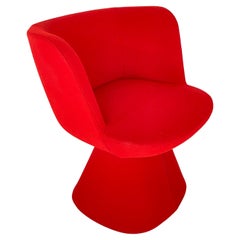
Flair O Chair
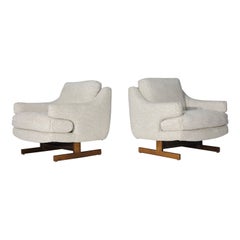
20th Century American Mid-Century Modern Lounge Chairs
Upholstery, Walnut

Recent Sales
2010s Italian Modern Dining Room Chairs
Steel
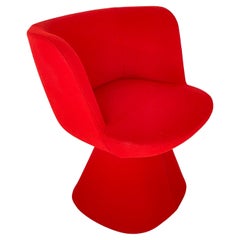
21st Century and Contemporary Italian Modern Dining Room Chairs
Steel
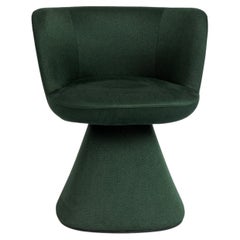
2010s Italian Modern Dining Room Chairs
Steel
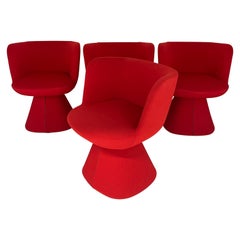
2010s Italian Modern Dining Room Chairs
Steel
People Also Browsed
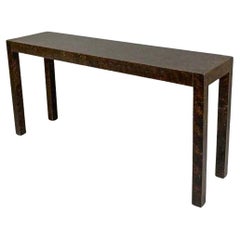
Late 20th Century American Modern Console Tables
Wood
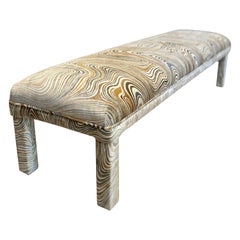
Vintage 1970s Unknown Post-Modern Benches
Velvet
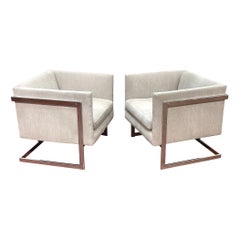
Late 20th Century American Mid-Century Modern Club Chairs
Chrome
Vintage 1970s American Mid-Century Modern Swivel Chairs
Fabric, Wood
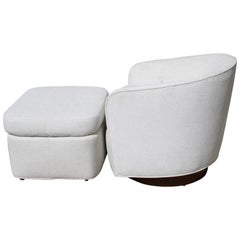
Vintage 1970s American Mid-Century Modern Lounge Chairs
Walnut
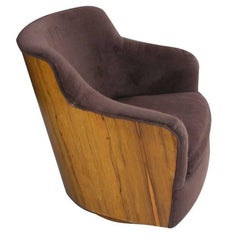
2010s Danish Chaise Longues
Textile
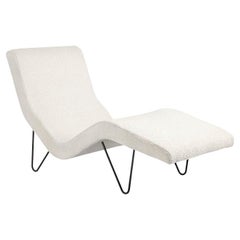
Vintage 1970s American Mid-Century Modern Lounge Chairs
Upholstery, Wood
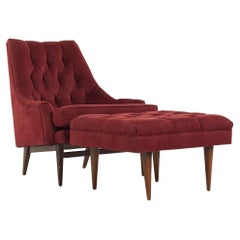
20th Century American Mid-Century Modern Club Chairs
Upholstery
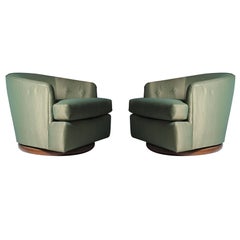
Antique Early 19th Century English Dinner Plates
Gold
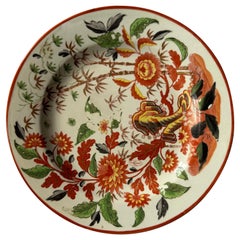
Antique 1720s British Prints
Paper
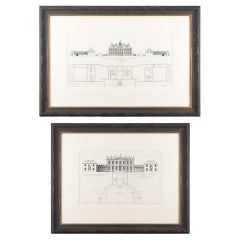
Mid-20th Century American Mid-Century Modern Lounge Chairs
Upholstery
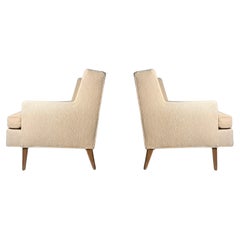
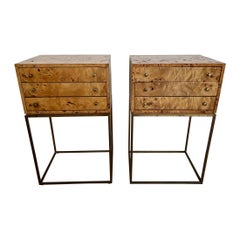
Vintage 1970s American Mid-Century Modern Commodes and Chests of Drawers
Brass
Vintage 1960s American Hollywood Regency Dining Room Chairs
Walnut, Fabric

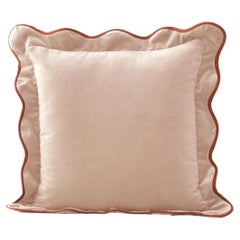
2010s Portuguese Modern Pillows and Throws
Cotton, Velvet
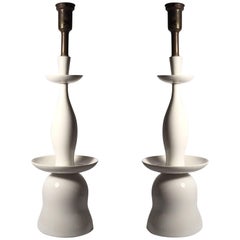
Mid-20th Century Mid-Century Modern Table Lamps
Porcelain
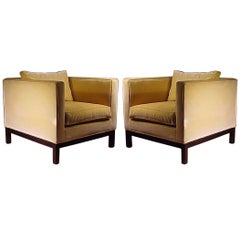
Mid-20th Century American Mid-Century Modern Club Chairs
Upholstery
Flair O Chair For Sale on 1stDibs
How Much is a Flair O Chair?
B&B Italia for sale on 1stDibs
In 1966, Piero Ambrogio Busnelli cofounded C&B Italia, a modern Italian furniture manufacturer, with Cesare Cassina in northern Milan. From the outset, Busnelli and Cassina set about recruiting the most talented modernists in Italy to conceive of creative furnishings manufactured in modern ways. In the early 1970s, the company split, with Cassina founding his own eponymous firm and Busnelli taking leadership of what became B&B Italia.
For decades, Busnelli cultivated relationships with the world’s best design talent, resulting in furniture pieces that remain iconic today — be they Gaetano Pesce’s outwardly curvaceous Up seating (made for C&B, reintroduced by B&B) or tables from industrial designer Paolo Piva, each more sophisticated than the next in their geometrically complex steel-tube bases. B&B Italia earned four prestigious Compasso d’Oro design awards: in 1979 for Mario Bellini’s Le Bambole, in 1984 for the Sisamo wardrobe system by Studio Kairos, in 1987 for Antonio Citterio’s modular Sity sofa and, in 1989, the first award given to a manufacturing company itself.
Other notable names who designed for B&B Italia over the course of its 54-year history include Patricia Urquiola, Naoto Fukasawa, Zaha Hadid, Ettore Sottsass and Vincent Van Duysen, to name a very few. And while these names bring star power to the B&B brand, in many cases, it was B&B Italia who helped usher in their celebrity, fostering a wave of design talent on the world stage.
The company’s forward-thinking vision manifested in its own headquarters, too: In 1972, B&B Italia tapped architects Renzo Piano and Richard Rogers to design a steel-framed, postmodern-style home for the brand, whose crisscrossing metal exoskeleton is reminiscent of the pair’s Centre Pompidou in Paris, which was built at roughly the same time. Now, B&B Italia manages a contract division and outdoor section as well as its residential arm, and it also controls production for Maxalto, a brand spun out with furniture designs by Antonio Citterio.
At 1stDibs, find a range of vintage B&B Italia furniture — including sofas, cocktail tables and more.
A Close Look at Modern Furniture
The late 19th and early 20th centuries saw sweeping social change and major scientific advances — both of which contributed to a new aesthetic: modernism. Rejecting the rigidity of Victorian artistic conventions, modernists sought a new means of expression. References to the natural world and ornate classical embellishments gave way to the sleek simplicity of the Machine Age. Architect Philip Johnson characterized the hallmarks of modernism as “machine-like simplicity, smoothness or surface [and] avoidance of ornament.”
Early practitioners of modernist design include the De Stijl (“The Style”) group, founded in the Netherlands in 1917, and the Bauhaus School, founded two years later in Germany.
Followers of both groups produced sleek, spare designs — many of which became icons of daily life in the 20th century. The modernists rejected both natural and historical references and relied primarily on industrial materials such as metal, glass, plywood, and, later, plastics. While Bauhaus principals Marcel Breuer and Ludwig Mies van der Rohe created furniture from mass-produced, chrome-plated steel, American visionaries like Charles and Ray Eames worked in materials as novel as molded plywood and fiberglass. Today, Breuer’s Wassily chair, Mies van der Rohe’s Barcelona chair — crafted with his romantic partner, designer Lilly Reich — and the Eames lounge chair are emblems of progressive design and vintage originals are prized cornerstones of collections.
It’s difficult to overstate the influence that modernism continues to wield over designers and architects — and equally difficult to overstate how revolutionary it was when it first appeared a century ago. But because modernist furniture designs are so simple, they can blend in seamlessly with just about any type of décor. Don’t overlook them.
Finding the Right Dining-room-chairs for You
No matter what your dream dining experience looks like, there is a wide-ranging variety of vintage, new and antique dining room chairs on 1stDibs. Find upholstered dining room chairs, wood dining room chairs and more to outfit any space designated for a good meal, be it in your home or in the great outdoors.
In the early 18th century, most dining room tables and other furniture was designed to look masculine. In America, dining rooms weren’t even much of a concept until the late 1700s, when a space set aside specifically for dining became a part of the construction of homes for the wealthy. Dining room chairs of the era were likely made of walnut or oak. In Europe, neoclassical dining chairs emerged during the 1750s owing to nostalgia for classical antiquity, while the curving chair crests of Queen Anne furniture in the United States preceded the artistically bold seat backs that characterized the Chippendale chairs that followed. If there weren't enough dining chairs at suppertime in the American colonies, men were prioritized and women stood.
In the dining rooms of today, however, there is enough space for everyone to have a seat at the table. Modern styles introduce innovative design choices that play with shape and style. Icons of mid-century modern dining room chairs are plentiful: With its distinctive bentwood back, there is the DCW dining chair by Charles and Ray Eames, while Hans Wegner's timeless classic, the Wishbone chair, remains relevant and elegant decades after its debut. Stefano Giovannoni's White Rabbit dining chairs, in their lovable polyethylene biomorphism, reinvent what dining can look like.
Today's wide range of dining room chairs also means that they can now be styled in different ways, bringing functionality and fun to any sumptuous dining space. No longer do tables have to be accompanied by a matching set of seats. Skillfully mixing and matching colors and designs allows you to showcase your personality without sacrificing the cohesion of a given space.
By furnishing your dining room with cozy chairs — vintage, antique or otherwise — family time can extend far beyond mealtime. The plush upholstery of Victorian-style dining room chairs is perfect for game nights that stretch from dinner to midnight snack. Outdoor tables and dining chairs can also present an excellent opportunity for bonding and eating — what goes better with a delicious meal than fresh air, anyway?
Whether you prefer your chairs streamlined and stackable or ornate and one of a kind, the offerings on 1stDibs will elevate your mealtime and beyond.