Flora Danica Fish Plate
Recent Sales
Vintage 1960s Danish Porcelain
Porcelain
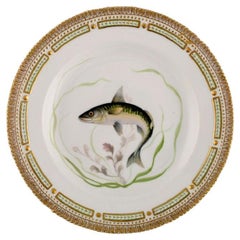

Vintage 1960s Danish Porcelain
Porcelain
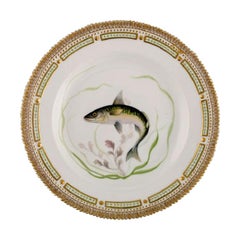
Vintage 1960s Danish Neoclassical Porcelain
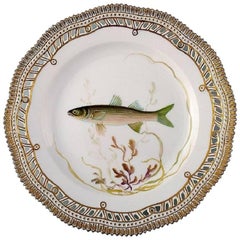
Vintage 1970s Danish Dinner Plates
Gold, Enamel
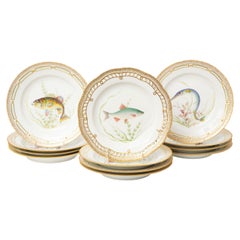
20th Century Danish Neoclassical Porcelain
Porcelain
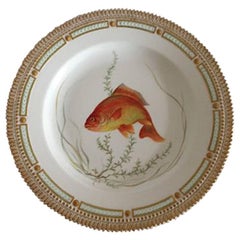
20th Century Danish Neoclassical Porcelain
Porcelain
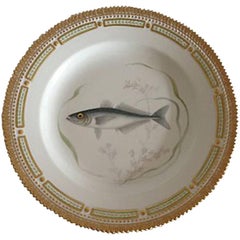
Late 20th Century Danish Neoclassical Porcelain
Porcelain
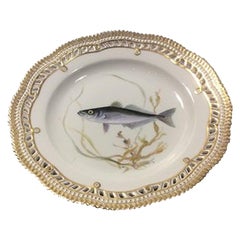
20th Century Danish Neoclassical Porcelain
Porcelain
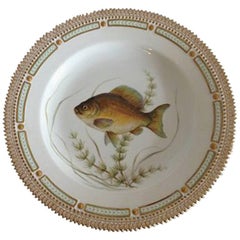
Mid-20th Century Danish Neoclassical Porcelain
Porcelain
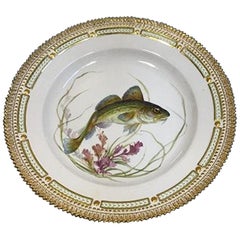
Late 20th Century Danish Neoclassical Porcelain
Porcelain
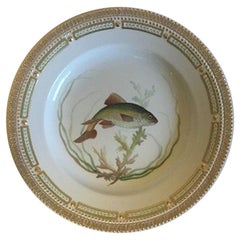
Mid-20th Century Danish Neoclassical Porcelain
Porcelain
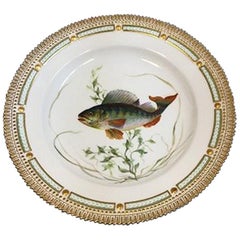
Late 20th Century Danish Neoclassical Porcelain
Porcelain
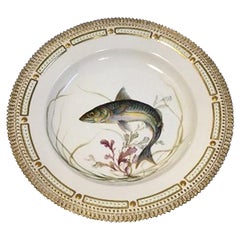
Mid-20th Century Danish Neoclassical Porcelain
Porcelain
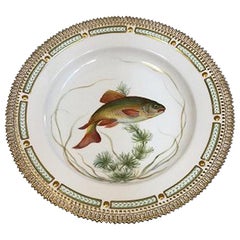
Late 20th Century Danish Neoclassical Porcelain
Porcelain
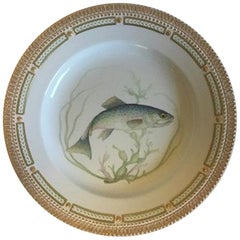
20th Century Danish Neoclassical Porcelain
Porcelain
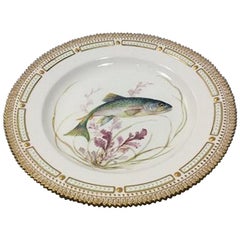
20th Century Danish Neoclassical Porcelain
Porcelain
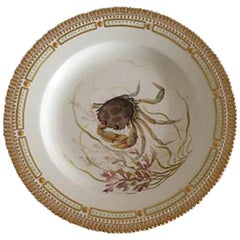
20th Century Danish Neoclassical Porcelain
Porcelain
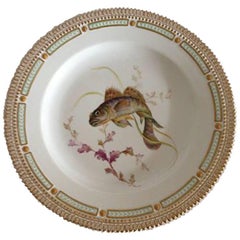
20th Century Danish Neoclassical Porcelain
Porcelain
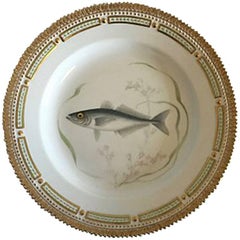
Late 20th Century Danish Neoclassical Porcelain
Porcelain
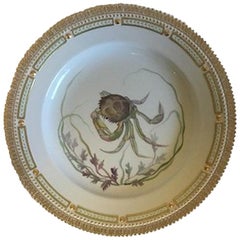
20th Century Danish Neoclassical Porcelain
Porcelain
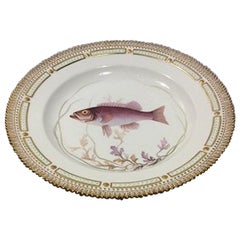
Flora Danica Fish Plate For Sale on 1stDibs
How Much is a Flora Danica Fish Plate?
Royal Copenhagen for sale on 1stDibs
Producers of the finest in Danish porcelain, Royal Copenhagen is a company steeped in tradition. Its celebrated blue-and-white china patterns as well as its famed hallmark depicting the royal crown and three waves — symbolizing the monarch who founded the company and the three major waterways of Denmark — are emblems of master craftsmanship.
Royal Copenhagen was founded in 1775 by Queen Juliane Marie. Years earlier, after the death of her husband, King Frederick V, Juliane’s stepson ascended the throne. Shortly into his reign, he went insane, and the Queen became the head of Denmark and its small empire. She sought to improve Denmark’s economy and founded factories around the country to promote domestic growth and international trade. Royal Copenhagen was one of the first of these. Royal Copenhagen first made dinnerware and vases with blue-and-white motifs inspired by Chinese porcelain, then the rage in aristocratic Europe. Many of these designs are still made today.
Apart from its classic patterns, Royal Copenhagen has adapted to the changing styles of time and appeals to many different tastes. Their prolific body of work includes Rococo-style porcelain statues that incorporate stylistic floral patterns in an Art Nouveau style, as well as modern vases by such noted 20th century Danish ceramists as Axel Salto. Whether used for special occasions or displayed as part of a design collection, Royal Copenhagen pieces represent a legacy of the highest quality.
Find authentic Royal Copenhagen dinner plates, decorative objects and other items on 1stDibs.
A Close Look at Neoclassical Furniture
Neoclassical design emerged in Europe in the 1750s, as the Age of Enlightenment reached full flower. Neoclassical furniture took its cues from the styles of ancient Rome and Athens: symmetrical, ordered, dignified forms with such details as tapered and fluted chair and table legs, backrest finials and scrolled arms.
Over a period of some 20 years, first in France and later in Britain, neoclassical design — also known as Louis XVI, or Louis Seize — would supersede the lithe and curvaceous Rococo or Louis XV style.
The first half of the 18th century had seen a rebirth of interest in classical antiquity. The "Grand Tour" of Europe, codified as a part of the proper education of a patrician gentleman, included an extended visit to Rome. Some ventured further, to sketch the ruins of ancient Greece. These drawings and others — particularly those derived from the surprising and rich archaeological discoveries in the 1730s and ’40s at the sites of the Roman cities of Pompeii and Herculaneum — caused great excitement among intellectuals and aesthetes alike.
Neoclassical furniture is meant to reflect both grace and power. The overall appearance of neoclassical chairs, tables and cabinetry is strong and rectilinear. These pieces are, in effect, classical architecture in miniature: chair and table legs are shaped like columns; cabinets are constructed with elements that mirror friezes and pediments.
Yet neoclassicism is enlivened by gilt and silver leaf, marquetry, and carved and applied ornamental motifs based on Greek and Roman sculpture: acanthus leaves, garlands, laurel wreaths, sheaves of arrow, medallions and chair splats are carved in the shapes of lyres and urns. Ormolu — or elaborate bronze gilding — was essential to French design in the 18th and 19th centuries as a cornerstone of the neoclassical and Empire styles.
As you can see from the furniture on these pages, there is a bit of whimsy in such stately pieces — a touch of lightness that will always keep neoclassicism fresh.
Find antique neoclassical furniture today on 1stDibs.
Finding the Right Porcelain for You
Today you’re likely to bring out your antique and vintage porcelain in order to dress up your dining table for a special meal.
Porcelain, a durable and nonporous kind of pottery made from clay and stone, was first made in China and spread across the world owing to the trade routes to the Far East established by Dutch and Portuguese merchants. Given its origin, English speakers called porcelain “fine china,” an expression you still might hear today. "Fine" indeed — for over a thousand years, it has been a highly sought-after material.
Meissen Porcelain, one of the first factories to create real porcelain outside Asia, popularized figurine centerpieces during the 18th century in Germany, while works by Capodimonte, a porcelain factory in Italy, are synonymous with flowers and notoriously hard to come by. Modern porcelain houses such as Maison Fragile of Limoges, France — long a hub of private porcelain manufacturing — keep the city’s long tradition alive while collaborating with venturesome contemporary artists such as illustrator Jean-Michel Tixier.
Porcelain is not totally clumsy-guest-proof, but it is surprisingly durable and easy to clean. Its low permeability and hardness have rendered porcelain wares a staple in kitchens and dining rooms as well as a common material for bathroom sinks and dental veneers. While it is tempting to store your porcelain behind closed glass cabinet doors and reserve it only for display, your porcelain dinner plates and serving platters can safely weather the “dangers” of the dining room and be used during meals.
Add different textures and colors to your table with dinner plates and pitchers of ceramic and silver or a porcelain lidded tureen, a serving dish with side handles that is often used for soups. Although porcelain and ceramic are both made in a kiln, porcelain is made with more refined clay and is stronger than ceramic because it is denser.
On 1stDibs, browse an expansive collection of antique and vintage porcelain made in a variety of styles, including Regency, Scandinavian modern and other examples produced during the mid-century era, plus Rococo, which found its inspiration in nature and saw potters crafting animal figurines and integrating organic motifs such as floral patterns in their work.