Folk Art Clown
Vintage 1950s American Carnival Art
Leather
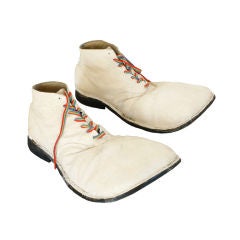
Vintage 1920s French Toys
Fabric, Pine
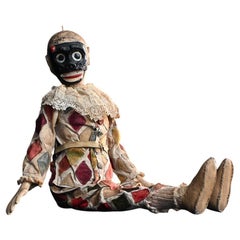
Vintage 1930s French Empire Antiquities
Porcelain
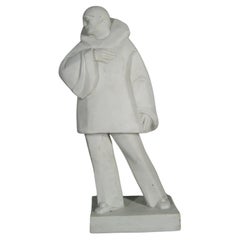
Antique Late 19th Century American Primitive Carnival Art
Fabric
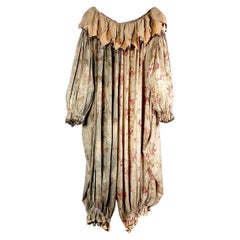
Vintage 1960s Carnival Art
Leather
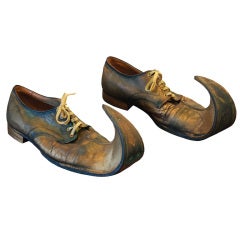
Early 20th Century American Toys
Wood
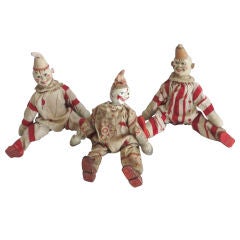
20th Century Toys
Metal
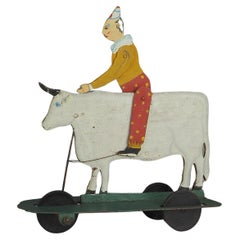
Vintage 1930s French Signs
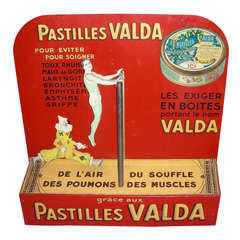
Vintage 1930s American Art Deco Toys
Metal, Tin
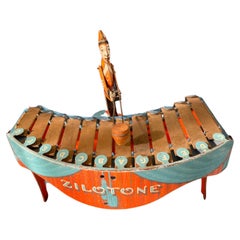
Vintage 1950s American Mid-Century Modern Paintings
Masonite, Paint
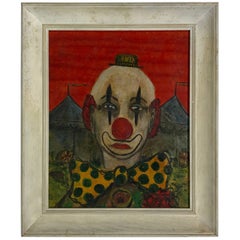
Vintage 1910s British Victorian Ceramics
Pottery
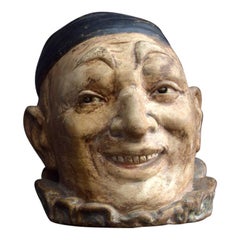
Mid-20th Century Folk Art Figurative Paintings
Burlap, Oil
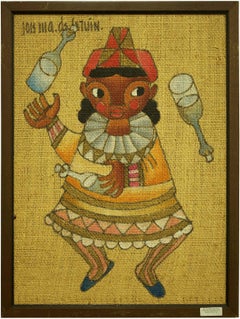
Mid-20th Century Folk Art Figurative Paintings
Burlap, Oil
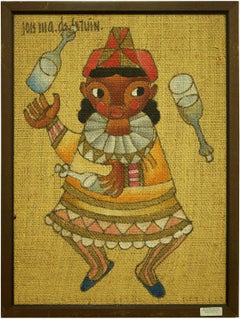
1960s Folk Art Figurative Paintings
Canvas, Oil
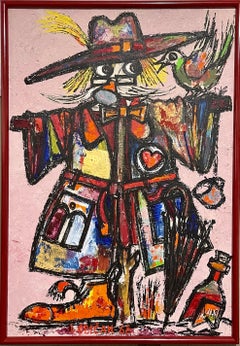
Vintage 1970s Italian Folk Art Models and Miniatures
Porcelain
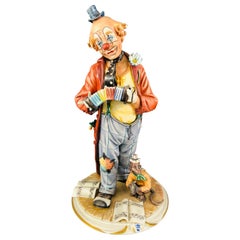
1990s American Folk Art Figurative Sculptures
Wire
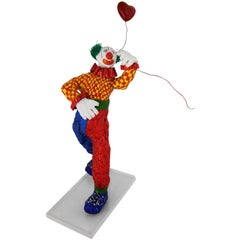
Early 2000s American Folk Art Outsider and Self Taught Art
Iron
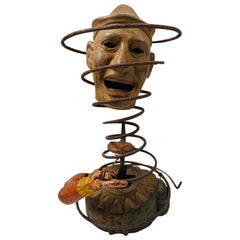
20th Century American Folk Art Carnival Art
Paint, Wood
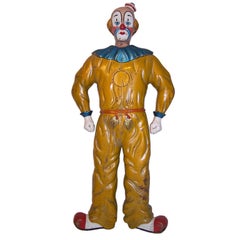

Early 20th Century American Folk Art Carnival Art
Steel
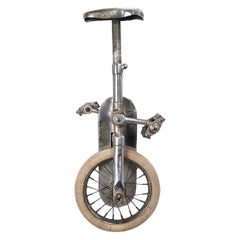
Mid-20th Century American Folk Art Carnival Art
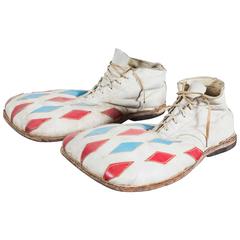
Vintage 1940s American Folk Art Carnival Art
Wood
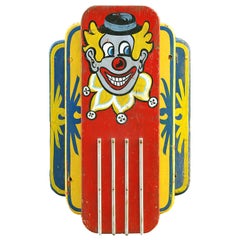
Early 20th Century American Folk Art Carnival Art
Iron
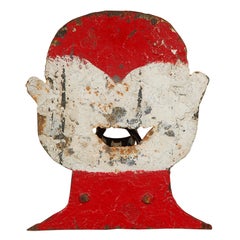
Vintage 1940s German Folk Art Toys
Metal
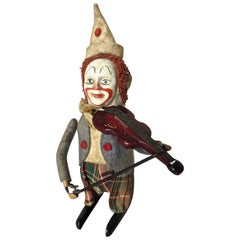
Vintage 1950s Japanese Folk Art Toys
Tin
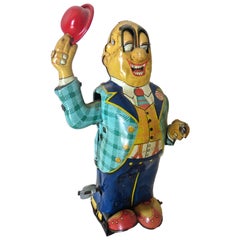
Vintage 1940s German Folk Art Toys
Tin
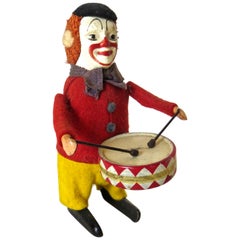
Vintage 1950s Japanese Folk Art Toys
Tin
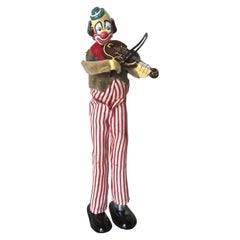
Vintage 1920s German Folk Art Toys
Composition
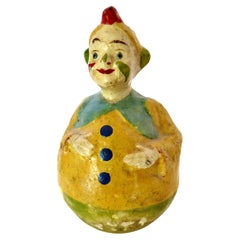
Vintage 1930s American Folk Art Carnival Art
Canvas
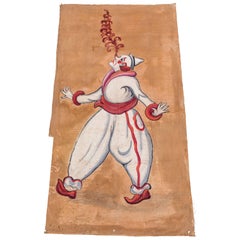
Antique Early 1900s American Toys
Iron
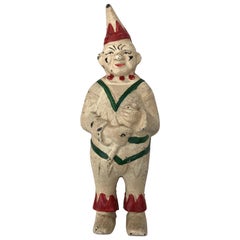
Early 20th Century Unknown Carnival Art
Terracotta, Wood
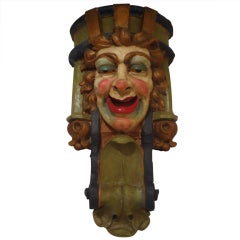
Mid-20th Century Hungarian Toys
Metal
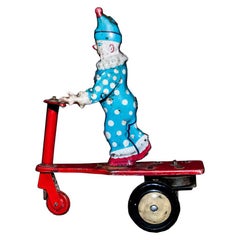
Vintage 1930s American Carnival Art
Wood
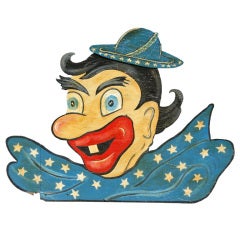
Early 20th Century Belgian Edwardian Carnival Art
Leather
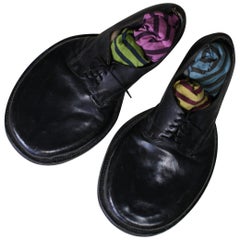
Vintage 1950s French Folk Art Toys and Dolls
Silk, Pine, Paint
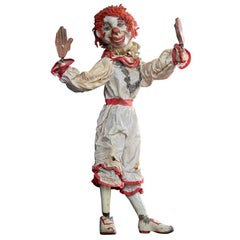
Early 20th Century North American Folk Art Carnival Art
Leather
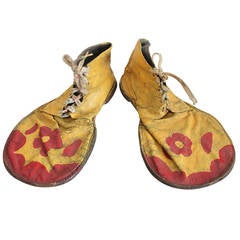
20th Century American Carnival Art
Wood, Paint
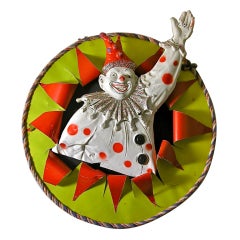
Mid-20th Century American Folk Art Carnival Art
Wire
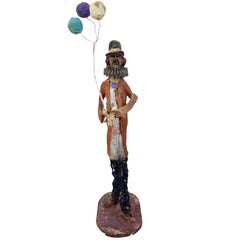
Vintage 1950s American Carnival Art
Leather
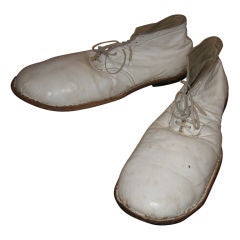
Vintage 1960s American Carnival Art
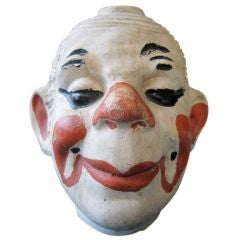
Vintage 1950s American Paintings
Board
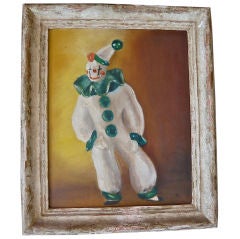
Early 20th Century American Masks
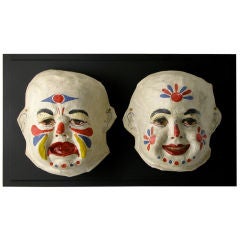
Vintage 1930s American Carnival Art
Metal
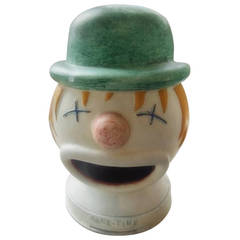
Vintage 1950s French Carnival Art
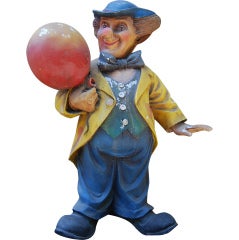
20th Century American Carnival Art
Leather
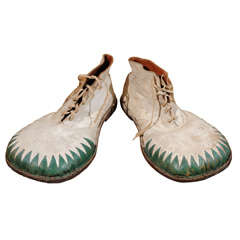
20th Century American Carnival Art
Wood
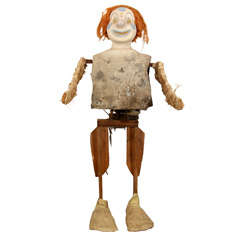
Vintage 1930s American Toys
Metal
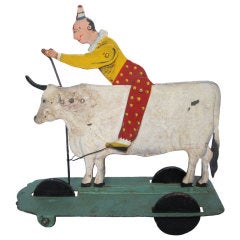
Early 20th Century American Folk Art Carnival Art
Iron
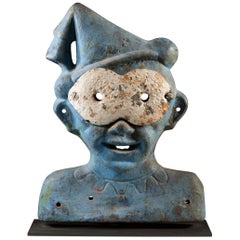
Vintage 1960s American Carnival Art
Metal
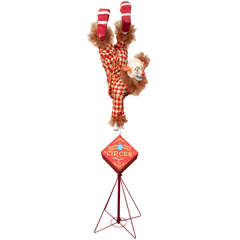
Vintage 1960s American Toys
Leather
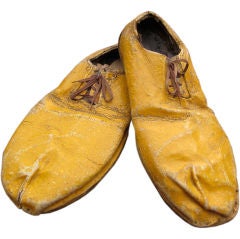
20th Century American Carnival Art
Leather
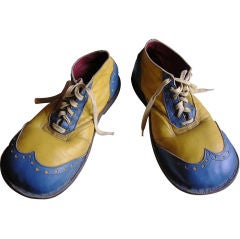
Vintage 1950s American Carnival Art
Leather
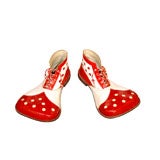
20th Century American Carnival Art
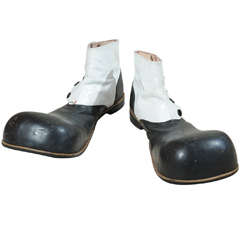
Vintage 1930s American Carnival Art
Iron
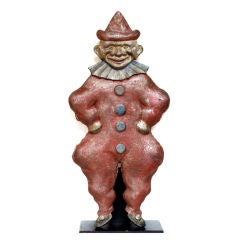
Vintage 1950s American Carnival Art
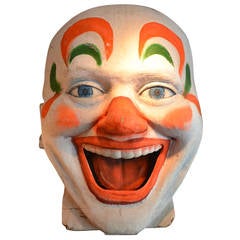
Vintage 1980s Carnival Art
Leather
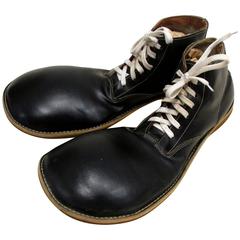
Vintage 1940s American Carnival Art
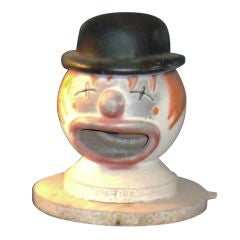
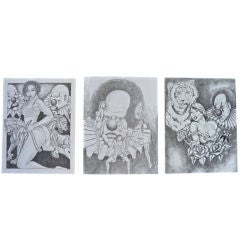
Late 20th Century American Outsider and Self Taught Art
Paper, Pencil
- 1
Folk Art Clown For Sale on 1stDibs
How Much is a Folk Art Clown?
Finding the Right Folk-art for You
Folk art refers to a genre of art that shares the creator’s traditions, offering not just an artistic display but an opportunity to learn about a culture. Vintage, new and antique folk art typically reflects a heritage or location. It can include utilitarian objects and handmade art as diverse as weather vanes, portraiture and paintings, carnival art, quilts and duck decoys.
American folk art is frequently valued because of the traditional skills involved, like weaving, hand-carving wood and even stonework. Many folk artists are self-taught, while some train as apprentices within their community. By using available materials and taking a personal approach to their creations, artists ensure each piece is unique and conveys a story. Native American folk art includes functional objects reflecting their heritage, such as baskets, textiles and wooden pieces.
During the Great Depression, artistic materials in America were hard to come by, so artisans used discarded wood from cigar boxes and shipping crates to make highly stylized, notched pieces — most often picture frames and boxes — that are today sought after by collectors. This folk art style is called tramp art and was popular from roughly 1870 until the 1940s.
Folk art brings vibrant culture and traditions into your home. Browse an extensive collection of folk art on 1stDibs.
- Is mandala art folk art?1 Answer1stDibs ExpertApril 22, 2024Yes, mandala art is folk art. The definition of folk art is art that reflects the sociocultural characteristics and values of a particular group of people. Mandala art fits this definition due to its association with the Hindu and Buddhist faiths. On 1stDibs, explore a selection of folk art from some of the world's top sellers.
- 1stDibs ExpertSeptember 25, 2019
Among the materials used in folk art are cloth, wood, paper, clay and metal.
- 1stDibs ExpertApril 5, 2022Mexican folk art can be characterized by vibrant colored paintings and jewelry designed with floral motifs. Lush forests and animals, especially birds, are featured in Mexican folk art, which is a blend of Indigenous and European methods and skills. You’ll find a variety of Mexican folk art from some of the world’s top sellers on 1stDibs.
- 1stDibs ExpertOctober 7, 2024The difference between fine and folk art comes down primarily to function. Fine artists produce paintings, prints, sculptures and other artworks to express an idea or concept, communicate a message or tell a story. With folk art, artists are usually more interested in following cultural traditions than self-expression. Pieces of folk art often have more practical uses compared to works of fine art, such as quilts and furniture. Other examples of folk art include pottery, masks, textiles and carvings. On 1stDibs, shop a collection of fine and folk art.
- 1stDibs ExpertSeptember 23, 2024What Ukrainian folk art is called depends on its medium. Named after the village from which it emerged, Petrykivka is a type of decorative painting that often features colorful flowers and birds against a white background. The name for decorating eggs is pysanky, and vyshyvka is the term for decorative embroidery. Explore a large selection of folk art on 1stDibs.
- 1stDibs ExpertApril 5, 2022Jamini Roy was an Indian artist whose paintings often reflected his Indian roots. Roy combined imagery from Indian folk art with Western motifs to create his unique modern works. Subjects ranged from paintings of legendary figures to everyday life in rural Bengal. His goal was to make art affordable to everyone. Browse a selection of Jamini Roy paintings on 1stDibs.
Read More
A Giant Wedding Cake Has Us Looking at Portuguese Tiles in a New Light
At Waddesdon Manor, artist Joana Vasconcelos has installed a three-tiered patisserie inspired by the narrative tile work of her homeland. We take a look at the cake sculpture and how Portuguese tiles have been used in architecture from the 17th century to today.
Why Jules Chéret Was the King of the Modern Poster
The streets of fin-de-siècle Paris were set aglow with colorful poster ads, thanks to the printing techniques invented by Jules Chéret. Now, the Milwaukee Art Museum is celebrating this undersung talent in America's first solo show dedicated his exuberant works.
Why the American Flag Has Had So Many Different Star Patterns
Expert Jeff Bridgman explains the history and meaning behind the twinkling constellations that have graced Old Glory.
Peggy Guggenheim Loved Modernism, but She Also Collected Tribal Art
The iconoclastic style setter displayed African and Oceanic art, as well as works by indigenous peoples of the Americas, alongside pieces by such major modernists as Pablo Picasso and Jackson Pollock.
The 13-Star American Flag Had More Variations Than You’d Think
Perfect for July 4th weekend, a new show at Philadelphia's Museum of the American Revolution displays an array of antique red, white and blue flags.
Tramp Art, America’s Most Misunderstood Art Form, Is Trending in Interiors
Designers are beginning to see this enigmatic form of folk art in a whole new light.