Fortuny Drapery Panels
Late 20th Century Italian Curtains and Valances
Damask

Recent Sales
Late 20th Century Italian Louis XIV Quilts and Blankets
Cotton
Early 20th Century Italian Louis XV Tapestries
Linen
People Also Browsed
Vintage 1950s Italian Mid-Century Modern Carts and Bar Carts
Metal, Brass, Chrome
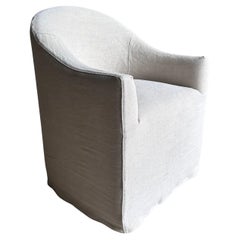
21st Century and Contemporary Dining Room Chairs
Linen, Foam, Wood
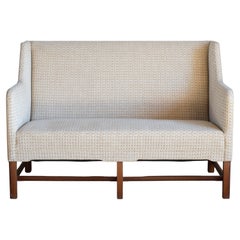
Mid-20th Century Danish Scandinavian Modern Sofas
Leather, Mahogany
2010s American Modern Screens and Room Dividers
Walnut

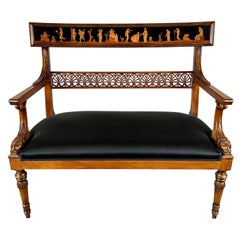
20th Century Neoclassical Settees
Wood
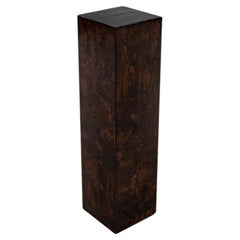
Vintage 1970s American Mid-Century Modern Pedestals and Columns
Walnut
Mid-20th Century French Art Deco Wall Mirrors
Glass
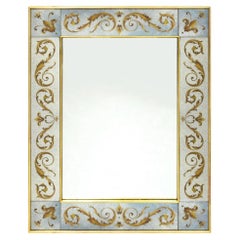
Vintage 1960s European Side Tables
Metal

21st Century and Contemporary Club Chairs
Cotton, Linen, Foam, Wood

Vintage 1940s French Hollywood Regency Console Tables
Marble
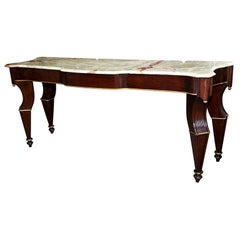
Antique 1780s Dutch Secretaires
Walnut
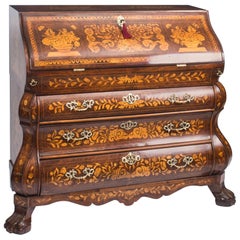
Antique 19th Century French Armchairs
Hemp, Wood, Paint
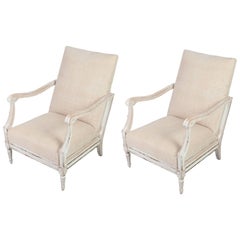
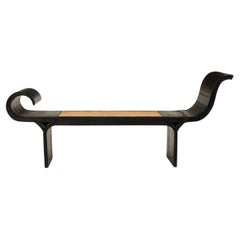
20th Century Unknown Mid-Century Modern Benches
Wood
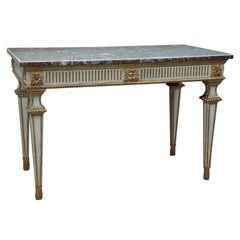
21st Century and Contemporary Italian Renaissance Console Tables
Marble
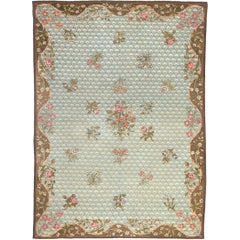
Antique Mid-18th Century English Western European Rugs
Wool
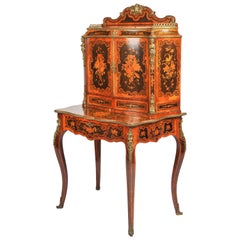
Antique 19th Century English Victorian Cabinets
Walnut
Fortuny for sale on 1stDibs
Spanish fashion designer Mariano Fortuny was an innovator in the world of textile design. He drew on classical Greek tunics for his rich and interesting garments and worked with a revolutionary system for creating pleats. He designed a range of clothing for his couture house, and today, vintage Fortuny evening gowns, gemstone-colored day dresses, coats and accessories like drawstring bags are known for their fine craftsmanship and signature elegance.
Fortuny was a true artist who worked with beautiful fabrics as his medium of choice. Although he showed talent in painting, sculpting, photography and architecture at an early age, fashion was where he really shined.
Fortuny was born Mariano Fortuny y Madrazo in 1871 in Granada, into a family of artists. His father died when Fortuny was only three years old, and his mother moved the family to Paris. As a child, Fortuny was fond of experimenting and figuring out how things worked. He even dyed pieces of fabric from his family's textile collection, which had been amassed from shops around Europe.
In 1889, the family moved again, this time to Venice. Here, Fortuny found inspiration in the past, which would influence his future designs. Not long after, the young Fortuny set off to travel the continent. In 1897, he visited Paris and fell in love with a dressmaker named Henriette Negrin. She became his muse, his wife and his creative partner — Negrin worked with Fortuny on clothing designs and fabrics — and the two settled in the French capital.
A lifelong inventor, Fortuny began patenting his creations in 1901. By 1934, he had registered more than 20 patents. At the same time, his fashion career was taking off.
In 1907, he designed the Delphos gown with Negrin, which French novelist and essayist Marcel Proust described as "faithfully antique but markedly original." Fortuny had worked from his home until 1922 when increased demand required large-scale production. He opened a factory in Venice, where due to the scarcity of silk, he began experimenting with cotton.
In 1927, New York interior designer Elsie McNeill traveled to Paris to meet Fortuny and became his exclusive American distributor. She returned to the United States and introduced Fortuny's designs to New World audiences. Shops opened in Paris, New York and London. Toward the end of the 1930s, Fortuny returned to painting and stepped away from the busy fashion industry.
After Fortuny passed away in 1949, McNeill took over the label and continued running it until 1988, when it was purchased by the Riad family, who remain at the helm of Fortuny today.
On 1stDibs, find vintage Fortuny clothing and accessories.