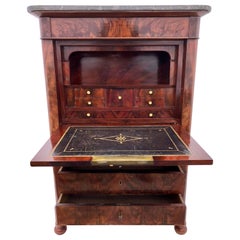
French Empire Secretaire
Antique Early 19th Century French Empire Secretaires
Bronze
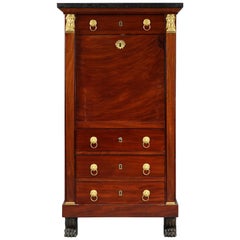
Antique 19th Century French Empire Secretaires
Mahogany
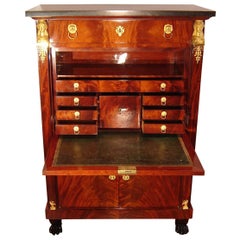
Vintage 1970s French Empire Secretaires
Brass
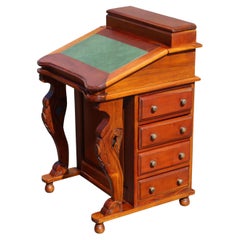
Antique 19th Century French Empire Commodes and Chests of Drawers
Mahogany
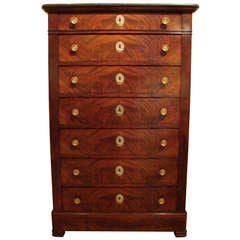
Antique Late 19th Century French Empire Revival Secretaires
Mahogany
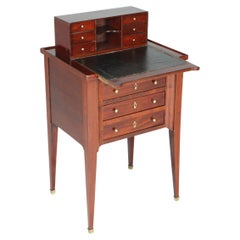
Antique 19th Century French Empire Desks and Writing Tables
Mahogany
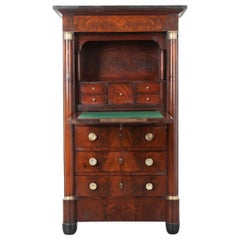
Antique 19th Century French Empire Buffets
Marble, Brass
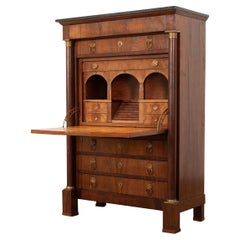
Antique 19th Century French Empire Desks
Brass, Bronze, Steel
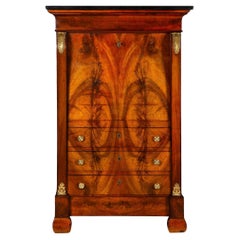
Antique 19th Century French Empire Desks
Stone, Granite, Metal, Brass
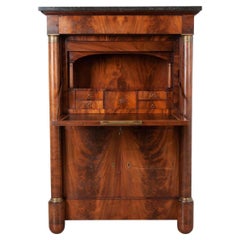
Antique 19th Century French Empire Desks
Ormolu
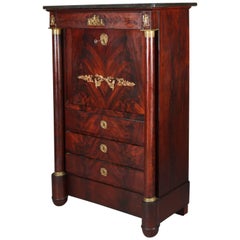
Antique 1850s French Empire Secretaires
Mahogany
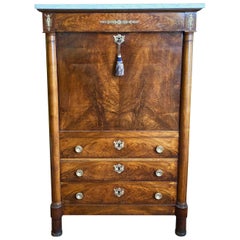
Early 20th Century French Empire Secretaires
Marble, Brass
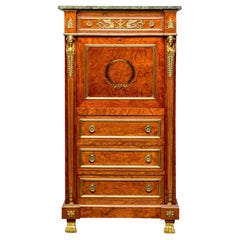
Antique Early 19th Century French Empire Secretaires
Bronze
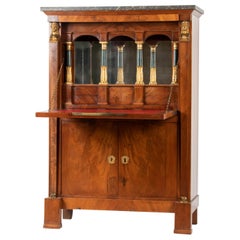
Antique 19th Century French Secretaires
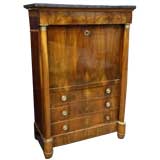
Antique Early 1800s French Empire Secretaires
Brass

Antique 19th Century French Restauration Secretaires
Marble, Bronze
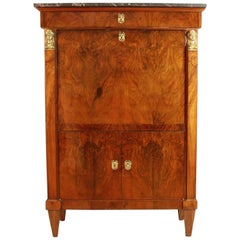
Antique 19th Century French Napoleon III Secretaires
Mahogany
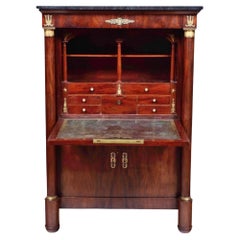
Antique 19th Century French Empire Secretaires
Marble, Brass
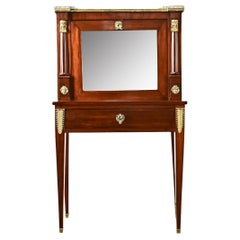
Antique 19th Century French Empire Secretaires
Oak
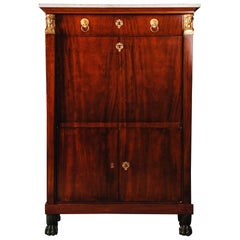
Antique Early 19th Century French Empire Secretaires
Bronze
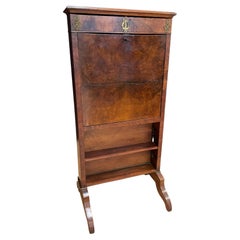
Antique Early 19th Century French Empire Secretaires
Mahogany
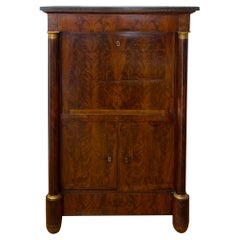
Antique Mid-19th Century French Empire Secretaires
Mahogany
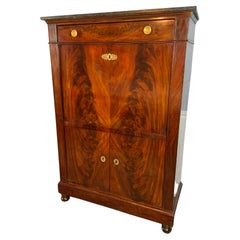
Vintage 1930s French Empire Desks
Marble, Brass
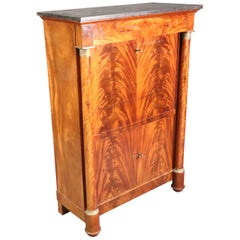
Antique Early 19th Century French Empire Desks
Bronze
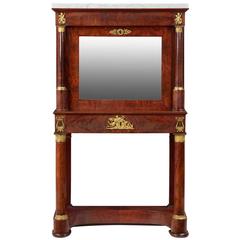
Antique 19th Century French Empire Secretaires
Fruitwood
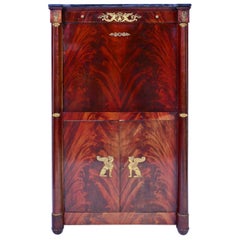
Antique Early 19th Century Italian Empire Secretaires
Marble, Bronze
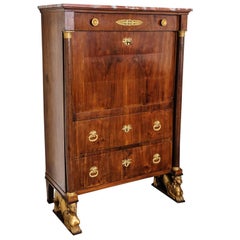
Antique Mid-19th Century French Secretaires
Mahogany

Antique Early 19th Century French Empire Secretaires
Brass
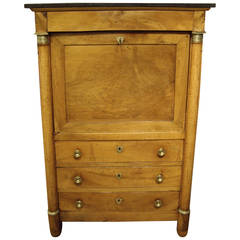
20th Century French Empire Secretaires
Marble
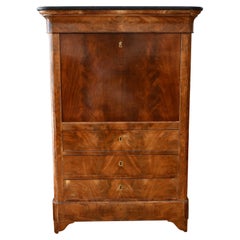
Antique 19th Century French Secretaires
Antique 19th Century French Empire Secretaires
Mahogany
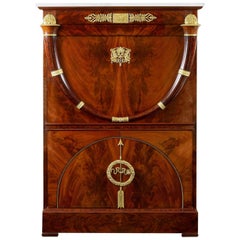

Antique Mid-19th Century French Empire Secretaires
Marble, Bronze
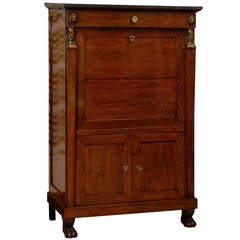
Antique 19th Century French Empire Secretaires
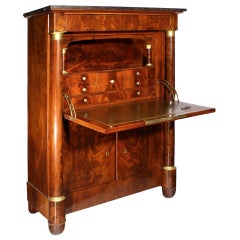
Antique Early 1800s French Empire Secretaires
Marble, Bronze
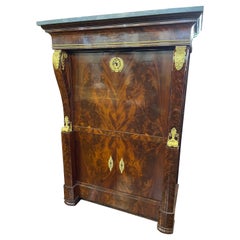
Antique 19th Century French Secretaires
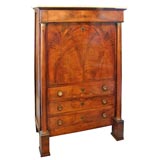
Antique 1820s French Empire Secretaires
Walnut
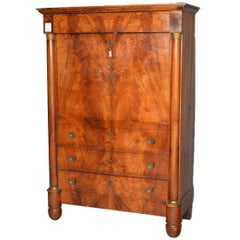
Antique 19th Century French Secretaires
Bronze
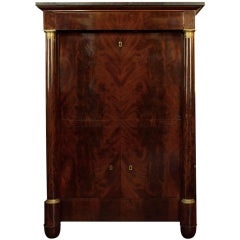
Antique Early 19th Century French Empire Secretaires
Belgian Black Marble, Ormolu, Bronze
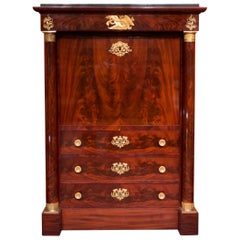
Antique 19th Century French Empire Secretaires
Marble, Ormolu
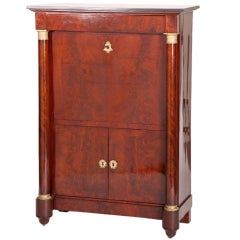
Antique Mid-19th Century French Empire Secretaires
Mahogany
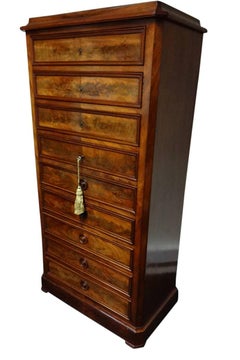
French Secretaires
Antique Early 19th Century French Empire Secretaires
Mahogany
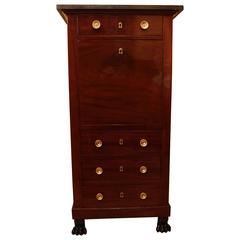
Antique 19th Century Secretaires
Wood

Antique Early 19th Century Secretaires
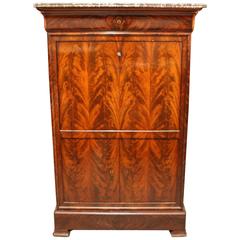
Antique 19th Century French Secretaires
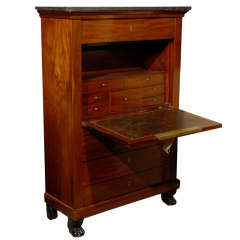
Antique 19th Century French Secretaires
Antique 19th Century French Secretaires
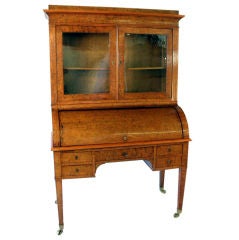
Antique Early 1800s French Empire Secretaires
Bronze
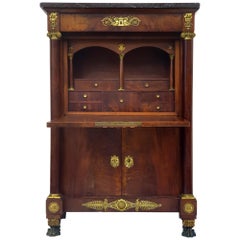
Antique 19th Century Empire Desks and Writing Tables
Walnut
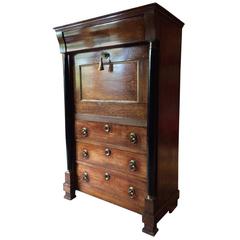
Antique Late 19th Century French Empire Secretaires
Marble, Brass
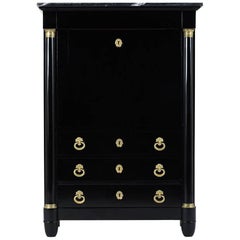
Antique Early 1800s French Empire Secretaires
Mahogany
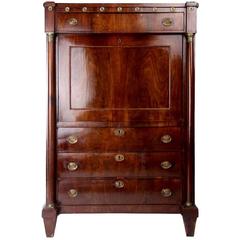
Antique 1820s French Napoleon III Secretaires
Leather, Wood
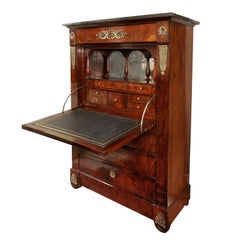
Antique Early 19th Century French Empire Furniture
Mahogany
- 1
French Empire Secretaire For Sale on 1stDibs
How Much is a French Empire Secretaire?
Finding the Right Secretaires for You
Your antique, new or vintage secretary desk has become the (chic) saving grace of the "new normal" at home.
Simply put, a secretary desk is a multifunctional piece of furniture with a hinged writing surface that folds open or drops down. When the leaf is folded out, small inner storage compartments — pigeonholes, cubbies, recesses or drawers — are revealed.
Traditionally, a secretary is composed of two parts — a chest of drawers on the bottom and a cabinet with shelves on the top. Taking its name from the French word for the piece, secrétaire, the secretary desk dates back to the 18th century, when Paris-based cabinetmaker Jean-François Oeben, known for his exquisite marquetry and clever mechanical desks, is thought to have invented the secrétaire à abbattant, or drop-leaf desk.
While the defining drop-down feature of the secretary desk has remained constant, the materials used, as well as its configuration, size and style have evolved over time.
At first, secretaries were typically made from exotic woods, like rosewood, tulipwood and kingwood; later, hardwoods like cherry, maple, oak and mahogany were more common. The desks also became lighter, with space carved out of the lower half for the writer’s feet or with drawers replaced by legs — making them more table-like.
When open, the secretary is a dynamic, versatile Wunderkammer. When closed, it’s a sophisticated, space-saving piece of furniture.
“A fine secretary with a good provenance adds stature and credence to its owner — it is a cornerstone piece,” says antiques dealer Stanley Weiss, who specializes in 18th- and 19th-century English and American furniture. “In this disposable world, fine furniture is always passed on and speaks to who its owner is.”
No matter what style or period you choose, and no matter how you decide to use it, the timeless, flexible secretary desk is bound to become an indispensable part of your daily routine.
Browse a range of antique and vintage secretary desks on 1stDibs, including mid-century modern secretaires, Georgian secretaires and others.
- 1stDibs ExpertApril 5, 2022The Classical world is primarily what influenced French Empire furniture. Greek and Roman motifs appear on many pieces. In addition, the opulence of Egyptian furniture inspired furniture makers active during the period. On 1stDibs, shop a range of French Empire furniture.