French Neoclassical Busts
Antique 19th Century French Neoclassical Busts
Marble, Bronze
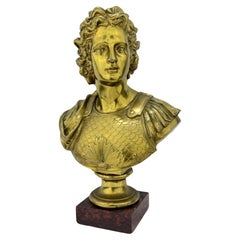
Antique 19th Century European Neoclassical Busts
Bronze

Antique 19th Century Italian Neoclassical Revival Busts
Marble
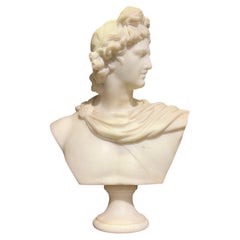
Early 20th Century French Neoclassical Busts
Marble
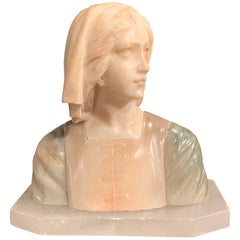
Early 20th Century French Napoleon III Busts
Marble, Bronze
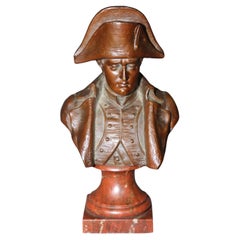
Antique 19th Century French Neoclassical Busts
Bronze
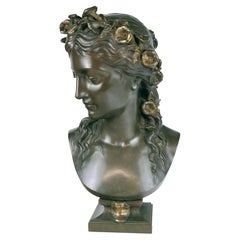
Antique Late 18th Century French Neoclassical Busts
Terracotta
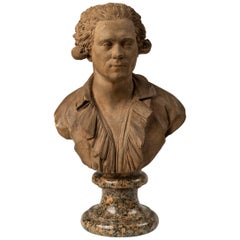
Vintage 1970s French Busts
Resin
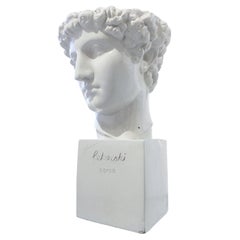
Early 20th Century French Neoclassical Busts
Bronze

Antique Early 19th Century French Neoclassical Busts
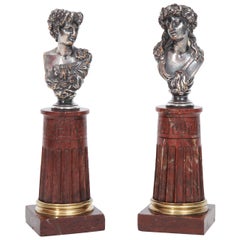

Early 20th Century French Neoclassical Busts
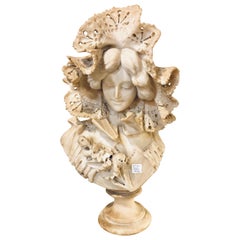
Antique 19th Century French Neoclassical Busts
Terracotta
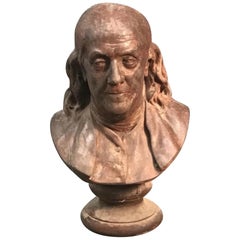
Antique 19th Century French Neoclassical Busts
Plaster, Wood
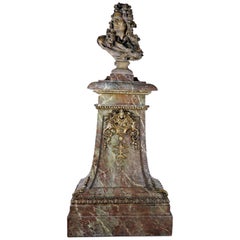
Antique 19th Century French Neoclassical Revival Busts
Porcelain
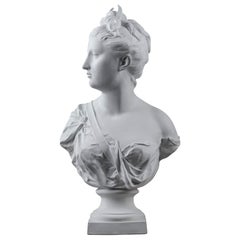
Vintage 1940s French Neoclassical Busts
Terracotta
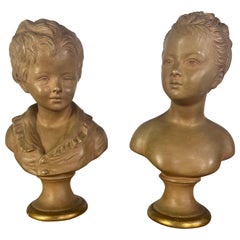
Vintage 1940s French Neoclassical Busts
Ceramic
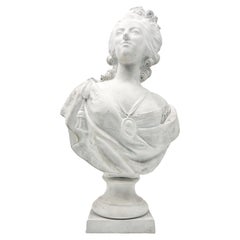
Early 20th Century French Neoclassical Busts
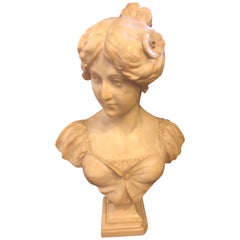
Antique Late 19th Century French Neoclassical Busts
Marble, Bronze
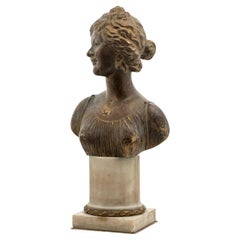
Antique Mid-19th Century French Neoclassical Busts
Bronze
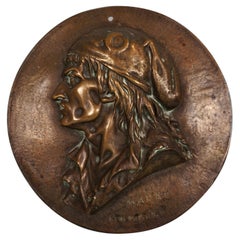
Early 20th Century French Neoclassical Busts
Porcelain
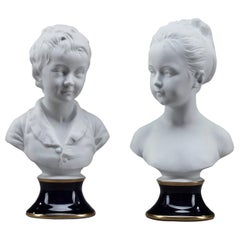
21st Century and Contemporary French Neoclassical Busts
Composition
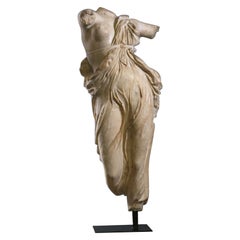
21st Century and Contemporary French Neoclassical Busts
Composition

21st Century and Contemporary French Neoclassical Busts
Composition
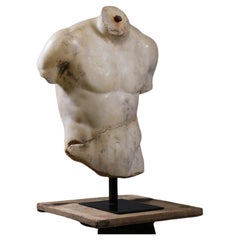
21st Century and Contemporary French Neoclassical Busts
Composition
21st Century and Contemporary French Neoclassical Busts
Epoxy Resin
21st Century and Contemporary French Neoclassical Busts
Composition

21st Century and Contemporary French Neoclassical Busts
Epoxy Resin
Vintage 1960s French Neoclassical Pedestals and Columns
Alabaster
Mid-20th Century French Neoclassical Tables
Gold Leaf
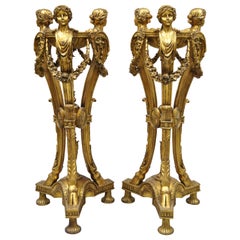
Antique 19th Century French Neoclassical Sculptures
Bronze
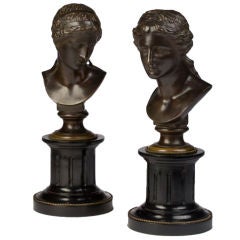
Antique Late 19th Century French Romantic Sculptures
Marble, Bronze
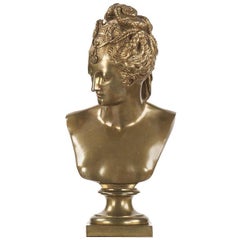
Vintage 1940s French Neoclassical Revival Sculptures and Carvings
Stone
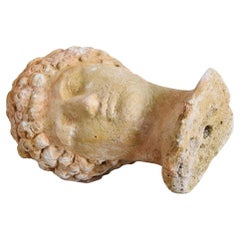
Vintage 1940s French Neoclassical Revival Sculptures and Carvings
Stone
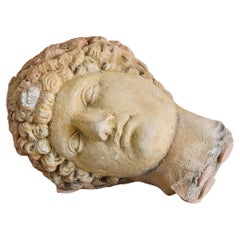
Vintage 1950s Belgian Neoclassical Figurative Sculptures
Plaster
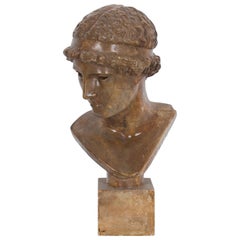
Antique 18th Century French Neoclassical Planters and Jardinieres
Marble
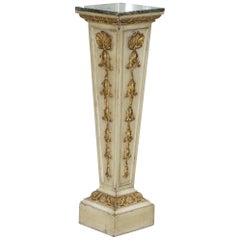
20th Century French Neoclassical Sculptures and Carvings
Stone
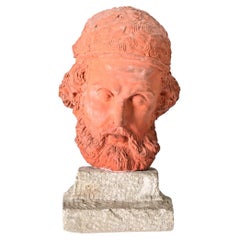
Antique Late 18th Century French Neoclassical Figurative Sculptures
Terracotta

Antique Late 19th Century French Neoclassical Figurative Sculptures
Carrara Marble
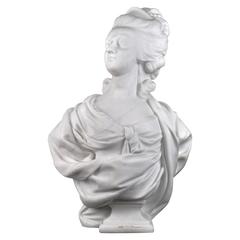
Antique 19th Century French Neoclassical Sculptures
Bronze
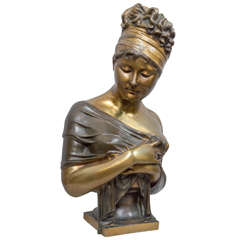
Antique Late 18th Century French Neoclassical Decorative Art
Paper
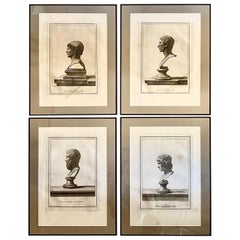
Antique Late 19th Century French Neoclassical Revival Figurative Sculptures
Carrara Marble
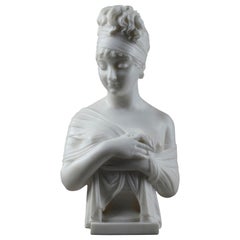
Antique 1860s French Neoclassical Figurative Sculptures
Stone, Marble, Bronze
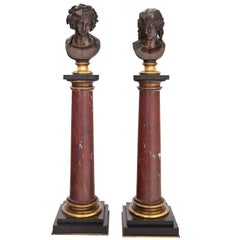
Antique Late 19th Century French Neoclassical Figurative Sculptures
Bronze
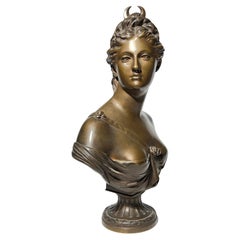
Antique Early 19th Century French Neoclassical Busts
Marble
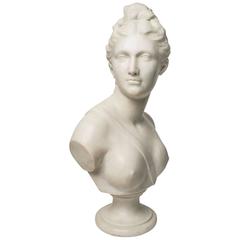
Antique 19th Century French Neoclassical Busts
Porcelain
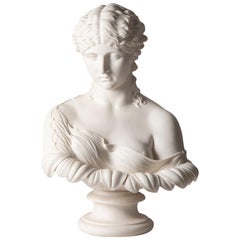
Antique 1860s French Napoleon III Busts
Terracotta, Wood
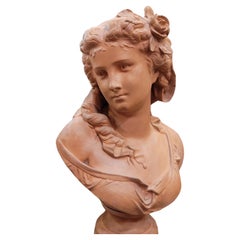
Antique Late 19th Century French Neoclassical Revival Busts
Marble, Brass, Bronze
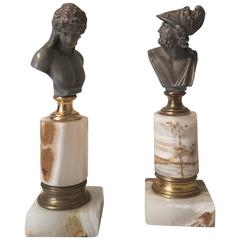
Antique Late 19th Century French Neoclassical Revival Busts
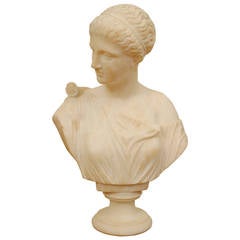
Antique Late 19th Century French Neoclassical Busts
Marble
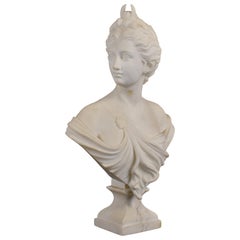
Antique 1880s French Neoclassical Revival Busts
Bronze

20th Century French Greco Roman Busts
Marble
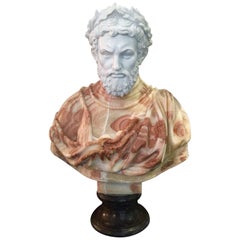
Vintage 1920s French Neoclassical Busts
Paper

Antique 1820s French Neoclassical Busts
Marble, Bronze
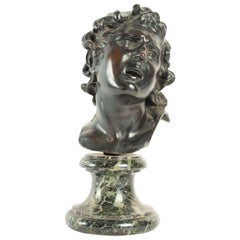
Antique Early 19th Century French Neoclassical Busts
Bronze
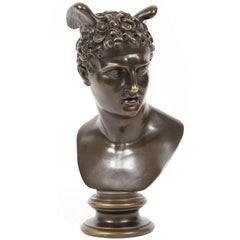
Antique 19th Century French Neoclassical Busts
Marble
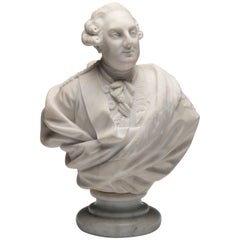
Antique 19th Century French Neoclassical Revival Busts
Wood, Paper
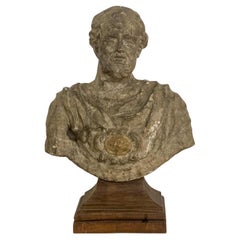
Antique 19th Century Neoclassical Busts
Marble, Bronze
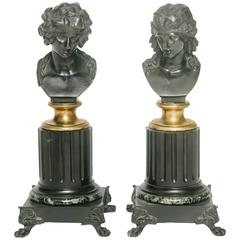
- 1
French Neoclassical Busts For Sale on 1stDibs
How Much are French Neoclassical Busts?
A Close Look at Neoclassical Furniture
Neoclassical design emerged in Europe in the 1750s, as the Age of Enlightenment reached full flower. Neoclassical furniture took its cues from the styles of ancient Rome and Athens: symmetrical, ordered, dignified forms with such details as tapered and fluted chair and table legs, backrest finials and scrolled arms.
Over a period of some 20 years, first in France and later in Britain, neoclassical design — also known as Louis XVI, or Louis Seize — would supersede the lithe and curvaceous Rococo or Louis XV style.
The first half of the 18th century had seen a rebirth of interest in classical antiquity. The "Grand Tour" of Europe, codified as a part of the proper education of a patrician gentleman, included an extended visit to Rome. Some ventured further, to sketch the ruins of ancient Greece. These drawings and others — particularly those derived from the surprising and rich archaeological discoveries in the 1730s and ’40s at the sites of the Roman cities of Pompeii and Herculaneum — caused great excitement among intellectuals and aesthetes alike.
Neoclassical furniture is meant to reflect both grace and power. The overall appearance of neoclassical chairs, tables and cabinetry is strong and rectilinear. These pieces are, in effect, classical architecture in miniature: chair and table legs are shaped like columns; cabinets are constructed with elements that mirror friezes and pediments.
Yet neoclassicism is enlivened by gilt and silver leaf, marquetry, and carved and applied ornamental motifs based on Greek and Roman sculpture: acanthus leaves, garlands, laurel wreaths, sheaves of arrow, medallions and chair splats are carved in the shapes of lyres and urns. Ormolu — or elaborate bronze gilding — was essential to French design in the 18th and 19th centuries as a cornerstone of the neoclassical and Empire styles.
As you can see from the furniture on these pages, there is a bit of whimsy in such stately pieces — a touch of lightness that will always keep neoclassicism fresh.
Find antique neoclassical furniture today on 1stDibs.
Finding the Right Busts for You
The presence of vintage and antique bust sculptures can add a necessary decorative layer to any interior. And just because a statue looks classical doesn't mean it has to be conventional.
A touch of whimsy, a dose of drama — a single bust can alter a room. And when placed in just the right spot, these statues can almost feel alive.
“They give humanity in a way that a more abstract sculpture can’t give,” says Los Angeles designer Timothy Corrigan, who loves pieces that beg to be touched. For a welcoming entry hall project in California, Corrigan selected an antique Persian rug and a bust that invites you to touch it. A collection of sculptures in wood, marble and brass complement the star of the show.
For Consort cofounder and creative director Mat Sanders, a bust doesn’t have to be pretty. “I most enjoy busts that are a little busted,” Sanders jokes — but choose something with a soul you can live with, as “sculpture representative of the human form carries with it an energy you will add to the space.”
The antique and vintage bust sculptures for sale on 1stDibs include Art Deco busts, mid-century modern busts and more.