French Rococo Porcelain
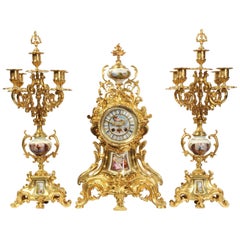
Antique 19th Century French Rococo Mantel Clocks
Ormolu
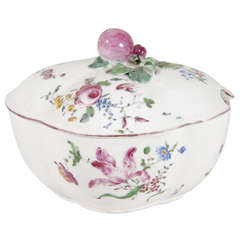
Antique 1760s French Rococo Soup Tureens
Porcelain
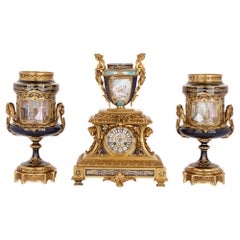
Antique Late 19th Century French Rococo Mantel Clocks
Ormolu, Bronze
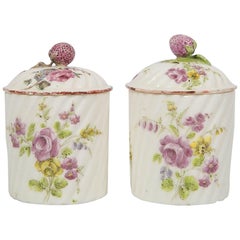
Antique Mid-18th Century French Rococo Jars
Porcelain
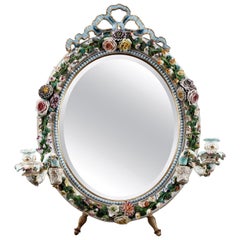
Antique 19th Century French Rococo Mantel Mirrors and Fireplace Mirrors
Porcelain
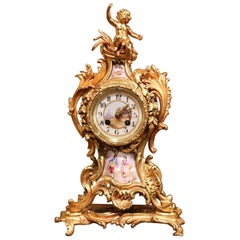
Antique Mid-19th Century French Louis XV Mantel Clocks
Bronze
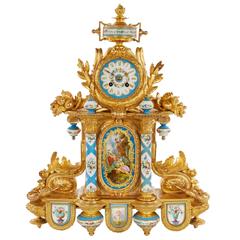
Antique 19th Century French Napoleon III Mantel Clocks
Ormolu
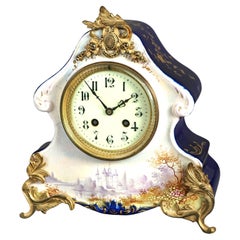
Antique 19th Century French Rococo Revival Mantel Clocks
Porcelain
Antique Late 19th Century French Louis XV More Lighting
Ormolu, Bronze
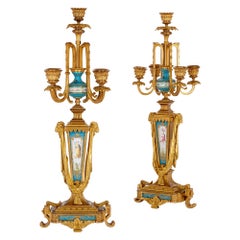
Antique Mid-18th Century French Rococo Snuff Boxes and Tobacco Boxes
Silver
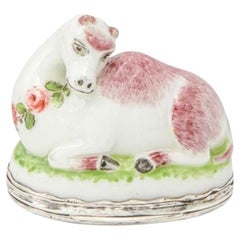
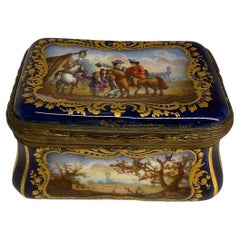
Antique 19th Century French Rococo Jewelry Boxes
Porcelain
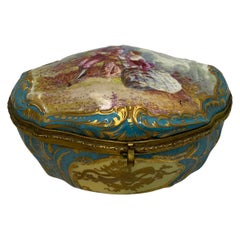
Antique Early 19th Century French Rococo Decorative Baskets
Porcelain
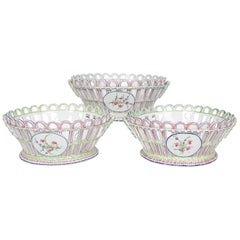
Antique 19th Century French Rococo Jars
Porcelain
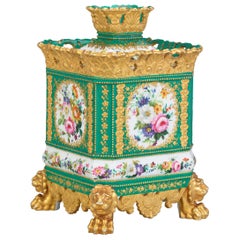
Antique Late 19th Century French Louis XV Inkwells
Bronze
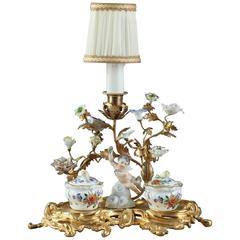
Antique 19th Century French Rococo Side Tables
Porcelain, Wood
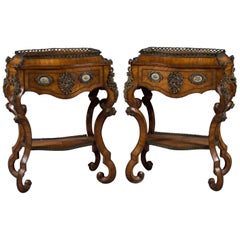
Antique Early 19th Century French Rococo Table Clocks and Desk Clocks
Ormolu
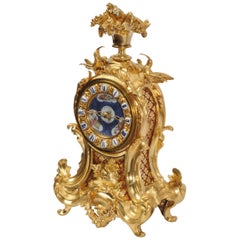
Antique Early 1900s French Louis XV Inkwells
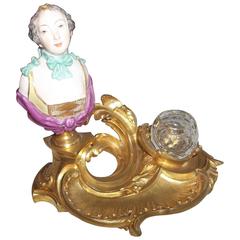
Antique 19th Century French Rococo Revival Mantel Clocks
Gold Leaf
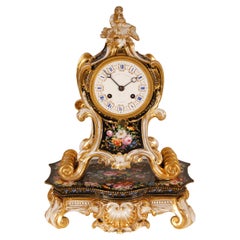
Vintage 1950s French Rococo Decorative Boxes
Porcelain
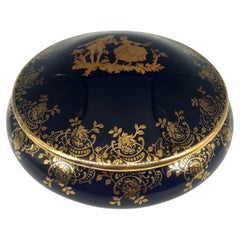
Antique Late 19th Century French Rococo Mantel Clocks
Bronze
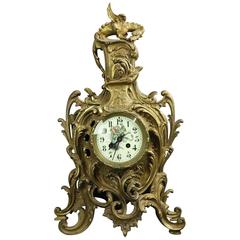
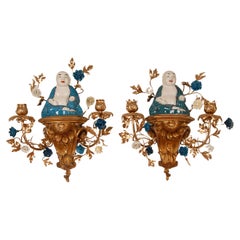
Antique Early 1900s French Rococo Wall Lights and Sconces
Brass
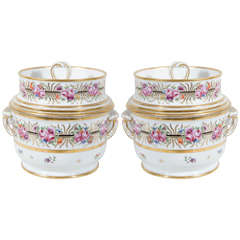
Antique 1780s French Rococo Vases
Porcelain
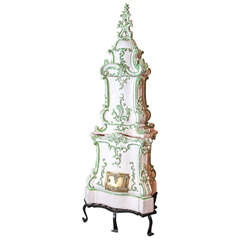
Antique Late 19th Century European Rococo Fireplace Tools and Chimney Pots
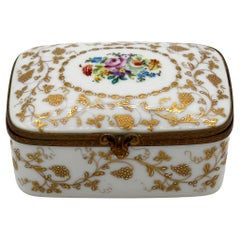
Mid-20th Century French Rococo Revival Decorative Boxes
Porcelain
Antique 1730s French Rococo Decorative Boxes
Porcelain
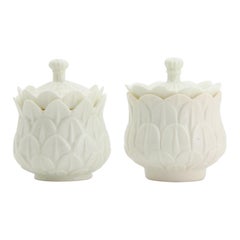
Early 20th Century French Rococo Revival Chandeliers and Pendants
Crystal, Bronze
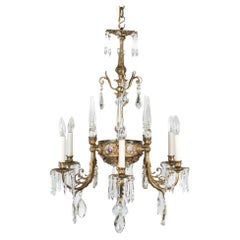
Antique 19th Century French Rococo Revival Figurative Sculptures
Porcelain
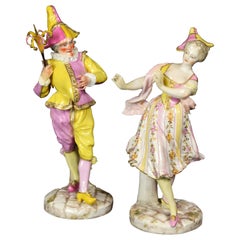
Antique Late 19th Century French Rococo Inkwells
Bronze
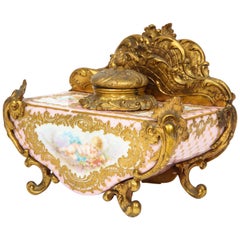
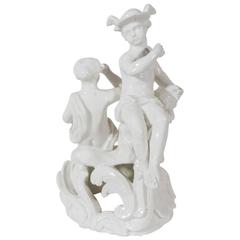
Antique Mid-18th Century French Rococo Figurative Sculptures
Porcelain
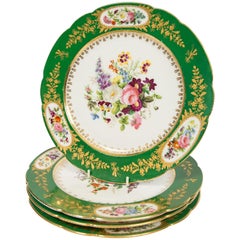
Antique Early 19th Century French Rococo Dinner Plates
Porcelain
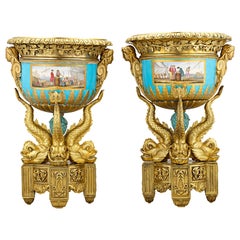
Antique 19th Century French Rococo Serving Bowls
Ormolu

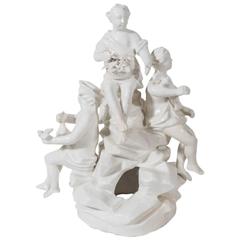
Antique Mid-18th Century French Rococo Figurative Sculptures
Porcelain
Antique Mid-18th Century French Rococo Jars
Porcelain
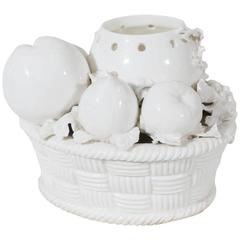
Antique 19th Century French Rococo Planters, Cachepots and Jardinières
Porcelain, Paint
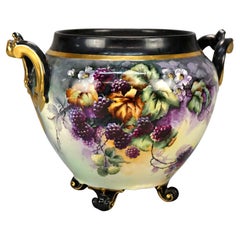
Antique 1880s French Rococo Mantel Clocks
Bronze
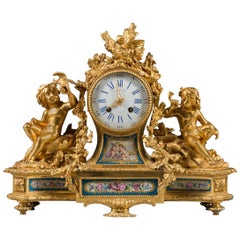
Antique 19th Century French Rococo Decorative Boxes
Bronze
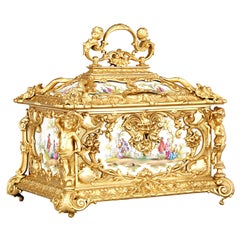
Antique 19th Century French Rococo Bottles
Porcelain
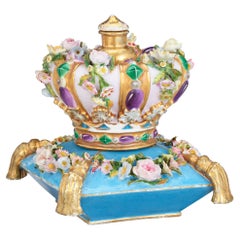
Antique Mid-18th Century French Rococo Figurative Sculptures
Porcelain
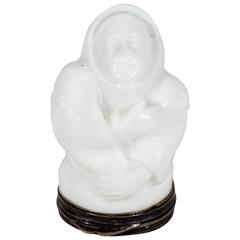
Early 20th Century French Rococo Decorative Boxes
Porcelain
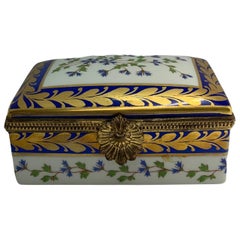
Antique Early 19th Century French Rococo Decorative Dishes and Vide-Poche
Porcelain
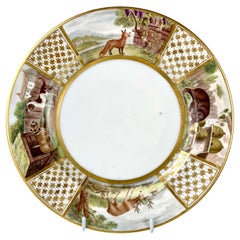
Antique 19th Century French Rococo Bottles
Porcelain
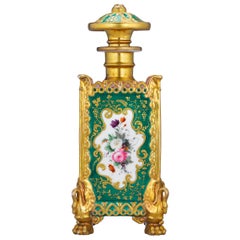
Antique 1880s French Rococo Vases
Porcelain
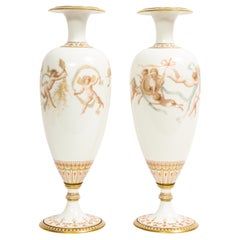
Antique Mid-18th Century French Rococo Animal Sculptures
Silver
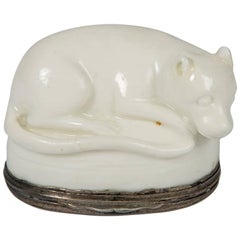
Antique Mid-19th Century French Rococo Bottles
Porcelain
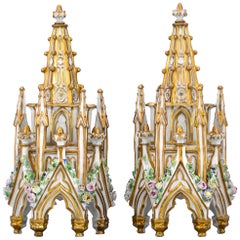
Antique 18th Century and Earlier French Rococo Dinner Plates
Porcelain, Paste
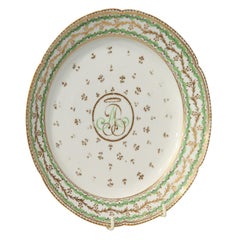
Antique 19th Century French Rococo Bottles
Porcelain
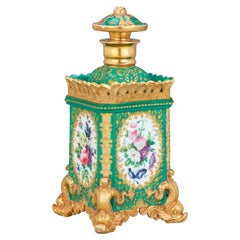
Antique 19th Century French Rococo Jewelry Boxes
Porcelain
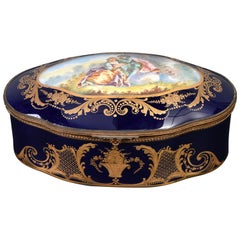
Antique 19th Century French Rococo Decorative Bowls
Porcelain
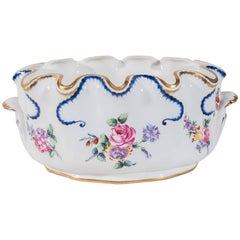
Antique 19th Century French Rococo Clocks
Porcelain

Early 20th Century French Rococo Decorative Boxes
Porcelain
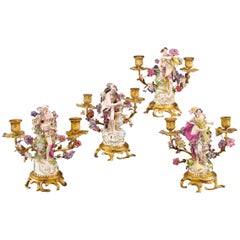
Antique 19th Century French Rococo Candelabras
Bronze
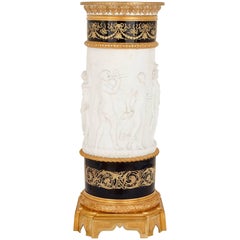
Antique Late 19th Century French Rococo Pedestals and Columns
Ormolu
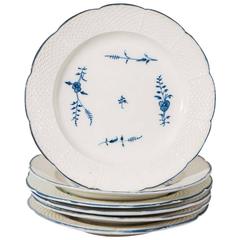
Antique 1770s French Rococo Dinner Plates
Porcelain
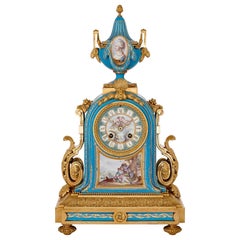
Antique Late 19th Century French Rococo Mantel Clocks
Ormolu, Bronze
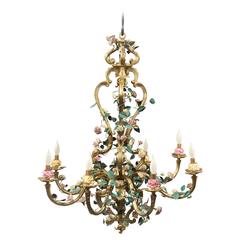
Antique Late 19th Century French Belle Époque Chandeliers and Pendants
Antique Late 19th Century French Rococo Vases
Ormolu

Antique Mid-19th Century French Rococo Vases
Ormolu, Bronze
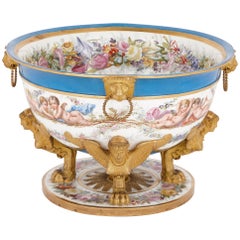
- 1
French Rococo Porcelain For Sale on 1stDibs
How Much is a French Rococo Porcelain?
A Close Look at Rococo Furniture
Rococo was an aesthetic movement in the fine and decorative arts in the 18th century that found its inspiration in nature and fostered an overall lightness and delicacy of form, construction and ornament in interior design. Rococo furniture, while greatly influenced by trends in Italy and Germany, is often called Louis XV style — the movement having reached its best expression during that sybaritic French king’s reign.
The term “rococo” is thought to be a portmanteau of the French words rocaille and coquilles — “rock” and “shells” — organic motifs frequently used in architecture and design of the style.
When it comes to authentic Rococo furniture's characteristics, it is above all sensuous and social. The furniture of earlier eras in Europe had been heavy in every sense; the Rococo period saw the appearance of light-framed upholstered armchairs, side chairs and occasional tables that could easily be moved to form conversational circles.
The signal detail of Rococo furniture design is the gently curved cabriole, or S-shaped chair-, table-, and cabinet-leg. It imitates the bend of a tree limb or a flower stem. In a further reference to nature, furnishings were often asymmetrical and painted white, or in soft, pastel shades. Rococo has become a timeless style, and as the furniture pieces presented on 1stDibs demonstrate, its playful, sculptural forms can provide visual excitement to contemporary, clean-lined spaces.
- What is French porcelain called?1 Answer1stDibs ExpertNovember 26, 2024What French porcelain is called depends on its type. Prior to 1765, porcelain made in France was not true porcelain, as it lacked kaolin clay. These early pieces are soft-paste porcelain or pâte tendre. After the discovery of kaolin near Limoges, France, French artisans were able to produce true porcelain, which is called hard paste or pâte dure. You may also see French porcelain referred to by the region from which it originated. Examples include Sèvres porcelain, Limoges porcelain, Chantilly porcelain and Vincennes porcelain. Explore a diverse assortment of French porcelain wares on 1stDibs.
- 1stDibs ExpertSeptember 23, 2024One way to identify French porcelain marks is to take a photo with your smartphone or tablet and then perform a reverse image search. Often, doing so will allow you to quickly determine the maker. If this approach fails, explore trusted online resources with photographs of the markings associated with various French makers, such as the crowned N of Sèvres and the H Co. insignia of Haviland. Another option is to have a certified appraiser or knowledgeable antique dealer perform the identification for you. On 1stDibs, find a wide variety of French porcelain.
- 1stDibs ExpertAugust 15, 2024Yes, some French porcelain is worth something. Specifically, there is a demand for some Limoges and Sèvres porcelain pieces, especially those produced by well-known makers, such as Haviland Co. and Deshoulières. In addition to maker and style, the type, age and condition of a French porcelain piece play a role in determining its value. A certified appraiser or knowledgeable antique dealer can give you an estimate of how much a particular piece is worth. Shop a large collection of French porcelain on 1stDibs.
- 1stDibs ExpertMarch 15, 2024To identify French Limoges porcelain marks, refer to trusted online resources. There are dozens of markings associated with Limoges porcelain. By comparing the marks on your piece to images shared online, you can determine if your piece is a Limoges. A certified appraiser or knowledgeable antiques dealer can also assist you with identification. Explore a range of Limoges porcelain on 1stDibs.
Read More
The Ultimate Guide to Types of Tables for the Home
Whether you’re just moving in or ready to give your home a makeover, our guide will give you pointers on tables that are fitting for every room, nook and hallway.
Why Enchanting French Antiques Fill Walt Disney’s Animated Classics
The visionary impresario, and the studio he founded, long looked to European decorative arts to set a magical mood for films from Snow White to Beauty and the Beast.