Galle Cameo

to
51
344
274
588
512
275
66
65
50
49
35
12
7
6
2
2
1
1
1
1
1
521
40
6
4
2
Sort By
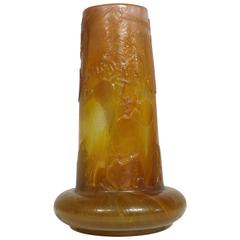
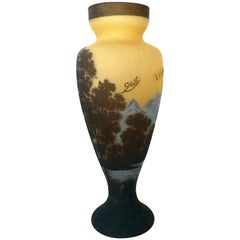
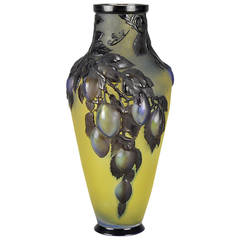
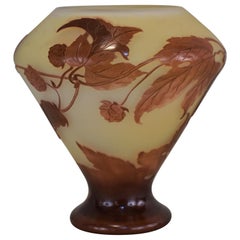
Fine Emile Gallé Studio Cameo Vase with Grape Vine Decor, 1900
By Émile Gallé
Located in Charlevoix, MI
Oval carved cameo vase by Emile Galle´. Squat bulbous base with tapered body in shades of green and
Category

Antique Early 1900s French Art Nouveau Vases

Materials

Glass

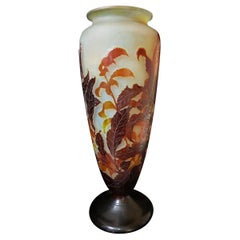
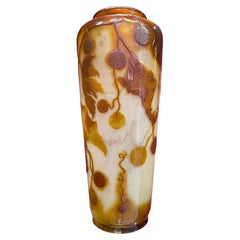
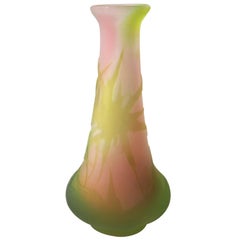
Emile Gallé Art Nouveau France Cameo Glass Vegetable Motifs Vase, 1900s
By Émile Gallé
Located in Mondovì cn, Italia
Emile Gallé, France, (early 1900): multi-layered glass vase with a light background and decoration
Category

Early 20th Century French Art Nouveau Vases

Materials

Glass

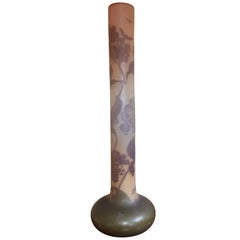
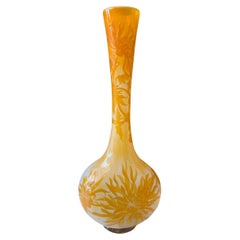
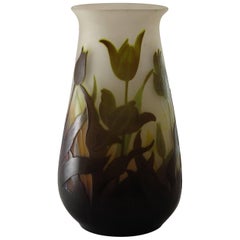
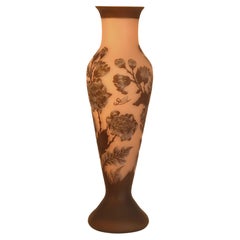
Emile Gallé Art Nouveau France Floral Decoration Tube Cameo Glass Vase, 1910
By Émile Gallé
Located in Mondovì cn, Italia
Monumental multi-layered glass vase with floral decoration. Very nice quality. Signed Emile Gallé.  
Category

Vintage 1910s French Art Nouveau Vases

Materials

Glass

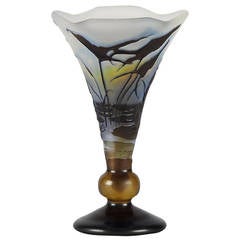
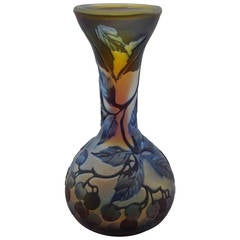
Aquatic Cameo Vase
By Émile Gallé
Located in London, GB
, signed in a cameo Galle. Date: 1890. Condition: Excellent original condition. Height: 13 cm.
Category

Antique Late 19th Century French Art Nouveau Vases

Materials

Art Glass

Art Nouveau Cameo Glass Vase by Émile Gallé
Located in Salt Lake City, UT
A beautiful cameo glass vase by Émile Gallé (French, 1846 — 1904), who is considered to be one of
Category

Antique 19th Century French Art Nouveau Vases

20th Century Monumental Romanian Art Glass Cameo Vase
By Émile Gallé
Located in West Palm Beach, FL
20th Century Monumental Romanian art glass "Tip Galle" signed cameo glass vase. This rare 25
Category

Late 20th Century Romanian Art Nouveau Vases

Materials

Art Glass

Antique Large Émile Gallé Art Nouveau Cameo Vase, France
Located in Rostock, MV
Signed Émile Gallé art glass overlaid with several layers, with high-cut worked out motifs Émile
Category

Antique Late 19th Century Glass

Materials

Glass

Antique Large Émile Gallé Art Nouveau Cameo Vase, France
Located in Rostock, MV
Antique Émile Gallé vase, around 1898 Opaque, white-orange glass with orange overlay Museum
Category

Antique Late 19th Century Vases

Materials

Art Glass

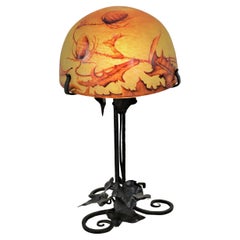
1910 Art Nouveau Cameo Glass Handmade Iron Base Table Lamp
By Émile Gallé
Located in Fairfax, VA
Early 20th century hand blown cameo glass with handmade iron base table lamp
Category

Vintage 1910s French Art Nouveau Table Lamps

Materials

Wrought Iron

Fuchsia Souffle Vase
By Émile Gallé
Located in London, GB
quality, signed Galle in cameo.
Category

Early 20th Century French Art Nouveau Vases
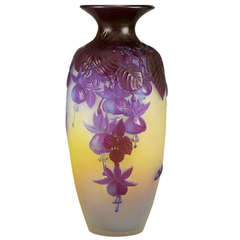
Plum Soufflé Vase
By Émile Gallé
Located in London, GB
and color, signed Galle in Cameo.
Category

Early 20th Century French Art Deco Vases

Materials

Glass

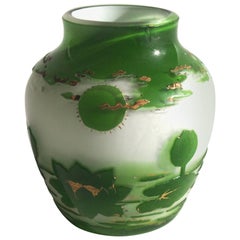
Harrach Art Nouveau Cameo Aquatic Vase
By Harrach Glassworks
Located in London, GB
identical image is featured in the Harrach design books. Harrach made fine cameos long before Galle and
Category

Antique 1890s Czech Art Nouveau Glass

Materials

Art Glass

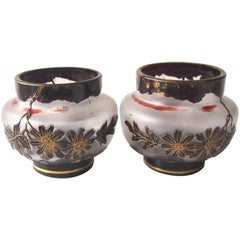
Pair of Bohemian Harrach Art Nouveau Cameo Glass Vases, circa 1899
By Harrach Glassworks
Located in London, GB
neglected and Harrach was one of the earliest and best makers. Harrach made fine cameos long before Galle
Category

Antique 1890s Czech Art Nouveau Glass

Materials

Art Glass

Galle cameo glass Hydrangea vase
By Émile Gallé
Located in Devon, GB
Galle cameo glass Hydrangea vase C1905. Unusual shaped pedestal vase decorated with stylised
Category

Antique Early 1900s French Art Nouveau Vases

Materials

Glass

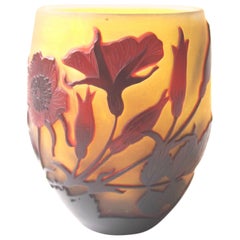
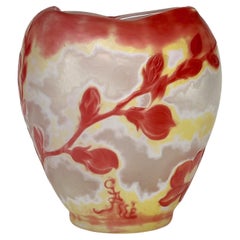
French Art Nouveau Emile Galle Cameo Glass Bowl-Vase circa 1900
By Émile Gallé
Located in London, GB
Fine Emile Galle cameo bowl/vase with internal polishing in red on orange depicting wild flowers
Category

Antique Early 1900s French Art Nouveau Glass

Materials

Art Glass

Emile Galle Cameo Glass Art Nouveau Vase
By Émile Gallé
Located in Fairfax, VA
Art Nouveau acid etching cameo glass with dark red flora design vase by Emile Galle.
Category

Antique Early 1900s French Art Nouveau Wall Lights and Sconces

Materials

Nickel

Art Nouveau Miniature Emile Galle Cameo Sea Thistle Vase
By Émile Gallé
Located in London, GB
Wonderful Emile Galle Art Nouveau Cameo miniature vase in green over clear over pink. Depicting sea
Category

Antique Early 1900s French Art Nouveau Glass

Materials

Art Glass

Emile Galle Cameo Glass Vase Acid Etched with Flowers and Leaves
By Émile Gallé
Located in Elswick, GB
Art Nouveau acid etched cameo glass vase by Emile Galle, French, circa 1900. Finely decorated with
Category

Early 20th Century French Art Nouveau Vases

Materials

Glass

Gallé Miniature Berries Cameo Glass Vase
By Émile Gallé
Located in Houston, TX
Emile Gallé (1846-1904) vase carved with trailing vines with berries in graduated tones ranging
Category

Antique 1890s French Art Nouveau Glass

Materials

Glass

Large Emile Gallé Floral Pate de Verre Cameo Vase
By Émile Gallé
Located in Amsterdam, NL
Beautiful large Art Nouveau vase signed by Emile Gallé (Gallé) featuring a floral pattern of so
Category

Antique 1890s French Art Nouveau Vases

Materials

Art Glass

Émile Gallé - Exquisite Art Nouveau Magnolia Cameo Glass Vase
By Émile Gallé
Located in South Gippsland, Victoria
. The cameo carved Gallé signature is reminiscent of Japanese calligraphy. During this era, 'Japonisme
Category

Antique Early 1900s French Art Nouveau Vases

Materials

Art Glass

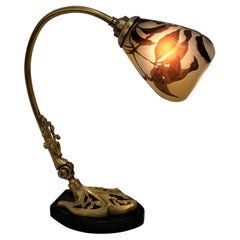
Art Nouveau Cameo Glass Gilt Bronze Piano Lamp by Galle
By Émile Gallé
Located in Fairfax, VA
Art Nouveau acid cut cameo glass with Dore bronze base table or piano lamp. Adjustable height
Category

Antique Early 1900s French Art Nouveau Table Lamps

Materials

Marble, Bronze

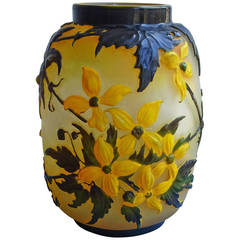
Yellow Clematis Mold-Blown Cameo Glass Vase by Emile Gallé, circa 1918
By Émile Gallé
Located in Saint-Ouen, FR
Yellow Clematis mold-blown cameo glass vase by Emile Gallé, Circa 1918. Signed "Gallé" in cameo
Category

Vintage 1910s French Glass

Materials

Blown Glass

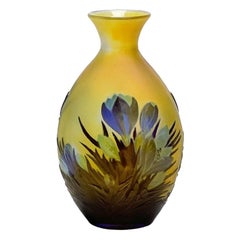
Emile Galle France Acid Etched 3 Layer Cameo Glass Vase Blue Crocus Flowers
By Émile Gallé
Located in WILMINGTON, CA
Emile Galle France acid etched 3 layer cameo glass vase blue crocus flowers. Emile Galle France
Category

Antique 19th Century French Vases

Materials

Glass

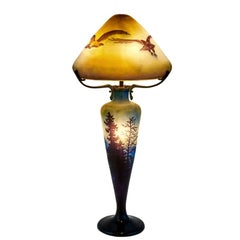
Emile Galle France Acid Etched 3 Layer Cameo Glass Table Lamp Trees Eagles, 1920
By Émile Gallé
Located in WILMINGTON, CA
Emile Galle France acid etched 3 layer cameo glass table lamp trees eagles, c1920 Emile Galle
Category

20th Century Table Lamps

Materials

Glass

Emile Galle Vase Form Balustre
By Émile Gallé
Located in Schaerbeek, BE
Baluster vase by Emile Galle, circa 1900. The baluster cameo art glass vase shows acid cut lilacs
Category

Early 20th Century French Art Nouveau Vases

Materials

Glass

Large Galle Elephant Vase, Cameo Glass Elephant Vase, Signed Galle Vase
Located in Harrisburg, PA
This beautiful signed Galle elephant vase is very impressive. In extremely good condition no chips
Category

Vintage 1930s French Art Nouveau Vases
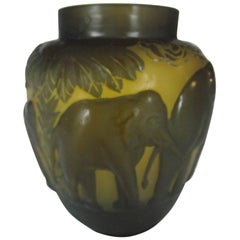
20th Century Monumental Romanian Art Glass Cameo Vase
By Émile Gallé
Located in West Palm Beach, FL
20th Century monumental Romanian art glass "Tip Galle" signed cameo glass vase. This rare 25" inch
Category

Late 20th Century Romanian Art Nouveau Vases

Materials

Art Glass

  • 1
  • ...
Get Updated with New Arrivals
Save "Galle Cameo", and we’ll notify you when there are new listings in this category.

Galle Cameo For Sale on 1stDibs

At 1stDibs, there are many versions of the ideal galle cameo for your home. Frequently made of glass, art glass and blown glass, every galle cameo was constructed with great care. Whether you’re looking for an older or newer galle cameo, there are earlier versions available from the 19th Century and newer variations made as recently as the 20th Century. A galle cameo, designed in the Art Nouveau, Art Deco or mid-century modern style, is generally a popular piece of furniture. Émile Gallé, Gallé and Galle Art Glass each produced at least one beautiful galle cameo that is worth considering.

How Much is a Galle Cameo?

A galle cameo can differ in price owing to various characteristics — the average selling price 1stDibs is $3,819, while the lowest priced sells for $330 and the highest can go for as much as $380,000.

A Close Look at Art-nouveau Furniture

In its sinuous lines and flamboyant curves inspired by the natural world, antique Art Nouveau furniture reflects a desire for freedom from the stuffy social and artistic strictures of the Victorian era. The Art Nouveau movement developed in the decorative arts in France and Britain in the early 1880s and quickly became a dominant aesthetic style in Western Europe and the United States.

ORIGINS OF ART NOUVEAU FURNITURE DESIGN

CHARACTERISTICS OF ART NOUVEAU FURNITURE DESIGN

  • Sinuous, organic and flowing lines
  • Forms that mimic flowers and plant life
  • Decorative inlays and ornate carvings of natural-world motifs such as insects and animals 
  • Use of hardwoods such as oak, mahogany and rosewood

ART NOUVEAU FURNITURE DESIGNERS TO KNOW

ANTIQUE ART NOUVEAU FURNITURE ON 1STDIBS

Art Nouveau — which spanned furniture, architecture, jewelry and graphic design — can be easily identified by its lush, flowing forms suggested by flowers and plants, as well as the lissome tendrils of sea life. Although Art Deco and Art Nouveau were both in the forefront of turn-of-the-20th-century design, they are very different styles — Art Deco is marked by bold, geometric shapes while Art Nouveau incorporates dreamlike, floral motifs. The latter’s signature motif is the "whiplash" curve — a deep, narrow, dynamic parabola that appears as an element in everything from chair arms to cabinetry and mirror frames.

The visual vocabulary of Art Nouveau was particularly influenced by the soft colors and abstract images of nature seen in Japanese art prints, which arrived in large numbers in the West after open trade was forced upon Japan in the 1860s. Impressionist artists were moved by the artistic tradition of Japanese woodblock printmaking, and Japonisme — a term used to describe the appetite for Japanese art and culture in Europe at the time — greatly informed Art Nouveau. 

The Art Nouveau style quickly reached a wide audience in Europe via advertising posters, book covers, illustrations and other work by such artists as Aubrey Beardsley, Henri de Toulouse-Lautrec and Alphonse Mucha. While all Art Nouveau designs share common formal elements, different countries and regions produced their own variants.

In Scotland, the architect Charles Rennie Mackintosh developed a singular, restrained look based on scale rather than ornament; a style best known from his narrow chairs with exceedingly tall backs, designed for Glasgow tea rooms. Meanwhile in France, Hector Guimard — whose iconic 1896 entry arches for the Paris Metro are still in use — and Louis Majorelle produced chairs, desks, bed frames and cabinets with sweeping lines and rich veneers. 

The Art Nouveau movement was known as Jugendstil ("Youth Style") in Germany, and in Austria the designers of the Vienna Secession group — notably Koloman Moser, Josef Hoffmann and Joseph Maria Olbrich — produced a relatively austere iteration of the Art Nouveau style, which mixed curving and geometric elements.

Art Nouveau revitalized all of the applied arts. Ceramists such as Ernest Chaplet and Edmond Lachenal created new forms covered in novel and rediscovered glazes that produced thick, foam-like finishes. Bold vases, bowls and lighting designs in acid-etched and marquetry cameo glass by Émile Gallé and the Daum Freres appeared in France, while in New York the glass workshop-cum-laboratory of Louis Comfort Tiffany — the core of what eventually became a multimedia decorative-arts manufactory called Tiffany Studios — brought out buoyant pieces in opalescent favrile glass. 

Jewelry design was revolutionized, as settings, for the first time, were emphasized as much as, or more than, gemstones. A favorite Art Nouveau jewelry motif was insects (think of Tiffany, in his famed Dragonflies glass lampshade).

Like a mayfly, Art Nouveau was short-lived. The sensuous, languorous style fell out of favor early in the 20th century, deemed perhaps too light and insubstantial for European tastes in the aftermath of World War I. But as the designs on 1stDibs demonstrate, Art Nouveau retains its power to fascinate and seduce.

There are ways to tastefully integrate a touch of Art Nouveau into even the most modern interior — browse an extraordinary collection of original antique Art Nouveau furniture on 1stDibs, which includes decorative objects, seating, tables, garden elements and more.