Gieler On Sale
Recent Sales
2010s Pop Art Figurative Paintings
Canvas, Mixed Media, Spray Paint, Acrylic
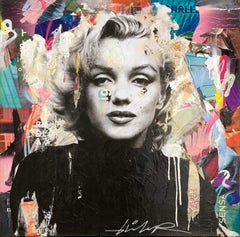
2010s Pop Art Figurative Paintings
Canvas, Mixed Media, Spray Paint, Acrylic
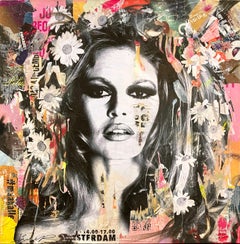

2010s Pop Art Figurative Paintings
Canvas, Mixed Media, Spray Paint, Acrylic
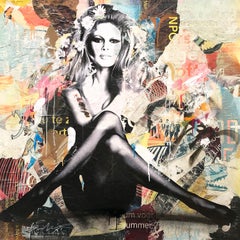
2010s Pop Art Figurative Paintings
Canvas, Mixed Media, Spray Paint, Acrylic
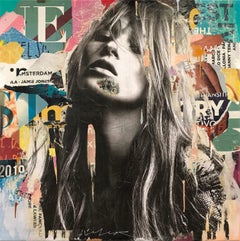
2010s Pop Art Figurative Paintings
Canvas, Mixed Media, Spray Paint, Acrylic
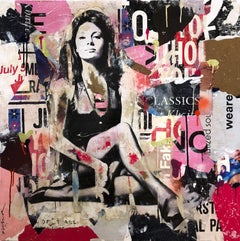
2010s Street Art Figurative Paintings
Canvas, Mixed Media, Spray Paint, Acrylic
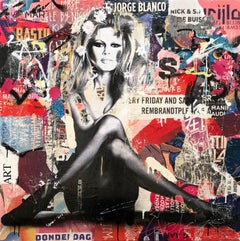
2010s Pop Art Figurative Paintings
Canvas, Mixed Media, Spray Paint, Acrylic
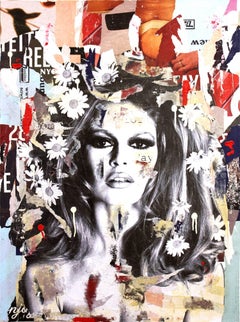
2010s Pop Art Figurative Paintings
Canvas, Mixed Media, Spray Paint, Acrylic
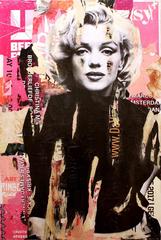
2010s Pop Art Figurative Paintings
Acrylic, Canvas, Mixed Media, Resin, Spray Paint
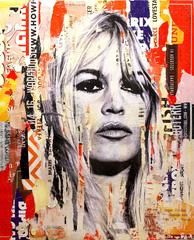
Gieler On Sale For Sale on 1stDibs
How Much is a Gieler On Sale?
Gieler for sale on 1stDibs
Gieler was born in 1982 in the Netherlands. In the late 90s, he began experimenting with graffiti in Amsterdam. For years Gieler remained active with spraying letters on walls but as he got older, graffiti evolved into street art, where he started to experiment on canvas. The street influences can be recognized strongly in his works, by using a very interesting and distinctive technique where he hand-tears posters from the city and reworks them into his canvases. He can compose unique images on canvas captivating the viewer with the voice of the people and his own. Blending urban elements in a highly intricate way, he creates beautiful compositions that differentiate him from his counterparts. Since 2014, he has been diligently creating this body of work by replicating the captivating beauty of pop icons with his style. As an emerging artist from The Netherlands, his collage works are always being provided with posters he collects from walls out of the streets; he has developed a technique of ”sustainable art" which gives a living and edgy character to his paintings. He also uses other old materials, like damaged brushes, blunt Stanley knives or other older and sometimes broken tools. Since by working with these tools and materials the result is always more surprising and exciting. Gieler can create a completely unusual and powerful body of work by using rebellious and nostalgic plays on icons of the past and present such as Brigitte Bardot, Kate Moss, Elvis Presley and Marilyn Monroe. Working on mostly larger canvases, the presence of these pop pieces make a dramatic statement; but once looking closer at the details, the viewer can discover exciting, rich textures by the many layers of selected hand-pulled posters. Gieler's evolving fascination with the voice of Amsterdam is now expanding to different cities such as London and New York. He aims to include the environments of the world into his pieces by using considerable efforts to bring the two together. His journey through the cities on bicycle leaves him soaking up the backdrop of the streets, which then, later on, translates into the passion he puts into creating his compositions. The result is a refreshing take on pop art that excites the viewer with strong suggestions of color, texture, and design.
A Close Look at Pop-art Art
Perhaps one of the most influential contemporary art movements, Pop art emerged in the 1950s. In stark contrast to traditional artistic practice, its practitioners drew on imagery from popular culture — comic books, advertising, product packaging and other commercial media — to create original Pop art paintings, prints and sculptures that celebrated ordinary life in the most literal way.
ORIGINS OF POP ART
- Started in Britain in the 1950s, flourished in 1960s-era America
- “This is Tomorrow,” at London's Whitechapel Gallery in 1956, was reportedly the first Pop art exhibition
- A reaction to postwar mass consumerism
- Transitioning away from Abstract Expressionism
- Informed by neo-Dada and artists such as Jasper Johns and Robert Rauschenberg; influenced postmodernism and Photorealism
CHARACTERISTICS OF POP ART
- Bold imagery
- Bright, vivid colors
- Straightforward concepts
- Engagement with popular culture
- Incorporation of everyday objects from advertisements, cartoons, comic books and other popular mass media
POP ARTISTS TO KNOW
- Richard Hamilton
- Andy Warhol
- Marta Minujín
- Claes Oldenburg
- Eduardo Paolozzi
- Rosalyn Drexler
- James Rosenquist
- Peter Blake
- Roy Lichtenstein
ORIGINAL POP ART ON 1STDIBS
The Pop art movement started in the United Kingdom as a reaction, both positive and critical, to the period’s consumerism. Its goal was to put popular culture on the same level as so-called high culture.
Richard Hamilton’s 1956 collage Just what is it that makes today’s homes so different, so appealing? is widely believed to have kickstarted this unconventional new style.
Pop art works are distinguished by their bold imagery, bright colors and seemingly commonplace subject matter. Practitioners sought to challenge the status quo, breaking with the perceived elitism of the previously dominant Abstract Expressionism and making statements about current events. Other key characteristics of Pop art include appropriation of imagery and techniques from popular and commercial culture; use of different media and formats; repetition in imagery and iconography; incorporation of mundane objects from advertisements, cartoons and other popular media; hard edges; and ironic and witty treatment of subject matter.
Although British artists launched the movement, they were soon overshadowed by their American counterparts. Pop art is perhaps most closely identified with American Pop artist Andy Warhol, whose clever appropriation of motifs and images helped to transform the artistic style into a lifestyle. Most of the best-known American artists associated with Pop art started in commercial art (Warhol made whimsical drawings as a hobby during his early years as a commercial illustrator), a background that helped them in merging high and popular culture.
Roy Lichtenstein was another prominent Pop artist that was active in the United States. Much like Warhol, Lichtenstein drew his subjects from print media, particularly comic strips, producing paintings and sculptures characterized by primary colors, bold outlines and halftone dots, elements appropriated from commercial printing. Recontextualizing a lowbrow image by importing it into a fine-art context was a trademark of his style. Neo-Pop artists like Jeff Koons and Takashi Murakami further blurred the line between art and popular culture.
Pop art rose to prominence largely through the work of a handful of men creating works that were unemotional and distanced — in other words, stereotypically masculine. However, there were many important female Pop artists, such as Rosalyn Drexler, whose significant contributions to the movement are recognized today. Best known for her work as a playwright and novelist, Drexler also created paintings and collages embodying Pop art themes and stylistic features.
Read more about the history of Pop art and the style’s famous artists, and browse the collection of original Pop art paintings, prints, photography and other works for sale on 1stDibs.
Finding the Right Figurative-paintings for You
Figurative art, as opposed to abstract art, retains features from the observable world in its representational depictions of subject matter. Most commonly, figurative paintings reference and explore the human body, but they can also include landscapes, architecture, plants and animals — all portrayed with realism.
While the oldest figurative art dates back tens of thousands of years to cave wall paintings, figurative works made from observation became especially prominent in the early Renaissance. Artists like Michelangelo, Leonardo da Vinci and other Renaissance masters created naturalistic representations of their subjects.
Pablo Picasso is lauded for laying the foundation for modern figurative art in the 1920s. Although abstracted, this work held a strong connection to representing people and other subjects. Other famous figurative artists include Francis Bacon and Lucian Freud. Figurative art in the 20th century would span such diverse genres as Expressionism, Pop art and Surrealism.
Today, a number of figural artists — such as Sedrick Huckaby, Daisy Patton and Eileen Cooper — are making art that uses the human body as its subject.
Because figurative art represents subjects from the real world, natural colors are common in these paintings. A piece of figurative art can be an exciting starting point for setting a tone and creating a color palette in a room.
Browse an extensive collection of figurative paintings on 1stDibs.