Glass Drinking Glasses
Vintage 1950s American Mid-Century Modern Carts and Bar Carts
Wrought Iron
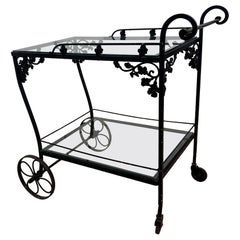
Vintage 1970s Carts and Bar Carts
Brass
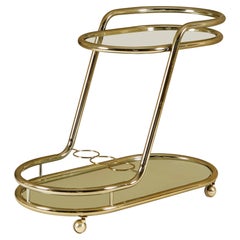
20th Century Chinese Chinese Export Cabinets
Brass
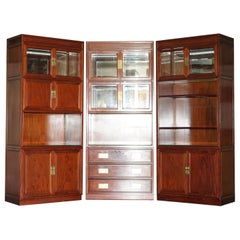
20th Century Italian Other Carts and Bar Carts
Glass, Teak
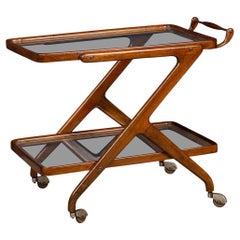
21st Century and Contemporary European Modern Dry Bars
Copper
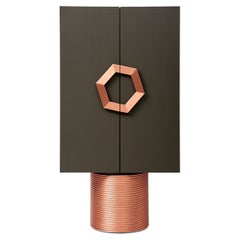

Mid-20th Century British Art Deco Dry Bars
Crystal
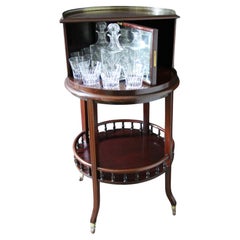
Mid-20th Century Italian Mid-Century Modern Carts and Bar Carts
Metal
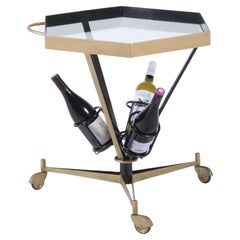
Vintage 1950s French Mid-Century Modern Carts and Bar Carts
Leather, Rattan, Glass
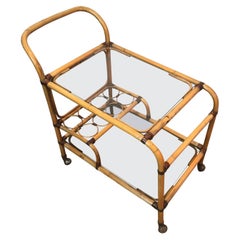
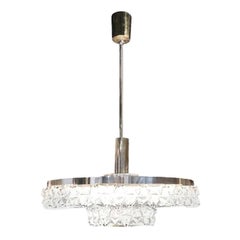
Mid-20th Century Swedish Mid-Century Modern Chandeliers and Pendants
Metal, Brass, Chrome
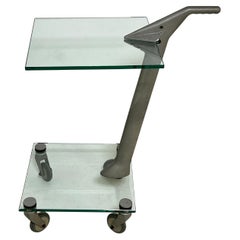
Vintage 1980s Italian Post-Modern Carts and Bar Carts
Glass, Acrylic
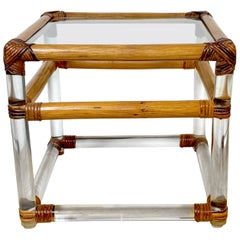
20th Century American Mid-Century Modern Side Tables
Bamboo, Reed, Glass, Willow
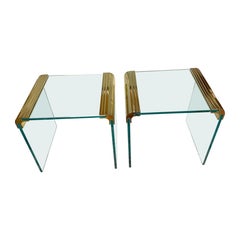
Vintage 1970s American Mid-Century Modern Side Tables
Brass
20th Century Italian Other Carts and Bar Carts
Brass, Steel
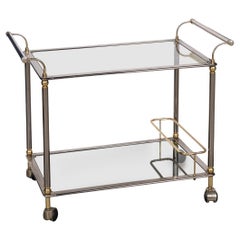
Mid-20th Century British Mid-Century Modern Dry Bars
Crystal
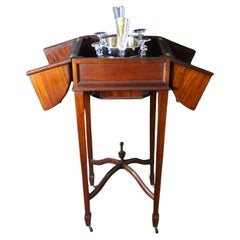
20th Century Spanish Art Deco Bottles
Crystal, Silver
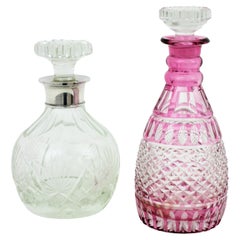
1990s Swedish Mid-Century Modern Vases
Art Glass

Early 20th Century English Art Deco Dry Bars
Metal
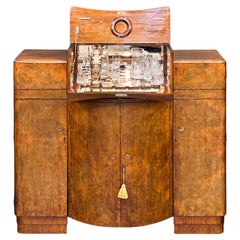
Mid-20th Century French Mid-Century Modern Serving Tables
Brass
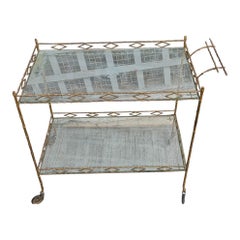
2010s European Figurative Sculptures
Murano Glass
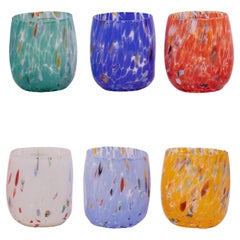
Early 20th Century American More Folk Art
Enamel
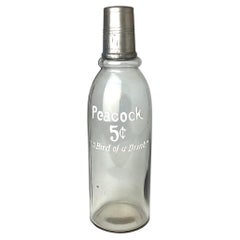
Vintage 1970s French Mid-Century Modern Coffee and Cocktail Tables
Metal, Aluminum
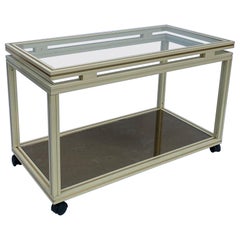
Vintage 1950s French Mid-Century Modern Carts and Bar Carts
Brass
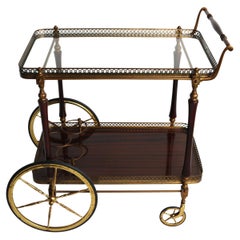
Mid-20th Century Italian Mid-Century Modern Carts and Bar Carts
Metal
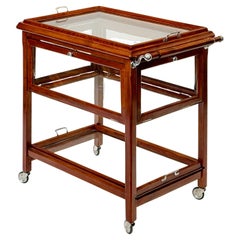
Vintage 1920s English Edwardian Carts and Bar Carts
Brass

Late 20th Century American Post-Modern Side Tables
Metal, Steel
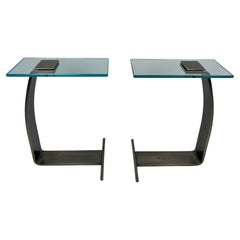
Vintage 1920s English Edwardian Carts and Bar Carts
Brass
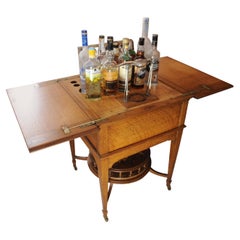
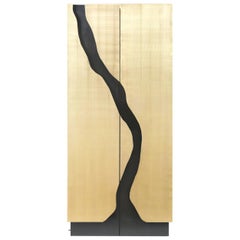
21st Century and Contemporary European Modern Cabinets
Brass
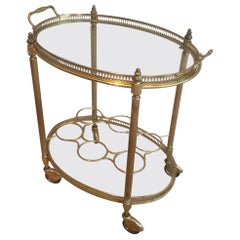
Vintage 1940s French Neoclassical Carts and Bar Carts
Brass
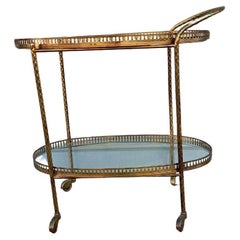
Mid-20th Century French Neoclassical Carts and Bar Carts
Brass
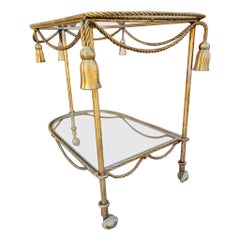
Late 20th Century Hollywood Regency Carts and Bar Carts
Metal
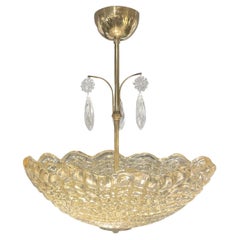
Mid-20th Century Swedish Mid-Century Modern Chandeliers and Pendants
Crystal, Metal, Brass
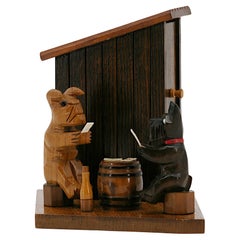
Vintage 1950s French Mid-Century Modern Cigar Boxes and Humidors
Metal
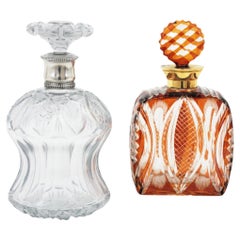
20th Century Spanish Art Deco Bottles
Crystal, Metal, Silver
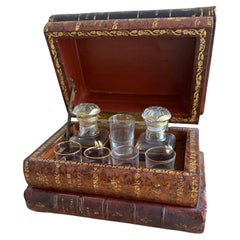
Early 20th Century French Empire Revival Decorative Boxes
Gold Leaf
Mid-20th Century French Mid-Century Modern Coffee and Cocktail Tables
Metal, Iron, Gold Leaf
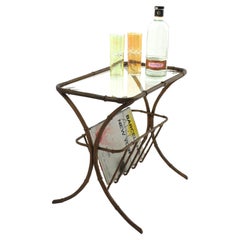
Mid-20th Century American Mid-Century Modern Coffee and Cocktail Tables
Brass
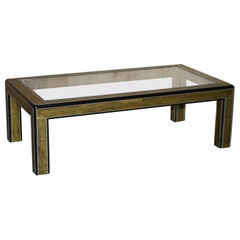
20th Century Italian Other Carts and Bar Carts
Glass, Teak
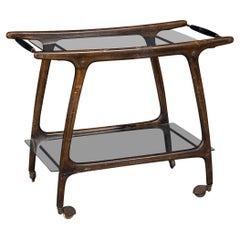
Mid-20th Century Swedish Mid-Century Modern Table Lamps
Metal, Chrome
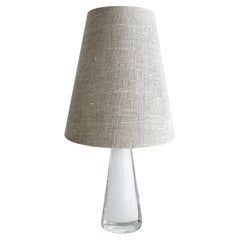
Vintage 1980s Swedish Mid-Century Modern Animal Sculptures
Art Glass
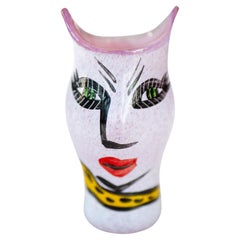
Early 20th Century European Arts and Crafts Carts and Bar Carts
Brass
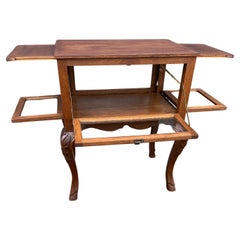
Mid-20th Century Scandinavian Mid-Century Modern Decorative Bowls
Art Glass
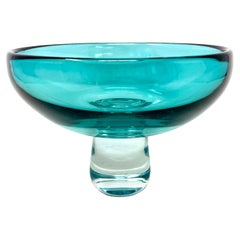
Vintage 1960s Swedish Mid-Century Modern Figurative Sculptures
Art Glass, Cut Glass
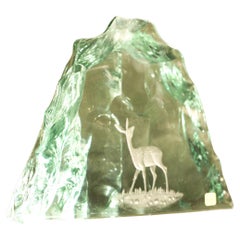
Vintage 1930s English Art Deco Carts and Bar Carts
Glass, Hardwood
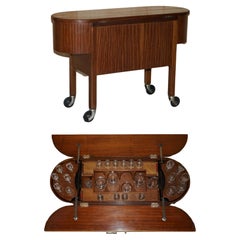
20th Century Italian Mid-Century Modern Carts and Bar Carts
Brass
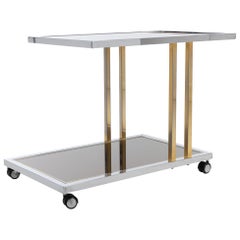
Vintage 1970s Italian Hollywood Regency Carts and Bar Carts
Metal
Mid-20th Century Swedish Mid-Century Modern Table Lamps
Glass, Cut Glass
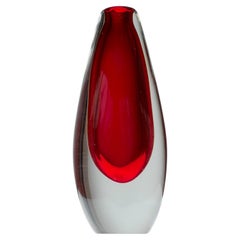
Vintage 1960s Swedish Scandinavian Modern Vases
Sommerso, Art Glass
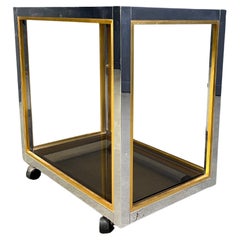
Vintage 1970s Italian Hollywood Regency Carts and Bar Carts
Brass, Chrome
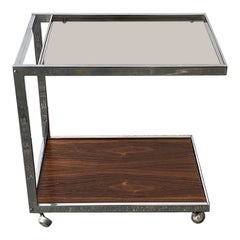
Mid-20th Century British Mid-Century Modern Carts and Bar Carts
Chrome
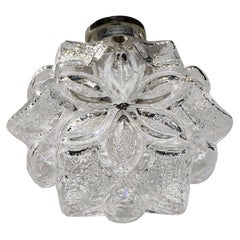
Mid-20th Century Swedish Mid-Century Modern Chandeliers and Pendants
Metal, Chrome
Vintage 1980s Swedish Scandinavian Modern Vases
Art Glass
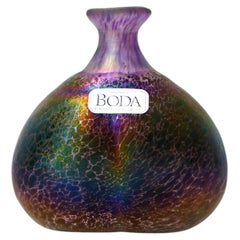
Vintage 1960s Swedish Mid-Century Modern Decorative Bowls
Blown Glass, Sommerso
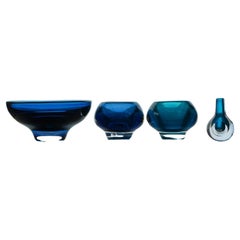
Mid-20th Century Swedish Mid-Century Modern Chandeliers and Pendants
Metal, Chrome
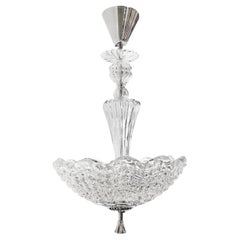
Late 20th Century Italian Mid-Century Modern Carts and Bar Carts
Brass
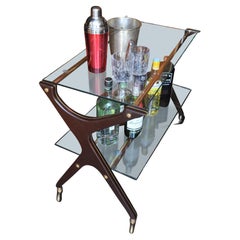
20th Century French Mid-Century Modern Carts and Bar Carts
Brass
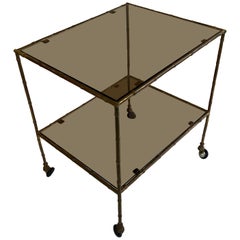
20th Century Spanish Hollywood Regency Coffee and Cocktail Tables
Iron, Gold Leaf, Metal, Wrought Iron
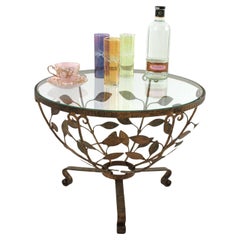
Late 20th Century Dutch Post-Modern Side Tables
Composition
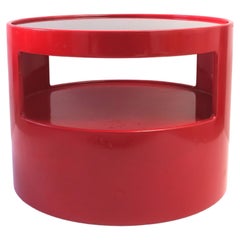
- 1
- ...
Glass Drinking Glasses For Sale on 1stDibs
How Much are Glass Drinking Glasses?
- 1stDibs ExpertSeptember 25, 2019
Acidic drinks like wine and citrus juices can leach lead from a crystal glass. However, unless the liquid is stored in the glass for more than a few hours, drinking it is generally safe.
- 1stDibs ExpertApril 5, 2022Drinking glasses from the Renaissance period went by a number of different names including: goblet, tazza, kronkasa, and more. The name depends on the region and what the drinking glass was filled with. On 1stDibs, find a collection of authentic Renaissance tableware from some of the world’s top sellers.
- 1stDibs ExpertApril 5, 2022New Versace drinking glasses are available through a number of authorized retailers. Check the brand’s website for more information on physical store locations and item availability. Contemporary Versace drinking glasses can also be found on 1stDibs from some of the world’s top sellers.
- 1stDibs ExpertApril 5, 2022Depression glass refers to any glass made during the period 1929-1939, and the Federal Glass Company was one of the most prolific makers of glass in America during that period. You can identify Federal Glassware by looking for the distinct shield with capital “F” stamped logo somewhere on the piece. Shop vintage Federal Glass on 1stDibs from some of the world’s top sellers.
- Is Tiffany glass real glass?1 Answer1stDibs ExpertOctober 7, 2024Yes, Tiffany glass is real glass. Louis Comfort Tiffany and his workshop, Tiffany Studios, produced many types of decorative glassware, such as opalescent glass, Favrile glass, streamer glass, fracture glass and ripple glass. While the colors, patterns, thicknesses and other characteristics of these materials vary, they are all forms of glass. Find a diverse assortment of antique Tiffany lamps on 1stDibs.
- 1stDibs ExpertApril 5, 2022No, cordial glasses are not the same as shot glasses. Typically, cordial glasses feature stems, while shot glasses do not. Normally, people use cordial glasses for serving liqueurs and dessert wines. Shot glasses are generally meant for hard spirits. Shop a range of antique and vintage glasses on 1stDibs.
- 1stDibs ExpertApril 5, 2022The difference between depression glass and carnival glass is color. Inspired by Tiffany stained glass, carnival glass usually shows off a variety of vibrant iridescent colors, while depression glass tends to feature only one color. Find a large selection of antique and vintage glassware on 1stDibs.
- 1stDibs ExpertOctober 5, 2021The difference between glass and crystal wine glasses is their composition. Mineral deposits like lead, magnesium or zinc strengthen crystal glass, rendering it thin but durable. On 1stDibs, you can find a variety of wine glasses and other glassware from different periods.
- 1stDibs ExpertApril 5, 2022The difference between stained glass and painted glass is how it is made. To create stained glass, an artisan adds pigments to the glass and then fires it at high temperatures to permanently change the appearance of the material. With painted glass, color is added after firing and may rub off or fade with age. You'll find a large selection of glass decorative objects on 1stDibs.
- 1stDibs ExpertSeptember 28, 2021There is no real difference between Venetian glass and Murano glass. While both Venetian glass and Murano glass come from Murano Island, Venice is a more popular location than Murano, hence it is called widely as Venetian glass. You can use both search terms to find the best piece for you on 1stDibs.
- 1stDibs ExpertNovember 20, 2024The difference between Tiffany glass and stained glass is that one relates to a brand and the other is a type of glass. Stained glass is colorful glass made by adding metallic oxides to molten glass during the blowing process. Named after Louis Comfort Tiffany who established Tiffany Studios, Tiffany glass involves a technique where copper foil, rather than the traditional lead oxide, serves as the joining material for individual stained glass pieces. Another key characteristic of Tiffany glass is that it often has an opalescent effect that creates variations in color and texture across its surface. On 1stDibs, shop a collection of Tiffany glass and other stained glass pieces.
- 1stDibs ExpertOctober 7, 2024The difference between Indiana glass and carnival glass is that one term describes glassware made by a specific manufacturer, and the other refers to a specific style of glassware. Carnival glass is glassware created by molding or pressing molten glass and then applying an iridescent finish that gives it a shimmering quality. Indiana glass is any glassware made by the Indiana Glass Company. Founded in 1907 in Dunkirk, Indiana, the company produced carnival glass as well as other types of glassware, including pressed, translucent Depression glass and enameled pressed Goofus glass. Find a wide variety of Indiana Glass Company glassware and other carnival glass on 1stDibs.
- 1stDibs ExpertApril 5, 2022A champagne glass, also known as a flute, is a tall and slender stemmed glass used for drinking champagne. A coupe glass is a wider and shorter stemmed glass that is also frequently used for serving champagne. The coupe glass can also be used for cocktails. Browse 1stDibs to find a beautiful array of champagne flutes and coupe glasses from top sellers.
- 1stDibs ExpertAugust 26, 2024The difference between a martini glass and a cocktail glass is the overall design. Used for serving martinis, cosmopolitans and other mixed drinks, martini glasses are typically larger than cocktail glasses and have conical bowls. Cocktail glasses are smaller by comparison and have a rounder shape. Also, nearly all martini glasses have stems, but cocktail glasses are available with and without stems. On 1stDibs, shop a selection of martini glasses and cocktail glasses.
- What is alexandrite glass?1 Answer1stDibs ExpertApril 5, 2022Alexandrite glass is a type of decorative glassware also called Neodymium glass. It has a natural purplish color that grows lighter or darker depending on lighting conditions. Sometimes, it even appears yellow or blue. On 1stDibs, find a selection of alexandrite glass.
- What is Sabino glass?1 Answer1stDibs ExpertMarch 15, 2024Sabino glass is the term for the opalescent vessels, figurines and lighting fixtures that Marius-Ernest Sabino produced in the 1920s and ’30s. Sabino was one of the French creators of art glass who helped make it a signature of Art Nouveau at the turn of the 20th century before pivoting to embrace the geometric style of Art Deco. Returning home following his service in World War I, Sabino founded a factory that manufactured light fixtures in wood and bronze, but he quickly switched his focus to glass as his experiments with the material yielded novel results. By 1925, he had developed an opalescent glass with an iridescence reminiscent of soap bubbles or peacock feathers. Many of his custom pieces are huge, such as the ones he created for the SS Île de France in 1927 and for the Grand Salon of the SS Normandie in 1935. On 1stDibs, explore a selection of Sabino art glass.
- What is black glass?1 Answer1stDibs ExpertFebruary 22, 2021Black glass is a color of glass achieved by adding manganese to the glass batch. Although named black glass, when held to light, black glass is more of a reddish-purple.
- What is a coupe glass?1 Answer1stDibs ExpertApril 5, 2022A coupe glass is a type of stemware used to serve champagne or cocktails that do not contain ice. It has a shallow wide bowl and a decorative stem pedestal base. Find a variety of antique and vintage coupe glasses on 1stDibs.
- What is a glass compote?1 Answer1stDibs ExpertAugust 17, 2021A glass compote is a kind of glassware designed to hold food. It usually features a shallow rimmed bowl atop a footed base. It may or may not include a lid.
- What is glass cullet?1 Answer1stDibs ExpertOctober 26, 2021Glass cullet is defined as recycled broken or scrap glass being used in the glassmaking process, and furnace-ready cullet is consistent in size, devoid of impurities, and often color-sorted. Cullet production is a type of glass recycling that saves a significant amount of energy and prevents the emission of harmful pollutants.