Glass Realism Painting
21st Century and Contemporary Abstract Impressionist Paintings
Oil, Board


21st Century and Contemporary Photorealist Still-life Paintings
Canvas, Oil
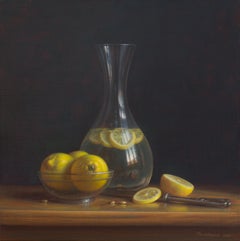
2010s Modern Figurative Paintings
Oil, Panel, Wood Panel
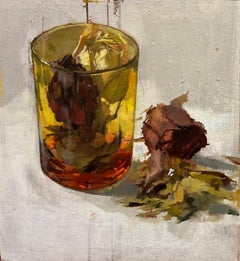
2010s Realist Paintings
Oil

Early 2000s Realist Still-life Paintings
Oil, Wood Panel
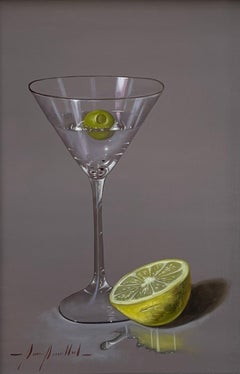
2010s Realist Paintings
Oil
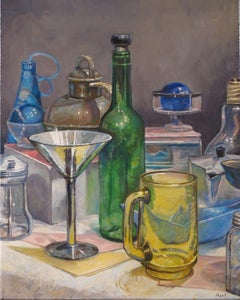
2010s Realist Paintings
Oil
2010s Realist Paintings
Oil
2010s Realist Paintings
Oil
2010s Realist Paintings
Oil
Recent Sales
21st Century and Contemporary Realist Still-life Paintings
Oil, Board
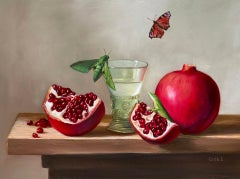
21st Century and Contemporary Realist Still-life Paintings
Oil, Board

2010s Realist Paintings
Oil
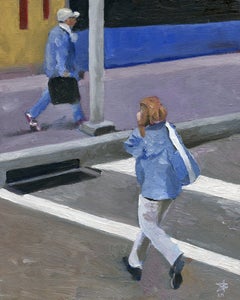
21st Century and Contemporary Realist Landscape Paintings
Oil, Board
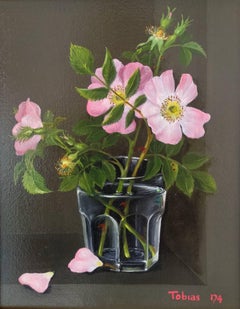
21st Century and Contemporary Realist Still-life Paintings
Canvas, Oil
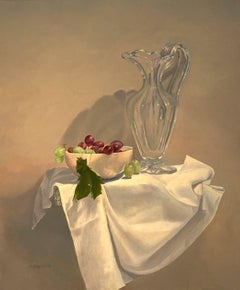
21st Century and Contemporary Realist Still-life Paintings
Oil, Board
21st Century and Contemporary Realist More Art
Oil, Board
2010s Realist Still-life Paintings
Canvas, Oil
People Also Browsed
Mid-20th Century Impressionist Figurative Paintings
Oil
1790s Old Masters Portrait Paintings
Canvas, Oil, Wood Panel

1860s Victorian Landscape Paintings
Oil

Early 1900s Old Masters Portrait Paintings
Oil, Canvas

17th Century Old Masters Portrait Paintings
Oil, Wood Panel

1740s Old Masters Portrait Paintings
Oil

18th Century Old Masters Figurative Paintings
Oil
17th Century Portrait Paintings
Oil

1980s Contemporary Figurative Prints
Lithograph

16th Century Old Masters Portrait Paintings
Oil, Panel

17th Century Old Masters Portrait Paintings
Parchment Paper, Oil, Wood Panel

17th Century Old Masters Portrait Paintings
Oil, Wood Panel

1890s Old Masters Figurative Paintings
Oil, Wood Panel

17th Century Old Masters Portrait Paintings
Canvas, Oil

15th Century and Earlier Renaissance Figurative Sculptures
Wood, Paint

1730s Realist Portrait Paintings
Canvas, Oil

Glass Realism Painting For Sale on 1stDibs
How Much is a Glass Realism Painting?
A Close Look at Realist Art
Realist art attempts to portray its subject matter without artifice. Similar to naturalism, authentic realist paintings and prints see an integration of true-to-life colors, meticulous detail and linear perspectives for accurate portrayals of the world.
Work that involves illusionistic techniques of realism dates back to the classical world, such as the deceptive trompe l’oeil used since ancient Greece. Art like this became especially popular in the 17th century when Dutch artists like Evert Collier painted objects that appeared real enough to touch. Realism as an artistic movement, however, usually refers to 19th-century French realist artists such as Honoré Daumier exploring social and political issues in biting lithographic prints, while the likes of Gustave Courbet and Jean-François Millet painting people — particularly the working class — with all their imperfections, navigating everyday urban life. This was a response to the dominant academic art tradition that favored grand paintings of myth and history.
By the turn of the 20th century, European artists, such as the Pre-Raphaelites, were experimenting with nearly photographic realism in their work, as seen in the attention to every botanical attribute of the flowers surrounding the drowned Ophelia painted by English artist John Everett Millais.
Although abstraction was the guiding style of 20th-century art, the realism trend in American modern art endured in Edward Hopper, Andrew Wyeth and other artists’ depictions of the complexities of the human experience. In the late 1960s, Photorealism emerged with artists like Chuck Close and Richard Estes giving their paintings the precision of a frame of film.
Contemporary artists such as Jordan Casteel, LaToya Ruby Frazier and Aliza Nisenbaum are now using the unvarnished realist approach for honest representations of people and their worlds. Alongside traditional mediums, technology such as virtual reality, artificial intelligence and immersive installations are helping artists create new sensations of realism in art.
Find authentic realist paintings, sculptures, prints and more art on 1stDibs.
Finding the Right Paintings for You
Painting is an art form that has spanned innumerable cultures, with artists using the medium to tell stories, explore and communicate ideas and express themselves. To bring abstract paintings, landscape paintings, still-life paintings and other original paintings into your home is to celebrate and share in the long tradition of this discipline.
When we look at paintings, particularly those that originated in the past, we learn about history, other cultures and countries of the world. Like every other work of art, paintings — whether they are contemporary creations or works that were made during the 19th century — can often help us clearly see and understand the world around us in a meaningful and interesting way.
Cave walls were the canvases for what were arguably the world’s first landscape paintings, which depict natural scenery through art. Portrait paintings and drawings, which, along with sculpture, were how someone’s appearance was recorded prior to the advent of photography, are at least as old as Ancient Egypt. In the Netherlands, landscapes were a major theme for painters as early as the 1500s. Later, artists in Greece, Rome and elsewhere created vast wall paintings to decorate stately homes, churches and tombs.
Today, creating a wall of art is a wonderful way to enhance your space, showcase beautiful pieces and tie an interior design together.
No matter your preference, whether you favor Post-Impressionist paintings, animal paintings, Surrealism, Pop art or another movement or specific period, arranging art on a blank wall allows you to evoke emotions in a room while also showing off your tastes and interests. A symmetrical wall arrangement may comprise a grid of four to six pieces or, for an odd number of works, a horizontal row. Asymmetrical arrangements, which may be small clusters of art or large, salon-style gallery walls, have a more collected and eclectic feel.
Download the 1stDibs app, which includes a handy “View on Wall” feature that allows you to see how a particular artwork will look on a particular wall, and read about how to arrange wall art. And if you’re searching for the perfect palette for your interior design project, what better place to turn than to the art world’s masters of color?
On 1stDibs, you’ll find an expansive collection of paintings and other fine art for your home or office. Browse abstract paintings, portrait paintings, paintings by emerging artists and more today.
- 1stDibs ExpertOctober 15, 2024The artist associated with Urban Realism and American Scene painting is Edward Hopper. Throughout the early 20th century, he created paintings of New York City that captured the feelings of isolation associated with urban life. His best-known works include Nighthawks, Automat, Chop Suey and Office at Night. On 1stDibs, shop a collection of Edward Hopper art.
- 1stDibs ExpertNovember 20, 2024One of the most famous Realism paintings made by Jean-François Millet is called The Gleaners. It depicts three peasant women working in a field. Millet produced the oil painting in 1857, and it is now part of the collections of the Musée d'Orsay in Paris, France. Other notable works by the French artist include The Angelus, Shepherdess with Her Flock and Man with a Hoe. On 1stDibs, explore a range of Jean-François Millet art.
- Can glass lampshades be painted?1 Answer1stDibs ExpertApril 5, 2022Yes, a glass lampshade can be painted. It’s best to use a paint that’s designed to be applied to glass and to use the instructions that are provided with that paint to get the best results. Shop a range of antique and modern glass lampshades on 1stDibs.
- Can a glass window be painted?1 Answer1stDibs ExpertApril 5, 2022Yes, you can paint a glass window. Certain types of paint are optimal for glass and include enamel acrylics, specially formulated solvent-based paints and acrylics specifically suited for glass. On 1stDibs, you can find a collection of painted glass windows from top sellers around the world.
- How do I reverse paint on glass?1 Answer1stDibs ExpertApril 5, 2022The first step in reverse glass painting is to select your design and to transfer it to a pane of glass. From there you can paint in your design. Once the paint is dry and set, you can proudly display your artwork from the unpainted side that will have no exposed paint and will be less prone to chipping.
- 1stDibs ExpertApril 5, 2022The difference between stained glass and painted glass is how it is made. To create stained glass, an artisan adds pigments to the glass and then fires it at high temperatures to permanently change the appearance of the material. With painted glass, color is added after firing and may rub off or fade with age. You'll find a large selection of glass decorative objects on 1stDibs.
- 1stDibs ExpertApril 5, 2022Windows that appear to be made of painted glass are called stained glass windows. Stained glass windows are made of glass that has been colored by mixing molten glass with metallic oxides. Shop a range of stained glass pieces from top sellers on 1stDibs.
- 1stDibs ExpertAugust 24, 2021Yes, you can paint a glass lamp shade. You can use glass paints or acrylic paint to give old glass fixtures an inexpensive makeover. You can also use stencils for added visual appeal. Find a variety of lamp shades on 1stDibs.
- 1stDibs ExpertApril 5, 2022The craft of painting enamel on glass is called enameling. Because regular paint would simply wash off glass, the artisan uses enamel and fires it into the glass once they have painted the design. Browse a range of enameled glass pieces on 1stDibs.
- 1stDibs ExpertApril 5, 2022Reverse painting on glass is called verre églomisé. The term gets its name from the 18th-century decorator Jean-Baptiste Glomy who became famous for his reverse-painted glass prints. On 1stDibs, you can shop a collection of verre églomisé furniture and jewelry.
- 1stDibs ExpertAugust 17, 2021Yes, it is safe to paint a glass lampshade as long as you are using glass-specific paint. One thing to note: If your lampshade is translucent (versus opaque), the paint color will look slightly different when you turn the lamp on.
- 1stDibs ExpertMay 30, 2024Technically, you can put a canvas painting in a glass frame. However, many experts advise against it. Paintings executed on canvas typically do not need the protection of glass, and a glass front on a frame can actually make it more difficult to admire the brushwork and fine details of a piece. On 1stDibs, explore a diverse assortment of paintings.