Gold Napoleon Iii Mirror
Antique 1880s Wall Mirrors
Bronze
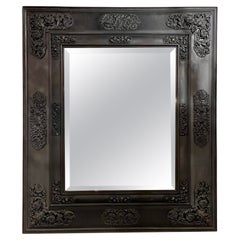
Antique Late 19th Century French Napoleon III Wall Mirrors
Gold Leaf
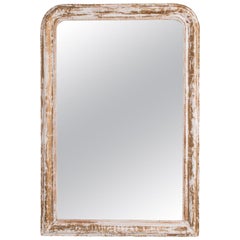
Antique 1880s French Napoleon III Wall Mirrors
Gold Leaf
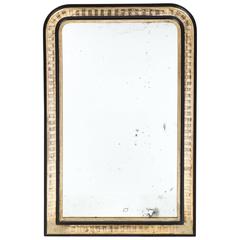
Antique Late 19th Century European Napoleon III Wall Mirrors
Gold Leaf
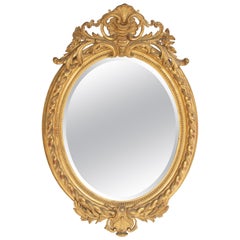
Antique 1880s French Napoleon III Wall Mirrors
Giltwood
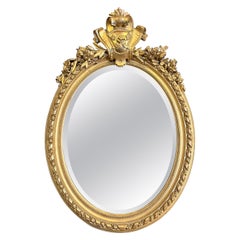
Antique 19th Century French Wall Mirrors
Gold Leaf
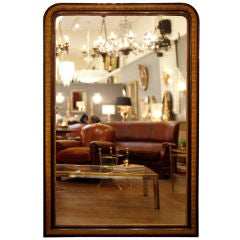
Antique Mid-19th Century French Napoleon III Wall Mirrors
Mercury Glass, Wood
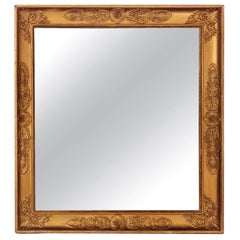
Antique 19th Century French Wall Mirrors
Gold Leaf
Antique 19th Century French Napoleon III Wall Mirrors
Gold Leaf
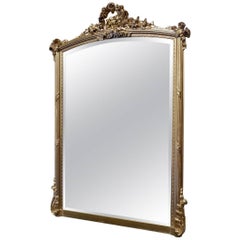
Antique 1880s Napoleon III Wall Mirrors
Mirror, Giltwood, Paint

Antique 1880s European Napoleon III Wall Mirrors
Composition, Gold Leaf


Antique Early 1900s European Napoleon III Wall Mirrors
Gold Leaf

Antique 1870s French Napoleon III Wall Mirrors
Wood
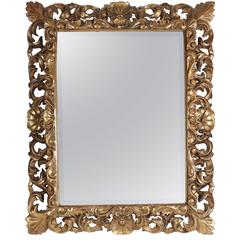
Antique Late 19th Century French Louis Philippe Wall Mirrors
Mirror, Giltwood
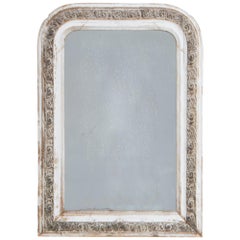
Antique 19th Century French Napoleon III Table Mirrors
Bronze
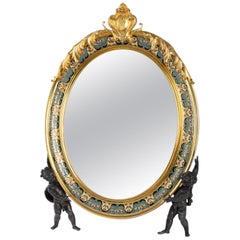
Antique 19th Century French Napoleon III Pier Mirrors and Console Mirrors
Gold Leaf
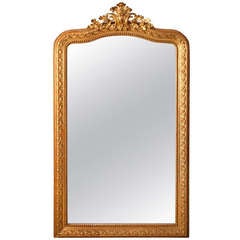
Antique 1880s French Napoleon III Wall Mirrors
Crystal, Gold Leaf
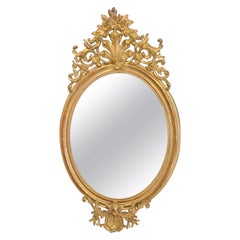
Antique 19th Century French Napoleon III Table Mirrors
Bronze
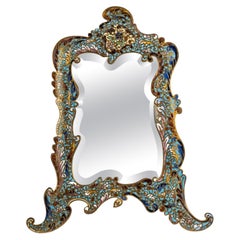
Antique 19th Century French Napoleon III Table Mirrors
Bronze
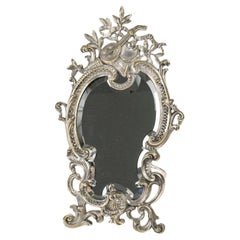
Antique Late 19th Century French Napoleon III Wall Mirrors
Glass, Mirror, Wood, Paint
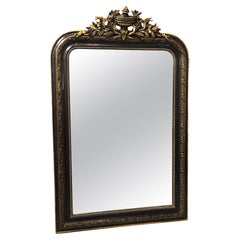
Antique 1870s French Napoleon III Mantel Mirrors and Fireplace Mirrors
Mirror
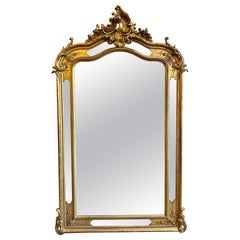
Antique 19th Century French Napoleon III Wall Mirrors
Gold Leaf
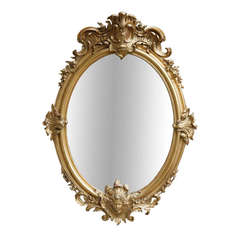
Antique 19th Century French More Mirrors
Gold Leaf
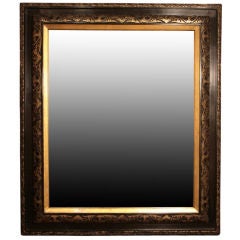
Antique Mid-19th Century French Napoleon III Wall Mirrors
Gold Leaf
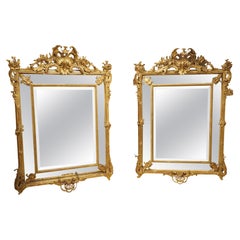
Antique 19th Century French Wall Mirrors
Gold Leaf
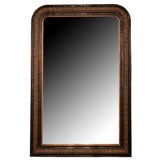
Antique 1880s French Napoleon III Wall Mirrors
Crystal, Gold Leaf
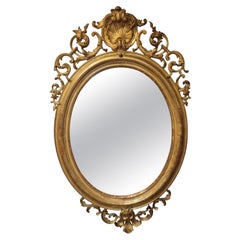
Antique 1860s French Napoleon III Wall Mirrors
Gold
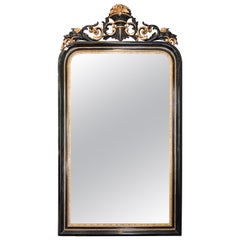
Antique 19th Century French Napoleon III Table Mirrors
Bronze

Antique 1870s French Napoleon III Table Mirrors
Onyx, Bronze
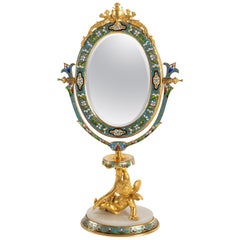
Antique Mid-19th Century French Napoleon III Mantel Mirrors and Fireplac...
Mirror, Giltwood

Antique Late 19th Century Austrian Napoleon III Wall Mirrors
Wood
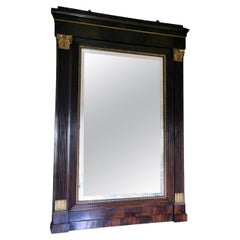
Antique 1870s French Napoleon III Wall Mirrors
Gold Leaf
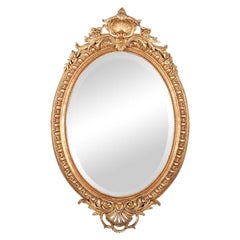
Antique 19th Century French Wall Mirrors
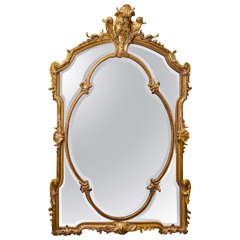
Antique 19th Century French Napoleon III Wall Mirrors
Bronze
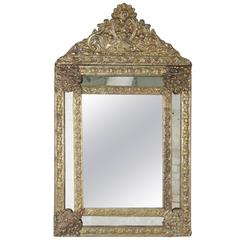
Antique 1880s French Rococo Wall Mirrors
Wood
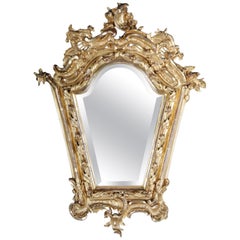
Antique 1880s French Napoleon III Wall Mirrors
Mercury Glass, Stucco, Wood
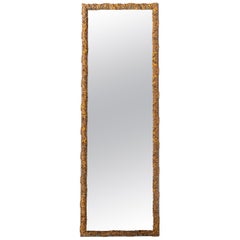
Antique Late 19th Century French Napoleon III Table Mirrors
Bronze
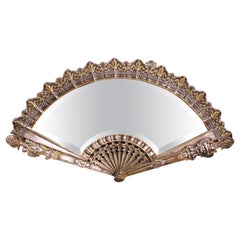
Antique 1880s French Napoleon III Wall Mirrors
Gold
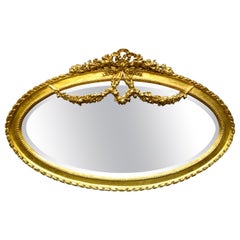
Antique Late 19th Century French Floor Mirrors and Full-Length Mirrors
Mirror, Wood
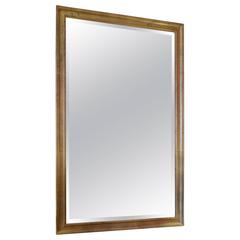
Antique 19th Century French Second Empire Floor Mirrors and Full-Length ...
Gold Leaf
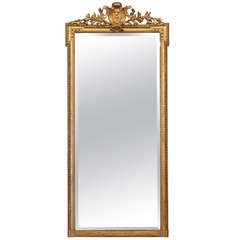
Antique 1870s French Louis XV Pier Mirrors and Console Mirrors
Gold Leaf
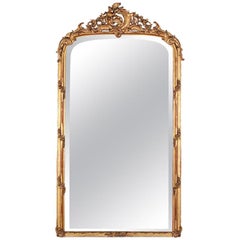
Antique 19th Century French Louis XVI Wall Mirrors
Gold Leaf
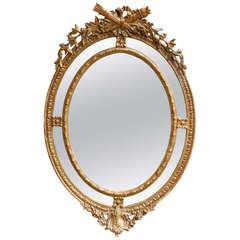
Antique 1890s French Napoleon III Wall Mirrors
Gold Leaf

Antique Late 19th Century French Napoleon III Wall Mirrors
Gold Leaf
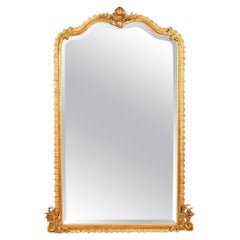
Antique Late 19th Century French Napoleon III Wall Mirrors
Gold Leaf
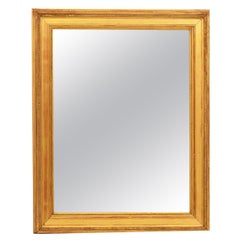
Antique Late 19th Century French Napoleon III Wall Mirrors
Gold Leaf
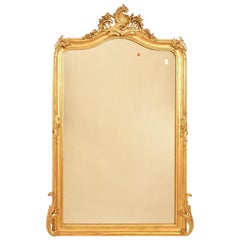
Antique Mid-19th Century French Napoleon III Wall Mirrors
Gold Leaf
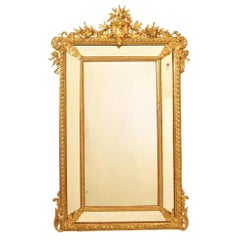
Antique 19th Century French Napoleon III Trumeau Mirrors
Wood
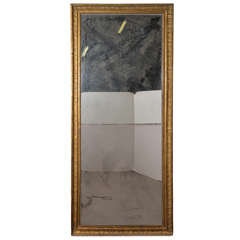
Antique 19th Century French Napoleon III Wall Mirrors

Antique 19th Century French Napoleon III Convex Mirrors
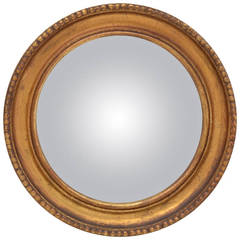
Antique Mid-19th Century French Napoleon III Wall Mirrors
Gold Leaf
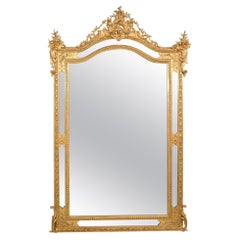
Antique 1880s French Napoleon III Wall Mirrors
Mirror, Wood
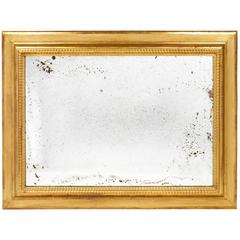
Antique 19th Century French Napoleon III Wall Mirrors
Gesso

Antique 1880s French Napoleon III Wall Mirrors
Mirror
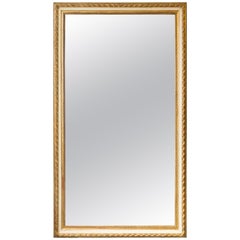
Antique 1870s European Napoleon III More Mirrors
Bronze
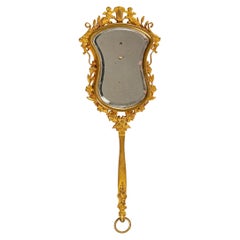
Antique Late 19th Century French Napoleon III Table Mirrors
Bronze
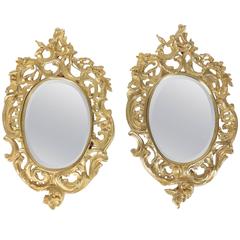
Antique 19th Century French Napoleon III More Mirrors
Bronze
- 1
Gold Napoleon Iii Mirror For Sale on 1stDibs
How Much is a Gold Napoleon Iii Mirror?
A Close Look at Napoleon-iii Furniture
Under Napoleon III’s rule, Paris underwent a great rebuilding overseen by Baron Georges-Eugène Haussmann, which created grand avenues and lavish landmarks like the Paris Opera. Antique Napoleon III–style furniture was flamboyant and eclectic. It was also known as Second Empire style since it followed and referenced the Empire style of his uncle Napoleon I.
Developing from 1852–70, Napoleon III furniture was plush and ornate, matching the fashion for masked balls and socializing in salons. It borrowed freely from earlier French styles including Louis XIV, Louis XV and Louis XVI as well as aesthetics from around the world, from antiquity to Asian art. As writer Gustave Claudin remarked in 1867, the country’s architects worked in “a style which one would be tempted to call neo-Greco-Gothico-Pompadour-Pompeian.”
Napoleon III chairs were completely covered with velvet and lined with tassels; pouf footstools invited people to put up their feet. Sofas were upholstered with tapestries, and beds were adorned with gilt bronze and theatrical canopies. The addition of conservatories to homes led to new indoor-outdoor furniture, while the spirit of hygiene promoted by Baron Haussmann inspired bright, floral motifs.
Although the most ostentatious designs were for the elite, as seen in the Napoleon III apartments preserved in the Louvre, where red velvet, gilding and chandeliers create a cacophony of luxury, these trends influenced homes across classes as manufacturing made design increasingly accessible. Papier-mâché furniture allowed for elaborate shapes that would have been difficult to carve in wood. The malleable material was painted with chinoiserie patterns and decorative designs. It was mass-produced by factories such as Jennens and Bettridge with varnishing and mother-of-pearl inlays creating an effect reminiscent of Asian lacquer. (Surfaces that had been “japanned” — a specialty of Jennens and Bettridge — were intended to resemble lacquer work that was created in East Asia.)
Find a collection of antique Napoleon III decorative objects, tables, seating and other furniture on 1stDibs.
Finding the Right Mirrors for You
The road from early innovations in reflective glass to the alluring antique and vintage mirrors in trendy modern interiors has been a long one but we’re reminded of the journey everywhere we look.
In many respects, wall mirrors, floor mirrors and full-length mirrors are to interior design what jeans are to dressing. Exceedingly versatile. Universally flattering. Unobtrusively elegant. And while all mirrors are not created equal, even in their most elaborate incarnation, they're still the heavy lifters of interior design, visually enlarging and illuminating any space.
We’ve come a great distance from the polished stone that served as mirrors in Central America thousands of years ago or the copper mirrors of Mesopotamia before that. Today’s coveted glass Venetian mirrors, which should be cleaned with a solution of white vinegar and water, were likely produced in Italy beginning in the 1500s, while antique mirrors originating during the 19th century can add the rustic farmhouse feel to your mudroom that you didn’t know you needed.
By the early 20th century, experiments with various alloys allowed for mirrors to be made inexpensively. The geometric shapes and beveled edges that characterize mirrors crafted in the Art Deco style of the 1920s can bring pizzazz to your entryway, while an ornate LaBarge mirror made in the Hollywood Regency style makes a statement in any bedroom. Friedman Brothers is a particularly popular manufacturer known for decorative round and rectangular framed mirrors designed in the Rococo, Louis XVI and other styles, including dramatic wall mirrors framed in gold faux bamboo that bear the hallmarks of Asian design.
Perhaps unsurprisingly, mid-century modernism continues to influence the design of contemporary mirrors. Today’s simple yet chic mantel mirror frames, for example, often neutral in color, owe to the understated mirror designs introduced in the postwar era.
Sculptor and furniture maker Paul Evans had been making collage-style cabinets since at least the late 1950s when he designed his Patchwork mirror — part of a series that yielded expressive works of combined brass, copper and pewter — for Directional Furniture during the mid-1960s. Several books celebrating Evans’s work were published beginning in the early 2000s, as his unconventional furniture has been enjoying a moment not unlike the resurgence that the Ultrafragola mirror is seeing. Designed by the Memphis Group’s Ettore Sottsass in 1970, the Ultrafragola mirror, in all its sensuous acrylic splendor, has become somewhat of a star thanks to much-lauded appearances in shelter magazines and on social media.
On 1stDibs, we have a broad selection of vintage and antique mirrors and tips on how to style your contemporary mirror too.