Green Gold Imari
Recent Sales
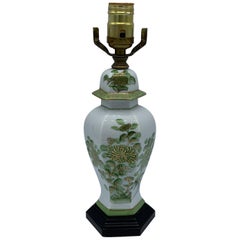
20th Century Chinoiserie Table Lamps
Porcelain

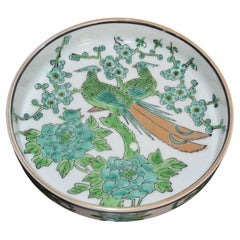
Mid-20th Century American Chinoiserie Decorative Bowls
Gold Leaf
21st Century and Contemporary Japanese Meiji Vases
Gold
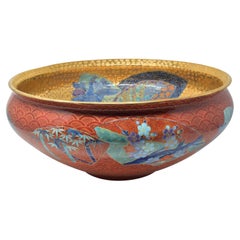
20th Century Asian Chinoiserie Decorative Bowls
Porcelain
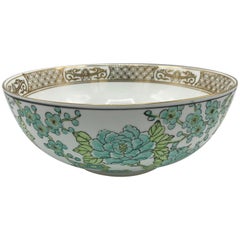
20th Century Chinoiserie Decorative Bowls
Porcelain
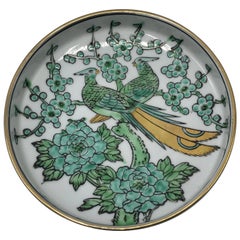
20th Century Chinoiserie Decorative Bowls
Porcelain
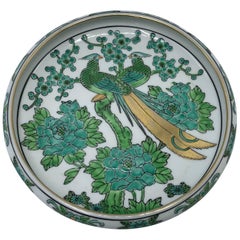
20th Century Chinoiserie Decorative Bowls
Porcelain
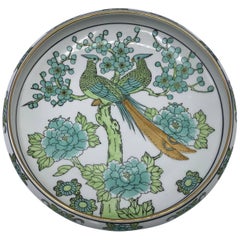
20th Century Chinoiserie Decorative Bowls
Porcelain
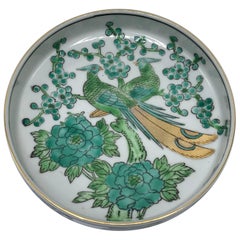
20th Century Chinoiserie Planters, Cachepots and Jardinières
Porcelain
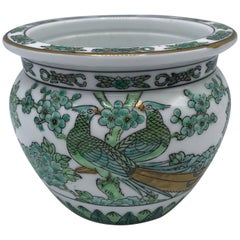
20th Century Japanese Chinoiserie Decorative Dishes and Vide-Poche
Porcelain
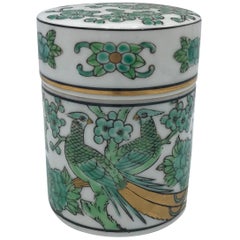
20th Century Chinoiserie Jars
Porcelain
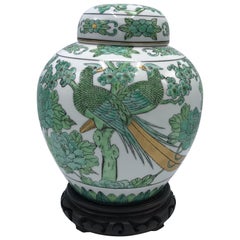
Green Gold Imari For Sale on 1stDibs
How Much is a Green Gold Imari?
A Close Look at Chinoiserie Furniture
Emerging in the 17th century, chinoiserie appropriated the aesthetics and imagery of popular East Asian design for European-made versions. Reflecting the exoticization of China, Japan and other countries in this era, the word directly translates from French to “Chinese-esque,” which reveals its shortcomings as a style of furniture and decor that often stereotypically and reductively mimics Asian culture rather than showcasing and paying tribute to its artistic traditions.
The enthusiastically decorative chinoiserie style was propelled by influential tastemakers including French King Louis XIV, whose Trianon de Porcelaine in 1670 was inspired by Chinese architecture. Expanded trade between the East and West led to a demand for porcelain, lacquer objects, silk and other goods, which further informed the fanciful furniture being crafted in Europe.
Artisans working in the chinoiserie style used materials and elements like pagoda shapes, bamboo, lacquer surfaces, bird and flower motifs and other interpretations of Asian design on pieces that were frequently set against vibrant wallcoverings. This whimsical approach yielded chinoiserie furniture that boasted dramatic flourishes drawing on the natural world and reflected the dominance of Rococo during the 18th century.
As chinoiserie was shaped by approximations of Asian design by European creators, it had regional variations, such as Chinese Chippendale in England where cabinets, chairs and tea tables had wooden fretwork designs and “japanned” surfaces intended to resemble lacquer work that was created in East Asia. In North America, furniture makers in Boston and New York integrated chinoiserie-painted scenes into Queen Anne furniture.
Antique chinoiserie furniture has continued to be fashionable, from its popularity with decorators of the Hollywood Regency era — James Mont, Tommi Parzinger, William Haines and Samuel Marx favored the style — to contemporary interior designers, although it brings with it a complex history.
Find a collection of chinoiserie bedroom furniture, cabinets, decorative objects and more on 1stDibs.
Finding the Right Decorative-objects for You
Every time you move into a house or an apartment — or endeavor to refresh the home you’ve lived in for years — life for that space begins anew. The right home accent, be it the simple placement of a decorative bowl on a shelf or a ceramic vase for fresh flowers, can transform an area from drab to spectacular. But with so many materials and items to choose from, it’s easy to get lost in the process. The key to styling with antique and vintage decorative objects is to work toward making a happy home that best reflects your personal style.
Ceramics are a versatile addition to any home. If you’ve amassed an assortment of functional pottery over the years, think of your mugs and salad bowls as decorative objects, ideal for displaying in a glass cabinet. Vintage ceramic serveware can pop along white open shelving in your dining area, while large stoneware pitchers paired with woven baskets or quilts in an open cupboard can introduce a rustic farmhouse-style element to your den.
Translucent decorative boxes or bowls made of an acrylic plastic called Lucite — a game changer in furniture that’s easy to clean and lasts long — are modern accents that are neutral enough to dress up a coffee table or desktop without cluttering it. If you’re showcasing pieces from the past, a vintage jewelry box for displaying your treasures can spark conversation: Where is the jewelry box from? Is there a story behind it?
Abstract sculptures or an antique vessel for your home library can draw attention to your book collection and add narrative charm to the most appropriate of corners. There’s more than one way to style your bookcases, and decorative objects add a provocative dynamic. “I love magnifying glasses,” says Alex Assouline, global vice president of luxury publisher Assouline, of adding one’s cherished objects to a home library. “They are both useful and decorative. Objects really elevate libraries and can also make them more personal.”
To help with personalizing your space and truly making it your own, find an extraordinary collection of decorative objects on 1stDibs.
- Is green gold real gold?1 Answer1stDibs ExpertApril 5, 2022While green gold is indeed real gold, it does have to be mixed with another material to achieve the color. Generally, yellow gold is used with an alloy of pure silver to create green gold. The effect is also subtle and may not be noticeable unless compared with another color of gold. Shop a selection of green gold pieces from some of the world’s top sellers on 1stDibs.
- What is 18K green gold?1 Answer1stDibs ExpertApril 5, 202218K green gold is an alloy created by mixing silver, copper and zinc with normal gold. 18K green gold is greener than 14K green gold. On 1stDibs, shop a wide collection of genuine 18K green gold from some of the world's top sellers.
- Does 18K gold go green?1 Answer1stDibs ExpertMarch 22, 2022Yes, 18-karat gold can turn green in some circumstances. This type of gold is about 75 percent genuine gold and 25 percent alloy, and the other metal or metals used to produce it may react negatively to acidic substances. When this occurs, 18-karat gold may take on a greenish hue. On 1stDibs, shop a large selection of gold jewelry.