Gustav Oppel
Vintage 1920s Figurative Sculptures
Porcelain
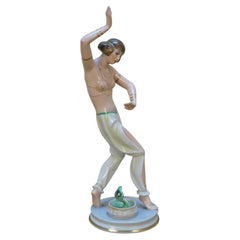

Mid-20th Century German Art Deco Figurative Sculptures
Porcelain
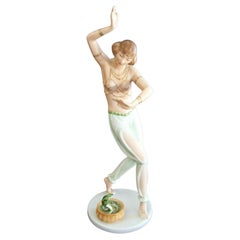
Recent Sales
Mid-20th Century German Art Deco Figurative Sculptures
Porcelain
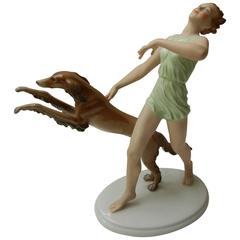
Vintage 1930s German Art Deco Figurative Sculptures
Porcelain, Paint
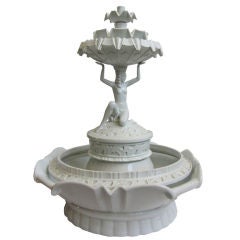
20th Century German Fountains
Porcelain
People Also Browsed
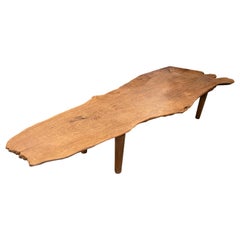
2010s Organic Modern Coffee and Cocktail Tables
Wood, Teak, Reclaimed Wood
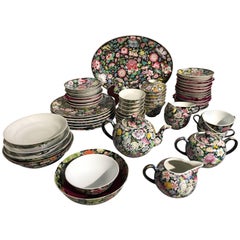
Mid-20th Century Chinese Qing Porcelain
Porcelain
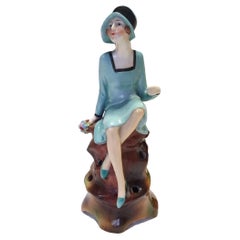
Mid-20th Century German Art Deco Ceramics
Porcelain
Vintage 1930s Austrian Art Deco Ceramics
Ceramic
2010s Canadian Organic Modern Coffee and Cocktail Tables
Wood, Walnut, Zebra Wood
Vintage 1920s Austrian Art Deco Ceramics
Ceramic
Late 20th Century French Art Deco Tapestries
Wool
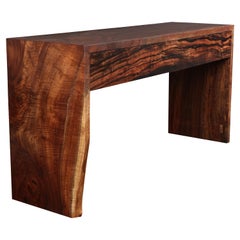
2010s Canadian Organic Modern Console Tables
Wood, Ebony, Maple, Walnut
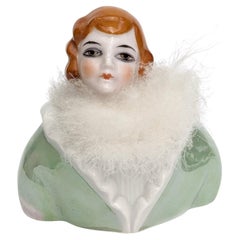
Mid-20th Century German Art Deco Jars
Porcelain
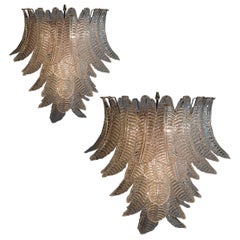
Vintage 1970s Italian Chandeliers and Pendants
Murano Glass
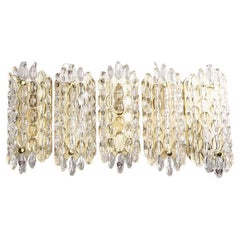
Mid-20th Century Swedish Mid-Century Modern Wall Lights and Sconces
Brass
21st Century and Contemporary Japanese Meiji Porcelain
Gold
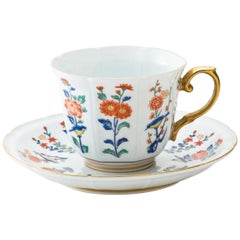
Mid-20th Century German Art Deco Ceramics
Porcelain
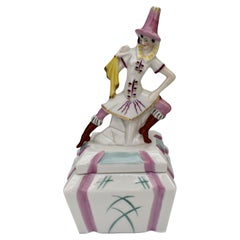
Vintage 1940s American Art Deco Decorative Art
Ceramic, Wood
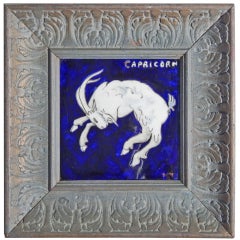
Vintage 1920s Italian Art Deco Figurative Sculptures
Bronze, Copper, Iron
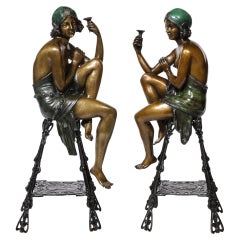
2010s Italian Porcelain
Porcelain
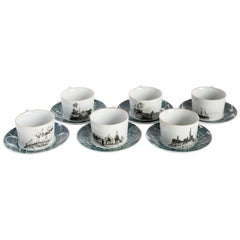
Rosenthal for sale on 1stDibs
While the Rosenthal Porcelain Factory grew from humble decorating roots — as many pottery companies do — it eventually built a list of universally revered designer and artist partners that included Andy Warhol and Salvador Dalí. And after securing an enviable position as a top manufacturer of serveware and dominating the porcelain and bone china markets, Rosenthal expanded into furniture production, working with influential designers Verner Panton, Luigi Colani and Günther Ferdinand Ris and Herbert Selldorf.
German-born Jewish businessman Philipp Rosenthal founded the company in 1879 in Bavaria. It began as his modest workshop where he painted porcelain and encountered success with porcelain ashtrays. Rosenthal hired the best designers and clay modelers he could find. Adolf Oppel designed figurative Art Nouveau pieces, while Eleonore (Lore) Friedrich-Gronau produced decorative objects, namely her graceful porcelain dancer figurines, for the company.
Dinnerware, though, would be a Rosenthal mainstay. Between 1904 and 1910, Rosenthal produced its renowned dinnerware lines such as Donatello, Darmstadt and Isolde. These were introduced as unornamented white pieces — only later were they given their underglaze designs.
Rosenthal founder Philipp, a Catholic of Jewish ancestry, resigned in 1934 as the company’s president due to pressures owing to discriminatory German laws that took shape during the rise of the Nazi regime. Rosenthal died in 1937, and the family fled to America. The company would not regain its footing until 1950 when Rosenthal’s son, Philip, joined the firm and, in 1958, became chairman and dubbed Germany’s “China King.” At its peak, the company had 10,000 employees.
In the 1950s, Rosenthal’s modernist dinnerware was a significant part of the brand’s offerings, and by 1961 they introduced the famed Rosenthal Studio Line. Although furniture designers and ceramicists would lead the list of individuals working with Rosenthal — among them Tapio Wirkkala, Max Weber and Lisa Larson — the company eventually reached out to fine artists, not only Dalí and Warhol but Sandro Chia and Kenny Scharf. Rosenthal also collaborated with fashion designers Gianni Versace and Donatella Versace.
In a daring move in 1972, the company diversified into furniture, collaborating with some of the giants of mid-century modern design. The revolutionary Sunball chair, an icon of Space Age seating crafted by Selldorf and Ris, was among Rosenthal’s stellar successes in this venture.
On 1stDibs, find vintage Rosenthal ceramics, porcelain, tableware, seating and more.
Finding the Right Figurative-sculptures for You
Figurative sculpture is a modern art form in which artists create work that is typically representative of the visible world. However, sculptures that are considered to be figurative in style can definitely be inclusive of abstract elements. A wide range of antique, new and vintage figurative sculptures has been made over the years by both well-known and emerging artists, and these pieces can prove striking and provocative as part of your home decor.
Realistic representation in visual art has a very long history. And while figurative artists, whether figurative painters or sculptors, find inspiration in humans, animals and real-life objects, good figurative sculptures can make us think differently about how the real world should look. Just as figurative paintings might include Photorealistic human likenesses, they can also include elements of Surrealism and can suggest a creative and alternative reality. Figurative sculptures aren’t always realistic impressions of our world — depictions of the human form in classical Greek sculpture, for example, might emphasize beauty and physical perfection.
There are a variety of figurative sculptures on 1stDibs created by artists working in a number of styles, including Art Deco, Art Nouveau, mid-century modern and more. A large figurative sculpture can introduce an excellent focal point in a guest bedroom, while smaller works might draw the eye to spaces such as wall shelving or a bookcase that people may otherwise overlook.
When decorating your living room, dining room, home office and study areas with figurative sculptures, don’t be afraid to choose bold colors to inject brightness into neutral spaces. Texture is another factor to consider when purchasing figurative sculptures. A highly textural work of ceramics or wood will catch the eye in a sleek modern space, whereas a smooth, flat glass sculpture can offer an often much-needed contrast in a room that already has many textures.
On 1stDibs, find antique, new or vintage figurative sculpture or other kinds of sculpture for your home decor today.