Hatcher Junk
Antique 17th Century Chinese Ming Vases
Porcelain
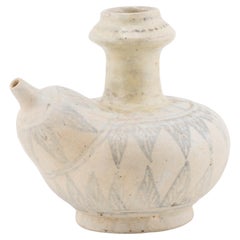
Antique 17th Century Chinese Ming Planters, Cachepots and Jardinières
Porcelain
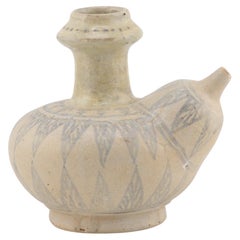

Recent Sales
Antique 1640s Asian Ming Porcelain
Porcelain
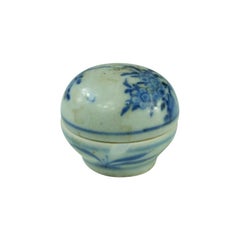
Antique Mid-17th Century Chinese Ming Ceramics
Porcelain
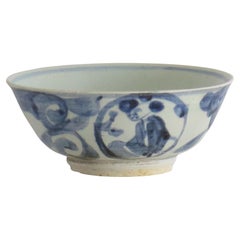
Antique 17th Century Chinese Ming Planters, Cachepots and Jardinières
Porcelain
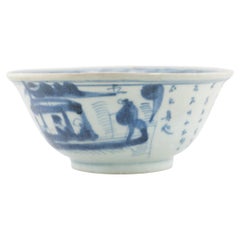
Antique 17th Century Ming Serving Bowls
Porcelain
Antique 17th Century Chinese Ming Planters, Cachepots and Jardinières
Porcelain
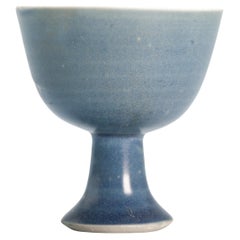
Antique 17th Century Chinese Ming Planters, Cachepots and Jardinières
Porcelain
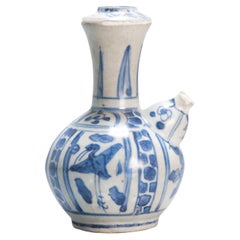
Antique 17th Century Chinese Ming Planters, Cachepots and Jardinières
Porcelain
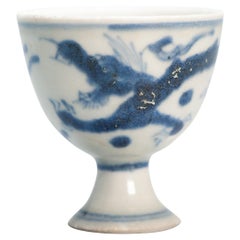
Antique 17th Century Chinese Ming Planters, Cachepots and Jardinières
Porcelain
People Also Browsed
17th Century Baroque Portrait Paintings
Oil, Canvas
Vintage 1960s American Mid-Century Modern Patio and Garden Furniture
Iron
Antique 19th Century English British Colonial Bergere Chairs
Wood
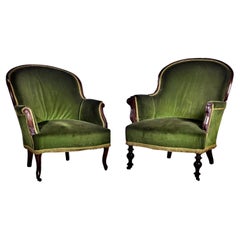
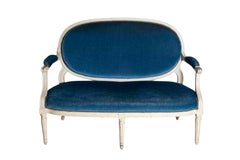
Antique 19th Century French Louis XVI Loveseats
Velvet, Wood
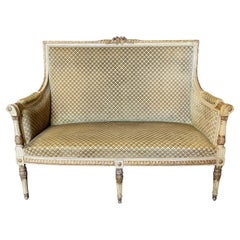
Antique 18th Century French Louis XVI Canapes
Upholstery, Beech
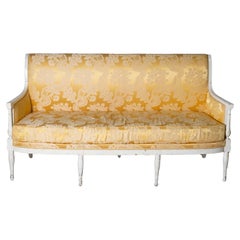
Antique Late 19th Century French Belle Époque Dressers
Bronze, Ormolu
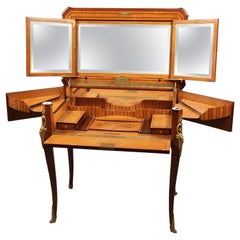
Antique 18th Century French Neoclassical Canapes
Upholstery, Beech, Paint
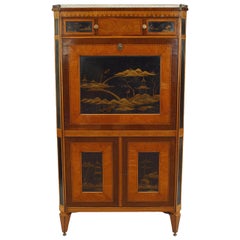
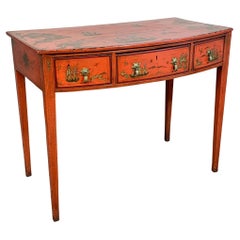
Antique Late 18th Century European Chinoiserie Desks and Writing Tables
Brass
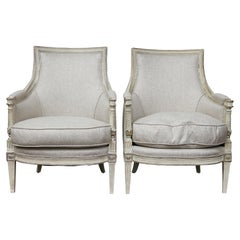
Antique 19th Century French Directoire Bergere Chairs
Upholstery, Wood
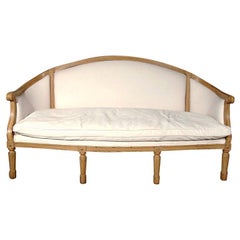
Antique Late 18th Century French Louis XVI Canapes
Upholstery, Wood
Antique 1780s English George III Desks and Writing Tables
Wood
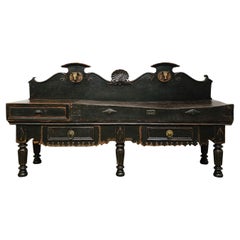
Antique 19th Century French Butcher Blocks
Beech
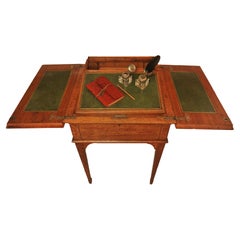
Vintage 1920s English Edwardian Desks and Writing Tables
Mahogany, Leather, Oak
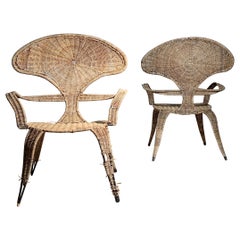
Mid-20th Century American Mid-Century Modern Side Chairs
Wicker
17th Century Baroque Figurative Paintings
Oil
17th Century Baroque Landscape Paintings
Canvas, Oil

A Close Look at Ming Furniture
In what’s considered a golden age of Chinese furniture, Ming dynasty artisans produced expertly made designs that married elegance and function. Ming furniture was versatile, such as tables that doubled as writing desks and dining spaces. But it was also beautiful, enhancing a room with clean lines, soft curves and sophisticated decoration.
Dating from 1368 to 1644, the Ming dynasty was a vibrant time for international trade and culture. Especially for scholars and the wealthy, there was an emphasis on a home’s design to promote a good life. From large wardrobes to angular sofas, Ming-style furniture was defined by its joinery, which, instead of nails, involved meticulously designed interlocking elements of wood. This material was carefully selected and positioned to make the grain part of the design. The slow-growing huanghuali, a yellowish rosewood, was particularly valued for its bright color.
Although ornamentation was minimal, Ming dynasty furniture often featured carved or painted details of flowers, insects, dragons, fruits and other motifs. Chairs crafted for scholars could include calligraphic brush writing. As overseas trade expanded, techniques from the West, like cloisonné enamel painting, adorned table screens and other pieces.
Ming furniture influenced styles abroad such as Queen Anne in England and Hollywood Regency in the United States. The curved shape of Ming armchairs had a profound impact on legendary Scandinavian modernist furniture designer Hans Wegner. The Danish cabinetmaker shared the Ming artisans’ interest in creating streamlined, functional furnishings, and his China chair, Round chair and Wishbone chair are inspired by Ming dynasty seating. Today, the Ming-style horseshoe chair is a graceful and sought-after type of seat, and contemporary Chinese designers such as Jerry Chen and Gan Erke are also drawing on this heritage for a new era of style.
Find a collection of Ming cabinets, decorative objects, lounge chairs and other furniture on 1stDibs.
Finding the Right Decorative-objects for You
Every time you move into a house or an apartment — or endeavor to refresh the home you’ve lived in for years — life for that space begins anew. The right home accent, be it the simple placement of a decorative bowl on a shelf or a ceramic vase for fresh flowers, can transform an area from drab to spectacular. But with so many materials and items to choose from, it’s easy to get lost in the process. The key to styling with antique and vintage decorative objects is to work toward making a happy home that best reflects your personal style.
Ceramics are a versatile addition to any home. If you’ve amassed an assortment of functional pottery over the years, think of your mugs and salad bowls as decorative objects, ideal for displaying in a glass cabinet. Vintage ceramic serveware can pop along white open shelving in your dining area, while large stoneware pitchers paired with woven baskets or quilts in an open cupboard can introduce a rustic farmhouse-style element to your den.
Translucent decorative boxes or bowls made of an acrylic plastic called Lucite — a game changer in furniture that’s easy to clean and lasts long — are modern accents that are neutral enough to dress up a coffee table or desktop without cluttering it. If you’re showcasing pieces from the past, a vintage jewelry box for displaying your treasures can spark conversation: Where is the jewelry box from? Is there a story behind it?
Abstract sculptures or an antique vessel for your home library can draw attention to your book collection and add narrative charm to the most appropriate of corners. There’s more than one way to style your bookcases, and decorative objects add a provocative dynamic. “I love magnifying glasses,” says Alex Assouline, global vice president of luxury publisher Assouline, of adding one’s cherished objects to a home library. “They are both useful and decorative. Objects really elevate libraries and can also make them more personal.”
To help with personalizing your space and truly making it your own, find an extraordinary collection of decorative objects on 1stDibs.