Heywood Wakefield Rocking Chair
Antique Late 19th Century Unknown Victorian Rocking Chairs
Wicker
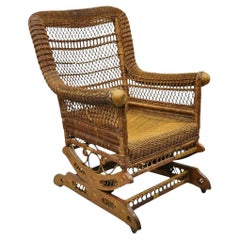

Antique Mid-19th Century American Victorian Rocking Chairs
Metal
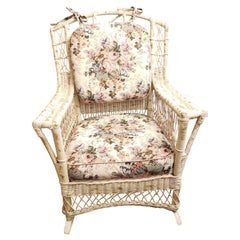
Antique Late 19th Century American Victorian Rocking Chairs
Cane, Bentwood
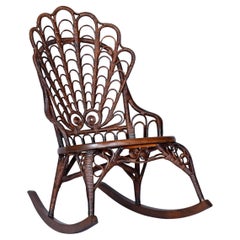
Antique 1890s American Victorian Rocking Chairs
Wicker
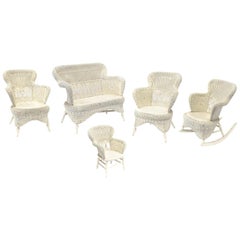
20th Century American Mid-Century Modern Rocking Chairs
Chestnut
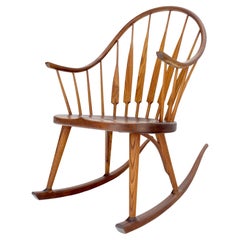
Early 20th Century Victorian Living Room Sets
Wicker, Wood
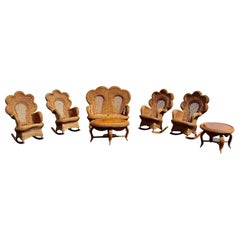
Mid-20th Century Dining Room Chairs
Maple
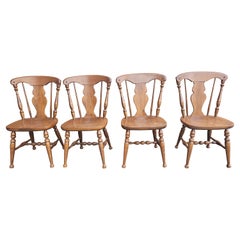
Vintage 1910s American Arts and Crafts Patio and Garden Furniture
Upholstery, Wicker, Reed, Wood
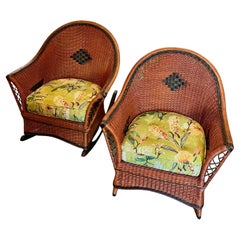
Recent Sales
Early 20th Century American Rocking Chairs
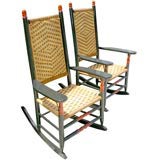
Early 20th Century American Rocking Chairs
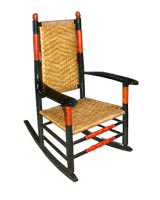
Early 20th Century American Mid-Century Modern Rocking Chairs
Rattan
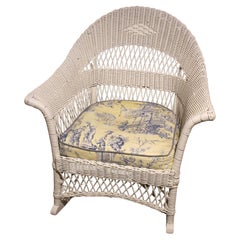
Antique 1890s American Aesthetic Movement Rocking Chairs
Wicker, Rattan, Wood
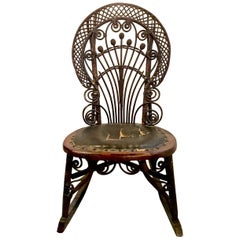
Early 20th Century Victorian Rocking Chairs
Wicker, Rattan, Hardwood
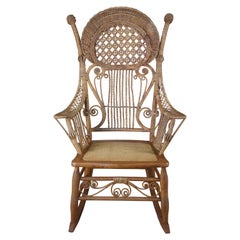
Mid-20th Century American American Colonial Rocking Chairs
Wood, Paint
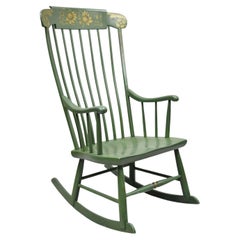
20th Century American Other Rocking Chairs
Wicker
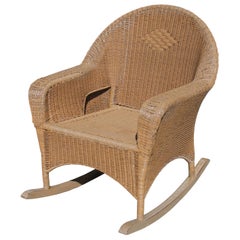
Antique 19th Century American Late Victorian Rocking Chairs
Wicker
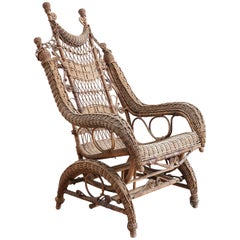
Early 20th Century American Rocking Chairs
Wicker
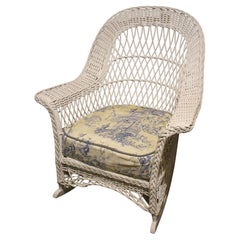
Early 20th Century American Adirondack Chairs
Leather, Wicker
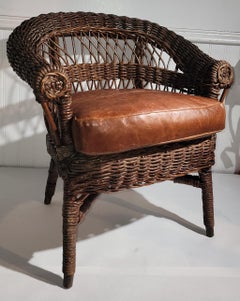
20th Century American Mission Rocking Chairs
Wicker, Upholstery
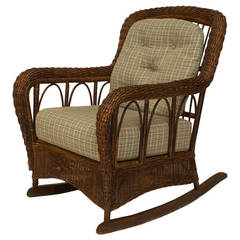
Antique 19th Century American Victorian Rocking Chairs
Wicker, Upholstery
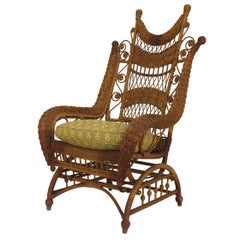
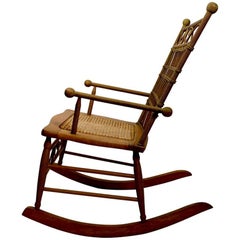
Antique Late 19th Century American Victorian Rocking Chairs
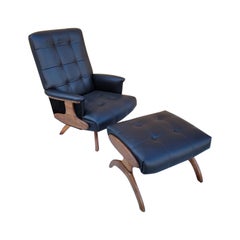
Vintage 1970s American Mid-Century Modern Lounge Chairs
Cowhide, Leather, Walnut
Antique 19th Century American Rocking Chairs
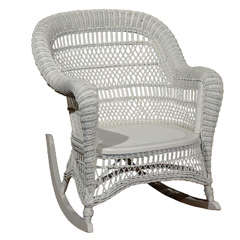
Early 20th Century American Rocking Chairs
Early 20th Century American Rocking Chairs
Reed, Wood, Paint
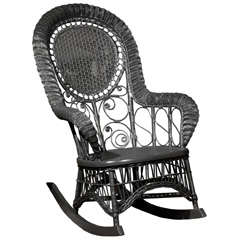
Early 20th Century American Rocking Chairs
Reed, Paint, Wood
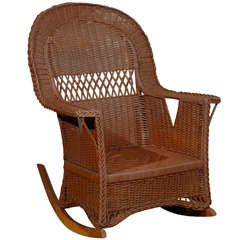
Vintage 1920s American American Classical Rocking Chairs
Wicker
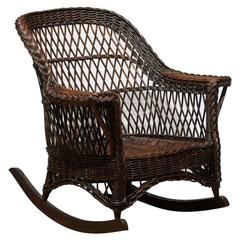
Early 20th Century American Rocking Chairs
Willow
Early 20th Century American Armchairs
Wicker
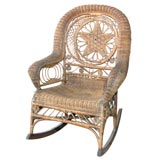
Antique 19th Century American Victorian Rocking Chairs
Wicker
People Also Browsed
20th Century Italian Rococo Wall Mirrors
Mirror, Wood, Giltwood, Lacquer
Early 20th Century English Art Deco Doors and Gates
Copper
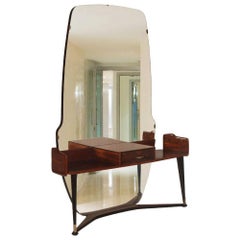
Vintage 1950s Italian Mid-Century Modern Pier Mirrors and Console Mirrors
Mirror, Walnut, Burl
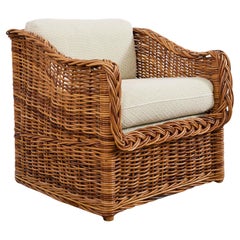
20th Century American Organic Modern Armchairs
Wicker, Rattan
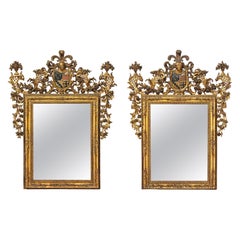
Antique Mid-18th Century Baroque Mantel Mirrors and Fireplace Mirrors
Mirror, Giltwood
Antique Late 19th Century German Louis XV Porcelain
Porcelain

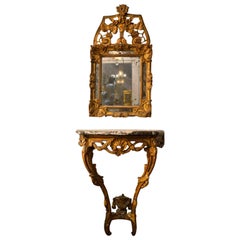
Antique Mid-18th Century French Louis XV Console Tables
Wood, Beech
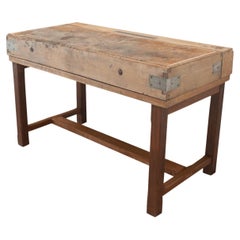
Antique 19th Century French Other Butcher Blocks
Steel
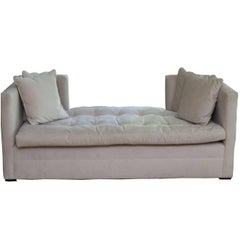
Early 2000s North American Daybeds
Fabric
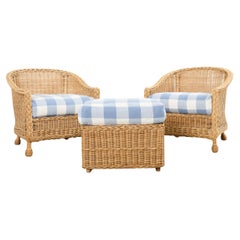
20th Century American Organic Modern Lounge Chairs
Fabric, Wicker, Rattan
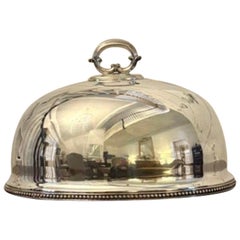
Antique 19th Century English Victorian Serving Pieces
Silver Plate
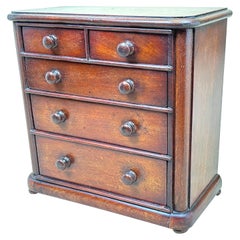
Antique Mid-19th Century English Victorian Models and Miniatures
Mahogany
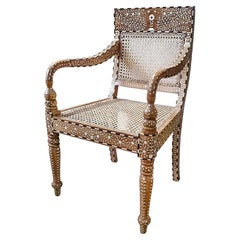
2010s Indian Anglo-Indian Armchairs
Bone, Teak
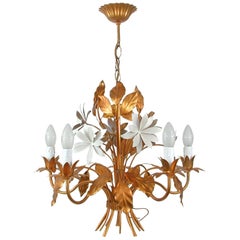
Vintage 1970s German Hollywood Regency Chandeliers and Pendants
Metal
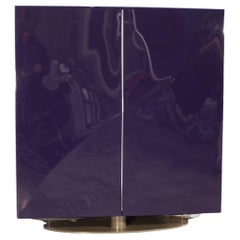
21st Century and Contemporary French Modern Cabinets
Metal
Antique 1850s American American Empire Lanterns
Wrought Iron

Heywood Wakefield Rocking Chair For Sale on 1stDibs
How Much is a Heywood Wakefield Rocking Chair?
Finding the Right Rocking-chairs for You
The phrase “rocking chair” didn’t find its way into the dictionary until the mid-18th century. While most of the sitting furniture that we use in our homes originated in either England or France, the iconic rocking chair is a quintessentially American piece of furniture.
A Philadelphia cabinetmaker’s bill for a proto-rocking chair issued in 1742, which identified the seat as a “Nurse Chair with rockers,” is the earliest surviving evidence of this design’s humble beginnings. The nurse chair was a low side chair intended for nursing women, so giving it a soothing rocking motion made sense. Rocking chairs, which saw a curved slat affixed to the chairs’ feet so that they could be literally rocked, quickly gained popularity across the United States, garnering a reputation as a seat that everyone could love. They offered casual comfort without the expensive fabrics and upholstery that put armchairs out of many families’ budgets.
Rocking chairs are unique in that they don’t just offer a place to rest — they offer an opportunity to reminisce. The presence of one of these classic pieces stirs up our penchant for nostalgia and has the power to transform a space. They easily introduce a simple country feel to the city or bring the peaceful rhythm of a porch swing into a sheltered sunroom. Although craftsmen took to painting and stenciling varieties of the chairs that emerged in New England during the 19th century, the most traditional rocking chairs are generally unadorned seats constructed with time-tested materials like wood and metal. As such, a minimalist vintage rocking chair can be ushered into any corner of your home without significantly disrupting your existing decor scheme or the room’s color palette.
In the decades since the first rocker, top designers have made the piece their own. Viennese chair maker Michael Thonet produced a series of rockers in the middle of the 19th century in which the different curved steam-bent wood parts were integrated into fluid, sinuous wholes. Mid-century modernists Charles and Ray Eames added wooden rockers to their famous plastic shell armchair, while Danish designer Frank Reenskaug opted for teak and polished beech, introducing pops of color with small cushions (a precursor to the bold works that would follow in the 1970s and 1980s).
No matter your personal style, let 1stDibs pair you with your perfect seat. Deck out your porch, patio or parlor — browse the vintage, new and antique rocking chairs in our vast collection today.
- 1stDibs ExpertSeptember 23, 2024To identify a Heywood-Wakefield chair, you can first look for a maker's mark. Beginning in 1949, the manufacturer began affixing paper labels to the undersides of chair seats. These labels usually feature the brand name along with an eagle logo. Unfortunately, the paper labels tended to come loose over time, so not all chairs will feature them, and pieces produced before 1949 are usually unmarked. If you can't find a marking, examine the hardware that holds the chair together. Heywood-Wakefield typically used Phillips head screws, so the presence of other types of fasteners will usually indicate that a different manufacturer produced the chair. In addition, the maker only utilized solid wood to construct its chairs. If you see plywood or veneers, your chair is probably not a Heywood-Wakefield. Because it can be difficult to identify an unmarked chair on your own, you may wish to have a certified appraiser or knowledgeable antique dealer assist you. Explore a range of Heywood-Wakefield chairs on 1stDibs.
Read More
All the Furniture in This Organic Modern Soho Loft Can Be Yours
Andrianna Shamaris has filled her epic new home with pieces of her own design.
20 Inviting Dining Rooms Perfectly Arranged for Entertaining
Top interior designers show — and tell — us how to create delectable spaces for hosting dinner parties.
Nobody Puts This Sunny Sofa in a Corner
With its plush cushions, cane details and dazzlingly colorful back, it’s inviting from every angle.
The 21 Most Popular Mid-Century Modern Chairs
You know the designs, now get the stories about how they came to be.
Fred Rigby’s Modular Seating Can Be Configured in So Many Handy Ways
The plush Cove Slipper 2.5 Seater sofa is just one of many convenient combinations from the London-based maker.
This Chubby-Chic Quilted Stool Stands on Its Own Two Feet
Sam Klemick's cool stool is edgy, cozy and environmentally sustainable all at once.
Is Lionel Jadot the Willy Wonka of Upcycled Belgian Design?
From his massive collaborative workshop in a former paper factory, the designer concocts funky furniture from disused materials, as well as luxe hotel interiors like the new Mix Brussels.
Rock Your Cares Away on This Sunny Hand-Crocheted Swing
The boho-chic Enchanted Forest Swing, handmade by marginalized women from Turkey and Syria, is uplifting in every way.