Hinkle Young Bedroom Furniture
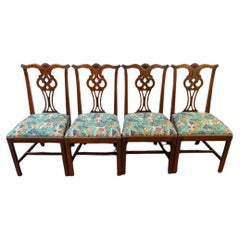
Mid-20th Century American Chippendale Side Chairs
Tapestry, Upholstery, Mahogany

People Also Browsed
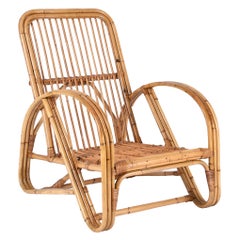
Vintage 1970s Italian Mid-Century Modern Armchairs
Bamboo, Wicker, Rattan, Cane
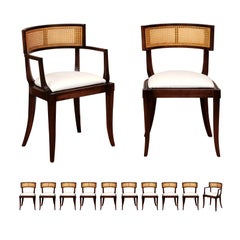
Vintage 1950s American Organic Modern Dining Room Chairs
Cane, Cherry
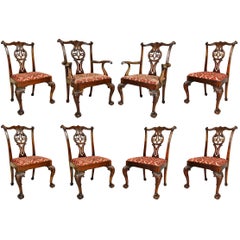
Antique Early 18th Century English George II Side Chairs
Walnut

Antique 1760s Great Britain (UK) George III Dining Room Chairs
Other
21st Century and Contemporary Mexican Mid-Century Modern Chandeliers and...
Wicker
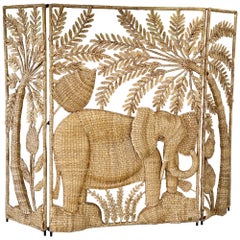
1990s Mexican Bohemian Screens and Room Dividers
Metal
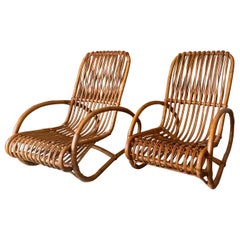
Vintage 1960s Italian Mid-Century Modern Armchairs
Bamboo, Rattan
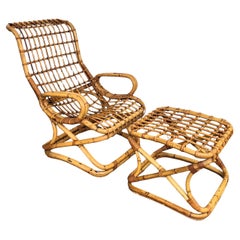
Mid-20th Century Italian French Provincial Lounge Chairs
Bamboo, Wicker, Rattan
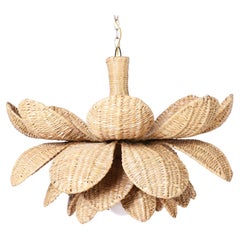
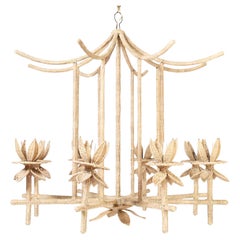
21st Century and Contemporary Mexican Mid-Century Modern Chandeliers and...
Metal
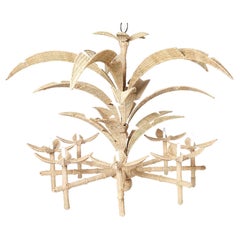
21st Century and Contemporary Mexican Mid-Century Modern Chandeliers and...
Wicker, Reed
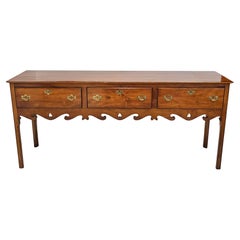
20th Century American Chippendale Sideboards
Brass
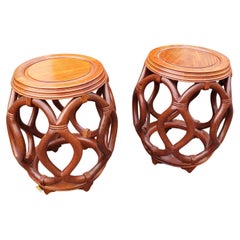
Mid-20th Century Hong Kong Ming Stools
Rosewood
20th Century Irish George II Dining Room Chairs
Elm
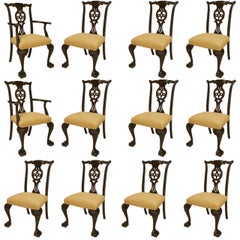
Antique 19th Century English Footstools
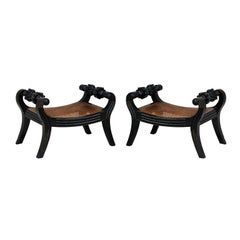
Antique 1810s Footstools
Ebony
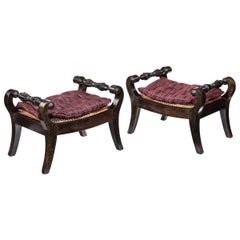
Vintage 1960s Italian Mid-Century Modern Lounge Chairs
Bamboo, Rattan
Finding the Right Side-chairs for You
Antique and vintage side chairs are space savers by design and wonderfully versatile pieces of seating for your dining room or wherever guests may gather.
Chairs have been indispensable pieces of furniture for a long time. We sit, therefore we deserve good seating. In Ancient Egypt, chairs were utilized in homes regardless of class, and most furniture was made of wood. Comfortable folding chairs, for example, were found in King Tutankhamun’s tomb.
Chairs evolved to be more commonplace in the 1830s, and by the Industrial Revolution, they could be found in most homes. The traditional wooden side chair might feature an upholstered back and seat and was typically used for gathering around a big dining room table. Because the side chair does not feature armrests, it could easily be tucked under the table when not in use or delicately placed in a corner for decorative purposes. Today, the side chair’s slim silhouette and armless design still offer the same level of versatility as it did in its early days. It’s supportive of a large gathering for a meal in the dining room or kitchen and serves as an accent piece (or extra seating) resting against the wall in a living room or inviting foyer.
When shopping for side chairs, think about the colors and furniture style you’ve already introduced to your living room or dining room. Keep the height of your sofa in mind, for example. If you intend to pair your sofa with your side chair when it’s not perched near the dining table, it wouldn’t hurt if the height of your side chair matches the height of your sofa. Even if your side chair will largely be used in the kitchen or dining room, it will likely be used in the living room or home entertainment area as well. When you’re thinking about the seating where meals are served in your home, benches, stools and armchairs make suitable alternatives too. And if you’re feeling adventurous, combining a variety of dining room seating options can be both aesthetically pleasing and downright practical.
Side chairs are available in a number of styles today, and this convenient seating is one of the types of chairs you should know when furnishing your new home. Explore antique and vintage side chairs on 1stDibs. Find Art Deco side chairs and mid-century modern side chairs, or search by creator to find side chairs crafted by legendary designers like Charles and Ray Eames and others.